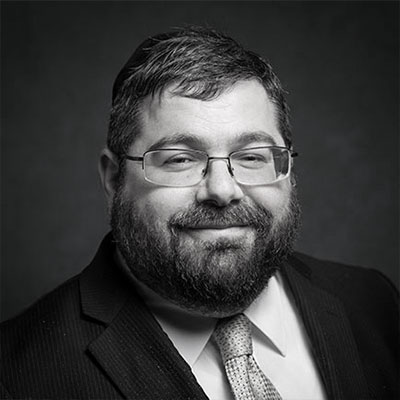


In 2013, an unusual clip of a stand-up comedy performance appeared online. It was unusual because the person on stage was wearing a black hat and a jacket. It seemed as if he stepped right out of the beis medrash and, without changing his clothes, proceeded directly to the stage. His name is David Finkelstein and the performance has been viewed over 100k times on YouTube.
It was a solid comedy set, though it was certainly aided by the surprise of seeing a fully decked-out yeshiva student standing in front of the Broadway Comedy Club backdrop. His appearance is part of what makes the comedy work so well. In general, comedy is a negotiation between the comedian and their audience. Comedy thrives on the specificity of personal experience that can resonate with a larger community. If it’s not specific and personal enough, comedy becomes too generic. If it’s too niche and local, comedy may never find a community.
Having left the ultra-Orthodox community in which she was raised, Leah still shares personalities and experiences from that community with an obvious sense of joy and playfulness.
There’s a fabulous Seinfeld episode where Jerry’s dentist, Tim Whatley, converts to Judaism. At Jerry’s next dentist appointment, Dr. Whatley peppers his language with Yiddishisms (“a shtickle fluoride”) and Jewish jokes. Jerry, somewhat offended by Dr. Whatley’s newfound penchant for Jewish jokes, asks the dentist if he should be making such jokes. “Jerry,” Dr. Whatley explains, “it is our sense of humor that sustained us as a people for three thousand years.” Five thousand, Jerry corrects him. Frustrated with Dr. Whatley’s continued jokes, Jerry visits Dr. Whatley’s former priest:
JERRY SEINFELD: I wanted to talk to you about Dr. Whatley. I have a suspicion that he’s converted to Judaism just for the jokes.
FATHER CURTIS: And this offends you as a Jewish person.
JERRY: No, it offends me as a comedian.
—Seinfeld, episode 153: “The Yada Yada”
Comedy is built upon personal experience. A dear friend, Shulamis Ross, wrote a masterful essay on the mechanics of offensive humor. Comedy, they explain, has the capacity to create community:
Getting back to ethnic jokes, one might say that they foster a sense of community in two ways. Perhaps the more obvious one—or at least the one most often criticized—is in excluding others. One cannot have a strong group identity, goes the claim, without defining oneself against other groups. One might ask: what would Red Sox fans be without the Yankees? One might answer: just another bunch of people whose team wins the World Series once every 86 years or so. Why else is “Yankees suck” heard at Patriots rallies? Not being New Yorkers is what being a New England sports fan is all about, one might say.
(I would never say that, of course. I’m a Yankees fan in Boston, and I like having the full use of all my vital organs. But one might.)
But these jokes also involve a more positive form of community building, and for this insight I’m indebted to an article by Ted Cohen. Ethnic jokes involve a wealth of shared knowledge; one needs to know that, say, Poles are stereotypically stupid, that the Irish are stereotypically drunkards, that Jews are greedy, that Scots are stingy, and so on, and so forth. If you don’t recognize the stereotypes being played on, the joke doesn’t work; that the teller and the hearer share the knowledge necessary to make sense of the joke reinforces a sense of community. I could tell you several lightbulb jokes involving particular Jewish groups (Lubvitchers, Satmars, Breslovers, Reform Jews, etc.), but most of you reading this essay wouldn’t understand them. “Part of the kick in joke telling,” Cohen argues, “is [the teller and listener’s] implicit awareness that they are joined to one another.”
Seven years after David Finkelstein’s black-hatted comedy set first appeared on YouTube, a moving documentary was released about his foray into comedy entitled, “A Jew Walks Into a Bar.” The film details how David grapples with his Jewish identity while trying to connect to a wider stage. There’s a tinge of sadness throughout. David knows the black hat is both the key to much of his distinctive voice, but also yearns to distinguish himself without it. His Jewish identity is both what makes him different and, in his mind, what holds him back from having broader appeal. I don’t know what happened to David Finkelstein. Since his original set, he’s posted very little new comedy online. But his story is a powerful rumination on the interplay between comedy and community.
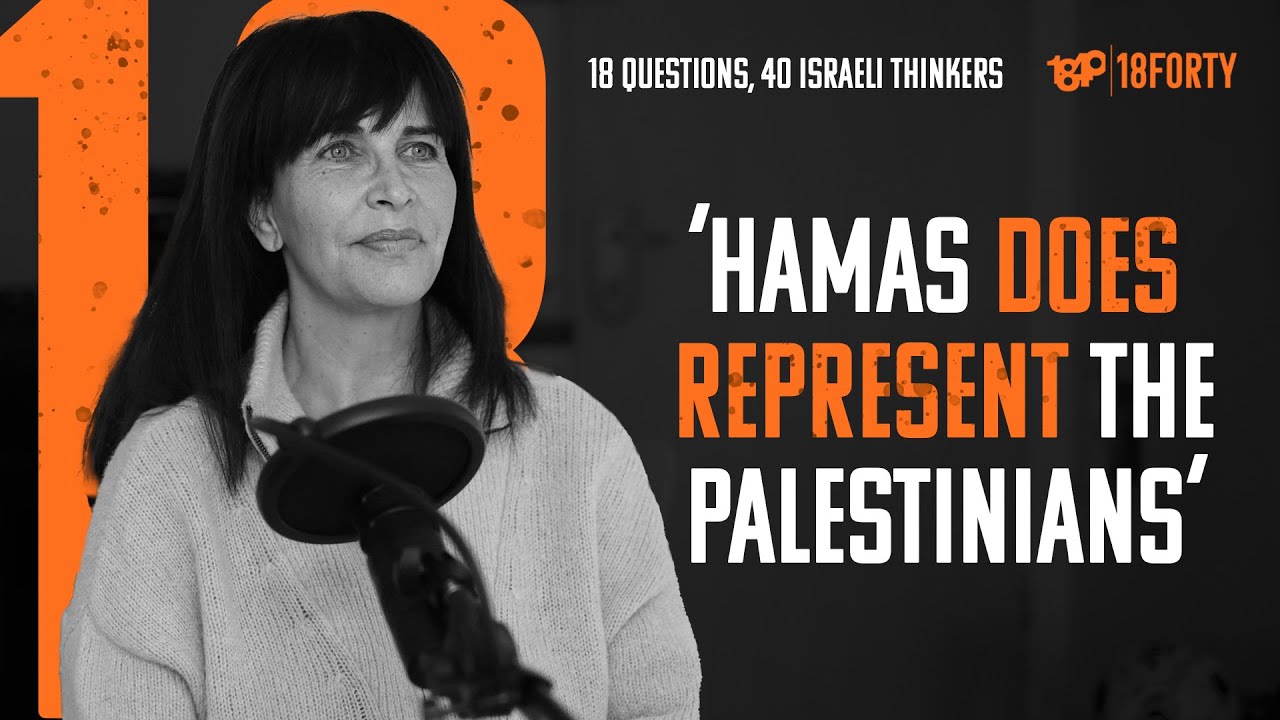
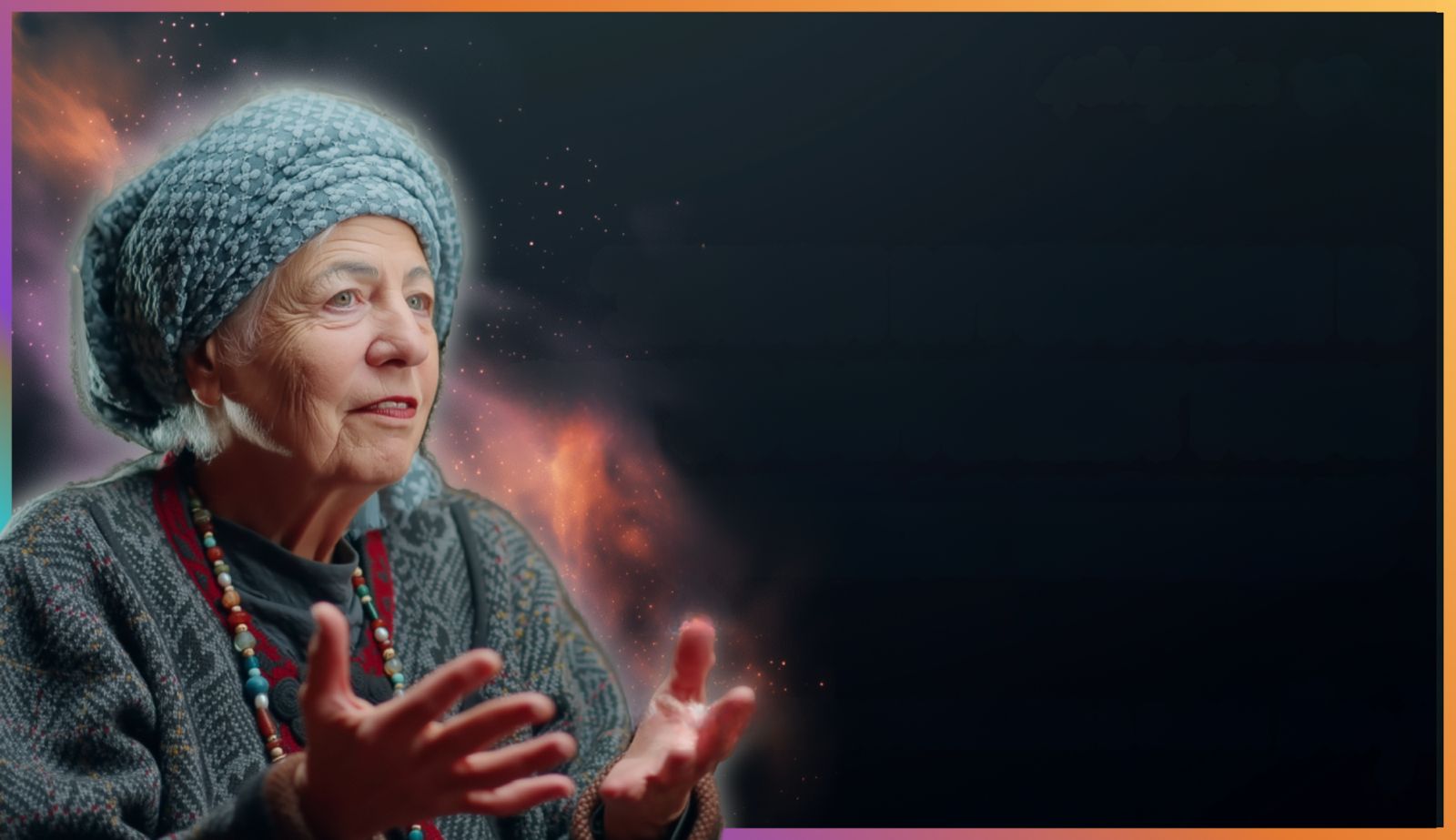
That dynamic lays at the heart of the work of our next guest, Leah Forster. Leah is an extraordinarily gifted comedian and character actress. Her weekly “Tichel Tuesday” videos have developed a large following on Instagram and she has a full-length show in the works. But navigating community and comedy has not been easy for her. Having left the ultra-Orthodox community in which she was raised, Leah still shares personalities and experiences from that community with an obvious sense of joy and playfulness. That is a large part of what I find so remarkable about Leah. She has every reason to be bitter. She has every reason to have more of a cynical edge in her Jewish comedy. But that’s not what she does. From her signature greeting, hello hello hello, her comedy serves as an optimistic tether to a community in which she was once fully entrenched. Negotiating between personal experience and your audience can be a delicate balance. As I discussed with a noted user on Twitter, your audience can be both an outlet and a constraint. It’s heartening to find people who, even under these imposing constraints, find ways to make people laugh.
Listen to this episode with Leah Forster.