
Passing Through Moed Katan—and Life

18Forty
Share
×

Share

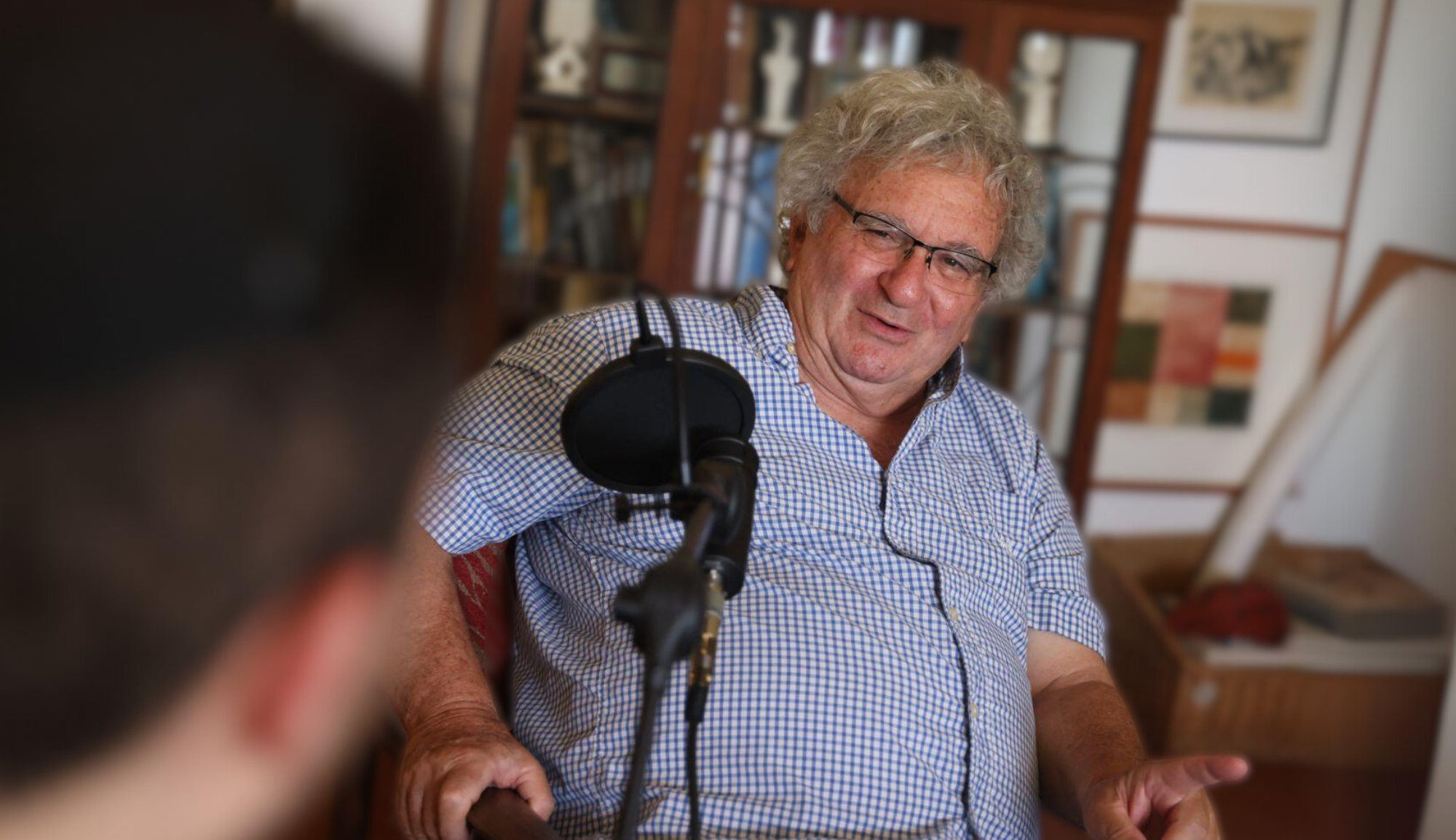
Tractate Moed Katan centers around two polar-opposite topics: Chol Hamoed, days of moderated celebration, and aveilut, days of mourning. One we associate with trips to the zoo, the other with the shiva house. Their juxtaposition seems almost offensive. Rabbi Dovid Bashevkin shows that the two are more closely related than we may think. He argues that both represent in-between stages—between yomim tovim and between periods of loss. Moed Katan is about “how to live a life that is in between, in flux, and sandwiched between conflicting identities.” 


Read More at Tablet Magazine.

Recommended Essays

Essays

A (Talmud) Page is Worth a Thousand Worlds

Beyond the words of the page, the Talmud teaches just as much Jewish history as it does Jewish law, revealing new insights…

Essays

‘It’s Not Great’: What’s the Deal With Jewish Education?

Jewish students, parents, and educators weigh in about what helps, what hurts, and what we need to do.

Essays

‘The Crisis of Experience’: What Singlehood Means in a Married Community

I spent months interviewing single, Jewish adults. The way we think about—and treat—singlehood in the Jewish community needs to change. Here’s how.

Essays

3 Questions To Ask Yourself Whenever You Hear a Dvar Torah

Not every Jewish educational institution that I was in supported such questions, and in fact, many did not invite questions such as…

Essays

American Judaism is Falling Apart. We Have Ourselves to Blame

Until recently, I too found myself almost entirely estranged from Jewish tradition. My return is showing me what we need to do…

Essays

Benny Morris Has Thoughts on Israel, the War, and Our Future

We interviewed this leading Israeli historian on the critical questions on Israel today—and he had what to say.

Recommended Videos

videos

Moshe Gersht: ‘The world of mysticism begs for practicality’

Rabbi Moshe Gersht first encountered the world of Chassidus at the age of twenty, the beginning of what he terms his “spiritual…

videos

Moshe Benovitz: Why Religious Change Doesn’t Always Last

In this episode of the 18Forty Podcast, recorded live at Stern College, we speak with Rabbi Moshe Benovitz, director of NCSY Kollel,…

videos

An Orthodox Rabbi Interviews a Reform Rabbi | Dovid Bashevkin & Diana Fersko

In this episode of the 18Forty Podcast, we speak with Diana Fersko, senior rabbi of the Village Temple Reform synagogue, about denominations…

videos

Jewish Peoplehood

What is Jewish peoplehood? In a world that is increasingly international in its scope, our appreciation for the national or the tribal…

videos

A Vulnerable Conversation About Shame, Selfhood, & Authenticity with Shais Taub & David Bashevkin

In this episode of the 18Forty Podcast, we speak with Shais Taub, the rabbi behind the organization SoulWords, about shame, selfhood, and…

videos

Moshe Weinberger: ‘The Jewish People are God’s shofar’

In order to study Kabbalah, argues Rav Moshe Weinberger, one must approach it with humility.

videos

Rachel Goldberg-Polin and Jon Polin: How Torah Gives Us Faith and Hope

In this special Simchas Torah episode of the 18Forty Podcast, we speak with Rachel Goldberg-Polin and Jon Polin—parents of murdered hostage Hersh…

videos

Zevi Slavin: ‘To be a mystic is to be human at its most raw’

As a Chabad Hasid, Rabbi Zevi Slavin’s formative years were spent immersed in the rich traditions of Chassidut and Kabbala.

videos

18Forty: Exploring Big Questions (An Introduction)

18Forty is a new media company that helps users find meaning in their lives through the exploration of Jewish thought and ideas.…

videos

We Asked Jews About AI. Here’s What They Said.

This series, recorded at the 18Forty X ASFoundation AI Summit, is sponsored by American Security Foundation.

videos

Steven Gotlib & Eli Rubin: What Does It Mean To Be Human?

In this episode of the 18Forty Podcast—recorded at the 18Forty X ASFoundation AI Summit—we speak with Rabbi Eli Rubin and Rabbi Steven…