


We live in a translated world. Everywhere we look, things that we see in one domain move over to another. We experience reality, and then post online or type in our phones about the realities we experience. We interact with so many parts of our lives through a sort of process of translation.
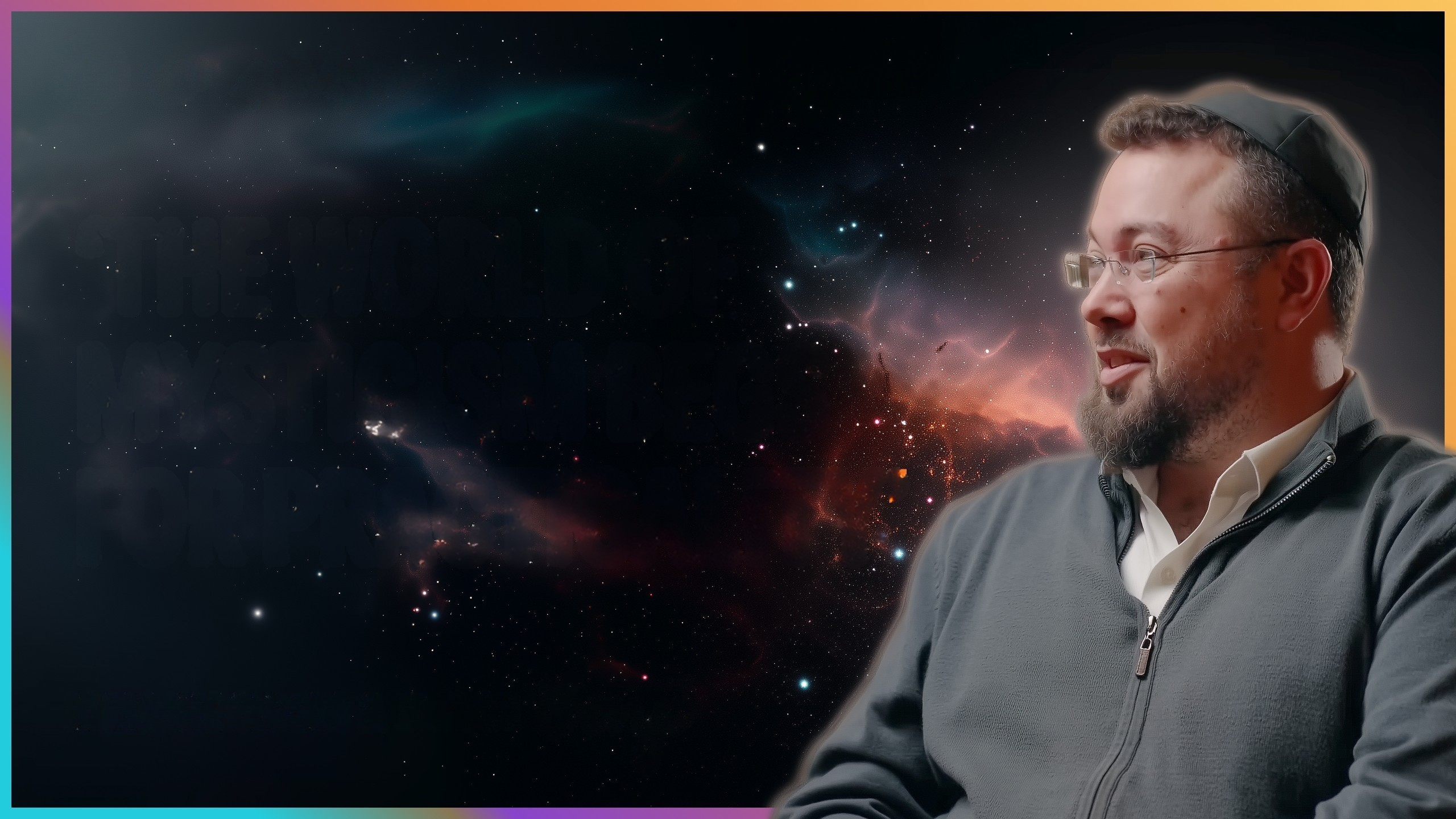
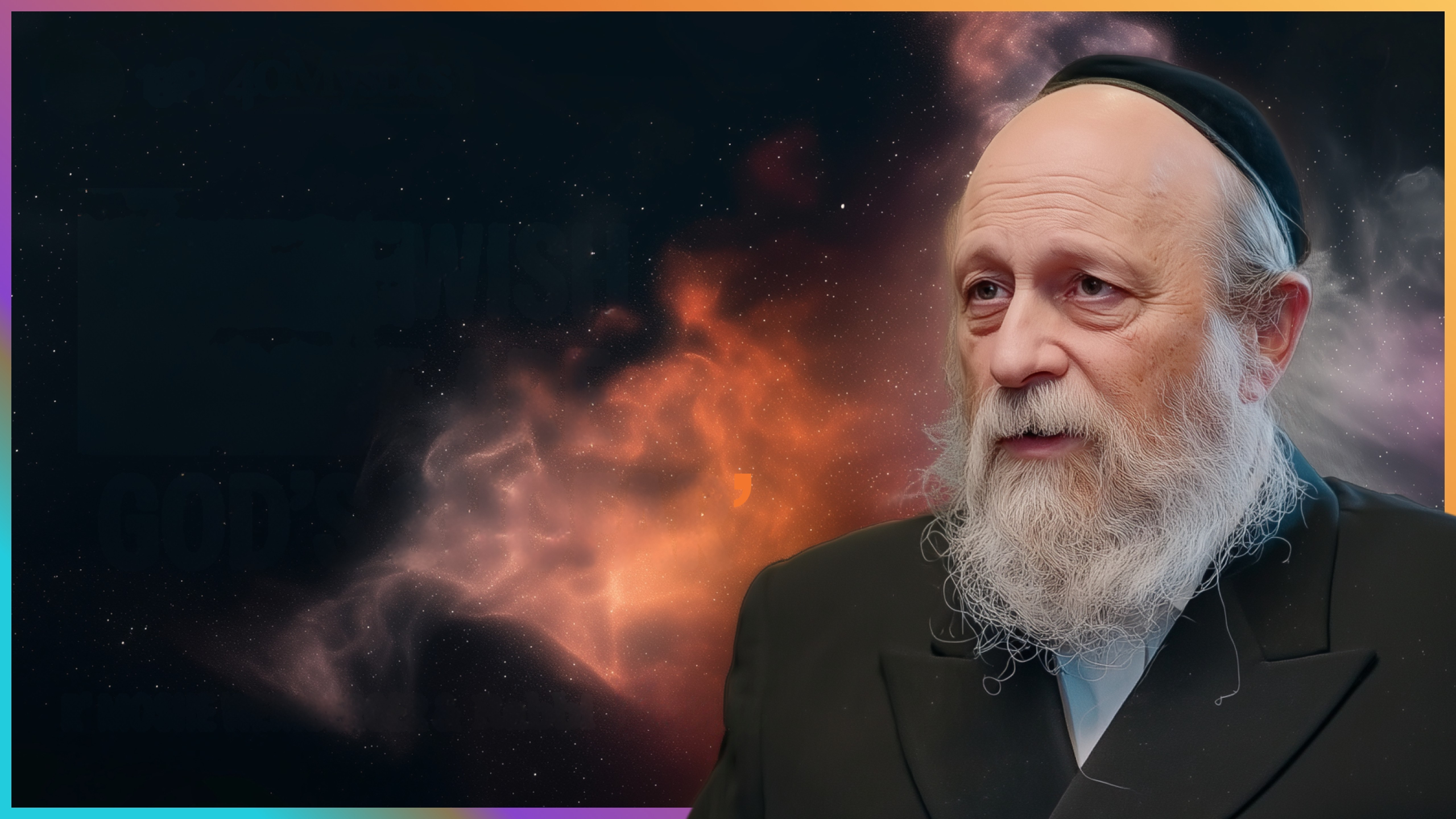
Rabbi Dr. Ari Lamm believes that we, as a society, can move into the future only if we learn to appreciate the language of the past. Ari wears many hats; He’s a rabbi, a scholar of religion with a PhD from Princeton University, a writer, and most recently the cofounder and president of SoulShop Studios, a new media venture for faith-driven Gen Z audiences, as well as the Chief Executive of the Bnai Zion Foundation. He’s also the host of Good Faith Effort, a weekly podcast on the Bible and society.
One of his most ardent group of followers don’t know him from these myriad ventures, but from his “X” (formerly Twitter) presence, and specifically from his threads on the Torah. In threads that have accumulated millions of views collectively, Ari unpacks a portion of the Torah, focusing on how the original Hebrew language offers a key to unlocking broader themes that powers the narrative of each scene, in often surprising ways.
To get a sense for what this means, read his words for yourself. We put together three of our favorite threads of Ari’s, on key portions of the Torah that often go not-quite-understood. When reading Ari’s thoughts, consider what other parts of our lives we allow to pass by in translation, without turning to a more potent or true original in the name of comfort. Do we read headlines instead of articles, text our friends instead of calling them, turn to English news about the ongoings in Israel rather than turn to local reporting in Hebrew or Arabic?
Here’s Ari Lamm, on why you should read the Bible in Hebrew.
1. The Tower of Babel
What went wrong in the rather pithy account of the Tower of Babel? Look to the Hebrew of the account, which is replete with literary allusions, to find out.
2. Cain and Abel
What are we supposed to learn from the tragedy of the first recorded murder in the Torah? Consider a relatively subtle word in the narrative, the Hebrew word for yearning—teshukah, to find out.
3. Sarah’s Laughter
Why is God upset at Sarah for laughing when she is promised a son? Consider the Hebrew word for “laugh,” and its many faces in our ancient text, to find out.