Begin exploring
today’s 
biggest Jewish
questions…

×
  • Topics

    Most Popular Topics

    • Artificial Intelligence
    • Jewish Outreach
    • Israel & Diaspora
    • 18 Questions, 40 Israeli Thinkers
    • Denominations
    • Mental Health
    • Israel at War

    View all

    All Topics

    • Prayer & Humanity
    • Zionism
    • Jewish Education
    • Romance & Commitment
    • Origins of Judaism
    • Books, Books, Books
    • Abuse in Our Community
    • Halacha
    • Wealth
    • Is Religion Rational?
    • Shabbos
    • Teshuva
    • Summer Unwind
    • Loss
    • Censorship
    • Agunah Crisis
    • Intergenerational Divergence
    • God
    • Why 1840?
    • Social Justice
    • Science & Religion

    View all

  • Discover

    Podcasts

    Essays

    Guests

    Videos

    Swag Shop

    Popular for Discover

    • Elissa Felder & Sonia Hoffman: How the Jewish Burial Society Cares for the Dead
    • Shlomo Brody & Beth Popp: Demystifying Death and the End of Life
    • Michael Oren: ‘We are living in biblical times’
    • Micah Goodman: ‘I don’t want Gaza to become our Vietnam’

    View All Podcasts

    OTD: Leaving Religion

    Ayala Fader: How Do Haredi Jews Deal With Religious Doubt?

    18 Questions, 40 Israeli Thinkers

    Jonathan Rosenblum: ‘Would you want to live in a country run by Haredim?’
  • Book Culture

    Book Joureys

    • How Do Morality And Values Guide Jewish Law?
    • ‘Anti-Zionism is an existential threat to the Jewish People’

    Shabbos Reads

    • Books, Books, Books
    • I Read This Over Shabbos on X

    FEATURED BOOK

    How Do Morality And Values Guide Jewish Law?

    FEATURED BOOK

    ‘Anti-Zionism is an existential threat to the Jewish People’
  • About

    About us

    Who we are

    Submissions

    Contact us

    Donate

    WHY 18
    Forty

    The year 1840 was a turning point: the Industrial Revolution peaked, the Damascus Affair sparked Jewish unity, and modernity opened new paths for enlightenment. Mystics called it the moment that “the gates of wisdom would open.” For us, 1840 is a symbol of how global upheaval can lead to a reimagined world. Today, we face another “1840 moment”—troubled by tech disruption, mental health crises, and declining faith—that calls for bold questions, timeless sensitivity, and modern sensibilities. That’s what 18Forty is here to explore.

  • Donate
Subscribe
Donate

HOme

/

Articles

/

Sruli Fruchter

Sruli Fruchter

  • Loss

    How Your Faith Can Survive a Crisis

    We hope that our beliefs will always survive life’s turbulence unscathed. But things often play out differently when crisis strikes.
  • Loss

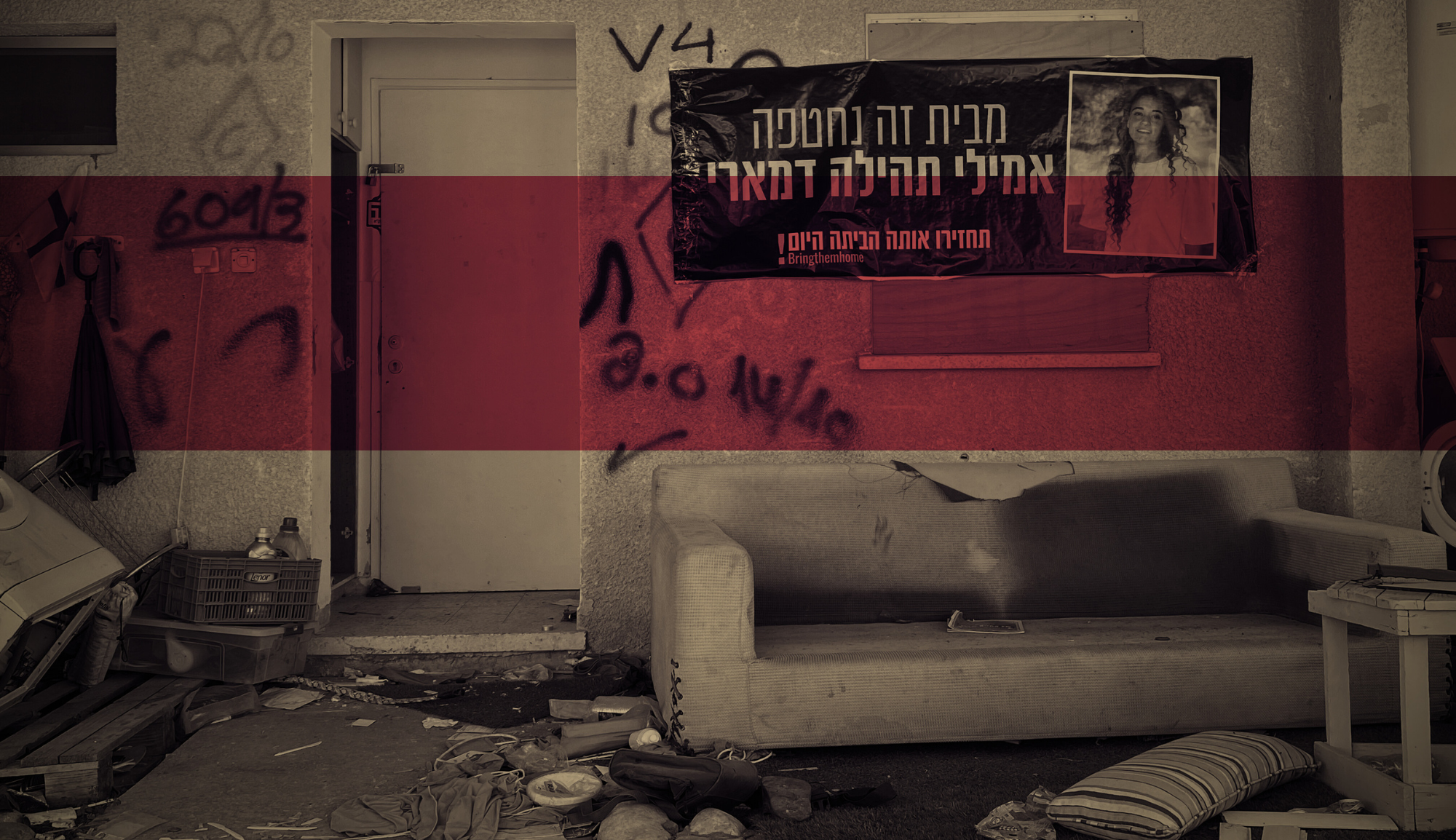
    Three Weeks To Mourn the Kibbutzim of Slaughter

    After October 7, these three weeks might induct us into the grieving denied to us for the past many months.
  • 18 Questions, 40 Israeli Thinkers

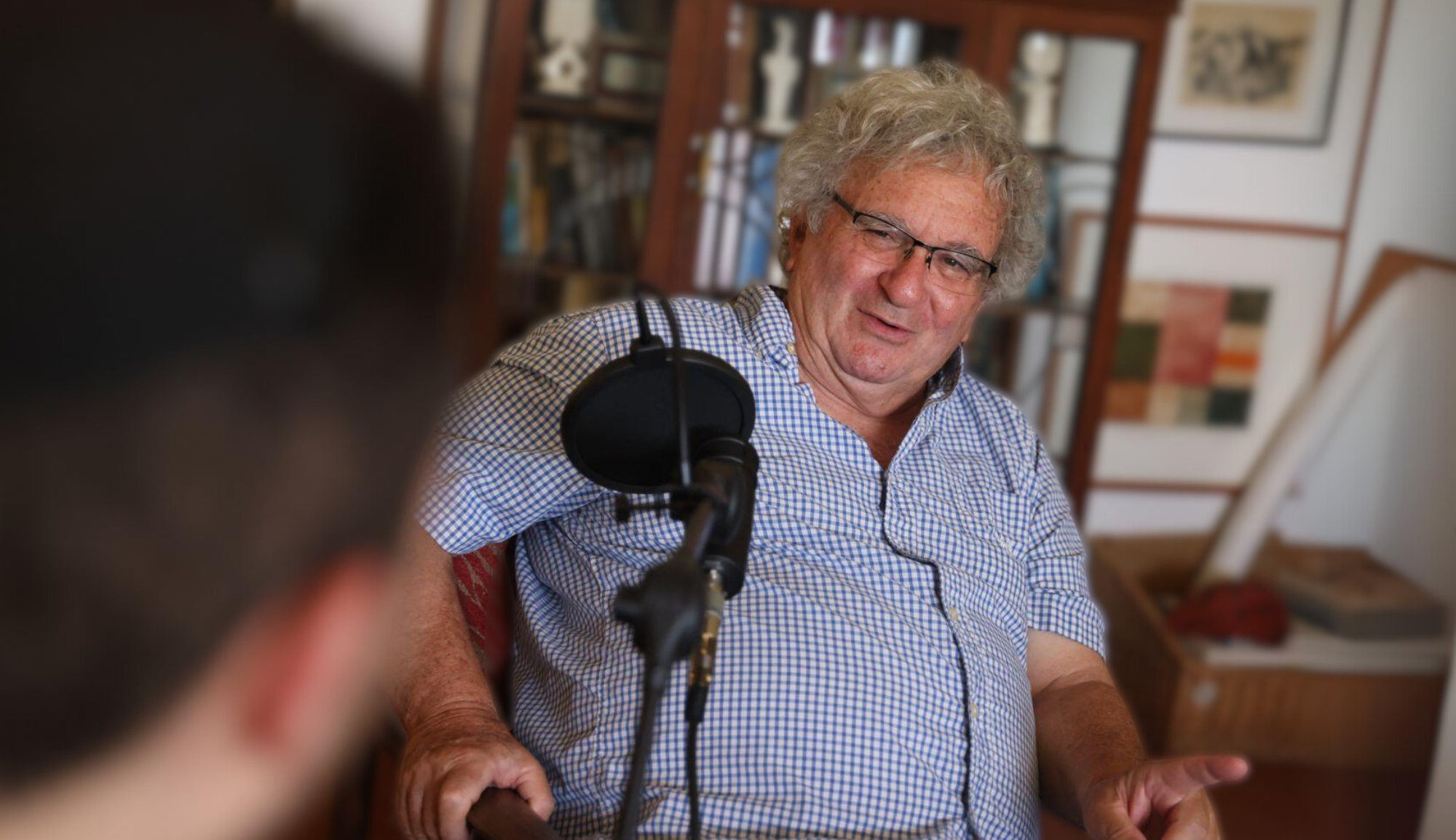
    Benny Morris Has Thoughts on Israel, the War, and Our Future

    We interviewed this leading Israeli historian on the critical questions on Israel today—and he had what to say.
  • Israel at War

    4 Conversations to Help You Think About the Israel-Hamas War

    These episodes offer critical questions, reflective insights, and personal stories for understanding Israel—in and beyond this war.
  • Zionism

    4 Ways to Understand Israel Better

    Yes, Israel is “complicated,” but that shouldn’t be a crutch to fall back on. Here are four pieces to help make the “complicated” less so.
  • Teshuva

    How to Live Sin-Free

    “Sin” is the blockage, the obstructions, in life—how do we avoid it? The Talmud offers timeless wisdom for evading bad and living in flow.
  • Teshuva

    How to Say Sorry

    Apologies should be easy—but they seem to be anything but. The Talmud shares timeless wisdom to help us say a better sorry.
  • Teshuva

    Real Change Is a Process—and It Takes Time

    Human desire wishes that we change at the moment we want to, but real change, real teshuva, takes time.
  • Teshuva

    Avoiding Bad Advice and Unhealthy Change

    Just because we change—or want to change—does not mean that the change is good. We can develop bad habits, harmful beliefs, or destructive behaviors under the guise of “growth.”
  • Teshuva

    How to Change Ourselves and Our Lives

    University of Chicago Professor Agnes Callard breaks down the nature of change and how to become who we want to be.
  • Teshuva

    Teshuva Is Messy and Beautiful. That’s What Makes It Real.

    Rav Judah Mischel and singer Alex Clare shed light on the beauty and complexity of teshuva, namely in their own lives.
  • Teshuva

    Letting Go of the Scary God

    Changing how God appeared in my life began with changing how God appeared in my mind. I needed to let go of the scary God and choose a different one.
Loading…Load More

DEDICATED TO THE MEMORY AND LEGACY OF PHILIP EICHEN, EPHRAIM FISHEL BEN MORDECHAI Z”L AND ROSLYN EICHEN, RAZEL BAT GERSHON, Z”L

Newsletters

Sign up for our Newsletter

We’ll keep your inbox stocked fresh with new topics, thoughts and ideas.

TOPICS

  • Topics
    • Topics

DISCOVER

  • Podcasts
  • Essays
  • Videos
  • Guests
    • Podcasts
    • Essays
    • Guests
    • Videos
    • Swag Shop

BOOK CULTURE

  • Book Journeys
  • Shabbos Reads
    • Book Journeys
    • Shabbos Reads

ABOUT US

  • Who we are
  • Submissions
  • Contact us
  • Donate
    • Who we are
    • Submissions
    • Contact us
    • Donate

Copyright ©

2025

18Forty

All Rights Reserved

Privacy Policy

Cookie Policy

Welcome to 18Forty's New Website!

This is your address for today’s biggest Jewish questions. Looking for something in specific? Search on our homepage or browse on your own.