

Begin exploring
today’s
biggest Jewish
questions…
×

Comedy Conclusion
As we live through the ups and downs of life, laughter begins to play an invaluable role in our mental well-being. Perhaps comedy can provide a helpful lens through which to view the sometimes stressful responsibilities of our life.

Summary
As we live through the ups and downs of life, laughter begins to play an invaluable role in our mental well-being. Perhaps comedy can provide a helpful lens through which to view the sometimes stressful responsibilities of our life.
Recommended Podcasts
podcast
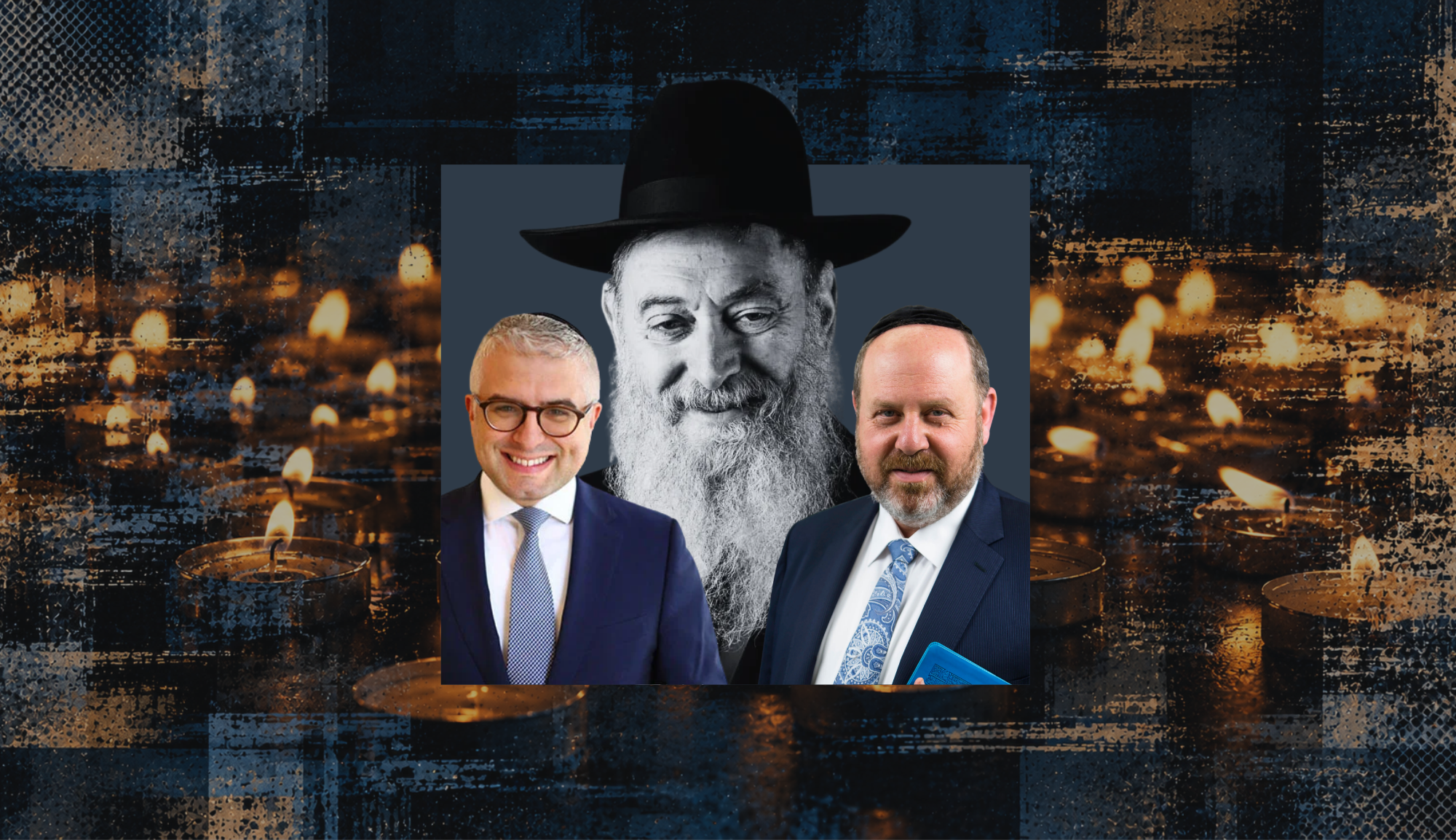
On Presence, Questions, and Independence: Remembering Rav Ezra Neuberger
We mark the yahrtzeit of Rav Ezra Dovid Halevi Neuberger with remembrances from Dovid Bashevkin and David Fohrman.
podcast
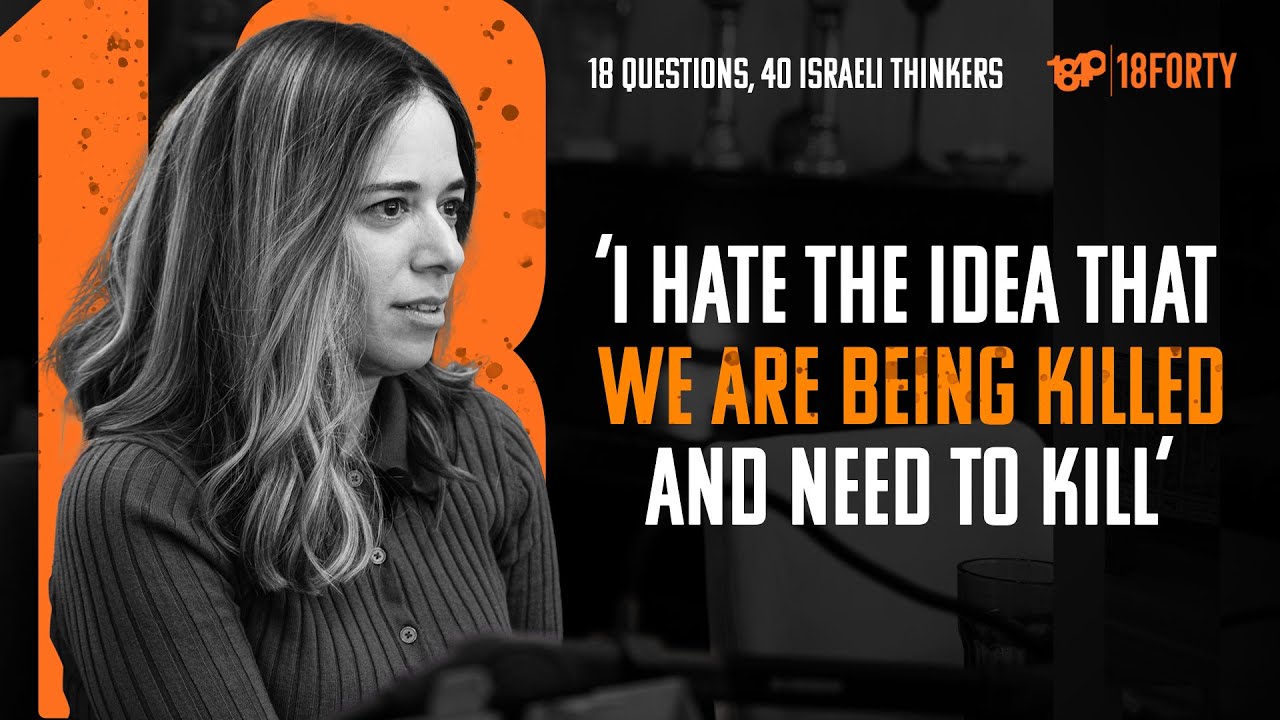
Nechumi Yaffe: ‘I hate the idea that we are being killed and need to kill’
As a Haredi woman of the Israeli left, Nechumi Yaffe lives between a few different worlds—and she feels at home in Israel’s new “Religious Left” movement.
podcast
Meir Sendor: ‘God is manifest in plain sight’
Rabbi Dr. Meir Sendor joins us to discuss prayer, human will, and the dangers of mysticism.
podcast
Judah Mischel: How To Be a Jewish Optimist
We talk to Judah Mischel about how to become a Jewish optimist by choosing to see the good in every corner of Klal Yisrael.
podcast
Elliot Kaufman: October 7 and What Came After
We talk to Elliot Kaufman about what happened inside Israel’s war room after October 7 and how Israel came to lose the battle over its own story.
podcast
Yehoshua Pfeffer: ‘The army is not ready for real Haredi participation’
Rabbi Yehoshua Pfeffer answers 18 questions on Israel, including the Haredi draft, Israel as a religious state, Messianism, and so much more.
podcast
YY Jacobson: The Teshuva of Coming Back to Yourself
We talk to Rabbi YY Jacobson about how each of us can experience redemptive consciousness by feeling Hashem’s infinite love and presence in this moment.
podcast
Rav Moshe Weinberger: Can Mysticism Become a Community?
In this episode of the 18Forty Podcast, we sit down with Rav Moshe Weinberger, rabbi and educator, to discuss the role of mysticism in modern-day Judaism.
podcast
Menachem Penner & Gedalia Robinson: A Child’s Orientation
In this episode of the 18Forty Podcast, we talk to Rabbi Menachem Penner—dean of RIETS at Yeshiva University—and his son Gedalia—a musician, cantor-in-training, and member of the LGBTQ community—about their experience in reconciling their family’s religious tradition with Gedalia’s sexual orientation.
podcast
Shmuel Braun: ‘When it comes to God, I’m the object and God is the subject’
Rabbi Shmuel Braun joins us to discuss spirituality and free will.
podcast
When a Parent Becomes Estranged
In this episode, we talk to a father and daughter who were estranged and then reunited.
podcast
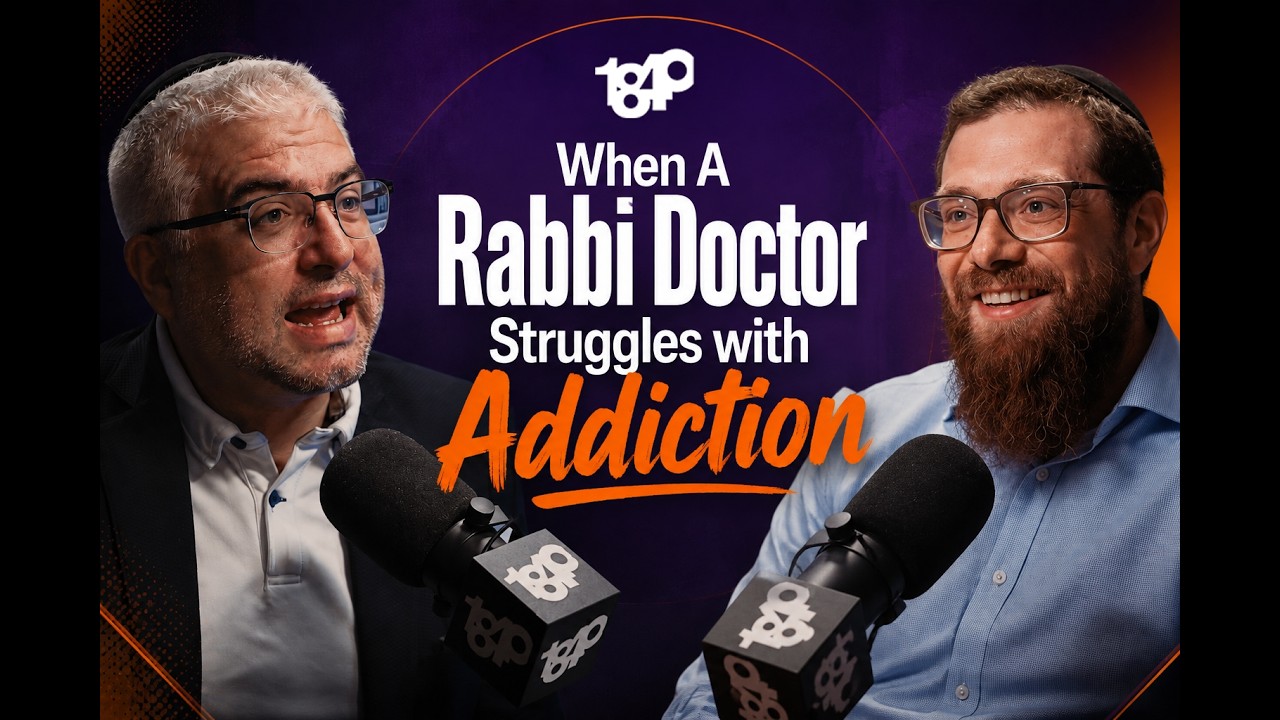
Shlomo Pill: When a Rabbi Doctor Struggles With Addiction
We talk to Rabbi Shlomo Pill about how Torah and teshuva have helped him handle his struggle with addiction.

podcast
Why 1840?
In this episode of the 18Forty Podcast, we sit down for a special podcast with our host, David Bashevkin, to discuss the podcast’s namesake, the year 1840.
podcast
Einat Wilf: ‘Jews Are Never Allowed To Win, and Arabs Are Never Allowed to Lose’
The true enemy in Israel’s current war, Einat Wilf says, is what she calls “Palestinianism.”
podcast
Haviv Rettig Gur: ‘Hamas is upset the death toll in Gaza isn’t higher’
Haviv answers 18 questions on Israel.
podcast
Joey Rosenfeld: Can Mysticism Heal Us?
In this episode of the 18Forty Podcast, we sit down with Joey Rosenfeld, social worker and kabbalist, to talk about the differences between mysticism and rationalism and the roles they should play in our lives.
podcast
Malka Simkovich: When Did The Jewish Diaspora Begin?
In this episode of the 18Forty Podcast, we talk to Malka Simkovich.
podcast
Mark Wildes: Is Modern Orthodox Outreach the Way Forward?
We speak with Mark Wildes, founder and director of Manhattan Jewish Experience, about Modern Orthodox outreach.
podcast
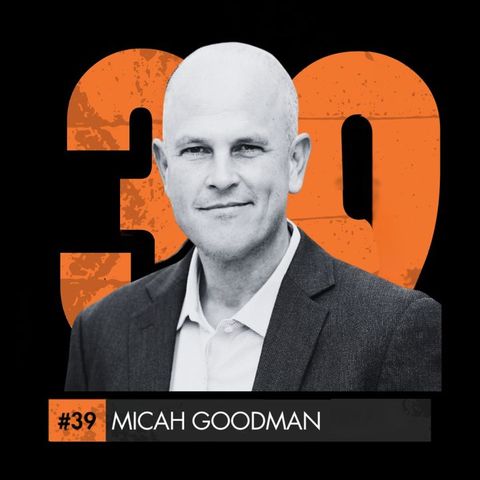
Micah Goodman: ‘I don’t want Gaza to become our Vietnam’
Micah Goodman doesn’t think Palestinian-Israeli peace will happen within his lifetime. But he’s still a hopeful person.
podcast
David Bashevkin: My Mental Health Journey
In this episode of the 18Forty Podcast, David Bashevkin opens up about his mental health journey.
podcast
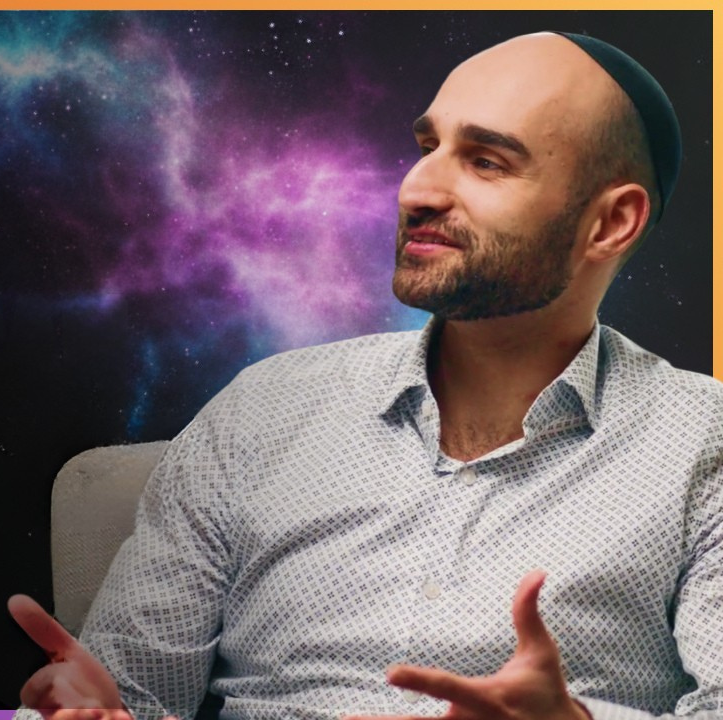
Efraim Palvanov: ‘Every person can be the Messiah’
Efraim Palvanov answers questions on misinformation, prayer as self-reflection, and every Jew’s role in bringing Mashiach.
podcast
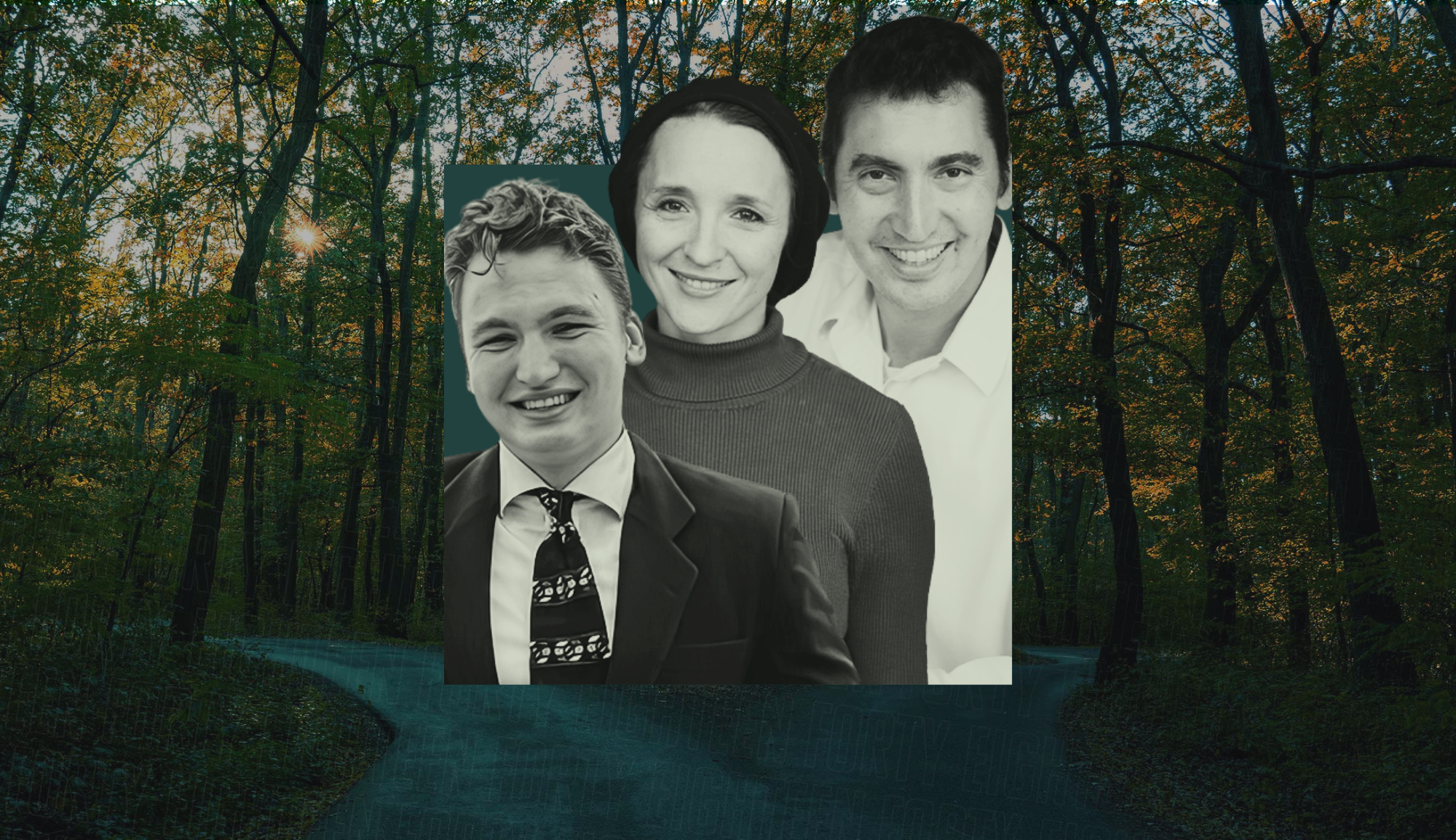
The Dardik Family: A Child Moves Away From Zionism
In this episode of the 18Forty Podcast, we talk to Judah, Naomi, and Aharon Akiva Dardik—an olim family whose son went to military jail for refusing to follow to IDF orders and has since become a ceasefire activist at Columbia University—about sticking together as a family despite their fundamental differences.
podcast
Frieda Vizel: How the World Misunderstands Hasidic Jewry
In this episode of the 18Forty Podcast, we talk to Frieda Vizel—a formerly Satmar Jew who makes educational content about Hasidic life—about her work presenting Hasidic Williamsburg to the outside world, and vice-versa.

podcast
Michael Eisenberg: Iran, USA, Israel: What Comes Next
We talk to Michael Eisenberg about the state of the Jewish People in Israel and the diaspora.
Recommended Articles

Essays
3 Arguments for God’s Existence
Perhaps the most fundamental question any religious believer can ask is: “Does God exist?” It’s time we find good answers.

Essays
A New, Illustrated Midrash on the Beginning
Koren’s latest Tanakh Graphic Novel brings a fresh midrashic lens to Bereshit and Noach.
Essays
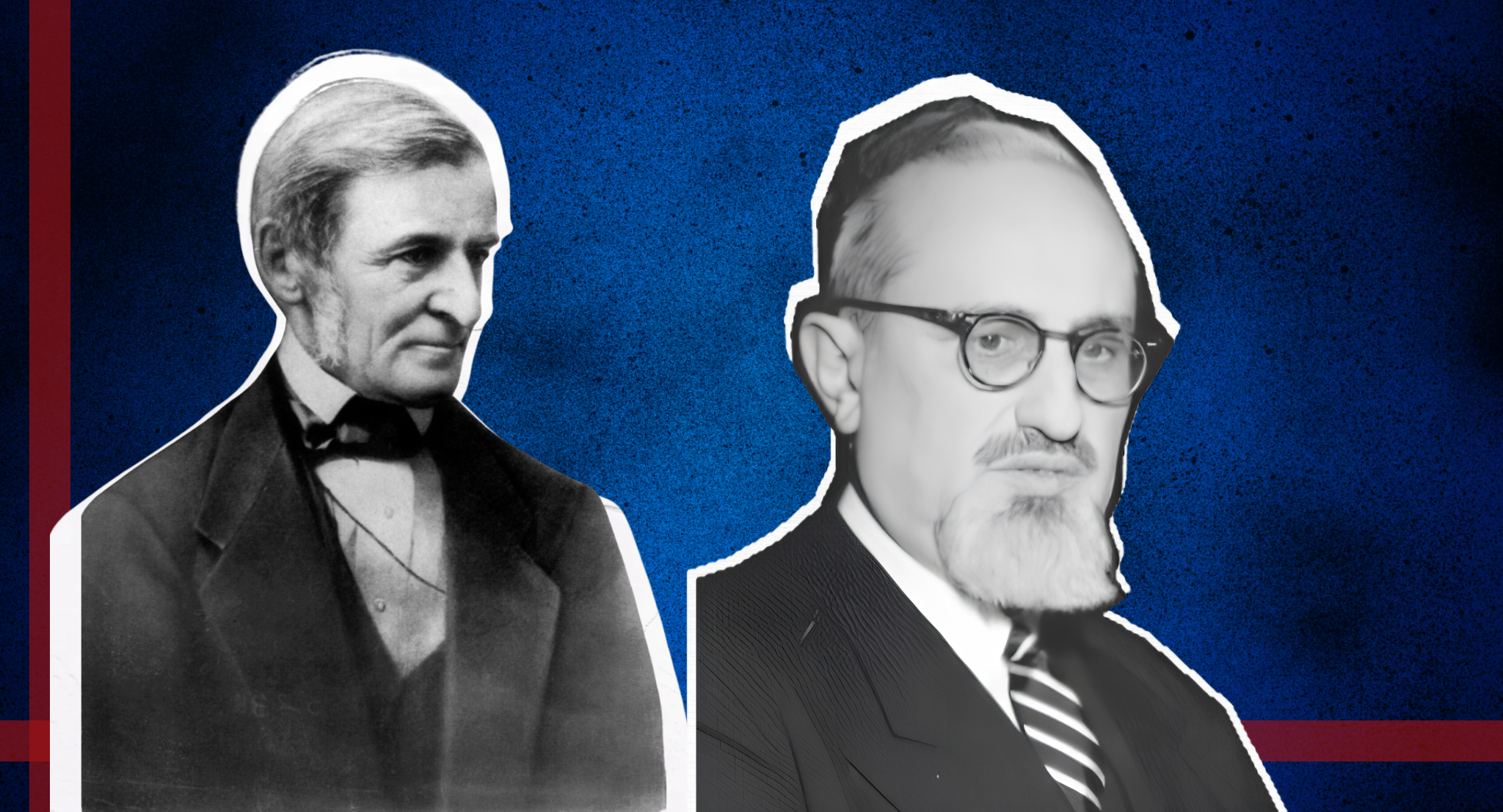
The Jewish Answer to American Loneliness
As America grows lonelier, Rav Soloveitchik’s vision of the self offers a challenge to Emersonian self-reliance.
Essays
A Letter to Parents of Intergenerational Divergees
Children don’t come with guarantees. Washing machines come with guarantees.

Essays
A Brief History of Jewish Mysticism
To talk about the history of Jewish mysticism is in many ways to talk about the history of the mystical community.
Essays
Hiding in Plain Sight: Raising an Orthodox Family While Being Agnostic
At some point, my husband and I will need to tell my children that I’m agnostic. But for now, we’re focused on…
Essays
Between Modern Orthodoxy and Religious Zionism: At Home as an Immigrant
My family made aliyah over a decade ago. Navigating our lives as American immigrants in Israel is a day-to-day balance.

Essays
A Letter to Children Estranged From Their Parents
Children cannot truly avoid the consequences of estrangement. Their parents’ shadow will always follow.
Essays
5 Things Noach Teaches About the Psychology of Starting Over
When the world you knew no longer exists, how do you rebuild a self—or a world—that is worth returning to?
Essays
The Israeli Peace Activist and Religious Leader You Need to Know
Rav Froman was a complicated character in Israel and in his own home city of Tekoa, as people from both the right…
Essays
The New Tower of Babel
Watching AI spread through every corner of life raises an unsettling question: What kind of world are we building for our children?
Essays
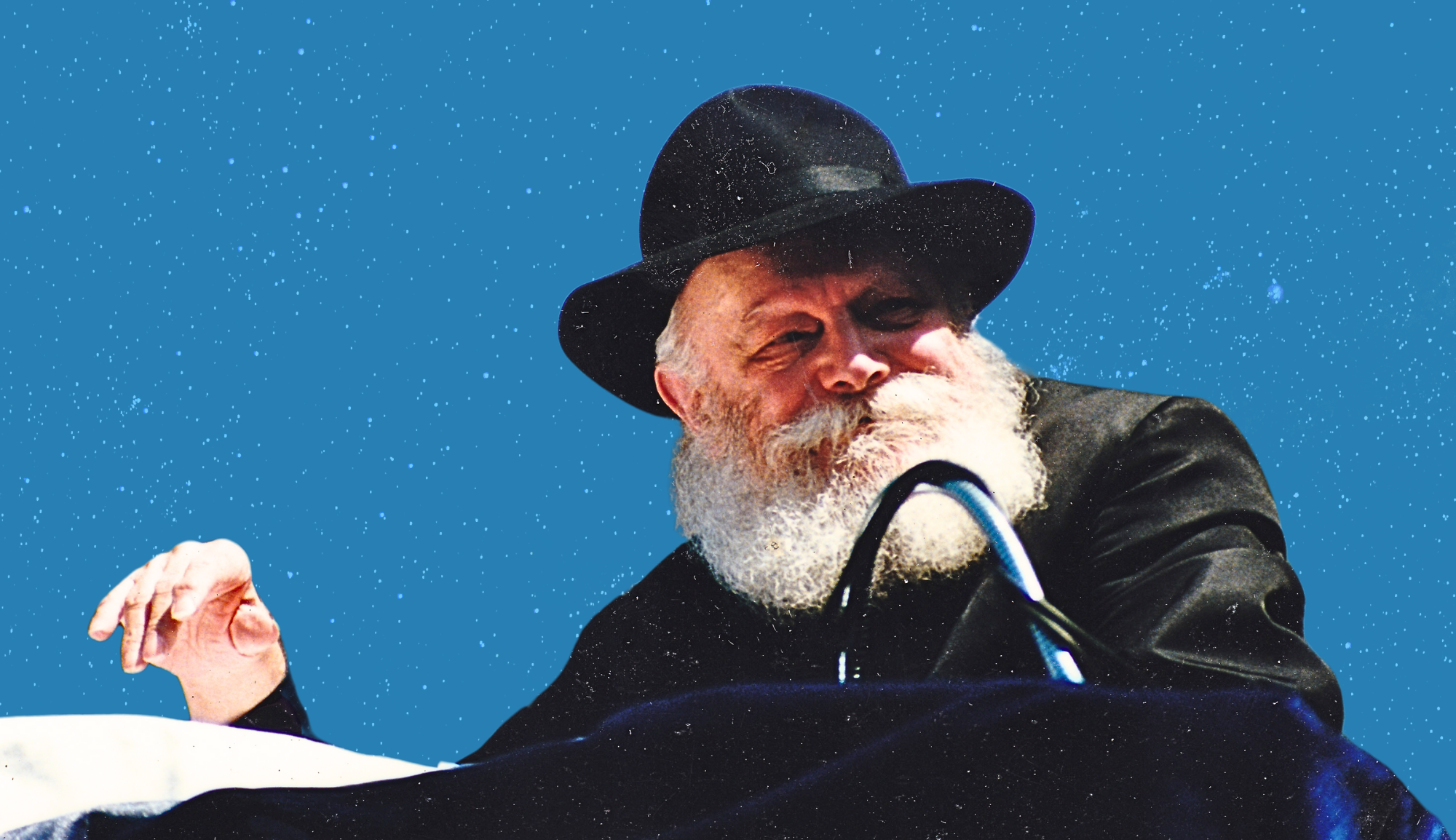
How the Lubavitcher Rebbe Teaches Us to Transcend Ourselves
I consider the Rebbe to be my personal teacher, and I find this teaching particularly relevant for us now.
Essays
Diving Into The World of Mysticism
Joy and meaning can be found not only despite the brokenness, but even because of the brokenness.

Essays
(What) Do Jews Believe About the Afterlife?
Christianity’s focus on the afterlife historically discouraged Jews from discussing it—but Jews very much believe in it.

Essays
‘Don’t Wait as Long as I Did’: Seven Stories of Aliyah
A 94-year-old Holocaust survivor, a lone soldier, and more. Here are seven olim sharing their stories of aliyah.
Essays
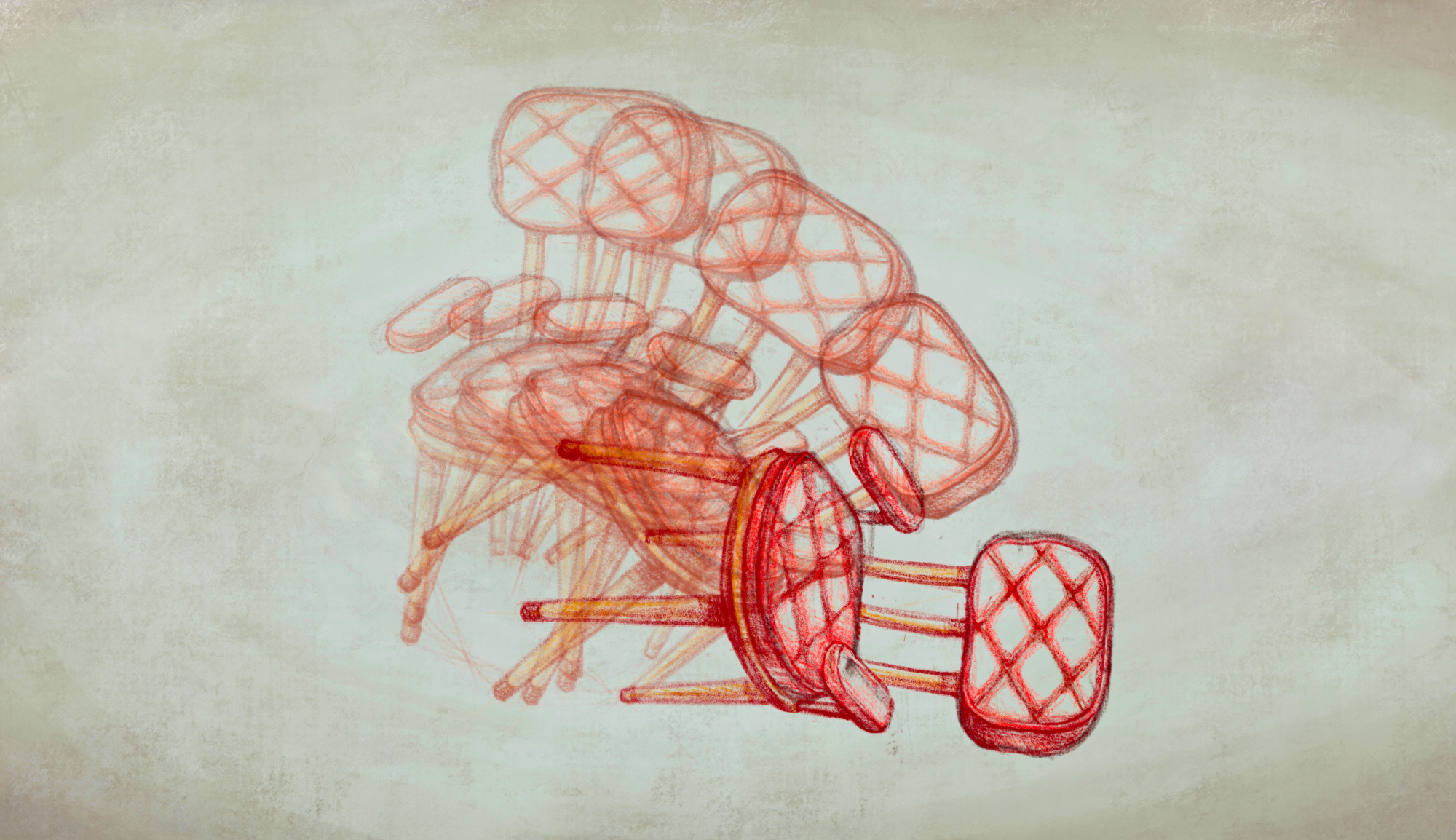
Do We Care Too Much? Furor Sanandi and Our Desire to Heal
From Freud through today, our desire to heal asks us to consider why we care so badly—and maybe if it’s hindering the…
Essays
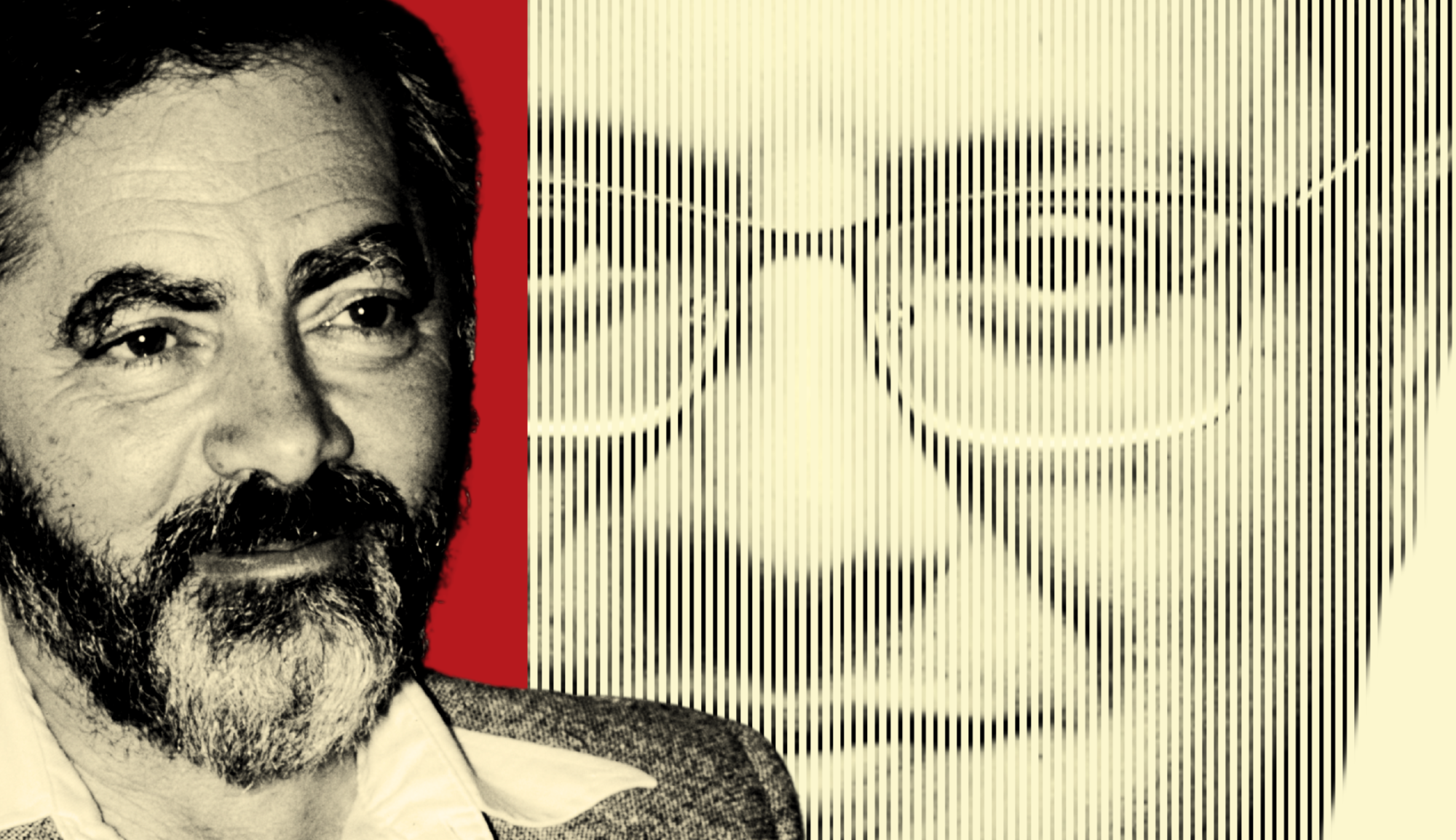
Why Is Meir Kahane Making a Comeback Among Orthodox Jews?
Israeli minister Itamar Ben-Gvir wears the mantle of Kahane in Israel. Many Orthodox Jews welcomed him with open arms.

Essays
This Might Be What Saves Us from AI
In Klara and the Sun, Kazuo Ishiguro asks us to reconsider what, if anything, separates humans from machines.

Essays
It’s Not About Kahane. Here’s Why Jews Support Ben-Gvir
Their motivations are not ideological extremism but a basic survival instinct to protect their families from the past’s failed paradigms.

Essays
Can Censorship Edit Our Past?
It isn’t only censorship that creates the narrative of our history, but it is every creative endeavor that we engage in.
Essays
How Archaeology Rewrote the History of Tefillin
From verses in Parshat Bo to desert caves, tefillin emerge as one of Judaism’s earliest embodied practices.

Essays
Can Morality Be Trained?
Silicon Valley promises ethical AI. But do we even know how to raise ethical children?

Essays
Your Guide to Reading Rav Kook
I’d advise reading Rav Kook as you would read a poem, with an eye less to the argument or claim he is…
Essays
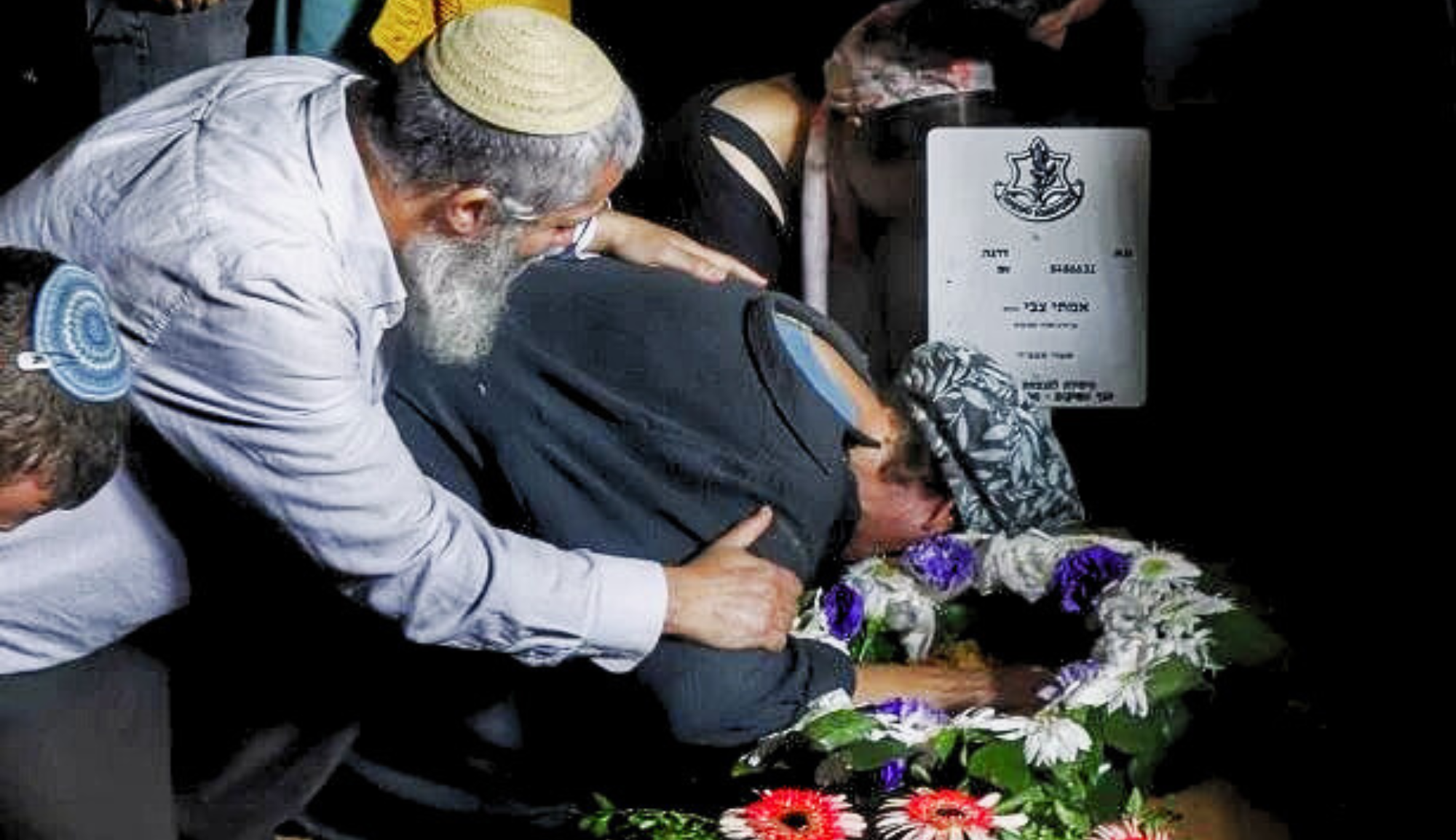
‘Are Your Brothers To Go to War While You Stay Here?’: On Haredim Drafting to the IDF
A Hezbollah missile killed Rabbi Dr. Tamir Granot’s son, Amitai Tzvi, on Oct. 15. Here, he pleas for Haredim to enlist into…
Recommended Videos


videos
Intergenerational Divergence
videos
YY Jacobson: The Teshuva of Coming Back to Yourself
In this episode of the 18Forty Podcast, we talk to Rabbi YY Jacobson, one of the foremost online teachers of Torah, about…

videos
Jonathan Rosenblum Answers 18 Questions on the Haredi Draft, Netanyahu, and a Religious State
Talking about the “Haredi community” is a misnomer, Jonathan Rosenblum says, and simplifies its diversity of thought and perspectives. A Yale-trained lawyer…
videos
Liel Leibovitz: Why the Talmud Is So Hard To Love—and Worth Loving
In this episode, Liel Leibovitz reflects on falling in love with the Talmud precisely because it is so difficult—and on how its…
videos
Why Naftuli Moster Left Haredi Education Activism
We speak with Naftuli Moster about how and why he changed his understanding of the values imparted by Judaism.

videos
Why Be a Believer?
We talk to author and theoretical physicist Berel Leib Epstein about rational reasons to choose to believe in Judaism and live a…
videos
Tania Friedlander: Teshuva and Becoming Capable of More
We talk to Tania Friedlander about how her husband’s Parkinson’s diagnosis challenged her expectations and taught her to become capable of more.
videos
Jewish Peoplehood
What is Jewish peoplehood? In a world that is increasingly international in its scope, our appreciation for the national or the tribal…
videos
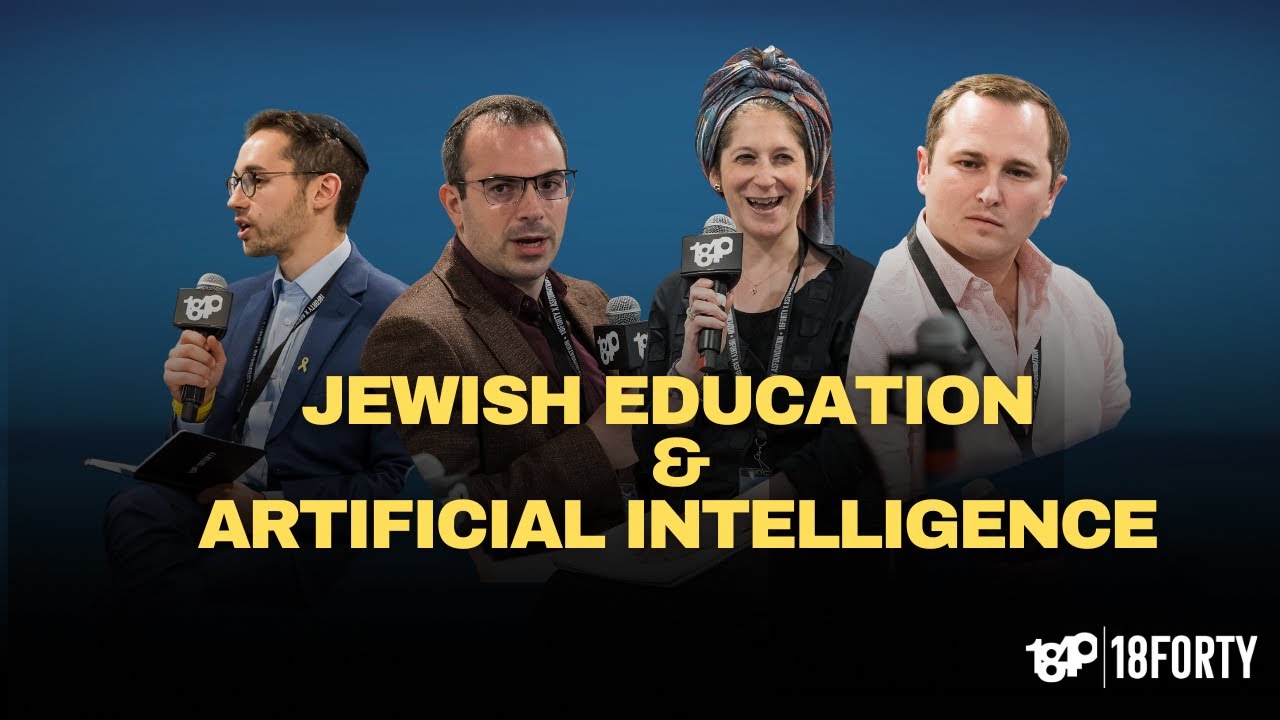
Torah Study and ChatGPT: How Should Jewish Education Respond to AI?
On this 18Forty panel, we speak with Alex Jakubowski of Lightning Studios, Sara Wolkenfeld of Sefaria, and Ari Lamm of BZ Media…
videos
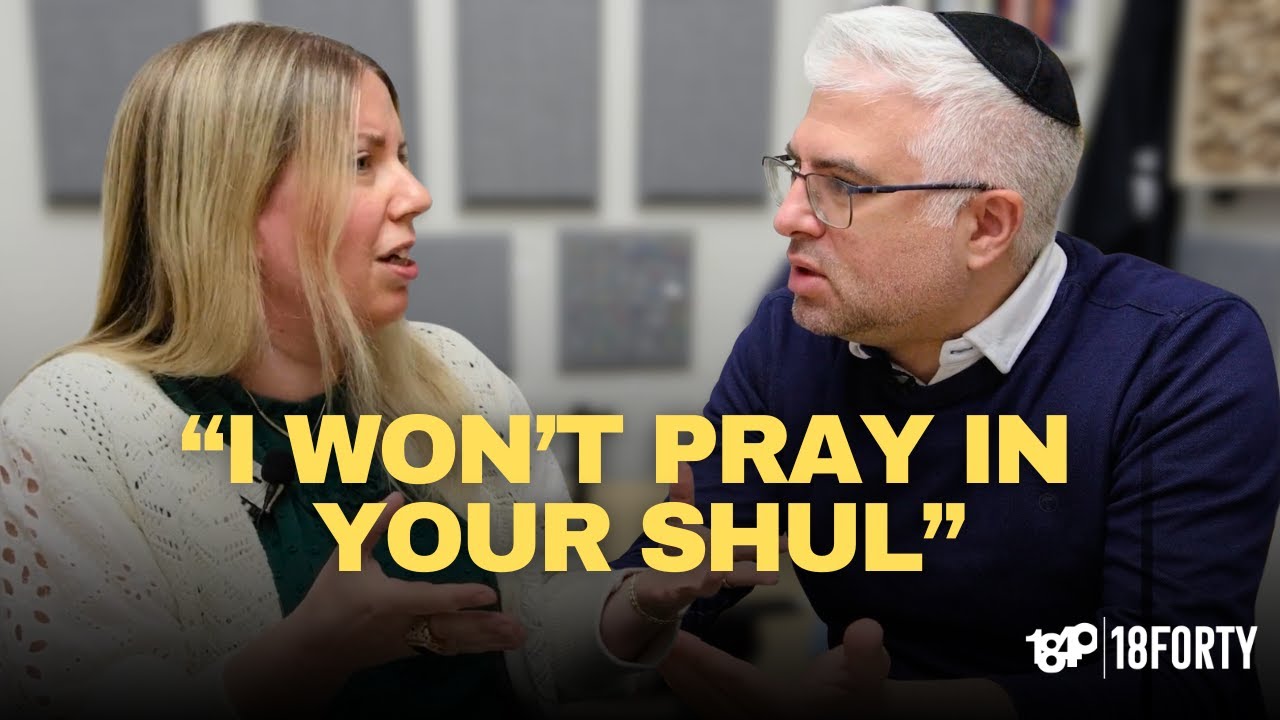
An Orthodox Rabbi Interviews a Reform Rabbi | Dovid Bashevkin & Diana Fersko
In this episode of the 18Forty Podcast, we speak with Diana Fersko, senior rabbi of the Village Temple Reform synagogue, about denominations…

videos
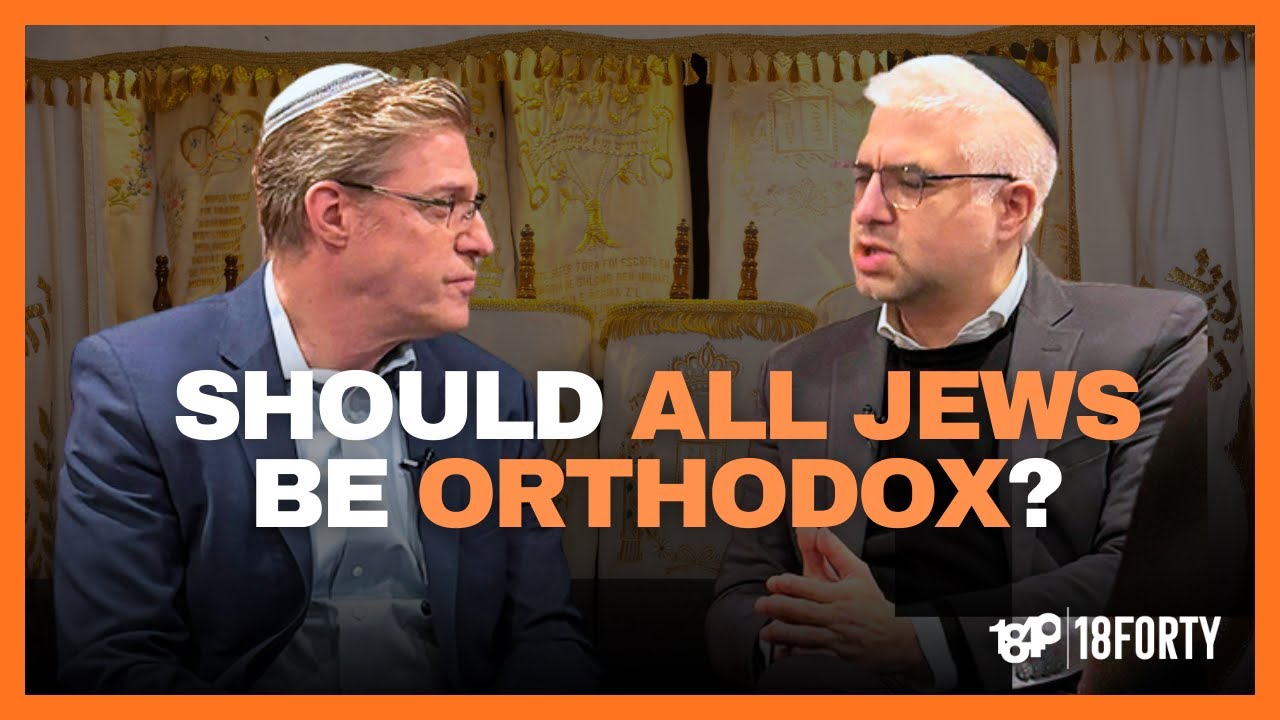
Is Modern Orthodox kiruv the way forward for American Jews? | Dovid Bashevkin & Mark Wildes
In this episode of the 18Forty Podcast, we speak with Mark Wildes, founder and director of Manhattan Jewish Experience, about Modern Orthodox…