What Wealth Means to Me
When I was growing up, I had no idea I lived in a…



What does wealth mean? We might understand the meaning of money on many levels, but we rarely consider the theological component, the religious. In recent years, the Jewish community has went through fundamental changes in its financial status. As individuals, many members of the same community are struggling like never before, even while communal standards…

Traditional Jewish law outlines three prayers to be said each day: Shacharis in…

We do not grow absolutely, chronologically. We grow sometimes in one dimension, and…

In this episode of the 18Forty Podcast, we talk to Mark Trencher – founder of Nishma Research – about finances in the Orthodox community.

In this episode of the 18Forty Podcast, we talk to Mark Trencher – founder of Nishma Research -…
In this episode of the 18Forty Podcast, we talk to Eli Langer and Zevy Wolman – hosts of…
In this episode of the 18Forty Podcast, we talk to Ari Bergmann – PhD and financier – about…
In this episode of the 18Forty Podcast, we talk to Marika Feuerstein about the life of her grandfather,…
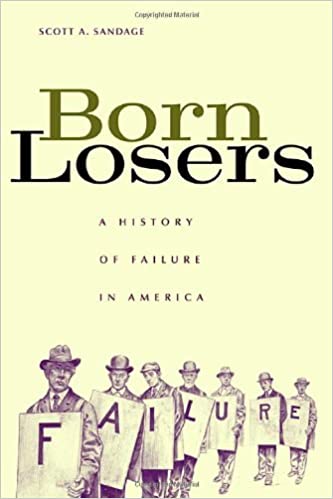
What makes someone a ‘loser’? In this book, Scott Sandage looks at the history of failure in America, from the earliest days of the republic until today. Through a deep look at the ephemera of one slice of the cultural history of America, Sandage considers what our attitudes and anxieties about failure say about what success means to us, and how we wrestle with our own perceived shortcomings. Sandage’s work on failure pairs well with another classic exploration of the topic, Kathryn Schulz’s Being Wrong: Adventures in the Margin of Error. Schulz’s work focuses less on our ideas about money and financial success than Sandage’s, but she tells the story of our relationship with the notion of rightness and wrongness with a lucidity and depth that make Being Wrong a deeply edifying read.
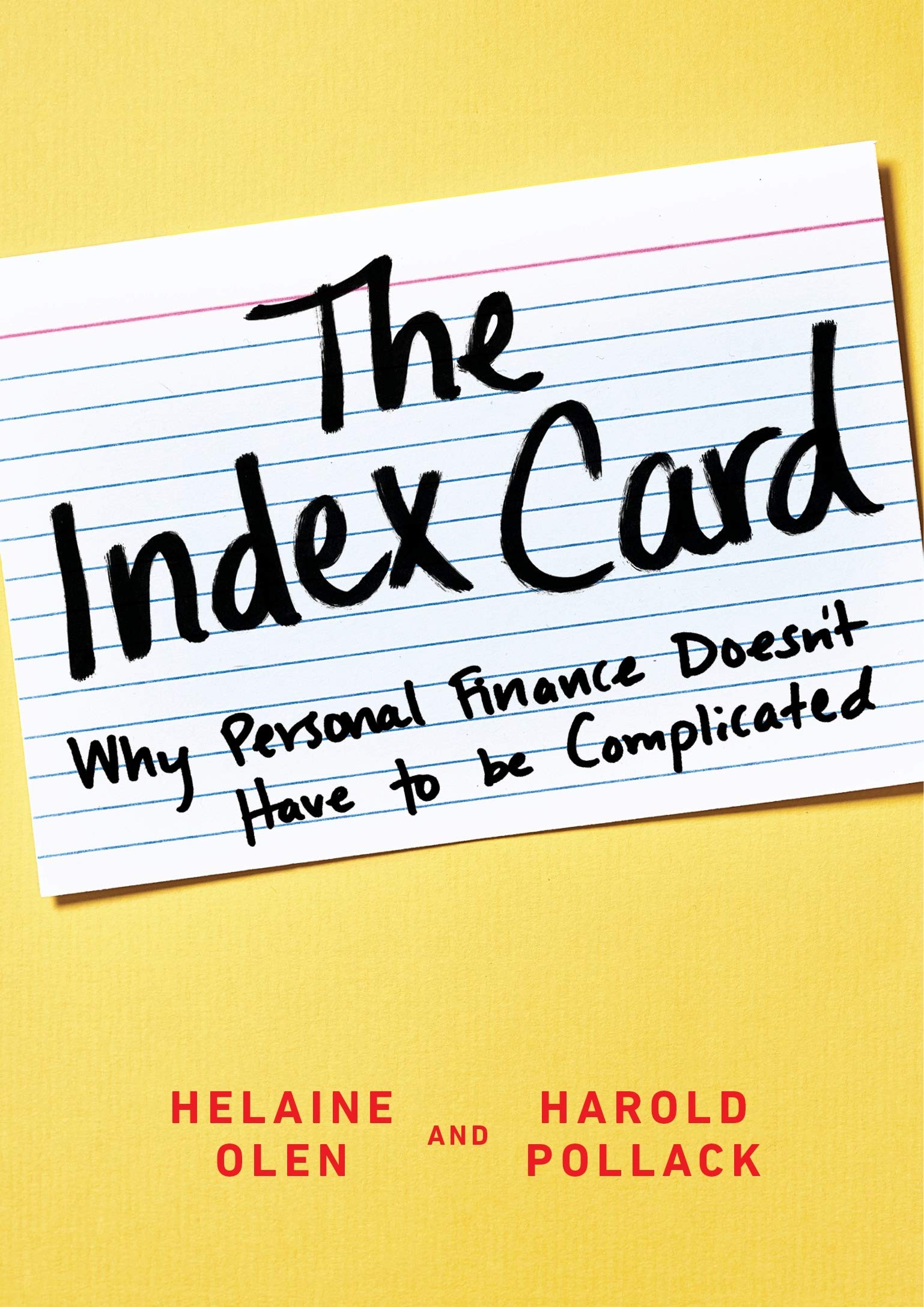
Does money have to be complicated? According to Helaine Olen and Harold Pollack, the answer is a surprising and resounding no, and this book is their clear-headed explanation on why that is. Pollack and Olen team up to offer ten simple rules of personal finance, with an eye towards practical and actionable insight. If The Index Card seems too light for you, Morgan Housel’s The Psychology of Money: Timeless lessons on wealth, greed, and happiness offers the famed investor’s own set of lessons on personal finance, with a somewhat more fleshy commentary that veers into advice on issues broader than finance at times. Each book offers a clear and clean set of thoughts on personal finance, and both are worth a read for anyone with a bank account, or those inspired to open one soon.
Success has many faces and navigating each at different stages of life can be deeply complicated. In this work, Rabbi Naftali Horowitz endeavors to help you find your way to a better understanding of your personal mission in life by drawing upon the wisdom of the ancient voice of the Torah. You Revealed pairs well with Wanting: The Power of Mimetic Desire in Everyday Life, a fascinating read on the dynamics of desire in our lives. Luke Burgis turns to the philosophy and psychology of mimetics, that which we want through or by imitation. He invites us to consider what shapes our wants, dreams, and hopes, and look more closely at what has modeled our understanding of success for us. Wanting is also an action-oriented work and Burgis offers more practical advice for how to engage more consciously with our…