
In ‘WandaVision,’ Timely Jewish Wisdom About Coping With Loss 

18Forty
Share
×

Share

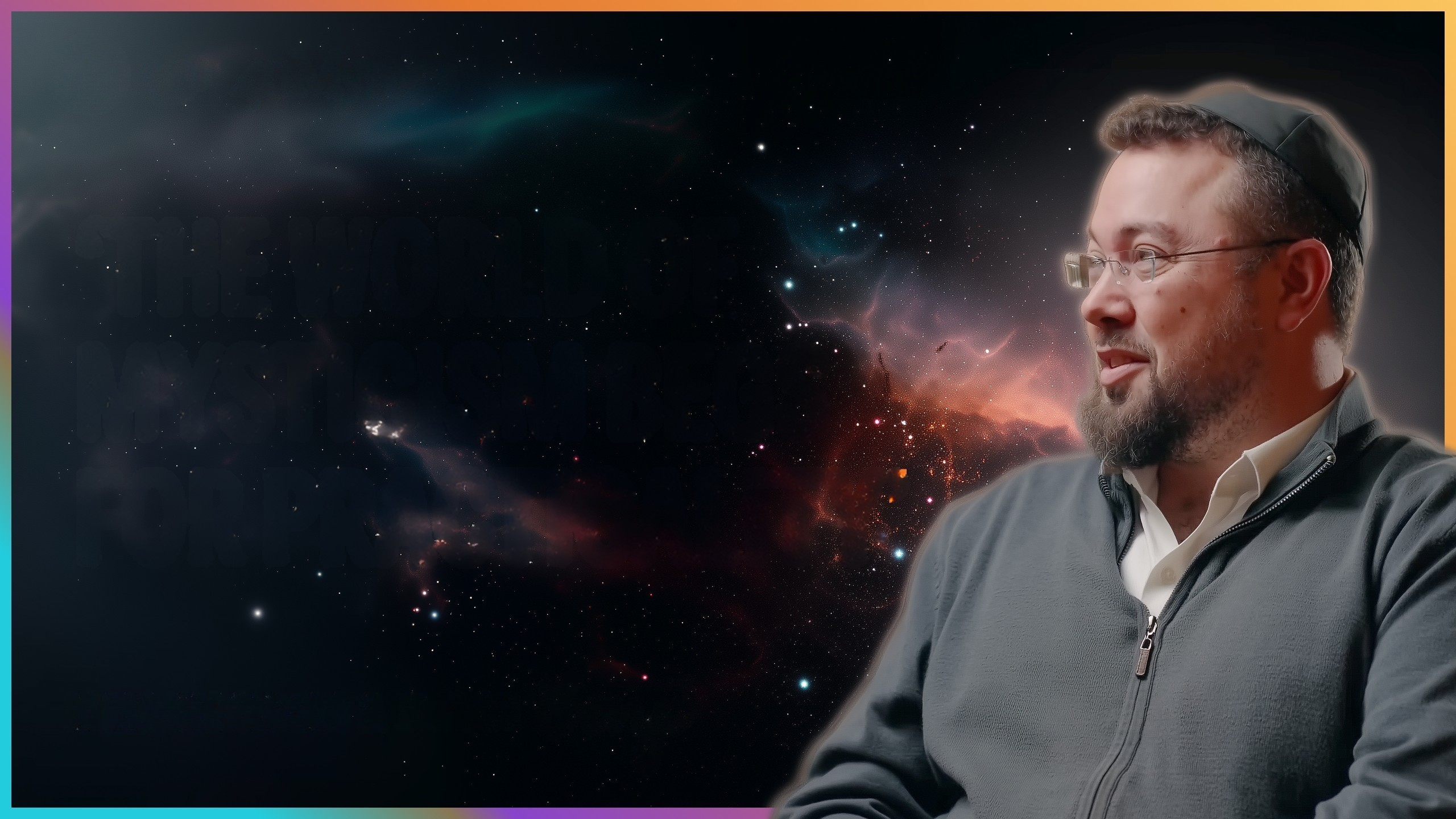
When Wanda Maximoff of the Marvel Cinematic Universe—known as the Scarlet Witch—was forced to kill the love of her life, she was traumatized. Vision, a synthetic being whom she fought alongside in many movies prior, meant the world to her. But to save the world, she had to destroy her own. In Marvel’s “WandaVision,” she used her superpowers to create a new reality for herself, one where she and Vision lived with twin sons, a vibrant community, and only laughs. Rabbi Shmuel Hain explains why that miniseries offers profound insight into the aftermath of loss—how we grieve and mourn what was. Grief, he tells us from the Marvel superhero and Judaism’s ancient rabbis, is just love persevering.


Read More at Tablet Magazine.

Recommended Essays

Essays

A (Talmud) Page is Worth a Thousand Worlds

Beyond the words of the page, the Talmud teaches just as much Jewish history as it does Jewish law, revealing new insights…

Essays

‘It’s Not Great’: What’s the Deal With Jewish Education?

Jewish students, parents, and educators weigh in about what helps, what hurts, and what we need to do.

Essays

‘The Crisis of Experience’: What Singlehood Means in a Married Community

I spent months interviewing single, Jewish adults. The way we think about—and treat—singlehood in the Jewish community needs to change. Here’s how.

Essays

3 Questions To Ask Yourself Whenever You Hear a Dvar Torah

Not every Jewish educational institution that I was in supported such questions, and in fact, many did not invite questions such as…

Essays

American Judaism is Falling Apart. We Have Ourselves to Blame

Until recently, I too found myself almost entirely estranged from Jewish tradition. My return is showing me what we need to do…

Essays

Benny Morris Has Thoughts on Israel, the War, and Our Future

We interviewed this leading Israeli historian on the critical questions on Israel today—and he had what to say.

Recommended Videos

videos

Moshe Gersht: ‘The world of mysticism begs for practicality’

Rabbi Moshe Gersht first encountered the world of Chassidus at the age of twenty, the beginning of what he terms his “spiritual…

videos

An Orthodox Rabbi Interviews a Reform Rabbi | Dovid Bashevkin & Diana Fersko

In this episode of the 18Forty Podcast, we speak with Diana Fersko, senior rabbi of the Village Temple Reform synagogue, about denominations…

videos

Is Modern Orthodox kiruv the way forward for American Jews? | Dovid Bashevkin & Mark Wildes

In this episode of the 18Forty Podcast, we speak with Mark Wildes, founder and director of Manhattan Jewish Experience, about Modern Orthodox…

videos

Moshe Benovitz: Why Religious Change Doesn’t Always Last

In this episode of the 18Forty Podcast, recorded live at Stern College, we speak with Rabbi Moshe Benovitz, director of NCSY Kollel,…

videos

The Hasidic Rebbe Who Left it All — And Then Returned

Why did this Hasidic Rebbe move from Poland to Israel, only to change his name, leave religion, and disappear to Los Angeles?

videos

A Reform Rabbi Interviews an Orthodox Rabbi | Dovid Bashevkin & Diana Fersko (Part 2)

In this episode of the 18Forty Podcast, David Bashevkin answers questions from Diana Fersko, senior rabbi of the Village Temple Reform synagogue,…

videos

Torah Study and ChatGPT: How Should Jewish Education Respond to AI?

On this 18Forty panel, we speak with Alex Jakubowski of Lightning Studios, Sara Wolkenfeld of Sefaria, and Ari Lamm of BZ Media…

videos

A Vulnerable Conversation About Shame, Selfhood, & Authenticity with Shais Taub & David Bashevkin

In this episode of the 18Forty Podcast, we speak with Shais Taub, the rabbi behind the organization SoulWords, about shame, selfhood, and…

videos

Rachel Goldberg-Polin and Jon Polin: How Torah Gives Us Faith and Hope

In this special Simchas Torah episode of the 18Forty Podcast, we speak with Rachel Goldberg-Polin and Jon Polin—parents of murdered hostage Hersh…

videos

Sarah Yehudit Schneider: ‘Jewish mysticism is not so different from any mysticism’

Rabbanit Sarah Yehudit Schneider believes meditation is the entryway to understanding mysticism.