
What Should We Believe About Torah?

David Bashevkin
Share
×

Share

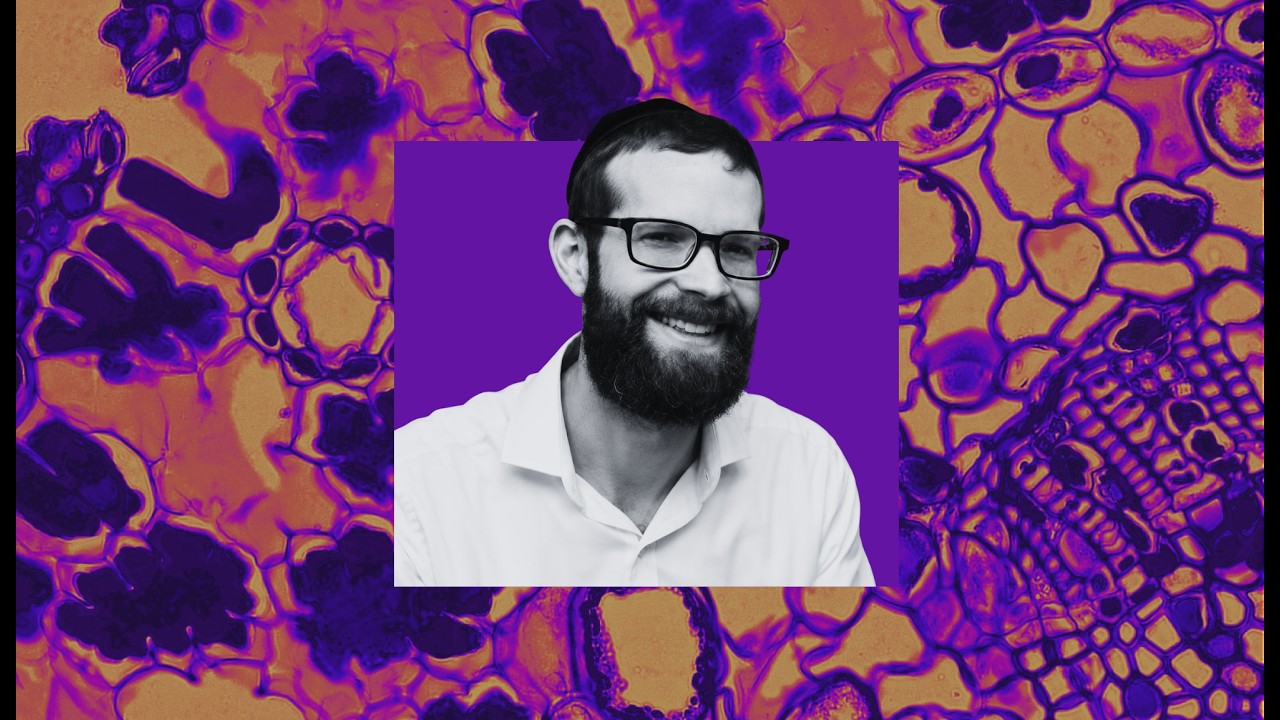
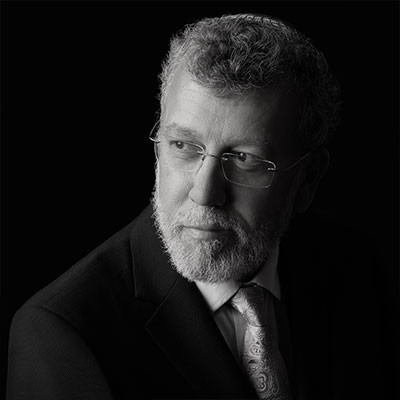
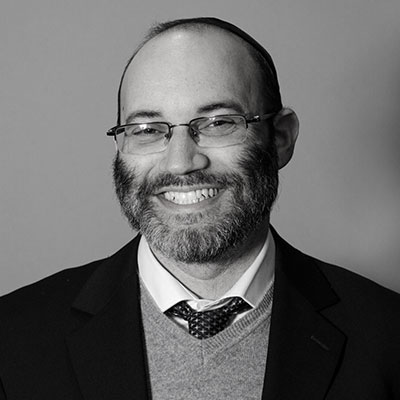
However you navigate this issue, Professor Joshua Berman’s approach is crucial to consider. He is an accomplished academic in the field, whose new book, Ani Maamin, confronts the question of Biblical criticism in light of traditional Jewish thought.

Dr. Berman’s thought and perspective are far-reaching, and he engages deeply with the limits of Biblical criticism. He has noted that his research is particularly critical in the contemporary era, as the walls around religious communities that were once tall enough to protect those inside from dangerous areas have crumbled. People too often learn about these topics—topics that deal with fundamental issues of religious belieffrom the Internet and grow disillusioned by the lack of perspective provided by their own education. In facing these issues, Joshua comments that “people with deep emotional commitments to tradition veer off to simplistic beliefs, and people who are more intellectually inclined give up on finding how tradition speaks to them.” He wrote Ani Maamin to present another option.

Joshua offers a perspective that thinks through Biblical criticism from both the religious perspective and the academic perspective. He spent eight years studying Torah in Yeshivat Har Etzion in the Gush, studied religion at Princeton University, and went on to receive a doctorate in Biblical studies from Bar-Ilan University, where he is now a professor. His parents did not grow up Orthodox, and Joshua chose a life of observance, which is strikingly important to his point of view:

This is important for understanding this book because my whole life has been spent examining the tradition from within and without, and I had to find a way of dealing with challenging issues because my acceptance of observance was a choice.

With the particular perspective of the insider-outsider, his religious knowledge, and his academic erudition, Dr. Joshua Berman is well placed to engage with the questions of Biblical criticism. He has his sights set on nothing less than “returning honesty to its central place in our Orthodoxy as we stand before the Almighty in all realms … an Orthodoxy that embraces the world in which the Almighty has placed us, here and now.” This is a religious life that faces questions head on, with openness and courage.

Tune in to this podcast with Joshua Berman.
Recommended Essays

Essays

A (Talmud) Page is Worth a Thousand Worlds

Beyond the words of the page, the Talmud teaches just as much Jewish history as it does Jewish law, revealing new insights…

Essays

‘It’s Not Great’: What’s the Deal With Jewish Education?

Jewish students, parents, and educators weigh in about what helps, what hurts, and what we need to do.

Essays

‘The Crisis of Experience’: What Singlehood Means in a Married Community

I spent months interviewing single, Jewish adults. The way we think about—and treat—singlehood in the Jewish community needs to change. Here’s how.

Essays

3 Questions To Ask Yourself Whenever You Hear a Dvar Torah

Not every Jewish educational institution that I was in supported such questions, and in fact, many did not invite questions such as…

Essays

American Judaism is Falling Apart. We Have Ourselves to Blame

Until recently, I too found myself almost entirely estranged from Jewish tradition. My return is showing me what we need to do…

Essays

Benny Morris Has Thoughts on Israel, the War, and Our Future

We interviewed this leading Israeli historian on the critical questions on Israel today—and he had what to say.

Recommended Videos

videos

Jonathan Rosenblum Answers 18 Questions on the Haredi Draft, Netanyahu, and a Religious State

Talking about the “Haredi community” is a misnomer, Jonathan Rosenblum says, and simplifies its diversity of thought and perspectives. A Yale-trained lawyer…

videos

A Vulnerable Conversation About Shame, Selfhood, & Authenticity with Shais Taub & David Bashevkin

In this episode of the 18Forty Podcast, we speak with Shais Taub, the rabbi behind the organization SoulWords, about shame, selfhood, and…

videos

Shlomo Pill: When a Rabbi Doctor Struggles With Addiction In this episode of the 18Forty Podcast, we talk to rabbi, attorney, and…

videos

Why Be a Believer?

We talk to author and theoretical physicist Berel Leib Epstein about rational reasons to choose to believe in Judaism and live a…

videos

Jewish Peoplehood

What is Jewish peoplehood? In a world that is increasingly international in its scope, our appreciation for the national or the tribal…

videos

18Forty: Exploring Big Questions (An Introduction)

18Forty is a new media company that helps users find meaning in their lives through the exploration of Jewish thought and ideas.…

videos

Moshe Benovitz: Why Religious Change Doesn’t Always Last

In this episode of the 18Forty Podcast, recorded live at Stern College, we speak with Rabbi Moshe Benovitz, director of NCSY Kollel,…

videos

Why Naftuli Moster Left Haredi Education Activism

We speak with Naftuli Moster about how and why he changed his understanding of the values imparted by Judaism.

videos

The Five Questions

What is the Zohar — and why has it captivated mystics, scholars, and seekers for nearly a thousand years?

videos

Moshe Weinberger: ‘The Jewish People are God’s shofar’

In order to study Kabbalah, argues Rav Moshe Weinberger, one must approach it with humility.

videos

The Hasidic Rebbe Who Left it All — And Then Returned

Why did this Hasidic Rebbe move from Poland to Israel, only to change his name, leave religion, and disappear to Los Angeles?

videos

Julia Senkfor & Cameron Berg: Does AI Have an Antisemitism Problem?

In this episode of the 18Forty Podcast—recorded at the 18Forty X ASFoundation AI Summit—we speak with ASF’s Julia Senkfor and AI researcher…

videos

Torah Study and ChatGPT: How Should Jewish Education Respond to AI?

On this 18Forty panel, we speak with Alex Jakubowski of Lightning Studios, Sara Wolkenfeld of Sefaria, and Ari Lamm of BZ Media…