How to Prep for Talmud Daily
I Read This Over Shabbos is a weekly newsletter from Rivka Bennun Kay…


The Talmud is a chaotic text with a few frustrations. When you open to the first page, it assumes that you’ve already read the whole thing. Its logical path is a non-linear patchwork of discussion across time and space. Some of its resolutions feel like deus ex machinas. While the Talmud has many possible interpretations,…


Starting August 24, 2026, Jews from every background will come together for 18Forty’s Talmud Daily — a new 40-week program designed to make the Talmud accessible and part of everyday life. Almost 1,500 people already signed up, and we’d love for you…
I Read This Over Shabbos is a weekly newsletter from Rivka Bennun Kay…
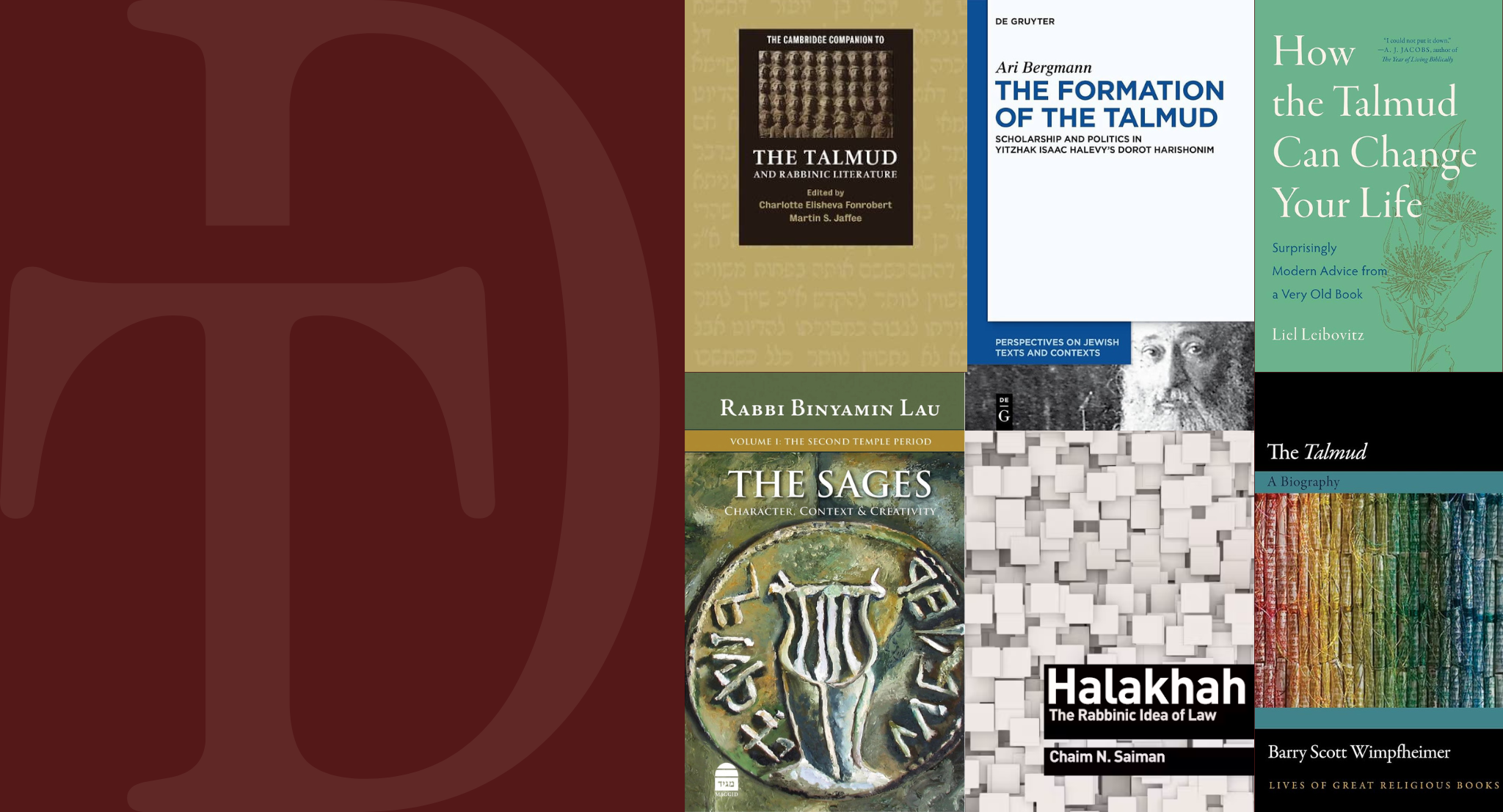
Perhaps more than a collection of laws, each Talmud page is a gathering…

There is circularity that underlies nearly all of rabbinic law. Open up the…

Before you open a page of Gemara, meet the people, ideas, and arguments that make the Talmud worth opening.
The Talmud is a compendium of Rabbinic literature dating back to the fifth century. Where did it come from and who gave the Rabbis the power they held?
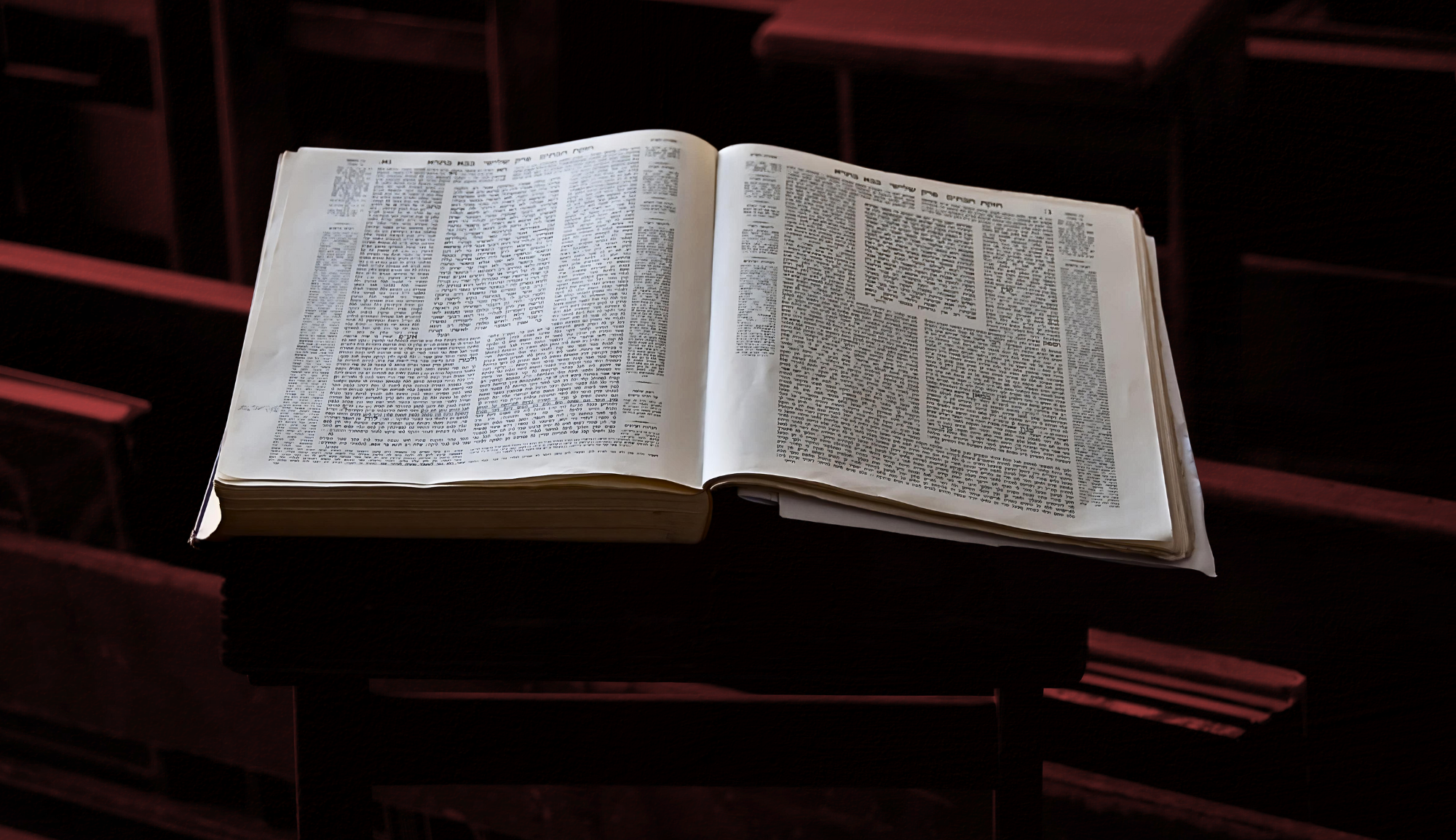
The Talmud is complicated and difficult to decipher. Is there a method to the madness? How can we benefit from it by understanding it better?
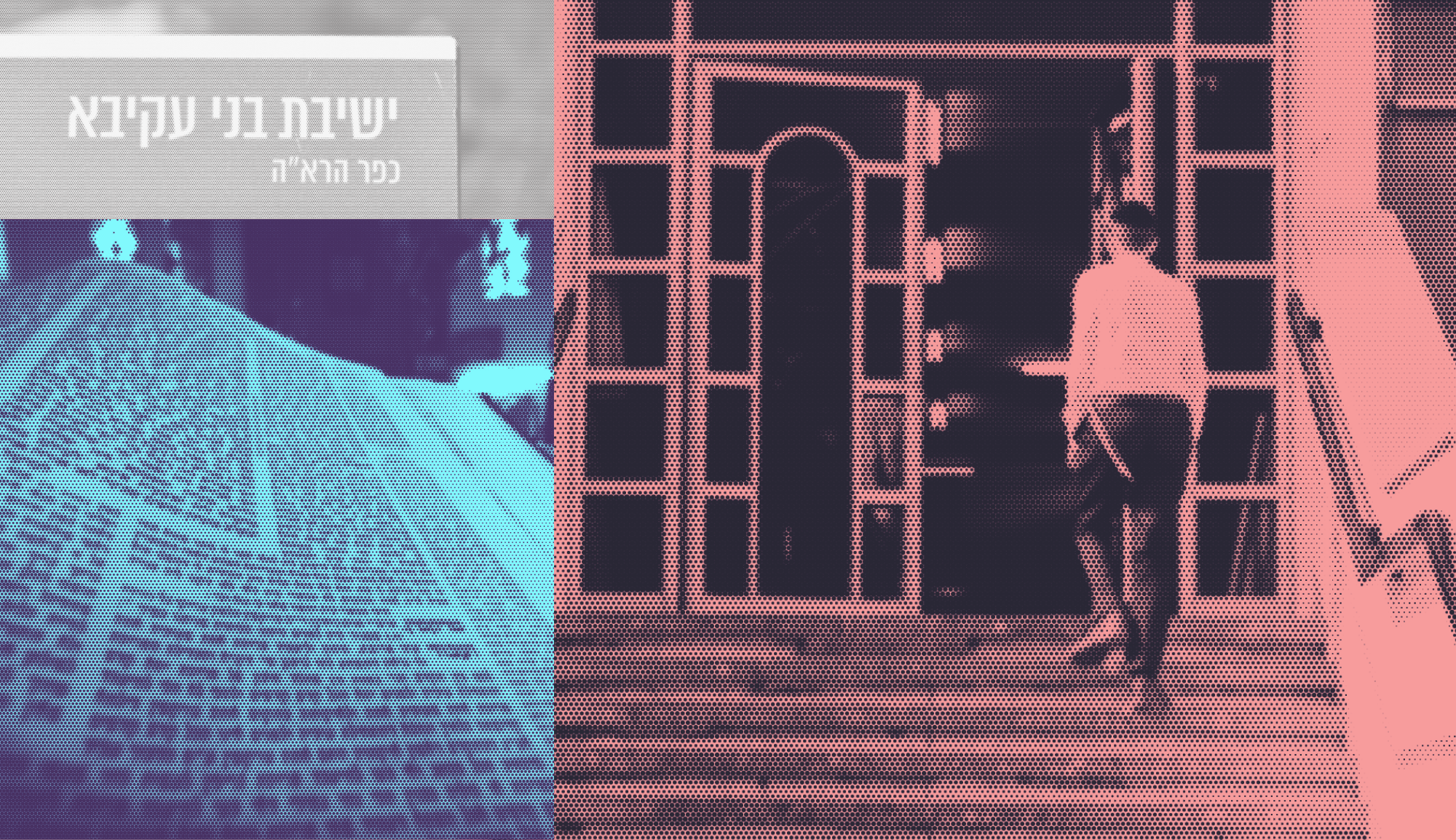
Seeing the Talmud as an archaic legal text undermines the rich value and significance it holds. But how much does it still influence modern society?
Beyond the words of the page, the Talmud teaches just as much Jewish history as it does Jewish law, revealing new insights into our intergenerational past.
Why start here? In a brief opening thought, David explains the role of Talmud in finding meaning amid chaos.
In this episode, David discusses the formation and character of the Talmud…
In this episode, David discusses the mystifying qualities of the Talmud and…
In this episode, David and special guest, Michelle Chesner, Columbia University’s Norman…
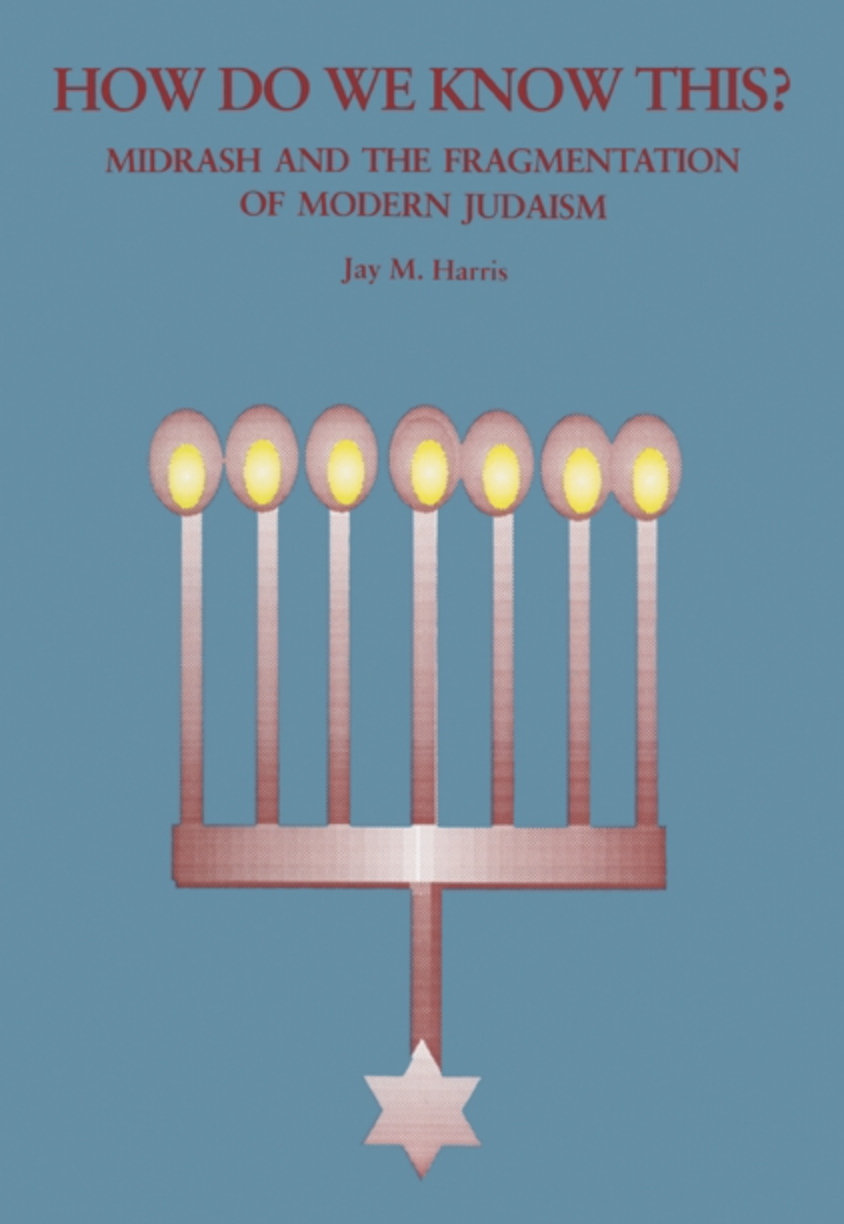
This is an academic book that approaches a fairly simple question. As it’s title suggest, the book aims to understand, “How do we know this?” Harris states the question more emphatically in his introduction: “Who could honestly believe that Scripture intended to prohibit selling cheeseburgers when it said, ‘Do not seethe a kid in its mother’s milk.” The book discusses the different responses to this question throughout rabbinic history, as well as the underlying textual assumptions of those who responded to this issue. The book remains fairly agnostic about which approach is correct but does an admirable job of outlining the various approaches.
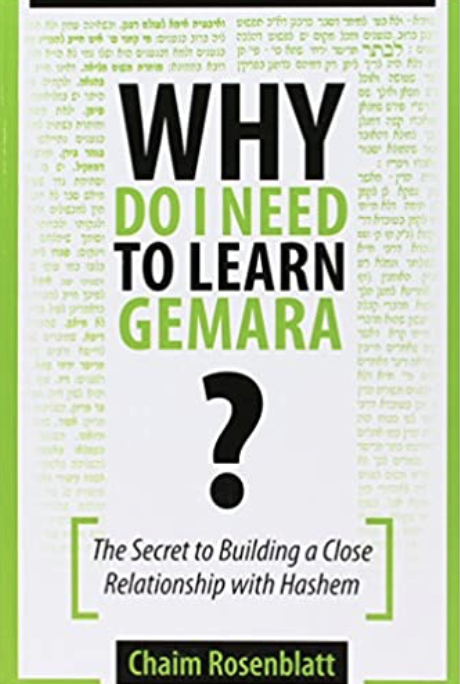
Educators have long debated how to introduce Talmud to first time students. Some call it “the mind of God.” I think it’s probably closer to “the mind of the Jewish people.” This book approaches the question with an idiosyncratic approach laden with traditional theological terminology. I don’t always love the way he interprets or expresses the answer, but I love the underlying question. It’s a worthwhile read.