

I Read This Over Shabbos is a weekly newsletter from Rivka Bennun Kay about Jewish book culture, book recommendations, and modern ideas. Receive this free newsletter every week in your inbox by subscribing here. Questions, comments, or feedback? Email Rivka at Shabbosreads@18forty.org.
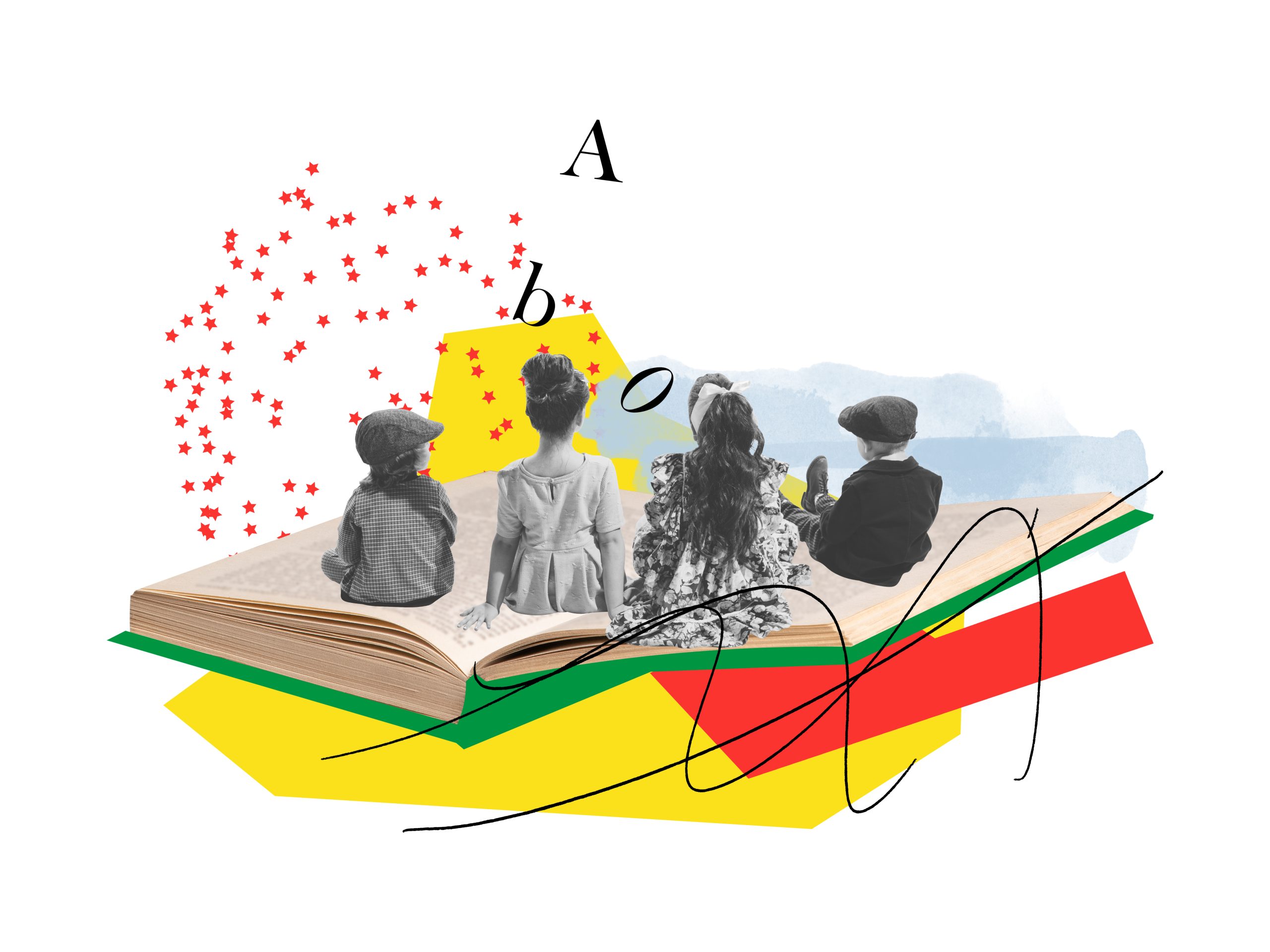
These days, everyone wants to be a storyteller. A quick glance at LinkedIn and Instagram bios reveals, among a host of other self-proclaimed titles, storyteller as a common denominator. And who can blame them? In 2025, over 70,000 job listings included the term “storyteller.” That same year, executives used the term 479 times on investor calls, a jump from 359 times in 2024.
Our obsession with stories is nothing new. As Kathryn Jezer-Morton notes in her new book The Story of Your Life: How Social Media Shapes the Way We Experience Everything, they’ve been around since the dawn of our species, whether they were etched in stone, written on scrolls, or typed on screens. Stories, she writes, “help us situate ourselves within our communities. They reflect our anxieties and project our fantasies. They are how we learn to cope with loneliness and find our way through suffering.” Put more succinctly, stories give shape to the parts of ourselves that ordinary language struggles to contain.
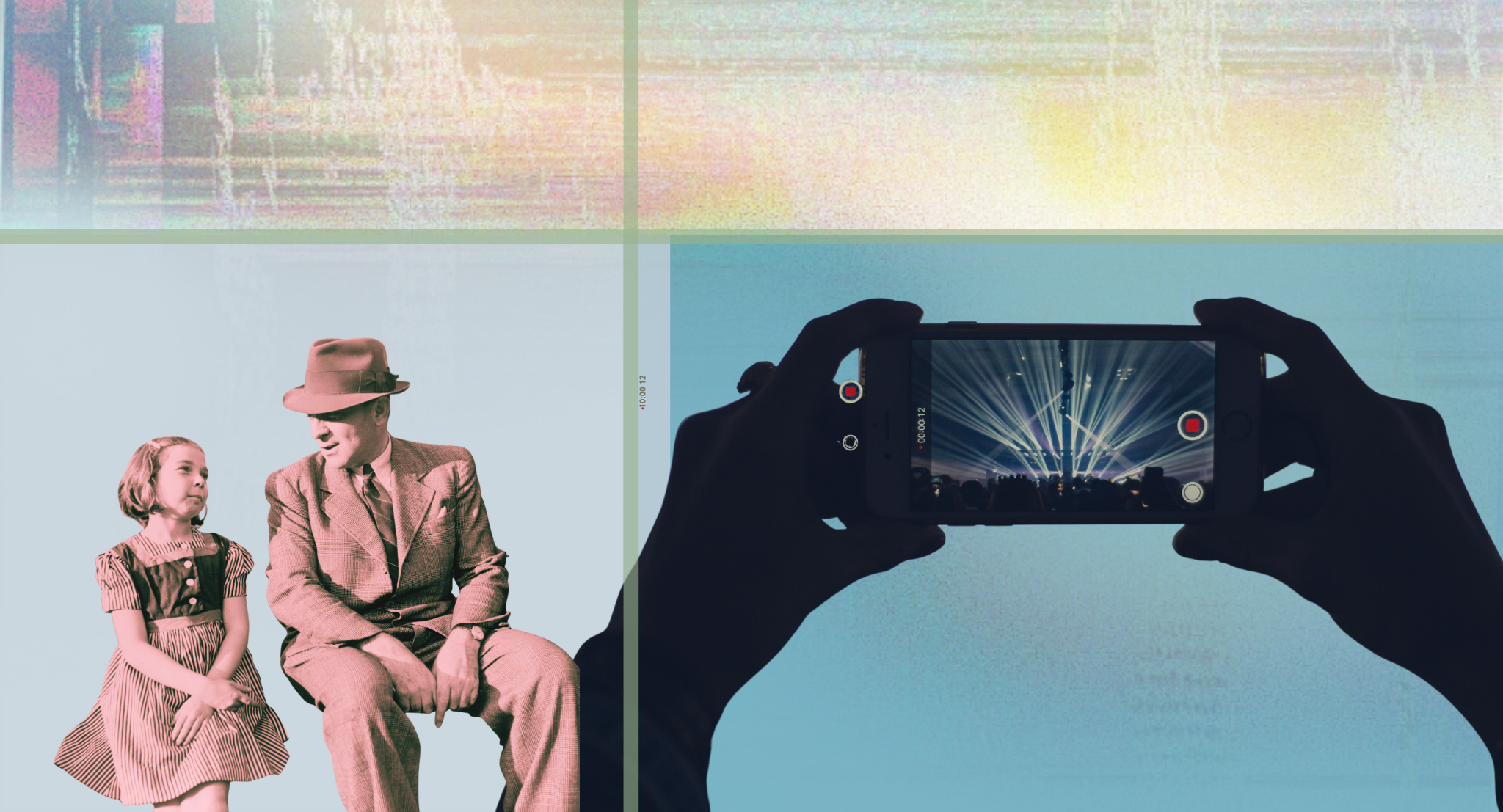
But the way we tell stories, Jezer-Morton warns, is changing, in large part thanks to social media’s built-in pressure to narrativize and emplot all that we do.
On one end of the social media storytelling spectrum is the imperative to demonstrate ongoing success in our lives, what sociologist Eva Illouz calls “emotional capitalism.” A good life increasingly needs to produce evidence that it is being lived well. Vacations are seen as opportunities for the ordinary person to show just how fun, exciting, and adventurous they really are. Decorating one’s home now communicates the tasteful life one has built. Weddings and births are turned into episodic seasons, with each milestone documented until the climactic culmination that signals a new, rewarding familial identity. Social media, which used to be about posting daily updates no matter how mundane (oh, how I miss the old days of Twitter), is now a digital ledger of how fulfilling our lives are.
And when life does not line up so neatly, another cultural pressure takes over. Jezer-Morton argues that social media privileges the West’s dominant master narrative of redemption and triumph. It creates a need to show we are succeeding even when we are not, in fact, succeeding. So we take our struggles and turn them into arcs of obsessive growth and self-improvement, documented in the recognizable pattern of failure, transformation, redemption, and, finally, a new self. The catch? Failure and struggle can be admitted only after the new self has emerged, thus maintaining the image of constant growth and success.
Jewish life is hardly exempt from these narrative pressures, and it is not hard to find these patterns on Jewish social media. Shabbat preparation is almost tailor-made for the emotionally capitalistic world of social media: fresh challah coming out of the oven; the beautifully set table; a spiritual high as the candles are lit. Whether the background music is a rowdy house full of children or a calming instrumental Ishay Ribo tune, the message is the same: “I have succeeded in producing a warm, meaningful, and fulfilling Shabbat home.”
The Jewish world has also fully embraced the West’s master narrative of redemption. An influencer grows up with one vision of Jewish marriage and family, struggles to bring that vision into reality, and adapts to tell a new, more fulfilling story. Another battles addiction or self-doubt, gets help and overcomes the challenge, and emerges with a more authentic sense of self and public mission, usually related to their Jewish faith. A religious thinker narrates anxiety, dating, failure, or spiritual doubts only to emerge as a more well-rounded Jewish self.
And it’s not just influencers; we all do this, Jewish or non-Jewish. Everything has become a journey: our careers, our dating life, our religious practice. And they all end with a renewal, a lesson of gratitude, a takeaway. Even our toughest years must amount to something.
None of this is to suggest that the participants in this culture are being disingenuous. Jezer-Morton is quite charitable in her analysis, understanding that the way people connect and tell stories has changed, and this is the new form of expression, especially to the younger generations. Nor is my point to question the authenticity of the Jewish lives being shared online. While there are of course bad actors (just like with anything), social media has democratized how Judaism is shared, expressed, and taught, bringing in new voices who provide legitimate meaning to audiences across all spectrums.
But that does not mean there is no risk or cost to this type of storytelling. At best, this makes life and culture exhausting and stale, a treadmill of never-ending self-marketing cosplaying as progress baked into recycled imagery. At worst, it creates a hyperreal environment, where everything that does not fit on a smartphone screen is ignored or, perhaps worse, not even shared. If it’s not a good story, you must be doing something wrong.
There is, however, another strand of Jewish life that sits in tension with the narrative pressures we face today. In the introduction to Ein Yaakov, Rabbi Jacob ibn Habib cites a Midrash in which three rabbis argue about which verse best encapsulates the Torah. The winning verse is “One lamb you shall offer in the morning, and the second lamb you shall offer in the afternoon” from Bamidbar 28:4, which is in reference to the Korban Tamid, the daily Temple sacrifice. It’s a strange choice. This is the verse that beats out Shema Yisroel and “Love thy neighbor”?
Yes, Judaism has its influencers and grand narratives of creation, exile, and redemption, but to Rabbi Jacob ibn Habib, that is not what defines our people. Rather, it is consistency, the daily, repeated, often uneventful acts of worship, obligation, and practice, that serve as the foundation of Jewish life.
Jezer-Morton would call these acts “flat stories,” “stories that might be marked by ambivalence or difficulty but also have joy and optimism.” They include everything from getting a promotion at your unrevolutionary job to practicing a skill or hobby simply for the enjoyment of it. They have ups and downs, highs and lows, and provide meaning even when the experience does not build to something grand.
The rhythms of Jewish practice offer a similar storytelling structure. We sacrifice the Korban Tamid every morning and every night, commemorating it in our prayers now that the Temple is gone. Shabbat comes every seven days, regardless of how ready we are for it. The Talmud wanders and meanders, oftentimes refusing the quick and clear resolutions social media demands. Even Yom Kippur, the climax of the High Holiday season, does not end with a redeemed or condemned final self. Minutes after Neilah we are back at Maariv, asking God once again to forgive us.
What Judaism does, through its meticulous code of laws governing every aspect of life, is provide a framework to live a meaningful life–even when the story does not culminate in a meaningful lesson. This does not mean that your story does not go anywhere. Odds are, it goes in all directions at once, lacking a clear trajectory. But maybe we need a more modest term than storytelling to put in our bios. Maybe we can just say we are simply living.