

How Do Morality And Values Guide Jewish Law?
Each month, you will read one book, engage in a weekly discussion board, and join Shlomo Brody for a live session.
Introduction from Rabbi Shlomo Brody.
This 3-Month Book Journey will explore the dynamics of religious values, moral tensions within Jewish law, and Jewish law’s own confrontation with modernity. You will encounter the fundamental elements behind how Jewish law operates, develops, and manifests—both in theory and in practice


A Fun, Interactive, and Enriching Experience.
This 3-Month Book Journey will explore the dynamics of religious values, moral tensions within Jewish law, and Jewish law’s own confrontation with modernity. You will encounter the fundamental elements behind how Jewish law operates, develops, and manifests—both in theory and in practice
We’ll Read 3 Books in 3 Months

Kathryn Schulz
Being Wrong: Adventures in the Margins of Error
How Do Morality And Values Guide Jewish Law? Each month, you will read one book, engage in a weekly discussion board, and join Shlomo Brody for a live session. Introduction from Rabbi Shlomo Brody. This 3-Month Book Journey will explore the dynamics of religious values, moral tensions within Jewish law, and Jewish law’s own confrontation…
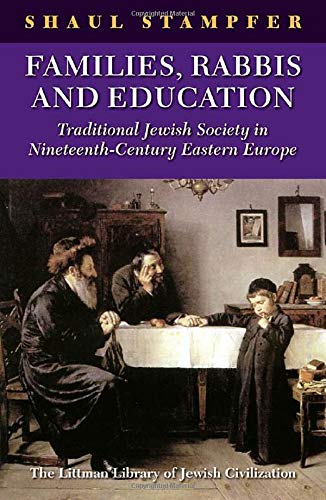
Shaul Stampfer
Families, Rabbis and Education: Essays on Traditional Jewish Society in Eastern Europe
How Do Morality And Values Guide Jewish Law? Each month, you will read one book, engage in a weekly discussion board, and join Shlomo Brody for a live session. Introduction from Rabbi Shlomo Brody. This 3-Month Book Journey will explore the dynamics of religious values, moral tensions within Jewish law, and Jewish law’s own confrontation…
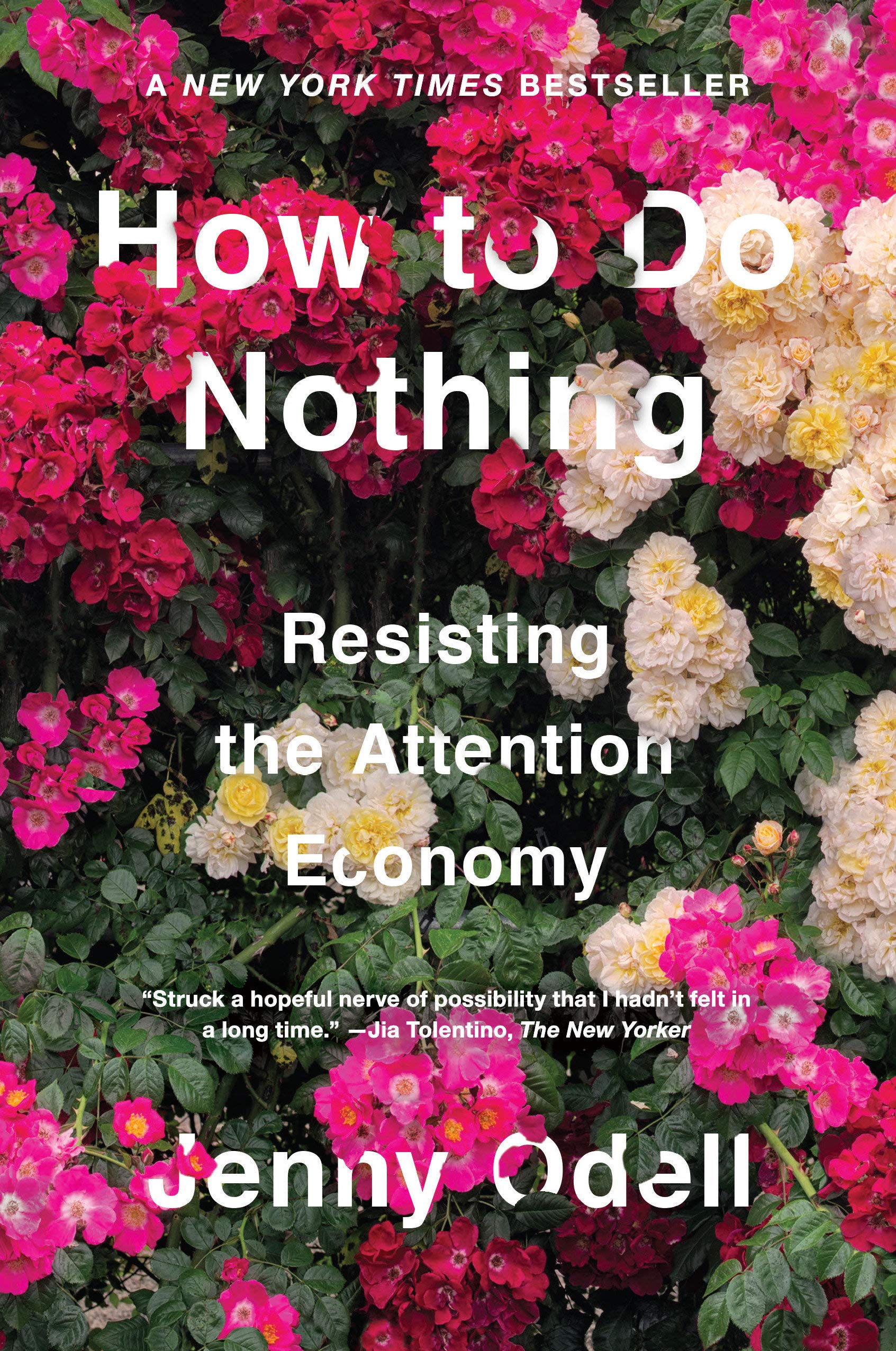
Jenny Odell
How to Do Nothing: Resisting the Attention Economy
How Do Morality And Values Guide Jewish Law? Each month, you will read one book, engage in a weekly discussion board, and join Shlomo Brody for a live session. Introduction from Rabbi Shlomo Brody. This 3-Month Book Journey will explore the dynamics of religious values, moral tensions within Jewish law, and Jewish law’s own confrontation…

We’ll Answer 3 Central Questions
1
Title goes here
Lorem ipsum dolor sit amet consectetur adipiscing eli mattis sit phasellus mollis sit al. iLorem ipsum dolor sit amet consectetur adipiscing eli mattis sit phasellus mollis sit ali.
2
Title goes here
Lorem ipsum dolor sit amet consectetur adipiscing eli mattis sit phasellus mollis sit al. iLorem ipsum dolor sit amet consectetur adipiscing eli mattis sit phasellus mollis sit ali.
3
Title goes here
Lorem ipsum dolor sit amet consectetur adipiscing eli mattis sit phasellus mollis sit al. iLorem ipsum dolor sit amet consectetur adipiscing eli mattis sit phasellus mollis sit ali.
Learn More About This Journey
A Book Journey can refer to a few different concepts depending on the context, but it generally describes the process or experience of creating, publishing, and sharing a book. Here are a few interpretations of what a “Book Journey” might mean:
- The Author’s Journey: This refers to the path an author takes from the initial idea or inspiration for a book, through the writing process, to editing, revising, and finally publishing. It might also include the author’s journey of promoting the book and interacting with readers.
- The Book’s Journey from Creation to Reader: This interpretation looks at the life of a book from the moment it’s written until it reaches readers. It includes the writing process, the editing and publishing stages, distribution, and how the book travels across different formats (e.g., hardback, e-book, audiobook) and reaches various audiences.
- A Reader’s Journey with a Book: This refers to the experience a reader has with a book. It’s the personal and emotional journey a reader embarks on when reading a book, from the initial attraction to the book to the impact it has on them. It can also reflect the experience of reading multiple books in a series or exploring a specific genre or theme.
- Book Journey in a Literary or Educational Context: In a classroom or literary setting, a “Book Journey” might describe a program or curriculum where readers or students follow a book through different phases, like discussion, interpretation, analysis, and connection to other works.
- Publishing or Literary Marketing: Some people might use “Book Journey” to describe the steps and milestones a book goes through in terms of marketing, reviews, book signings, and getting attention from the right audience.
In essence, a Book Journey is often about how a book travels through its creation, distribution, and reception, whether you’re looking at it from the author’s, reader’s, or publisher’s point of view.
The materials you’ll need for a Book Journey depend on which aspect of the journey you’re focusing on. Below are materials you’ll need based on different stages of the process:
1. If You Are an Author Writing and Publishing a Book:
Writing the Book:
- Writing Tools:
- Computer, laptop, or tablet (with writing software like Microsoft Word, Scrivener, or Google Docs).
- Paper and pens/pencils for brainstorming or jotting down ideas.
- A notebook or journal for outlining, plotting, and character development.
- Research Materials:
- Books, articles, or online resources related to your topic or genre (if applicable).
- Interviews or data for nonfiction works.
Editing and Revising:
- Editing Tools:
- Editing software like Grammarly, ProWritingAid, or Hemingway.
- A professional editor (optional, but often necessary for a polished product).
- Feedback from beta readers or critique partners.
Design and Publishing:
- Book Cover Design:
- Graphic design software (like Canva, Adobe InDesign, or Photoshop) if you plan to design it yourself.
- Or, hire a professional cover designer.
- Formatting Tools:
- Book formatting software like Scrivener, Vellum, or Reedsy for proper layout (especially for e-books and print formatting).
- ISBN:
- A unique ISBN number for your book (can be obtained through platforms like Bowker or by using services that provide them).
- Publishing Platform:
- If self-publishing, you’ll need a platform like Amazon KDP, IngramSpark, or Draft2Digital.
- If traditionally publishing, materials like a query letter or book proposal (if submitting to agents or publishers).
Marketing & Distribution:
Press kit, promotional graphics, and sample chapters for outreach.
Website or Author Platform:
A personal website or blog to promote your book.
Social media accounts (Facebook, Instagram, Twitter, etc.) for outreach.
Book Launch Materials:
Email list and newsletter services (like MailChimp or ConvertKit).
An 18Forty Book Journey is a three-month immersive learning experience designed to explore profound Jewish topics through curated readings and discussions. Each journey focuses on a central theme, guiding participants through selected books, weekly discussion boards, and monthly live Zoom sessions led by subject matter experts. This initiative fosters community, deepens understanding, and encourages thought-provoking conversations among learners.
The length of a Book Journey can vary greatly depending on the specific stage you’re referring to and the type of book being created. Below are some general time frames for different parts of the journey:
Writing the Book:
This can take anywhere from a few months to several years, depending on the book’s complexity, length, and how much time the author dedicates to writing. For instance:
Shorter books (novellas, non-fiction, etc.) may take a few months to a year.
Longer novels or more complex works (like historical fiction or research-heavy non-fiction) can take 1-3 years or more.
Editing and Revising:
A few weeks to a few months. This phase can vary based on how much editing is needed (self-editing, professional editing, feedback from beta readers, etc.).
A Book Journey can refer to a few different concepts depending on the context, but it generally describes the process or experience of creating, publishing, and sharing a book. Here are a few interpretations of what a “Book Journey” might mean:
- The Author’s Journey: This refers to the path an author takes from the initial idea or inspiration for a book, through the writing process, to editing, revising, and finally publishing. It might also include the author’s journey of promoting the book and interacting with readers.
- The Book’s Journey from Creation to Reader: This interpretation looks at the life of a book from the moment it’s written until it reaches readers. It includes the writing process, the editing and publishing stages, distribution, and how the book travels across different formats (e.g., hardback, e-book, audiobook) and reaches various audiences.
- A Reader’s Journey with a Book: This refers to the experience a reader has with a book. It’s the personal and emotional journey a reader embarks on when reading a book, from the initial attraction to the book to the impact it has on them. It can also reflect the experience of reading multiple books in a series or exploring a specific genre or theme.
- Book Journey in a Literary or Educational Context: In a classroom or literary setting, a “Book Journey” might describe a program or curriculum where readers or students follow a book through different phases, like discussion, interpretation, analysis, and connection to other works.
- Publishing or Literary Marketing: Some people might use “Book Journey” to describe the steps and milestones a book goes through in terms of marketing, reviews, book signings, and getting attention from the right audience.
In essence, a Book Journey is often about how a book travels through its creation, distribution, and reception, whether you’re looking at it from the author’s, reader’s, or publisher’s point of view.
The materials you’ll need for a Book Journey depend on which aspect of the journey you’re focusing on. Below are materials you’ll need based on different stages of the process:
1. If You Are an Author Writing and Publishing a Book:
Writing the Book:
- Writing Tools:
- Computer, laptop, or tablet (with writing software like Microsoft Word, Scrivener, or Google Docs).
- Paper and pens/pencils for brainstorming or jotting down ideas.
- A notebook or journal for outlining, plotting, and character development.
- Research Materials:
- Books, articles, or online resources related to your topic or genre (if applicable).
- Interviews or data for nonfiction works.
Editing and Revising:
- Editing Tools:
- Editing software like Grammarly, ProWritingAid, or Hemingway.
- A professional editor (optional, but often necessary for a polished product).
- Feedback from beta readers or critique partners.
Design and Publishing:
- Book Cover Design:
- Graphic design software (like Canva, Adobe InDesign, or Photoshop) if you plan to design it yourself.
- Or, hire a professional cover designer.
- Formatting Tools:
- Book formatting software like Scrivener, Vellum, or Reedsy for proper layout (especially for e-books and print formatting).
- ISBN:
- A unique ISBN number for your book (can be obtained through platforms like Bowker or by using services that provide them).
- Publishing Platform:
- If self-publishing, you’ll need a platform like Amazon KDP, IngramSpark, or Draft2Digital.
- If traditionally publishing, materials like a query letter or book proposal (if submitting to agents or publishers).
Marketing & Distribution:
Press kit, promotional graphics, and sample chapters for outreach.
Website or Author Platform:
A personal website or blog to promote your book.
Social media accounts (Facebook, Instagram, Twitter, etc.) for outreach.
Book Launch Materials:
Email list and newsletter services (like MailChimp or ConvertKit).
An 18Forty Book Journey is a three-month immersive learning experience designed to explore profound Jewish topics through curated readings and discussions. Each journey focuses on a central theme, guiding participants through selected books, weekly discussion boards, and monthly live Zoom sessions led by subject matter experts. This initiative fosters community, deepens understanding, and encourages thought-provoking conversations among learners.
The length of a Book Journey can vary greatly depending on the specific stage you’re referring to and the type of book being created. Below are some general time frames for different parts of the journey:
Writing the Book:
This can take anywhere from a few months to several years, depending on the book’s complexity, length, and how much time the author dedicates to writing. For instance:
Shorter books (novellas, non-fiction, etc.) may take a few months to a year.
Longer novels or more complex works (like historical fiction or research-heavy non-fiction) can take 1-3 years or more.
Editing and Revising:
A few weeks to a few months. This phase can vary based on how much editing is needed (self-editing, professional editing, feedback from beta readers, etc.).
A Book Journey can refer to a few different concepts depending on the context, but it generally describes the process or experience of creating, publishing, and sharing a book. Here are a few interpretations of what a “Book Journey” might mean:
- The Author’s Journey: This refers to the path an author takes from the initial idea or inspiration for a book, through the writing process, to editing, revising, and finally publishing. It might also include the author’s journey of promoting the book and interacting with readers.
- The Book’s Journey from Creation to Reader: This interpretation looks at the life of a book from the moment it’s written until it reaches readers. It includes the writing process, the editing and publishing stages, distribution, and how the book travels across different formats (e.g., hardback, e-book, audiobook) and reaches various audiences.
- A Reader’s Journey with a Book: This refers to the experience a reader has with a book. It’s the personal and emotional journey a reader embarks on when reading a book, from the initial attraction to the book to the impact it has on them. It can also reflect the experience of reading multiple books in a series or exploring a specific genre or theme.
- Book Journey in a Literary or Educational Context: In a classroom or literary setting, a “Book Journey” might describe a program or curriculum where readers or students follow a book through different phases, like discussion, interpretation, analysis, and connection to other works.
- Publishing or Literary Marketing: Some people might use “Book Journey” to describe the steps and milestones a book goes through in terms of marketing, reviews, book signings, and getting attention from the right audience.
In essence, a Book Journey is often about how a book travels through its creation, distribution, and reception, whether you’re looking at it from the author’s, reader’s, or publisher’s point of view.
The materials you’ll need for a Book Journey depend on which aspect of the journey you’re focusing on. Below are materials you’ll need based on different stages of the process:
1. If You Are an Author Writing and Publishing a Book:
Writing the Book:
- Writing Tools:
- Computer, laptop, or tablet (with writing software like Microsoft Word, Scrivener, or Google Docs).
- Paper and pens/pencils for brainstorming or jotting down ideas.
- A notebook or journal for outlining, plotting, and character development.
- Research Materials:
- Books, articles, or online resources related to your topic or genre (if applicable).
- Interviews or data for nonfiction works.
Editing and Revising:
- Editing Tools:
- Editing software like Grammarly, ProWritingAid, or Hemingway.
- A professional editor (optional, but often necessary for a polished product).
- Feedback from beta readers or critique partners.
Design and Publishing:
- Book Cover Design:
- Graphic design software (like Canva, Adobe InDesign, or Photoshop) if you plan to design it yourself.
- Or, hire a professional cover designer.
- Formatting Tools:
- Book formatting software like Scrivener, Vellum, or Reedsy for proper layout (especially for e-books and print formatting).
- ISBN:
- A unique ISBN number for your book (can be obtained through platforms like Bowker or by using services that provide them).
- Publishing Platform:
- If self-publishing, you’ll need a platform like Amazon KDP, IngramSpark, or Draft2Digital.
- If traditionally publishing, materials like a query letter or book proposal (if submitting to agents or publishers).
Marketing & Distribution:
Press kit, promotional graphics, and sample chapters for outreach.
Website or Author Platform:
A personal website or blog to promote your book.
Social media accounts (Facebook, Instagram, Twitter, etc.) for outreach.
Book Launch Materials:
Email list and newsletter services (like MailChimp or ConvertKit).
An 18Forty Book Journey is a three-month immersive learning experience designed to explore profound Jewish topics through curated readings and discussions. Each journey focuses on a central theme, guiding participants through selected books, weekly discussion boards, and monthly live Zoom sessions led by subject matter experts. This initiative fosters community, deepens understanding, and encourages thought-provoking conversations among learners.
The length of a Book Journey can vary greatly depending on the specific stage you’re referring to and the type of book being created. Below are some general time frames for different parts of the journey:
Writing the Book:
This can take anywhere from a few months to several years, depending on the book’s complexity, length, and how much time the author dedicates to writing. For instance:
Shorter books (novellas, non-fiction, etc.) may take a few months to a year.
Longer novels or more complex works (like historical fiction or research-heavy non-fiction) can take 1-3 years or more.
Editing and Revising:
A few weeks to a few months. This phase can vary based on how much editing is needed (self-editing, professional editing, feedback from beta readers, etc.).

Start Your Journey Now
Coming Soon…