Begin exploring
today’s 
biggest Jewish
questions…

×
  • Topics

    Most Popular Topics

    • Artificial Intelligence
    • Jewish Outreach
    • Israel & Diaspora
    • 18 Questions, 40 Israeli Thinkers
    • Denominations
    • Mental Health
    • Israel at War

    View all

    All Topics

    • Prayer & Humanity
    • Zionism
    • Jewish Education
    • Romance & Commitment
    • Origins of Judaism
    • Books, Books, Books
    • Abuse in Our Community
    • Halacha
    • Wealth
    • Is Religion Rational?
    • Shabbos
    • Teshuva
    • Summer Unwind
    • Loss
    • Censorship
    • Agunah Crisis
    • Intergenerational Divergence
    • God
    • Why 1840?
    • Social Justice
    • Science & Religion

    View all

  • Discover

    Podcasts

    Essays

    Guests

    Videos

    Swag Shop

    Popular for Discover

    • Elissa Felder & Sonia Hoffman: How the Jewish Burial Society Cares for the Dead
    • Shlomo Brody & Beth Popp: Demystifying Death and the End of Life
    • Michael Oren: ‘We are living in biblical times’
    • Micah Goodman: ‘I don’t want Gaza to become our Vietnam’

    View All Podcasts

    OTD: Leaving Religion

    Ayala Fader: How Do Haredi Jews Deal With Religious Doubt?

    18 Questions, 40 Israeli Thinkers

    Jonathan Rosenblum: ‘Would you want to live in a country run by Haredim?’
  • Book Culture

    Book Joureys

    • How Do Morality And Values Guide Jewish Law?
    • ‘Anti-Zionism is an existential threat to the Jewish People’

    Shabbos Reads

    • Books, Books, Books
    • I Read This Over Shabbos on X

    FEATURED BOOK

    How Do Morality And Values Guide Jewish Law?

    FEATURED BOOK

    ‘Anti-Zionism is an existential threat to the Jewish People’
  • About

    About us

    Who we are

    Submissions

    Contact us

    Donate

    WHY 18
    Forty

    The year 1840 was a turning point: the Industrial Revolution peaked, the Damascus Affair sparked Jewish unity, and modernity opened new paths for enlightenment. Mystics called it the moment that “the gates of wisdom would open.” For us, 1840 is a symbol of how global upheaval can lead to a reimagined world. Today, we face another “1840 moment”—troubled by tech disruption, mental health crises, and declining faith—that calls for bold questions, timeless sensitivity, and modern sensibilities. That’s what 18Forty is here to explore.

  • Donate
Subscribe
Donate
Home / Topics / Halacha

Halacha

This month, we are exploring the topic of halacha. Halacha is many things to many people: a language, a process, a set of laws that are freeing and challenging to different groups of people. We will be thinking together with you about the journey of halacha in contemporary life, guided by several guests with whom…

  • Essays

    What Halacha Means to Me

    My relationship to halacha was undoubtedly shaped by the journey of my father.…
    David Bashevkin
    What Halacha Means to Me

Halacha

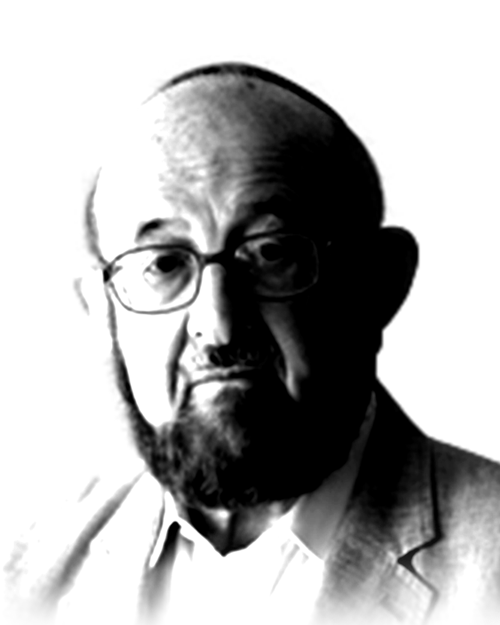
Rabbi Dr. Haym Soloveitchik: The Rupture and Reconstruction of Halacha

In this episode of 18Forty Podcast, we had the privilege of speaking with Professor Haym Soloveitchik, University Professor of Jewish Studies at Yeshiva University.
01:20

podcast

Rabbi Dr. Haym Soloveitchik: The Rupture and Reconstruction of Halacha

In this episode of 18Forty Podcast, we had the privilege of speaking with Professor Haym Soloveitchik, University Professor of Jewish…

01:40

podcast

Dr. Moshe Koppel: Halacha as a Language

In this episode, we sit down with Dr. Moshe Koppel, professor of computer science at Bar-Ilan University to discuss some…

01:24

podcast

Dr. Tamara Morsel-Eisenberg: Discovering Your Halachic Story

In this episode of the 18Forty Podcast, we talk to Dr. Tamara Morsel-Eisenberg – historian and Junior Fellow…

01:23

podcast

Rabbi Aryeh Lebowitz: A Healthy Relationship with Halacha

In this episode of the 18Forty Podcast, we talk to Rabbi Aryeh Lebowitz, the director of semicha at…

book

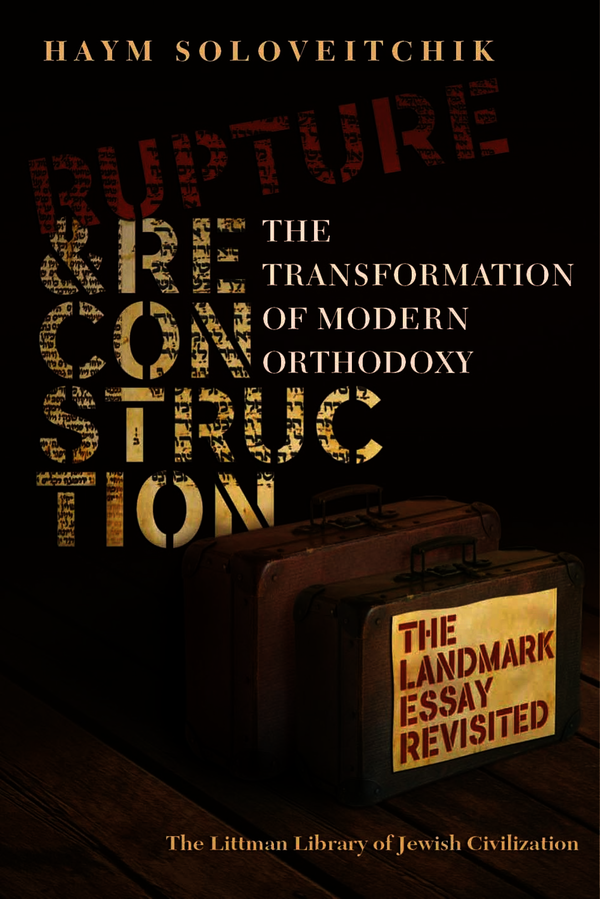
Rupture and Reconstruction: The Transformation of Modern Orthodoxy

This foundational text seeks to understand the shifts in our understanding and practice of halacha that occurred in the world of observant Judaism over the last century. Soloveitchik, a lucid and compelling writer, sees in the break from the old world to the new a shift from a mimetic tradition to a textual tradition, as people moved from learning in and of the home to learning from texts. This is a must-read, and one that offers criticism, commentary, and fascinating insight into how change in a community is reflected by changes in our attitudes towards halacha.

Buy on Amazon

book

The Narrow Halakhic Bridge

Halacha serves as a bridge between our highest ideals and the reality of the world, through the Torah’s guidance. What happens when a dizzying pace of progress and change disrupt our understanding of our world? Personal freedom and autonomy are values with a contemporary cultural currency that is weightier than ever before, which complicates and challenges our relationship with normative halachic structures and systems. The Narrow Halakhic Bridge journeys through the firm and flexible aspects of halacha, studying the scholarship of the past to ultimately offer a vision for a halacha of the future. This deeply interesting read pairs well with David Silverberg’s Jewish Law As a Journey: Finding Meaning in Daily Jewish Practice, which seeks to provide a meaningful entry point for a more spiritual halachic observance. Silverberg urges us to seek the parallel spiritual and ethical import behind…

Buy on Amazon

book

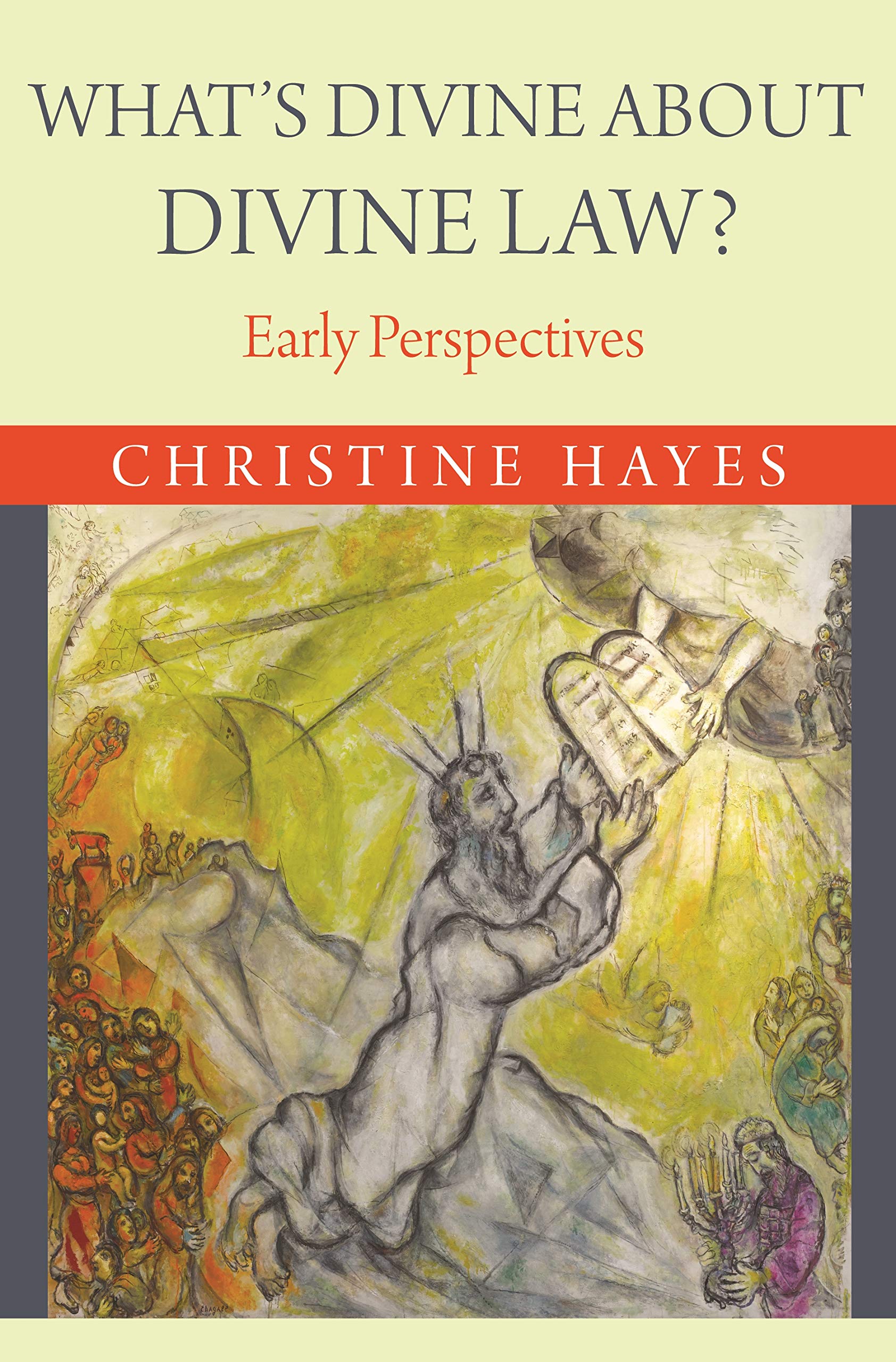
What’s Divine about Divine Law?

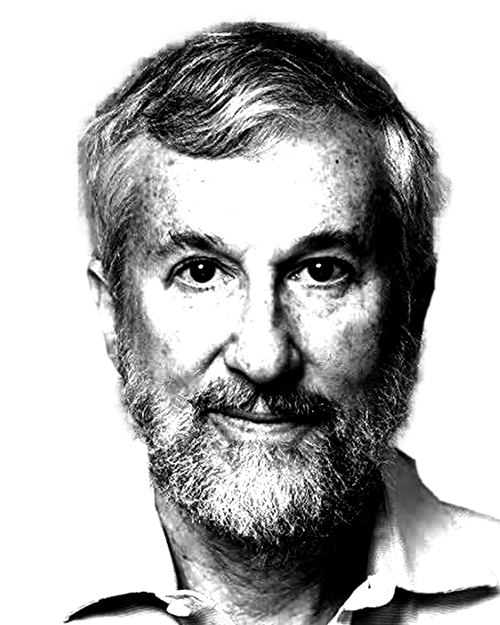
In this foundational text, Professor Christine Hayes explores how ancient thinkers wrestled with  differing conceptualizations and conceptions of the divinity of divine law. Set in a world thousands of years past and yet stunningly relevant, Hayes’ explorations of Philo, Paul, Qumran, and the rabbis of Tanach and the Talmud are scholarly and timely. Law can be divine due to its perceived rationality or due to its revelatory origins, and Hayes makes a compelling argument for how the collision of these conceptions influenced much of the world we live in. Hayes’ research is not just an interesting commentary to the cultural world we live in, but a remarkable starting point for thinking about Jewish law.

Buy on Amazon

DEDICATED TO THE MEMORY AND LEGACY OF PHILIP EICHEN, EPHRAIM FISHEL BEN MORDECHAI Z”L AND ROSLYN EICHEN, RAZEL BAT GERSHON, Z”L

Newsletters

Sign up for our Newsletter

We’ll keep your inbox stocked fresh with new topics, thoughts and ideas.

TOPICS

  • Topics
    • Topics

DISCOVER

  • Podcasts
  • Essays
  • Videos
  • Guests
    • Podcasts
    • Essays
    • Guests
    • Videos
    • Swag Shop

BOOK CULTURE

  • Book Journeys
  • Shabbos Reads
    • Book Journeys
    • Shabbos Reads

ABOUT US

  • Who we are
  • Submissions
  • Contact us
  • Donate
    • Who we are
    • Submissions
    • Contact us
    • Donate

Copyright ©

2025

18Forty

All Rights Reserved

Privacy Policy

Cookie Policy

Welcome to 18Forty's New Website!

This is your address for today’s biggest Jewish questions. Looking for something in specific? Search on our homepage or browse on your own.