What Origins Mean to Me
Two Kinds of Origin Stories I have always been fascinated by origins. I…




In this edition of the 18Forty Podcast, we are privileged with the return of Dr. Malka Simkovich.
Two Kinds of Origin Stories I have always been fascinated by origins. I…

This essay is the second in the author’s five-part series for 18Forty’s explorations…

This essay is the third in the author’s five-part series for 18Forty’s explorations…
In this episode of the 18Forty Podcast, we talk to Professor Lawrence Schiffman about Second Temple and Rabbinic Judaism.
In this episode of the 18Forty Podcast, we talk to Dr. Malka Simkovich, Crown-Ryan Chair of Jewish Studies and director of the Catholic-Jewish Studies program at Catholic Theological Union in Chicago, about Second Temple Judaism and how it can help us understand what it means to be a Jew in our own time.
In this episode of the 18Forty Podcast, we talk to Dr. Tova Ganzel about biblical Judaism, and the shift of rabbinic authority over time.
In this episode of the 18Forty Podcast, we talk to Dr. Yonatan Adler about the intersection of halacha and archaeology.
In this episode of the 18Forty Podcast, you, our listeners, feature as our guests as we listen to your responses to our series on Romance & Commitment, Abuse in Our Community, and the Origins of Judaism.
In this episode of the 18Forty Podcast, we talk to an anonymous email sender about life upon the bridge between the truth of fact and the truth of feeling.

In this episode of the 18Forty Podcast, we talk to an anonymous…
In this episode of the 18Forty Podcast, we talk to Professor Lawrence…
In this episode of the 18Forty Podcast, we talk to Dr. Tova…
In this episode of the 18Forty Podcast, we talk to Dr. Yonatan…
In this episode of the 18Forty Podcast, we talk to Yosef Bronstein…
In this edition of the 18Forty Podcast, we are privileged with the…
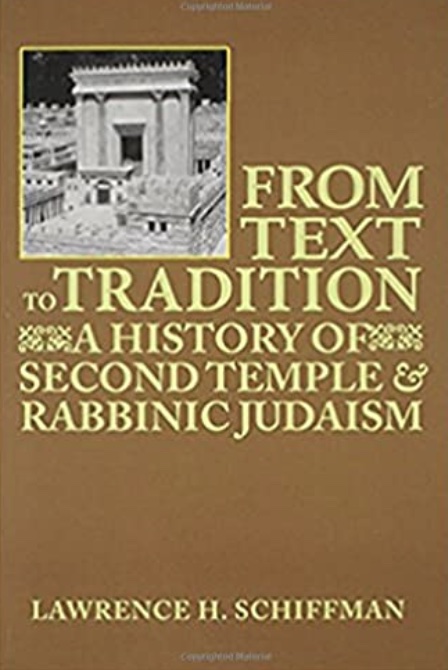
How did Judaism develop from the times of the Torah to the times of the Talmud? Considering historical, literary, and religious vantage points, Schiffman offers a fascinating look into a rich and complex time of Jewish life. Facing the many movements that emerged during this time, Schiffman ultimately argues that these approaches share enough to be considered a singular religious tradition with many faces. Interpretation, tradition, Pharisees, Sadducees, pseudepigrapha; This book has it all. Come for the Apocrypha, stay for the intriguing look under the hood for how Judaism as we know it came to be.
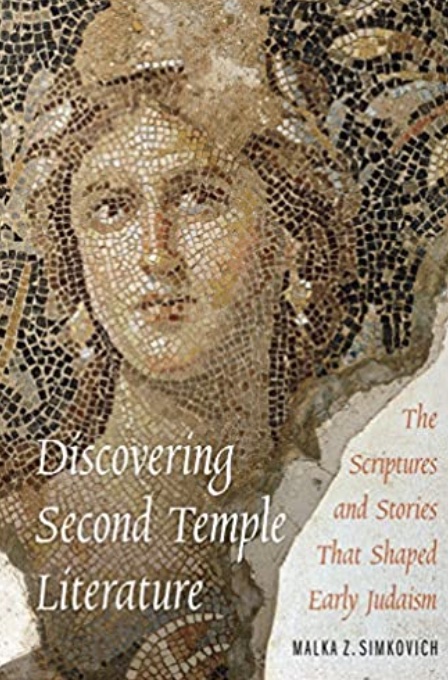
When facing a drastically different world from what they knew before, the Jews of the Second Temple period (539 BCE – 70 CE) had to utilize a surprising creativity to practice their religion. In Discovering Second Temple Literature, Malka Simkovich brings readers into the worlds of Jerusalem, Alexandria, Antioch, and Josephus, as she explores the lives, learning, and views of Jews of a distant time. The most surprising aspects of this book are how similar some of the choices that these long-ago Jews had to make when facing challenges and a religious landscape that was changing rapidly.
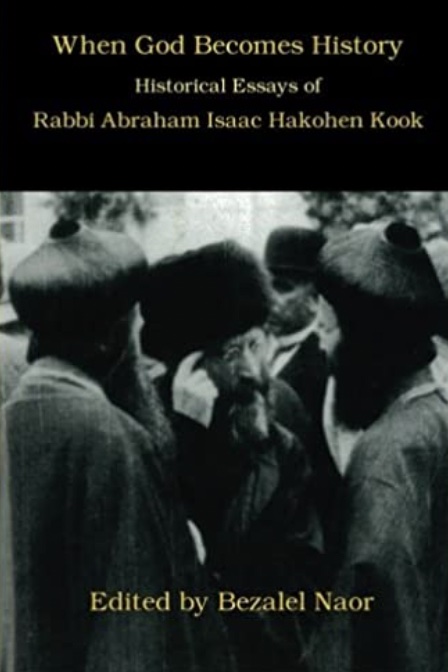
R. Abraham Isaac HaKohen Kook (1865 – 1935) was one of the most deeply cutting spiritual rabbinic thinkers of the 20th century. While he is often remembered most for his particularly poignant writings on the land and nation of Israel, his broad curiosity and far-reaching creativity have left us with some fascinating contributions to Jewish thought. This volume collects in English translation Rav Kook’s thoughts on Jewish history. Reading Rav Kook on history is a masterclass in process-oriented thinking, and what happens when a great soul looks to understand human events from a powerful religious (and human) perspective. Read this volume if you, like Rav Kook, look at Jewish history and want to know more than what, but why.