Begin exploring
today’s 
biggest Jewish
questions…

×
  • Topics

    Most Popular Topics

    • Artificial Intelligence
    • Jewish Outreach
    • Israel & Diaspora
    • 18 Questions, 40 Israeli Thinkers
    • Denominations
    • Mental Health
    • Israel at War

    View all

    All Topics

    • Prayer & Humanity
    • Zionism
    • Jewish Education
    • Romance & Commitment
    • Origins of Judaism
    • Books, Books, Books
    • Abuse in Our Community
    • Halacha
    • Wealth
    • Is Religion Rational?
    • Shabbos
    • Teshuva
    • Summer Unwind
    • Loss
    • Censorship
    • Agunah Crisis
    • Intergenerational Divergence
    • God
    • Why 1840?
    • Social Justice
    • Science & Religion

    View all

  • Discover

    Podcasts

    Essays

    Guests

    Videos

    Swag Shop

    Popular for Discover

    • Elissa Felder & Sonia Hoffman: How the Jewish Burial Society Cares for the Dead
    • Shlomo Brody & Beth Popp: Demystifying Death and the End of Life
    • Michael Oren: ‘We are living in biblical times’
    • Micah Goodman: ‘I don’t want Gaza to become our Vietnam’

    View All Podcasts

    OTD: Leaving Religion

    Ayala Fader: How Do Haredi Jews Deal With Religious Doubt?

    18 Questions, 40 Israeli Thinkers

    Jonathan Rosenblum: ‘Would you want to live in a country run by Haredim?’
  • Book Culture

    Book Joureys

    • How Do Morality And Values Guide Jewish Law?
    • ‘Anti-Zionism is an existential threat to the Jewish People’

    Shabbos Reads

    • Books, Books, Books
    • I Read This Over Shabbos on X

    FEATURED BOOK

    How Do Morality And Values Guide Jewish Law?

    FEATURED BOOK

    ‘Anti-Zionism is an existential threat to the Jewish People’
  • About

    About us

    Who we are

    Submissions

    Contact us

    Donate

    WHY 18
    Forty

    The year 1840 was a turning point: the Industrial Revolution peaked, the Damascus Affair sparked Jewish unity, and modernity opened new paths for enlightenment. Mystics called it the moment that “the gates of wisdom would open.” For us, 1840 is a symbol of how global upheaval can lead to a reimagined world. Today, we face another “1840 moment”—troubled by tech disruption, mental health crises, and declining faith—that calls for bold questions, timeless sensitivity, and modern sensibilities. That’s what 18Forty is here to explore.

  • Donate
Subscribe
Donate
Home / Topics / Social Justice

Social Justice

There is a growing debate within Jewish circles about the term “Tikkun Olam” – meaning to fix or change the world. For some Jews, this is our nation’s mission: to stand with the oppressed and bring societal change and redemption to the entire world. Others, however, have criticized this approach, saying that Tikkun Olam as…

  • Essays

    Suffering, Social Justice, and the Jewish Response

    In 1883, the American author Henry James (1843-1916) received a distressing letter from…
    David Bashevkin
    Suffering, Social Justice, and the Jewish Response
  • Essays

    What Social Justice Means to Me

    I grew up in a relatively sheltered community in Long Island, NY. I…

    David Bashevkin
    What Social Justice Means to Me
  • Essays

    Is There a Torah Approach to our Social Responsibility?

    On December 17, 2014, a rosh yeshiva stood at the podium of Yeshiva…

    David Bashevkin
    Is There a Torah Approach to our Social Responsibility?

Social Justice

Rabbi Jeremy Wieder: Is There a Torah Approach to our…

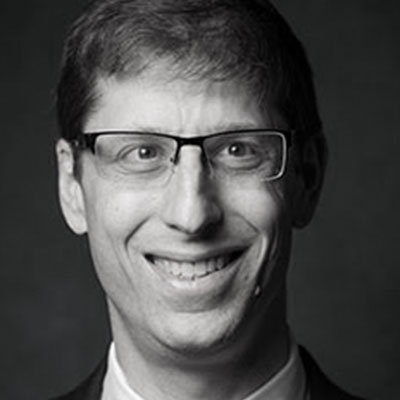
In this episode of the 18Forty Podcast, we sit down with Rabbi Jeremy Wieder – rosh yeshiva, PhD, Bible professor, and passionate Orthodox moral voice – to discuss what the Torah has to say about social justice.
01:18

podcast

Rabbi Jeremy Wieder: Is There a Torah Approach to our Social Responsibility?

In this episode of the 18Forty Podcast, we sit down with Rabbi Jeremy Wieder – rosh yeshiva, PhD,…

01:18

podcast

Dr. Rivka Press Schwartz: How Should We Educate About Social Justice?

In this episode of the 18Forty Podcast, we sit down with Dr. Rivka Press Schwartz – Shalom Hartman…

01:10

podcast

Eli Rubin: How Do Mysticism and Social Action Intersect

In this episode of the 18Forty Podcast, we sit down with Eli Rubin – writer and researcher at…

book

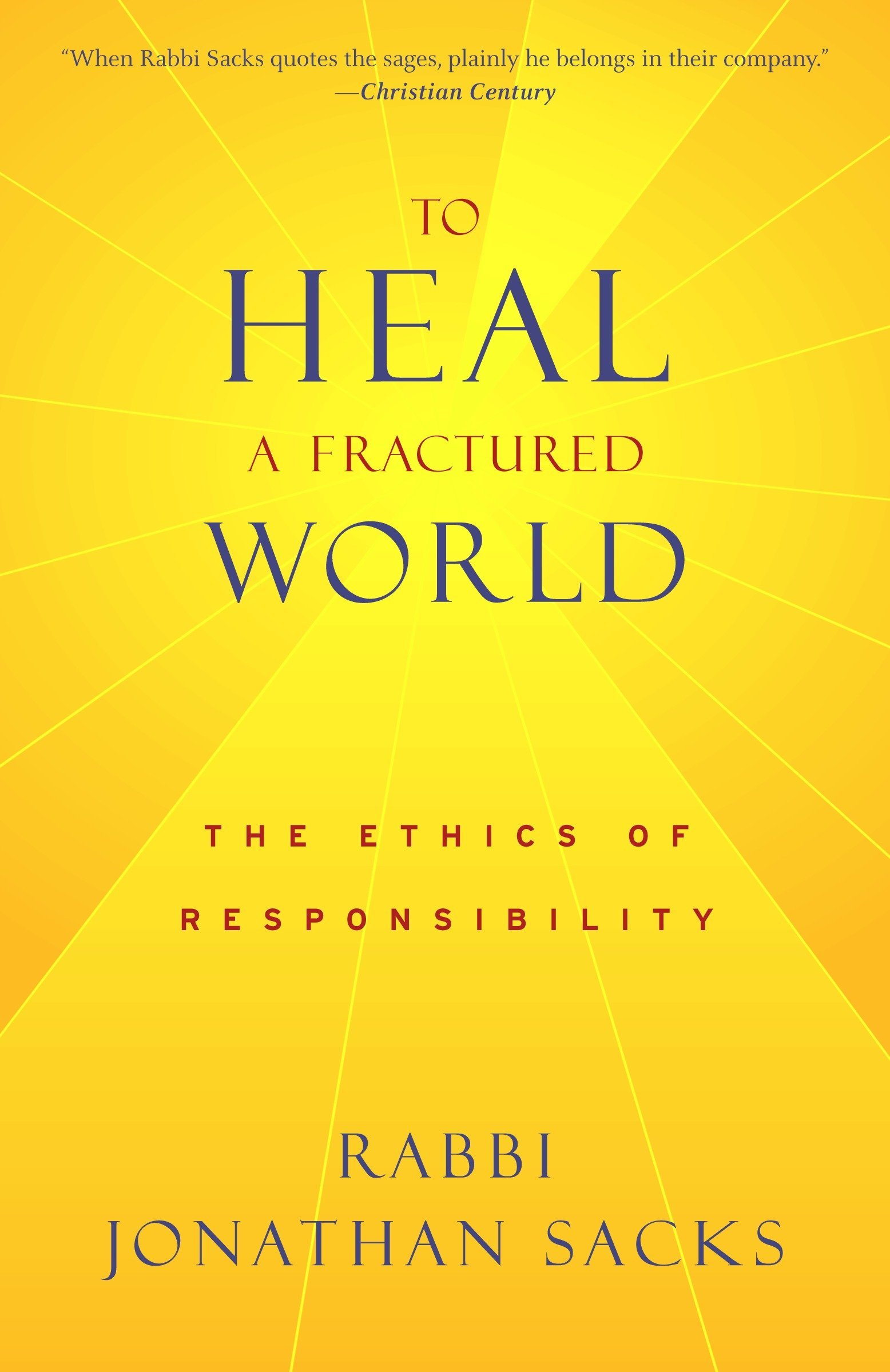
TO HEAL A FRACTURED WORLD

An instant classic, Rabbi Sacks’s To Heal a Fractured World is an erudite, personal, and deeply spiritual argument for religion to work towards a better world. This book is a journey through the Torah, Jewish law, Jewish thought, and general philosophy, all on the road to deeper responsibility towards each other. Both eminently contemporary and timeless, this work is loved by students and teachers of all ages and walks of life for a reason, and is a must-read of the contemporary Jewish canon for any interested in living a richer, more constructive life.

Buy on Amazon

book

SOCIAL VISION: THE LUBAVITCHER REBBE’S TRANSFORMATIVE PARADIGM FOR THE WORLD

Who was Rabbi Menachem Mendel Schneersohn? In the popular imagination, he is remembered for his impact on Jewish outreach and religious life, for very good reason. This groundbreaking book is the first to delve into the Rebbe’s social activism. In exploring the Rebbe’s role as an advocate for public education, criminal justice reform, women’s empowerment, and alternative energy, this lucid book provides a perspective of how deep religiosity and deeply engaged social justice work can (and should) go hand in hand. Intriguingly, this book is also a well-thought investigation into how the Rebbe’s social views aligned with the rest of his socio-mystical weltanschauung, and learning about his broad web of views is both powerful and interesting.

Buy on Amazon

book

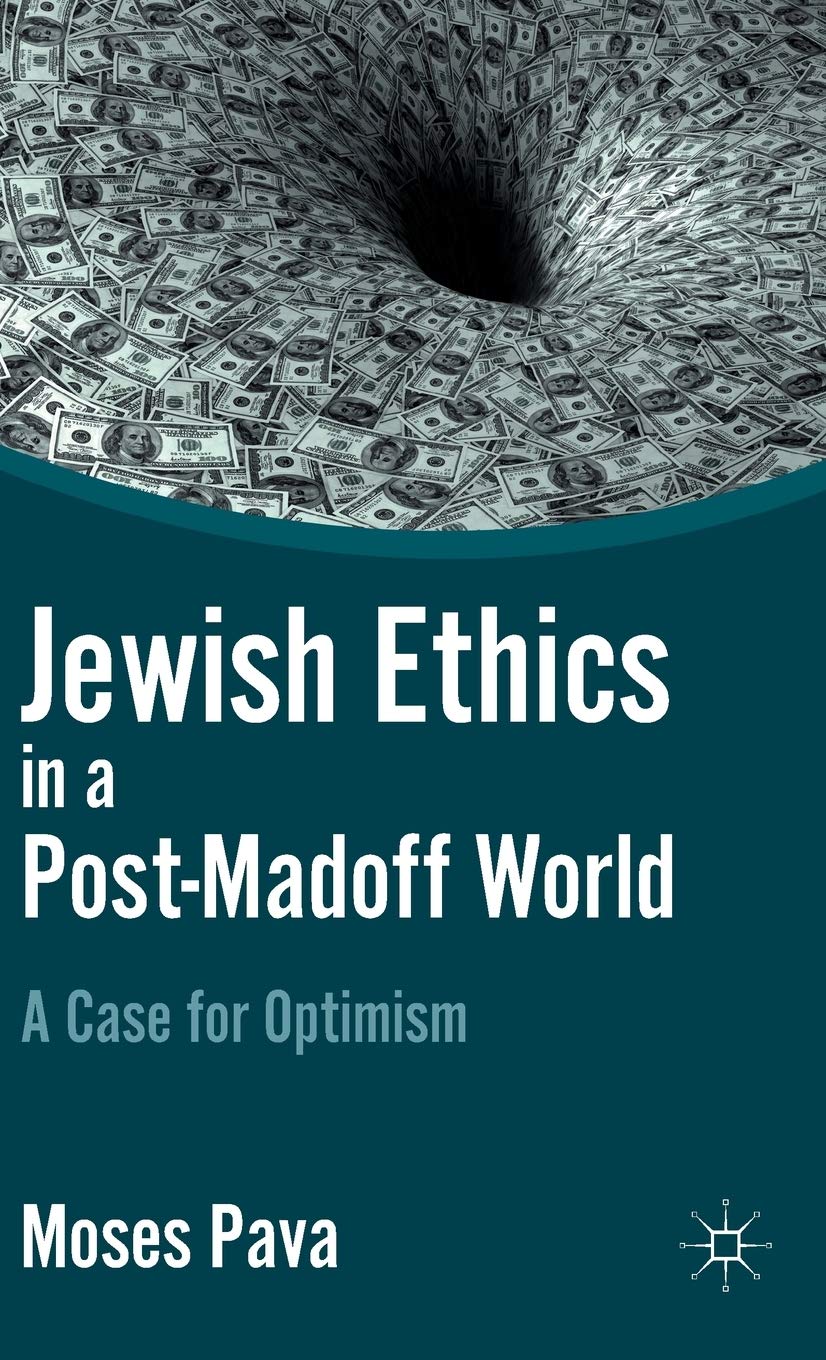
JEWISH ETHICS IN A POST-MADOFF WORLD: A CASE FOR OPTIMISM

A book written in an age of financial impropriety, Jewish Ethics in a Post-Madoff World takes the gaps between religion and its adherents as the starting point for reflection on Jewish ethics and community. While not dealing with the traditional understanding of social justice, Jewish Ethics works through many of the same questions animating the conversation around social justice in the Jewish community, such as the question of Orthodoxy’s socio-economic limitations, how we frame ethics in 21st century religious communities, and the possibility of communal change. This book is intended for “those readers who are willing to examine unflinchingly, and with an open mind, the precise contours of today’s ethical failures, even when such failures raise deep questions about the status of one’s community and one’s own taken-for-granted values.” Take this book seriously, and join us in thinking about these…

Buy on Amazon

DEDICATED TO THE MEMORY AND LEGACY OF PHILIP EICHEN, EPHRAIM FISHEL BEN MORDECHAI Z”L AND ROSLYN EICHEN, RAZEL BAT GERSHON, Z”L

Newsletters

Sign up for our Newsletter

We’ll keep your inbox stocked fresh with new topics, thoughts and ideas.

TOPICS

  • Topics
    • Topics

DISCOVER

  • Podcasts
  • Essays
  • Videos
  • Guests
    • Podcasts
    • Essays
    • Guests
    • Videos
    • Swag Shop

BOOK CULTURE

  • Book Journeys
  • Shabbos Reads
    • Book Journeys
    • Shabbos Reads

ABOUT US

  • Who we are
  • Submissions
  • Contact us
  • Donate
    • Who we are
    • Submissions
    • Contact us
    • Donate

Copyright ©

2025

18Forty

All Rights Reserved

Privacy Policy

Cookie Policy

Welcome to 18Forty's New Website!

This is your address for today’s biggest Jewish questions. Looking for something in specific? Search on our homepage or browse on your own.