

I Read This Over Shabbos is a weekly newsletter from Rivka Bennun Kay about Jewish book culture, book recommendations, and modern ideas. Receive this free newsletter every week in your inbox by subscribing here. Questions, comments, or feedback? Email Rivka at Shabbosreads@18forty.org.
This piece first ran on our Substack, I Read This Over Shabbos. We’re pleased to share it here.
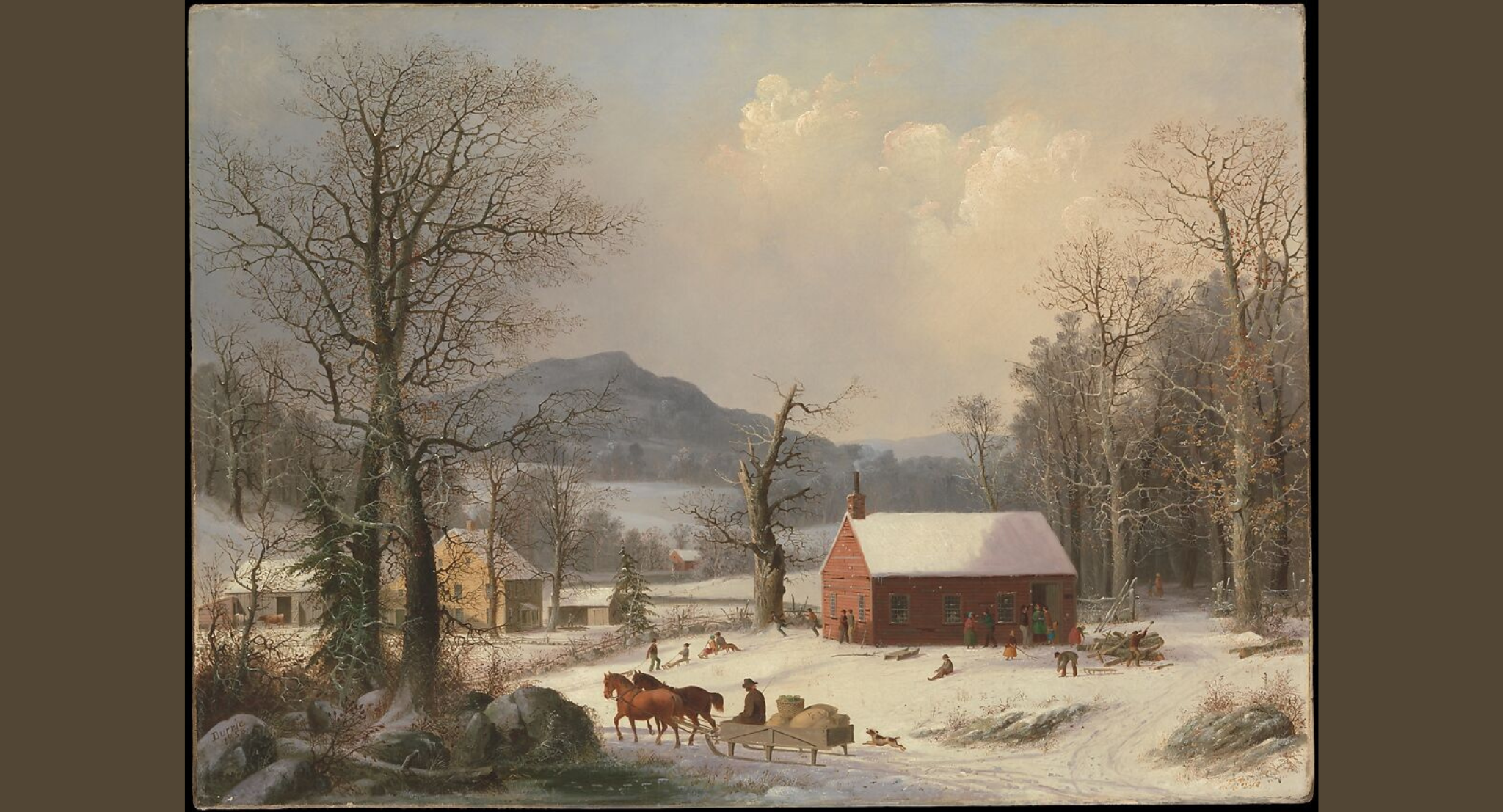
Winter. I’ve tried to love it. Really, I have. I’ve read about hygge, and told myself to focus on the joy of warm socks, hot drinks, and evenings indoors. Every fall I give myself the same pep talk: winter isn’t that bad. It’s not even that long. Earth spins and tilts, and before you know it, it’ll be spring again.
And then winter actually shows up.
Why do we tolerate this? The cold. The wind. The gray skies that hang around like a sulky teenager. All I want is to stay indoors, buried under blankets, and not reappear until the world remembers how to grow flowers again. April. Maybe May.
My attitude toward winter: Just get through it. My motivation shrivels, my energy dwindles, and my creativity slows to the pace of a clogged faucet. My brain goes into hibernation, leaving a “Do Not Disturb” sign on the door.
Which is why I decided, in a fit of seasonal despair, to revisit The Creative Act: A Way of Being by Rick Rubin. Rubin, a legendary music producer, isn’t just known for shaping albums but for creating a space where artists can tap into their true selves, shedding self-imposed barriers to unlock their creativity. The Creative Act isn’t a how-to guide on making great art; it’s about how to be—how to reconnect with that sense of wonder and openness that lets the surprising happen. It’s a meditation on creativity that feels relevant to everyone, not just artists, a way to make life itself more vivid.
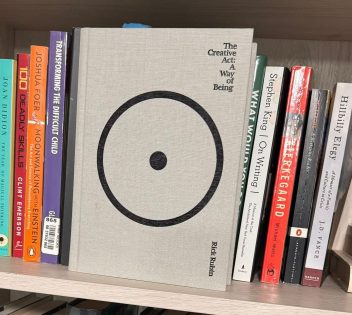
The first time I read it—or tried to—I wasn’t impressed. The book felt like one of those Instagram accounts that posts vague wisdom in an elegant font. A little precious. A little contrived. After a few pages, I closed it, set it back on the shelf, and moved on.
But this winter, with my mind dried out like a potted plant I forgot to water, I remembered that an artist I follow on Instagram once told me he keeps the book by his desk and flips through it regularly. He swore it was a lifeline. So I thought, maybe I missed something the first time. Maybe I’d been reading it wrong. Maybe I was just too grumpy the first time around. Either way, it wasn’t like it could make things worse.
So, I tried again. And this time, I got it.
It’s not the kind of book you plow through like a novel or devour like a bag of chips. It’s more like a box of very fancy chocolates—the kind you’re supposed to eat one at a time while contemplating your life choices. Each page is a small, self-contained morsel of insight or perspective, meant to be read slowly, savored, and picked up again when you’re in the right mood.
Now, the book lives on my desk. I open it every day, not for answers exactly, but for ideas, reminders, tiny sparks of creativity. It’s helped, in a way I didn’t expect. My brain feels a little less frozen, a little more awake.
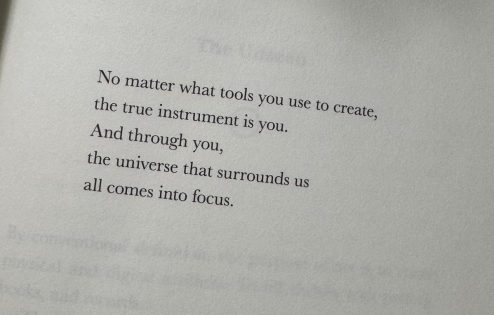
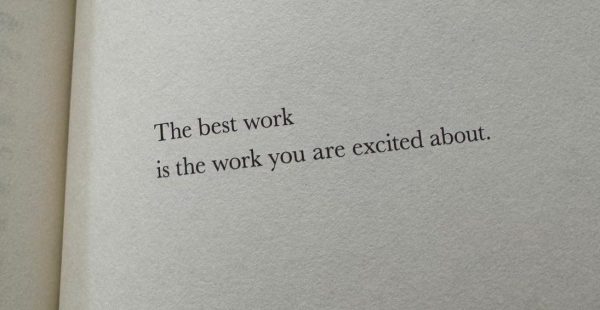
If winter’s got you in a similar rut, maybe you’ll find it helpful too. I thought I’d share a few of the shorter entries that spoke to me (the longer ones are good too but these are easier to share)—they might give your hibernating brain a nudge as well.
Of all the great works that we can experience, nature is the most absolute and enduring. We can witness it change through the seasons. We can see it in the mountains, the oceans, the deserts, and the forest … There is never a shortage of awe and inspiration to be outdoors. If we dedicated our lives solely to noticing changes in natural light and shadow as the hours pass, we would constantly discover something new.
The goal is not to fit in. If anything, it’s to amplify the differences, what doesn’t fit, the special characteristics unique to how you see the world. Instead of sounding like others, value your own voice. Develop it. Cherish it.
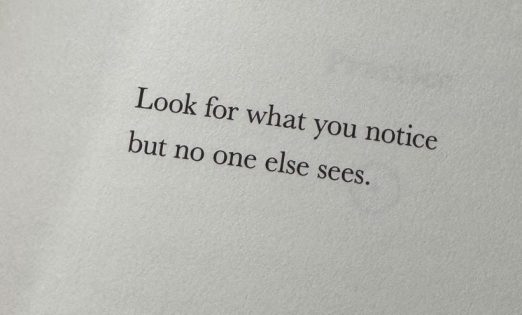
Sometimes the ideas that least match our expectations are the most innovative. By definition, revolutionary ideas have no context. They invent their own.
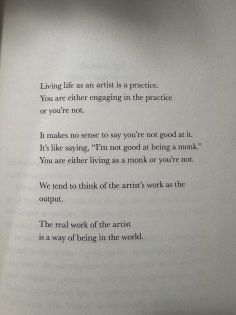
There is no telling where the next great story, painting, recipe, or business idea is going to come from. Just as a surfer can’t control the waves, artists are at the mercy of the creative rhythms of nature. This is why it’s of such great importance to remain aware and present at all times. Watching and waiting.
To be clear, I still do not like winter. But I am all in favor of anything that helps make it even slightly more tolerable. What about you? Do you have a trick for getting through the season, or are you one of those maddeningly cheerful people who actually enjoy it?