

I Read This Over Shabbos is a weekly newsletter from Rivka Bennun Kay about Jewish book culture, book recommendations, and modern ideas. Receive this free newsletter every week in your inbox by subscribing here. Questions, comments, or feedback? Email Rivka at Shabbosreads@18forty.org.
I put this booklist together last summer, and I felt it was just as pertinent this summer. Happy reading!
The summer solstice was last week, and I bought new sandals, which can only mean one thing: A summer reading list is in order.
On those long summer days when I have a lot of free time, I find it difficult to take control of my time. When I have a larger abundance of spare time, I often end up spending a lot of it on my phone, waking up late, and feeling unproductive.
That’s why I created this list. Summertime presents an opportunity to broaden the mind and grow in new ways. If you’re anything like me, and you want to seize this opportunity to maximize your summer brain, you may find your next read here. Happy summer, and happy reading!
For a summer of creativity and storytelling:
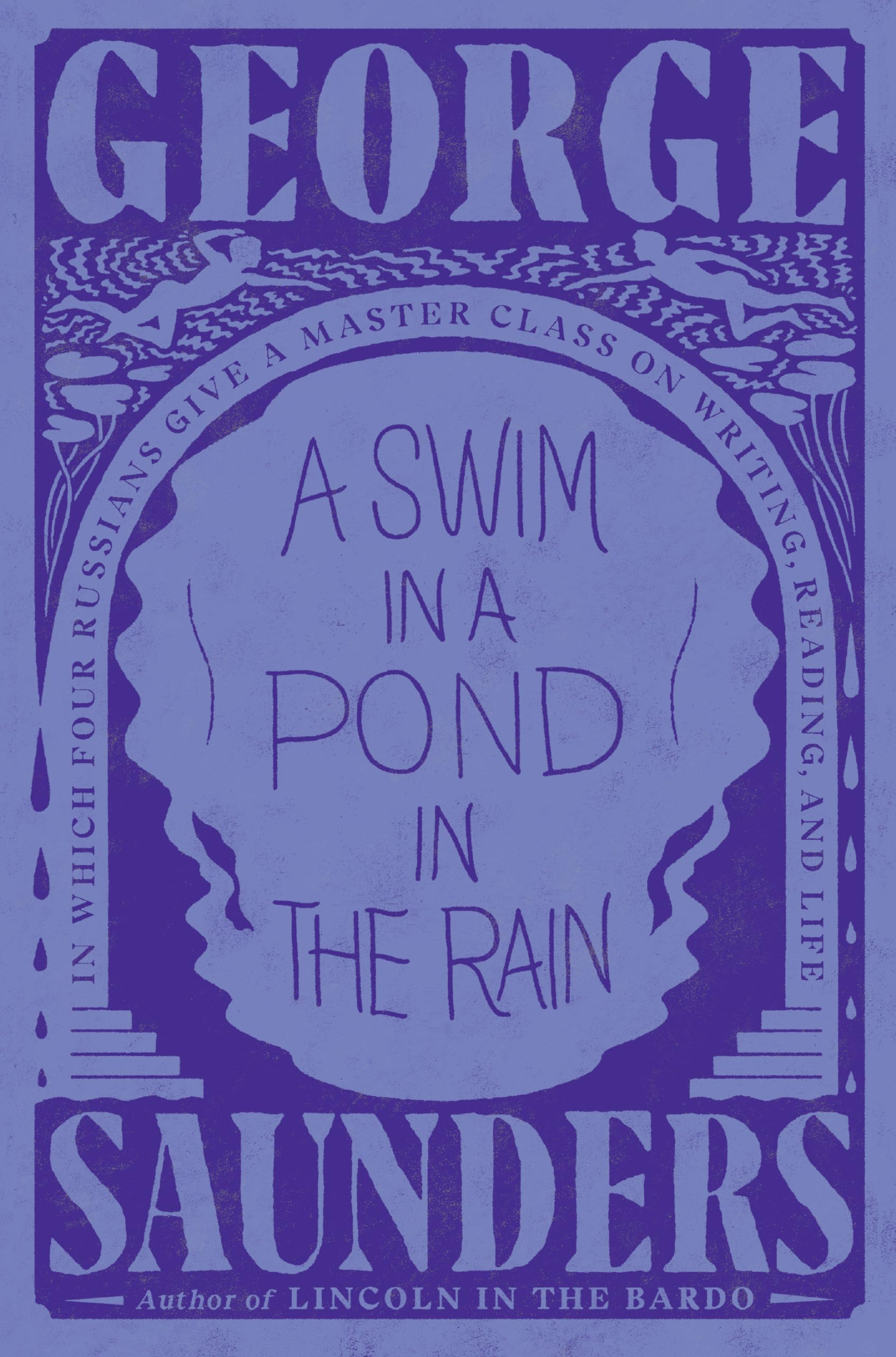
A Swim in a Pond in the Rain by George Saunders
Saunders, who has been teaching MFA students how to tell stories for over two decades, distills his course on the Russian short story, offering a masterclass in how fiction operates. Featuring iconic works by Chekhov, Tolstoy, and others, his essays explore the craft of storytelling and its timeless power to foster connection and offer new ways of seeing the world.
For a summer of learning how to cope:
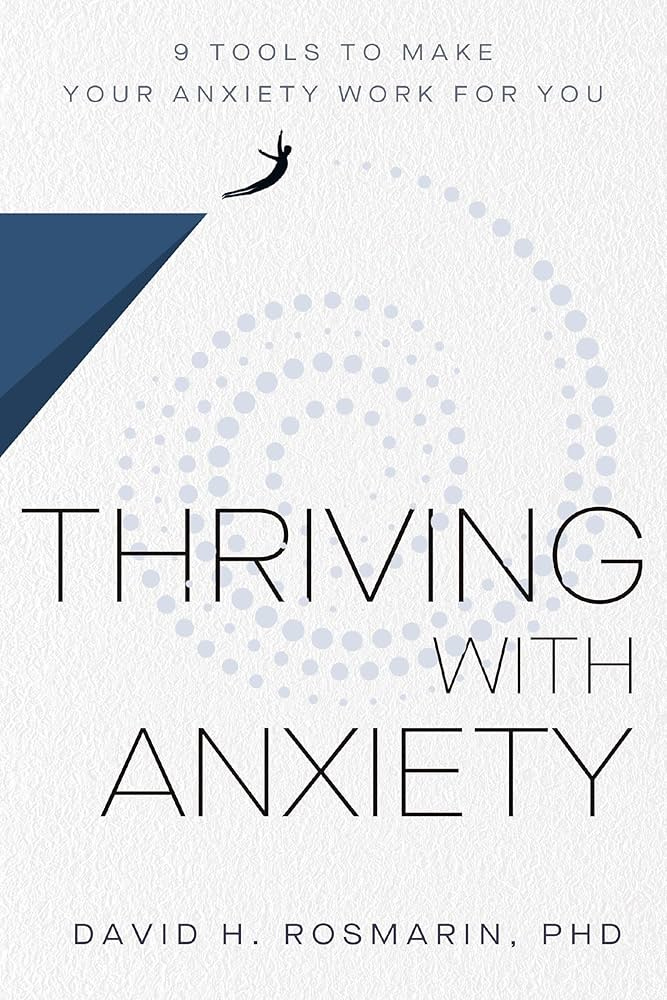
Thriving with Anxiety by David H. Rosmarin
If anxiety is something you deal with on a regular basis, this may be the book for you—a Harvard associate professor’s revolutionary approach to transforming anxiety from a burden to a benefit. Offering a number of evidence-based strategies, Dr. Rosmarin empowers readers to harness their anxiety as a tool for self-discovery and deeper relationships, rather than seeking to eliminate it.
For a summer of listening to yourself:
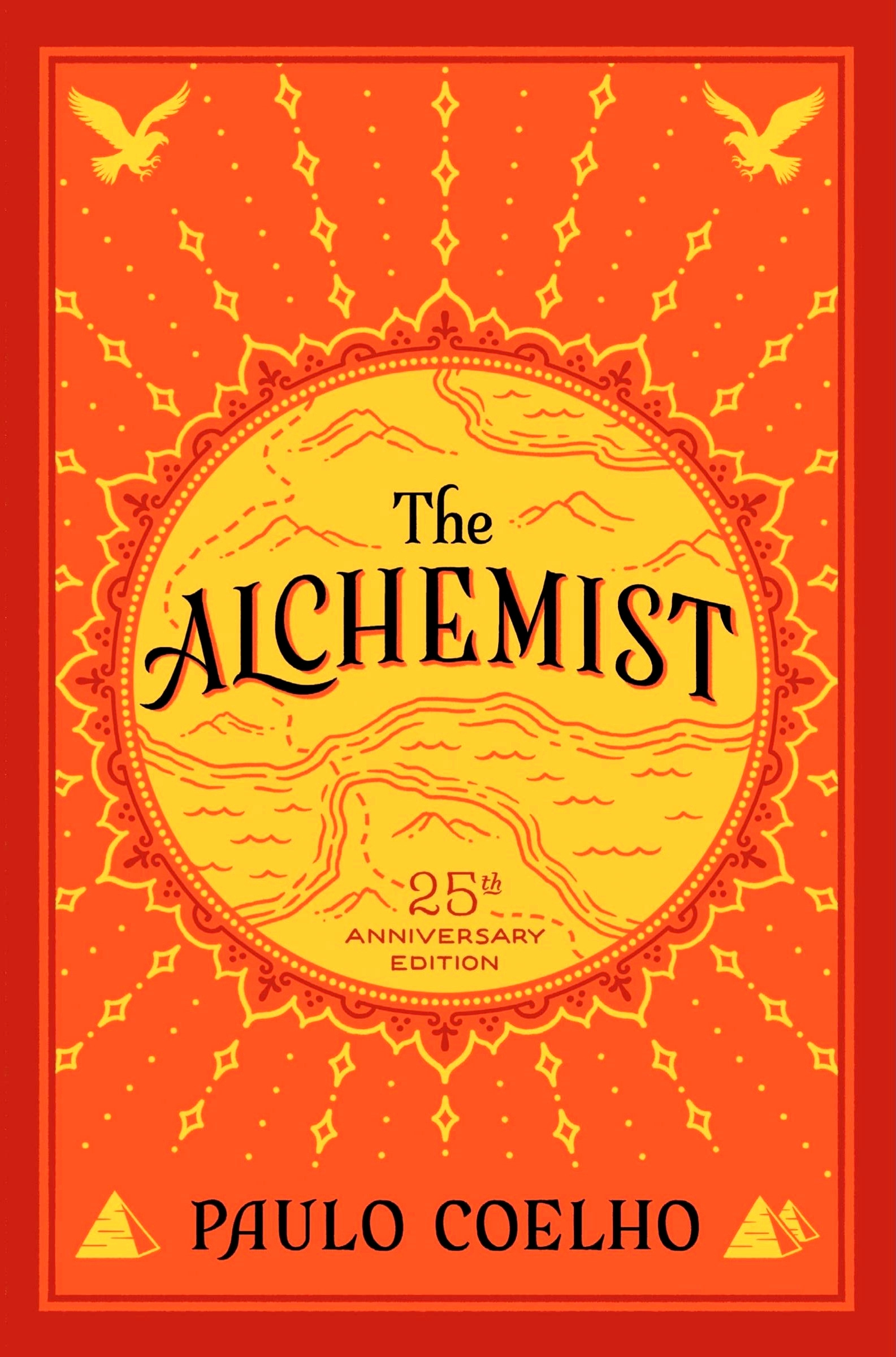
The Alchemist by Paulo Coelho
It’s possible you’ve read this before, but to me this is a major summer read. The Alchemist is a tale of self-discovery, following Santiago, an Andalusian shepherd boy who journeys in search of worldly treasure. His quest ultimately leads him to profound, unexpected riches, teaching readers the art of listening to their hearts.
For a summer of embracing silence:
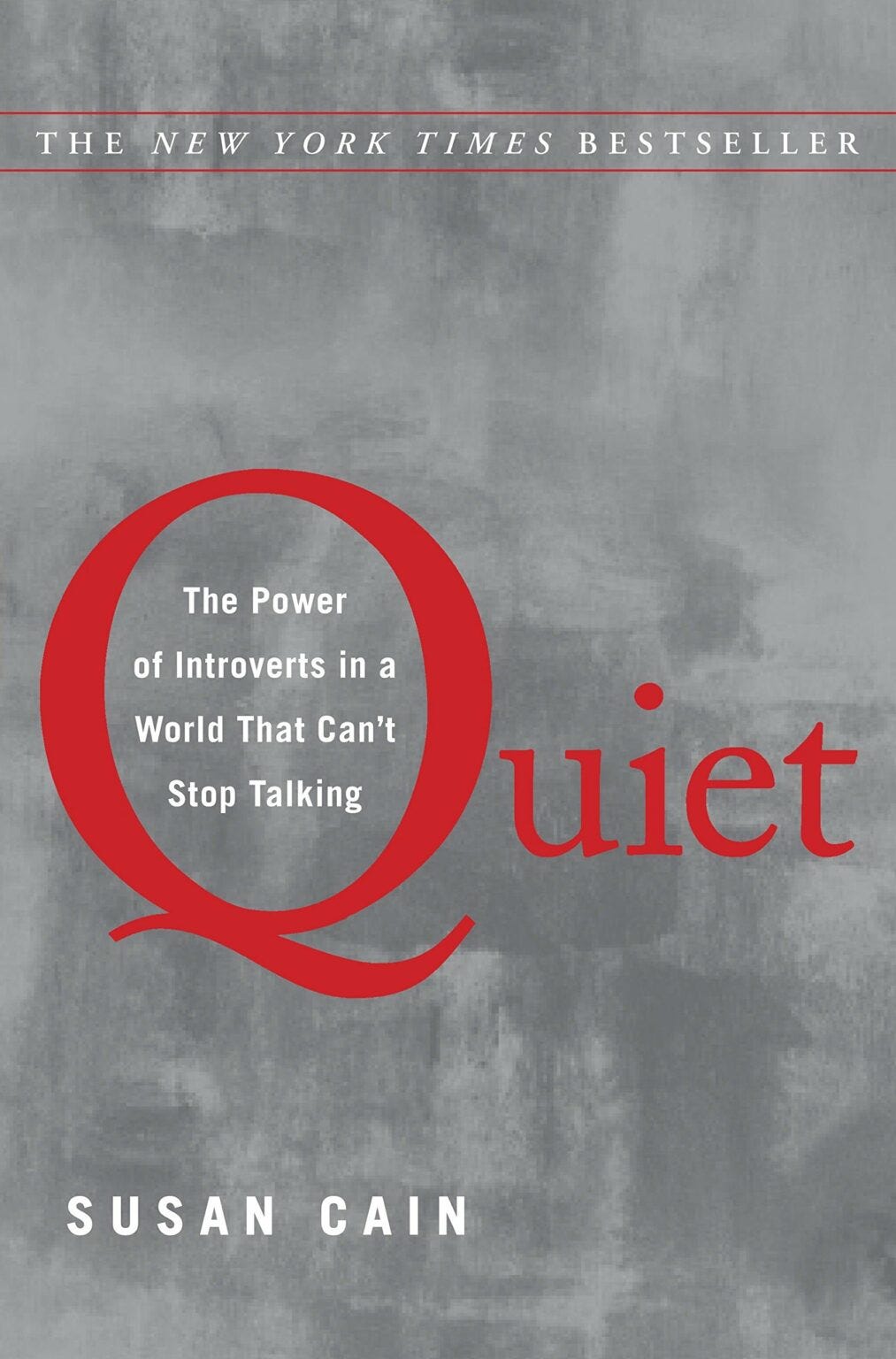
Quiet: The Power of Introverts in a World That Can’t Stop Talking by Susan Cain
In a society where it feels like everyone needs to make themselves heard, recent 18Forty guest Susan Cain suggests that introverts are significantly undervalued despite their substantial contributions to society. It’s a great read for self-understanding and appreciating diverse personalities.
For a summer of art and friendship:
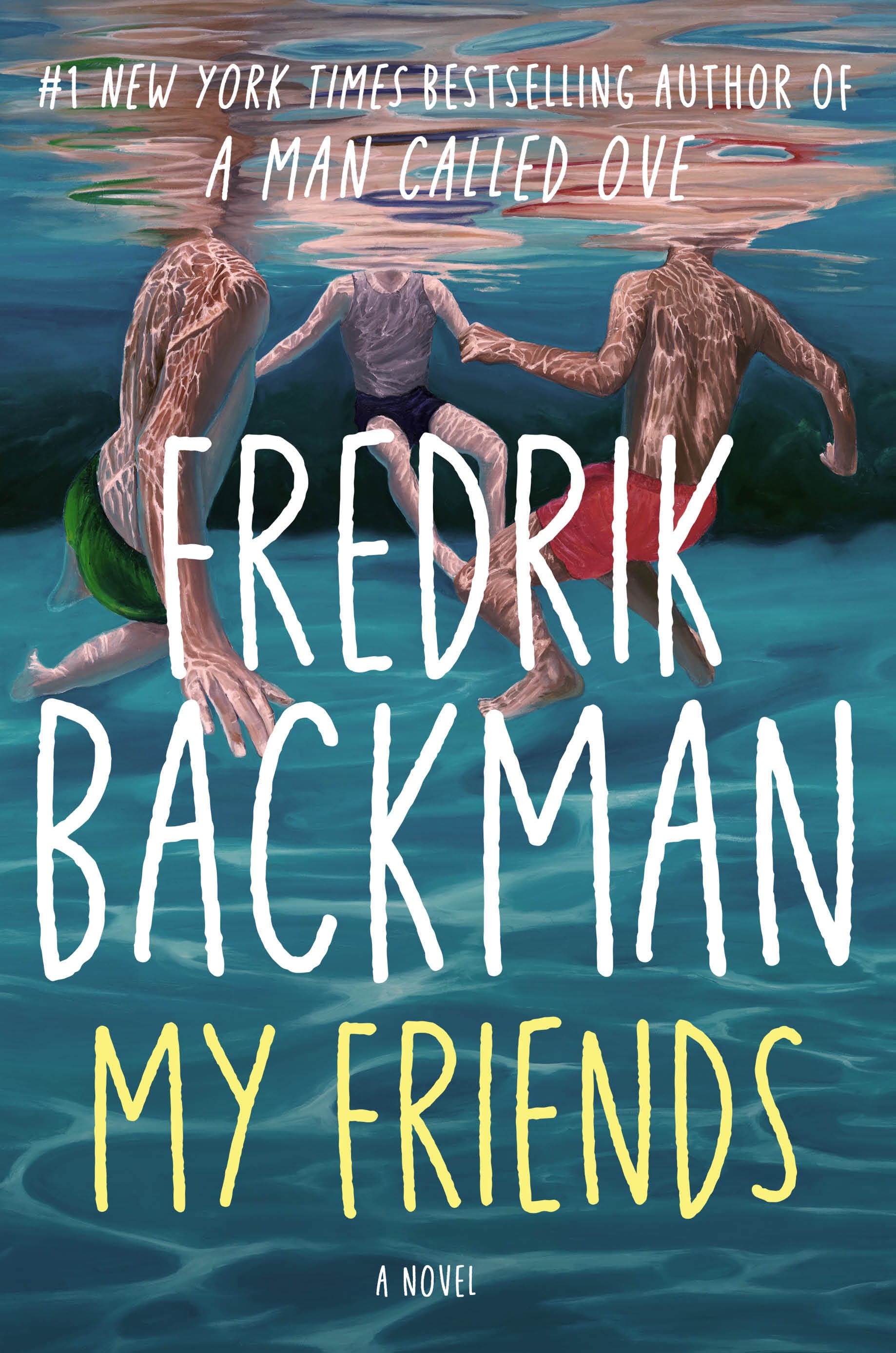
My Friends by Fredrik Backman
Backman is back at it again with another stunning novel, this time telling the story of an aspiring artist who embarks on a journey to uncover the mystery in a famous painting. Two decades prior, a group of teenagers find solace and purpose in their friendship, ultimately inspiring the transcendent artwork. It is charming, humorous, and a poignant tale of art and friendship.
For a summer of journeying to peace:
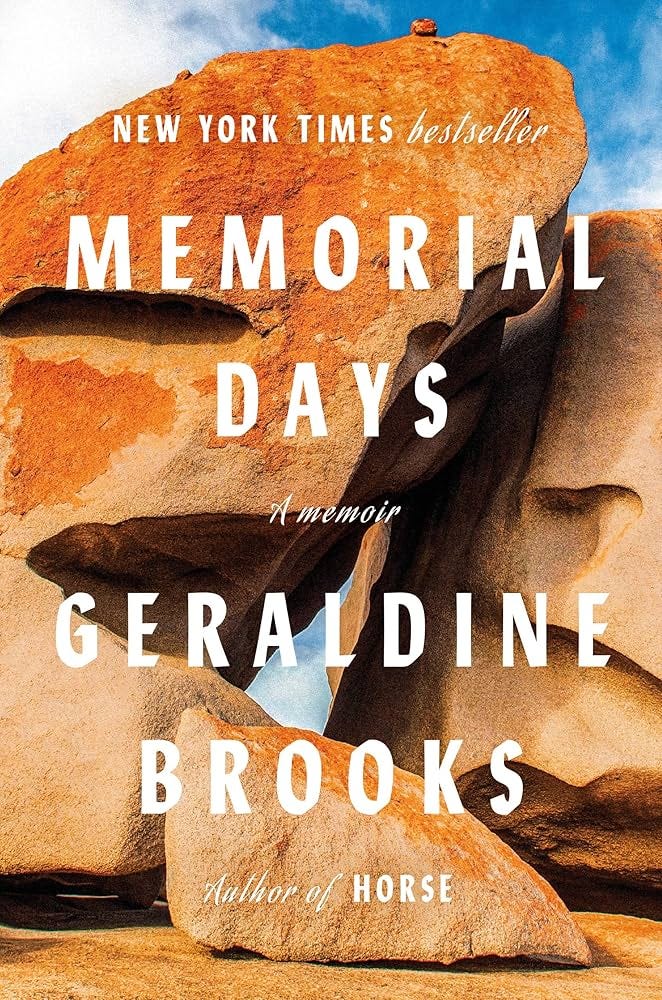
Memorial Days by Geraldine Brooks
Grieving the sudden death of her husband, Geraldine Brooks found contemporary life’s demands offered no space for mourning. Three years later, she retreated to a remote Australian island to finally process her loss, seeking ways to rebuild her life around his absence. A memoir about finding peace after loss, Brooks teaches us that joy and grief can coexist.
For a summer of celebrating female authors:
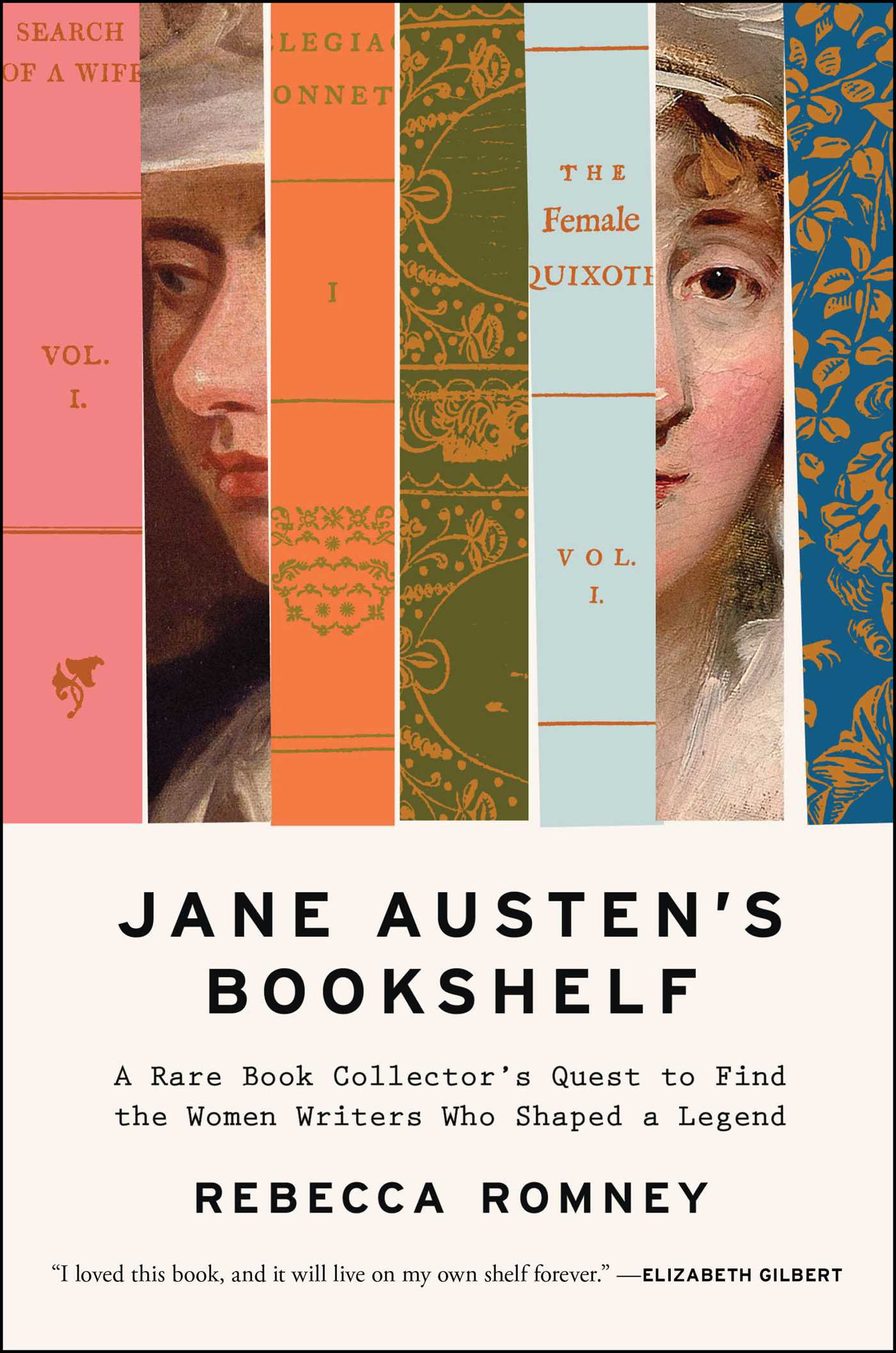
Jane Austen’s Bookshelf by Rebecca Romney
Any close reader of Austen knows that she references several female writers, many of whom disappeared from the literary canon. Rare book dealer Rebecca Romney chronicles her journey to rediscover these authors and investigate why they were forgotten. Whether you’re an Austen nerd (like me) or believe in restoring forgotten female writers to their rightful place in the literary canon, this book is for you.
For a summer of staying present:
Digital Minimalism by Cal Newport
We live in a time where it often feels like technology controls us, instead of the other way around. In Digital Minimalism, Cal Newport champions a philosophy of intentional, limited engagement to reclaim focus and presence. He argues for a thoughtful method to decide which digital tools serve our values, in order to reconnect with the offline world.
For a summer of ambitious reading:
The Count of Monte Cristo by Alexandre Dumas
I obviously needed to include at least one classic in this list, and seeing as it’s summer and the days are long, it needed to be lengthy and ambitious, but still fun. Wrongfully imprisoned in a grim fortress, Edmond Dantes discovers a hidden treasure on the Isle of Monte Cristo and vows to escape. Driven by a thirst for retribution, he plans to unearth the fortune and use it to destroy the three men who orchestrated his incarceration.
For a summer of learning from nature:
Braiding Sweetgrass by Robin Wall Kimmerer
A botanist blends scientific inquiry with Indigenous wisdom, demonstrating that plants and animals are profound teachers. (Interestingly, the Talmud seems to concede with this theory, but with the caveat that the Torah is our ultimate teacher.) Kimmerer argues that achieving a deeper ecological consciousness requires recognizing our reciprocal relationship with nature.
For a summer of reflection and Elul prep:
Seize the Day by Saul Bellow
The first time I read this novel, I thought of the Rambam’s Hilchot Teshuva, which is why I believe it is appropriate Elul preparation. Tommy, adrift and struggling, finds himself clinging to the advice of an eccentric man: “Seize the day.” This philosophy unknowingly propels Tommy into a day of reckoning, ultimately finding “the consummation of his heart’s ultimate need.”
For a summer of accepting what you don’t fully understand:
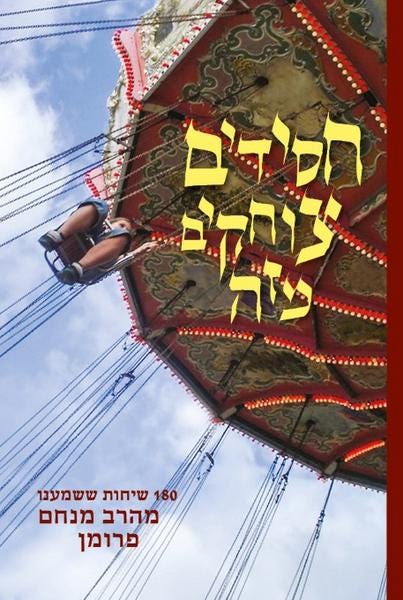
Chasidim Tzochakim MiZeh by Menachem Froman (Hebrew)
Rav Froman, who’s been prominently featured on 18Forty in the past, was a unique rabbinic figure in the Religious Zionist sphere. Chasidim Tzochakim MiZeh is a collection of his insights and thoughts. Reading this small but thought-provoking book has taught me the art of accepting that which I do not understand—both in the concepts Rav Froman brings up, and in the way that he teaches.