

I Read This Over Shabbos is a weekly newsletter from Rivka Bennun Kay about Jewish book culture, book recommendations, and modern ideas. Receive this free newsletter every week in your inbox by subscribing here. Questions, comments, or feedback? Email Rivka at Shabbosreads@18forty.org.
One of the biggest transitions I’ve had into adulthood—besides paying taxes, signing leases, and being responsible for my own survival and well-being—has been losing my summers. My first summer out of college, I could not comprehend how people work all year long without a real summer break.
I’ve learned how to create my own summer routine, by working remotely from the beach. But I’m still searching for ways to infuse my summer not just with meaning, but also with a real sense of a break. In the summer, I want my mind to be free to wander.
The Jewish summer calendar can be heavy, as we reflect on loss, destruction, and Jewish history. But it can also be carefree, happy, full of vibrant summer fruit, nature, and relaxation. I asked the 18Forty team what they’re reading this summer.
David Bashevkin — Founder
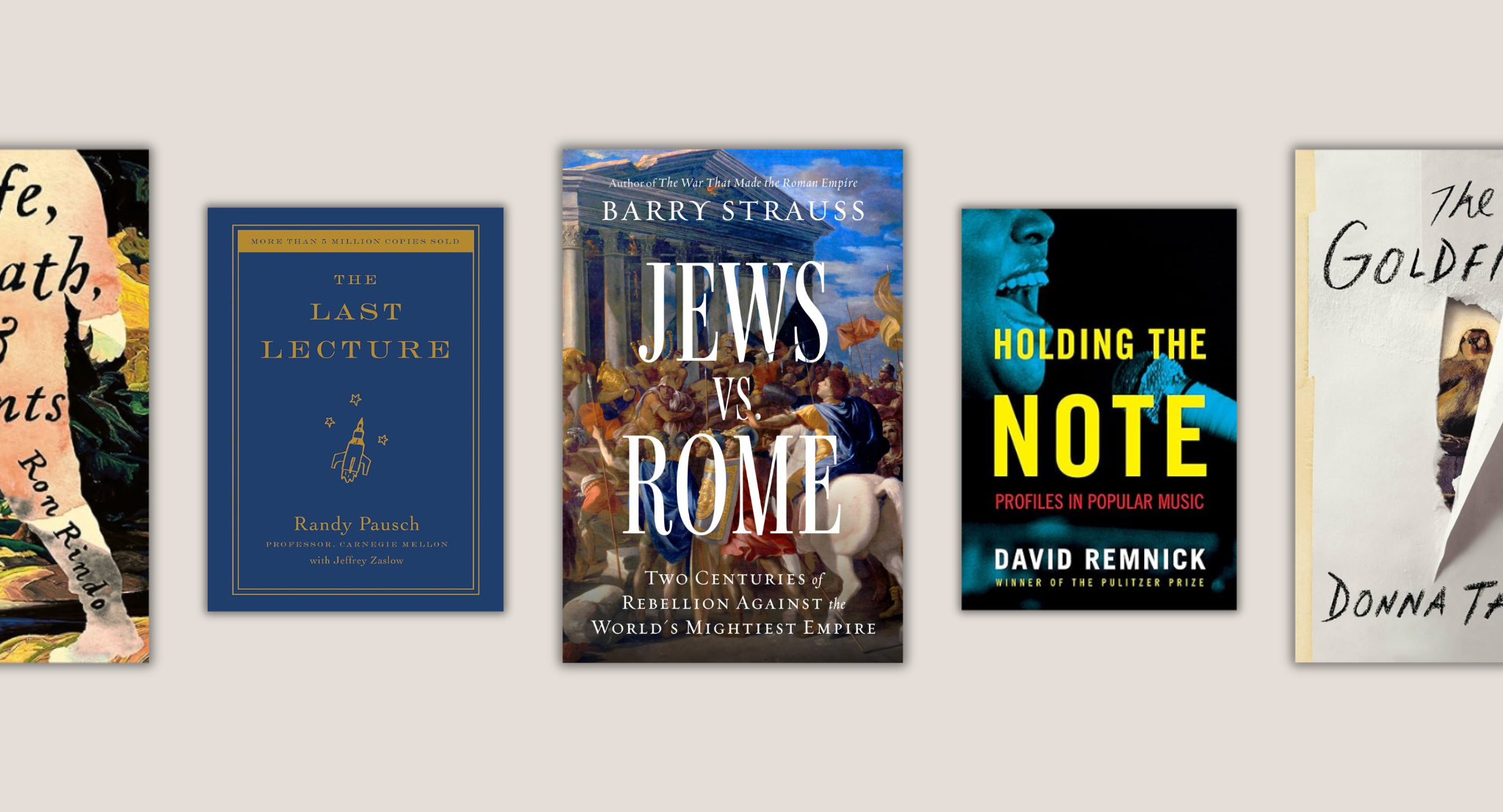
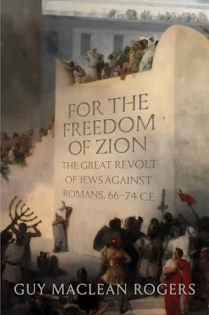
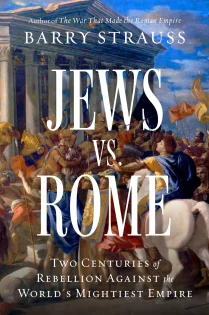
For the Freedom of Zion by Guy MacLean Rogers and Jews vs. Rome by Barry Strauss
Summer and the Jewish calendar often pull us in opposite emotional directions. Summer invites relaxation, travel, and long, carefree days. Yet just as the season begins, the Jewish calendar ushers in the Three Weeks, leading us into a period of reflection and mourning for the destruction of the Beis HaMikdash.
How do you embrace the ease of summer while still making room for the kind of reflection that mourning demands?
For me, the answer is often books. The Talmud teaches that when we study the laws and ideas surrounding the Beis HaMikdash and redemption, we are granted a taste of those realities through the text itself. Books allow us, even from a beach chair or a backyard hammock, to encounter the grandeur of what was lost and the world we still hope to rebuild.
One book I return to nearly every summer is For the Freedom of Zion by Guy MacLean Rogers, a gripping account of the final Roman campaign that culminated in the destruction of the Second Temple. This year I also hope to read Barry Strauss’s Jews vs. Rome: Two Centuries of Rebellion Against the World’s Mightiest Empire, which widens the lens to encompass the Jewish revolts against Rome, including the Bar Kochba rebellion that followed in the aftermath of the destruction.
Both books tell stories of loss, courage, and perseverance. And perhaps that is precisely why they belong on a summer reading list for this season of the Jewish year: Even in the most relaxed months, they remind us of the things most worth fighting for.
Denah Emerson — Podcast Editor
Life, and Death, and Giants by Ron Rindo
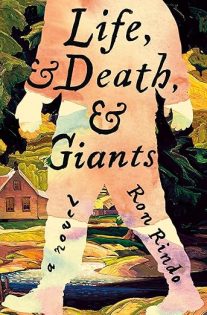
I’m welcoming summer with Life, and Death, and Giants because summer has always felt like the right season for stories that are willing to think big. The novel follows Gabriel Fisher, a giant of a man whose life reverberates through an entire community, but from what I’ve read so far, it’s really a story about the people who surround one another, shape one another, and carry one another through life’s joys and losses.
I’m drawn to books that take faith seriously without becoming didactic, and that are interested in the texture of ordinary life while still reaching for something transcendent. Much of my work involves listening to people grapple with questions of meaning, identity, and belonging, so I’m always excited by stories that approach those questions through narrative rather than argument. The title alone promises an engagement with some of the biggest themes we encounter as human beings, and the novel seems unafraid to meet them with both sincerity and wonder.
As I head into a summer that promises to be full of travel, family celebrations, and more than a little chaos, I’m looking forward to carrying along a book that asks us to pay attention to the people around us and the larger stories we’re all a part of. It feels like the kind of novel that lingers long after the final page—and that’s exactly what I want from a summer read.
Cody Fitzpatrick — Associate Editor
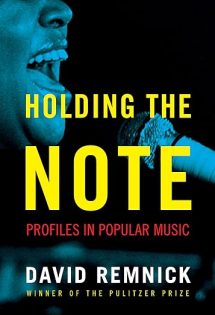
Holding the Note: Profiles in Popular Music by David Remnick
There’s an exchange that lives in my head. It’s between Stephen Colbert and Billy Joel, from Colbert’s show in 2017.
“Elton John says you should put out more albums,” Colbert told a 67-year-old Joel, who hadn’t released a pop album in 23 years.
“Yeah,” Joel replied, “well I told him he should put out less albums.”
The type of sentiment expressed in that quip is given a far more earnest, in-depth treatment in Holding the Note by David Remnick, which consists of profiles of past-their-prime musicians such as Bob Dylan, Leonard Cohen, and Bruce Springsteen.
“This is a book that’s mainly about people in the rock-and-roll business as they age—as we all do—and what happens to their music, what happens to their lives, how they face this,” Remnick said on the podcast Unholy. “The book is about music, but it’s also about, not to get too grand, mortality.”
“For musicians late in their careers,” Remnick writes in the preface, “it’s the spirit of sostenuto, of sustain, that prevails: writing, playing, and performing keeps them in the game, helping to replenish what age has attenuated.”
In 2024, seven years after that Colbert interview, Joel debuted a new song, “Turn the Lights Back On.”
Rivka Bennun Kay — Shabbos Reads Editor
The Goldfinch by Donna Tartt
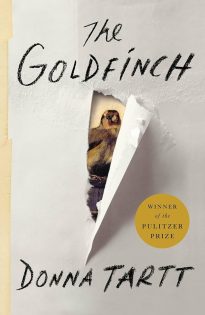
A few weeks ago, I wrote about my quest to start reading long books again, and I’m happy to report that I’ve started: I’m 130 pages into Donna Tartt’s The Goldfinch. It’s the story of a 13-year old boy named Theo who loses his mother to a catastrophe that he miraculously survives. It’s about love, loss, and longing—so far.
The novel is 864 pages, but I’ve realized it’s a fast read—not because it’s easy, but because Tartt is a master storyteller. She makes you work hard, and somehow you’re still breezing through. I’ve been reading it on those long summer Shabbos afternoons, when my mind is most receptive to complex, beautiful, heartbreaking stories.
What’s struck me most is how Tartt handles grief—not as an event but as a weather system that moves through Theo’s life, sometimes distant, sometimes suffocating. The Goldfinch is one of those books so rich with imagery and description that I keep stopping to reread sentences—a habit I’m not abandoning even as I endeavor to read long books this summer.
Tzila Hadad — Social Media Manager
The Last Lecture by Randy Pausch
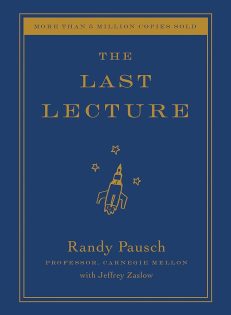
This summer, I’m reading The Last Lecture by Randy Pausch. Written after Pausch was diagnosed with terminal cancer, the book is based on a lecture he gave about achieving childhood dreams and living a meaningful life. Rather than focusing on loss, he shares lessons on gratitude, perseverance, and making the most of the time we have.
As summer begins—a season of fresh starts and reflection—I’m looking forward to a book that challenges me to think more intentionally about how I spend my time and the kind of life I want to build. I’m especially drawn to the way Pausch balances honesty with optimism, offering wisdom that feels both practical and deeply personal. Its message feels especially fitting for a season that invites growth, reflection, and a renewed sense of purpose.