

Your 18Forty Parsha Guide is a weekly newsletter exploring five major takeaways from the weekly parsha. Receive this newsletter every week in your inbox by subscribing here. Questions or feedback? Email Rivka Bennun Kay at Shabbosreads@18forty.org.
Think about the last time you watched a public figure fall. A rabbi caught in scandal, a politician exposed for hypocrisy. You probably felt a rush of disappointment, and underneath that, a nagging question. Were our expectations unreasonable, or were theirs? We ask this question every few news cycles, and we never quite land on an answer. Parshat Emor has more to say about the price of public life than we might expect, and the ancient priesthood’s standards cut surprisingly close to modern debates about leadership.
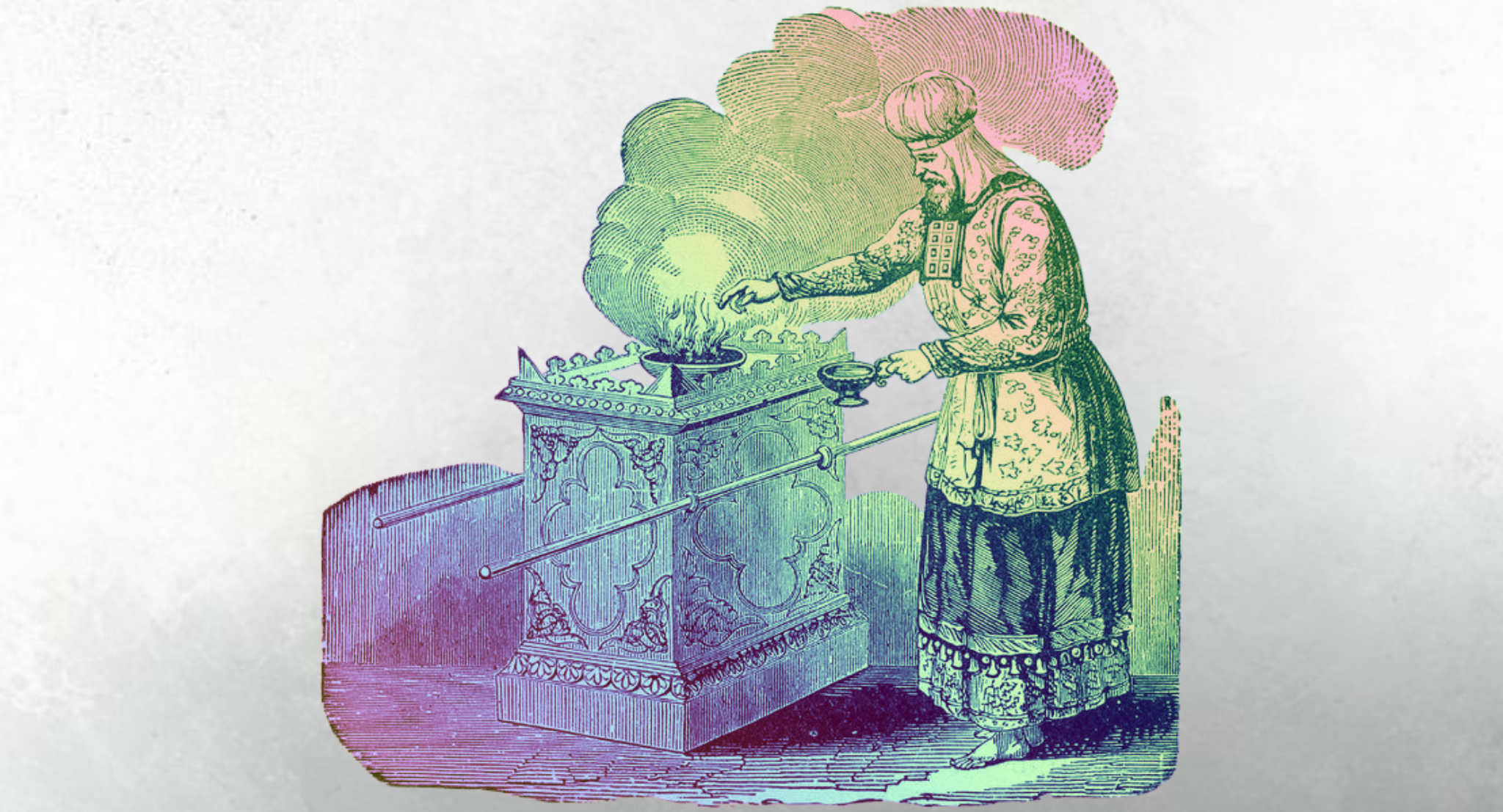
Parshat Emor turns its attention specifically to the Kohanim, the priestly class, and imposes restrictions that feel uncomfortably hierarchical, demanding sacrifices from one group that the rest of the community never has to make. A Kohen cannot attend most funerals, cannot serve at the altar if he has a physical blemish, faces restrictions on whom he may marry, and must monitor his own ritual purity even when nobody is watching. We live in an era that celebrates authenticity and resists hierarchy. The idea that one class of people should surrender personal freedom for the sake of a communal role feels archaic, the kind of arrangement our instincts tell us to resist.
And yet, beneath the ritual specifics lies a set of standards that speak directly to how we think about leadership today. Parshat Emor argues that representing something larger than yourself comes at a cost, and that the cost is paid in the currency of personal autonomy. The parsha’s thesis is startlingly direct, insisting that a religious leader’s life, from their grief to their dinner table, belongs to the community, and through the community, to God. The parsha builds this case across five dimensions of a leader’s life, each one cutting closer to the core of what representation demands.
1. Leaders Must Learn to Hold Their Grief
Vayikra 21:1-4 opens with an unusual instruction. The Kohen is told he may not become ritually impure through contact with the dead, except for his closest relatives, specifically his mother, father, son, daughter, brother, and unmarried sister. Everyone else, no matter how beloved, falls outside the circle of permitted mourning. The text draws a boundary that ignores the actual landscape of love, leaving relationships that may matter deeply, like an aunt, a cousin, a lifelong mentor, or a childhood friend, on the other side of a hard line.
Rashi on this verse notes the double language of the opening, “emor … v’amarta,” which he reads as an instruction to the adult Kohanim to educate their children in these laws. The burden of emotional regulation, in other words, is taught early, woven into the formation of the person before adulthood even begins.
This dynamic extends well beyond the ancient priesthood. Sociologist Arlie Russell Hochschild explored it in her landmark study The Managed Heart, where she coined the term “emotional labor,” describing the effort required to suppress or induce feelings to maintain a professional facade. Hochschild documented how this plays out in practice across professions that demand emotional consistency, from flight attendants who must smile through turbulence, to nurses who must remain calm while delivering devastating news, to the Kohen who must serve at the altar while his uncle’s funeral happens across town, carrying the weight of grief he is forbidden to publicly express.
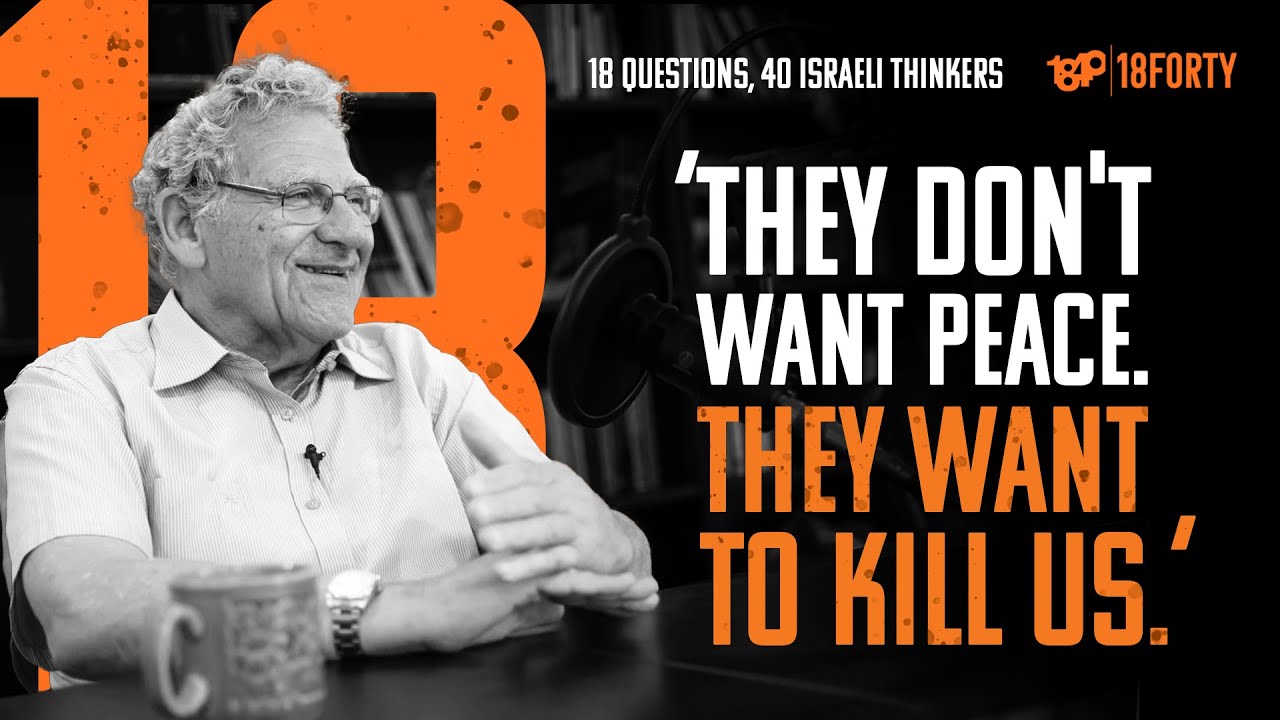
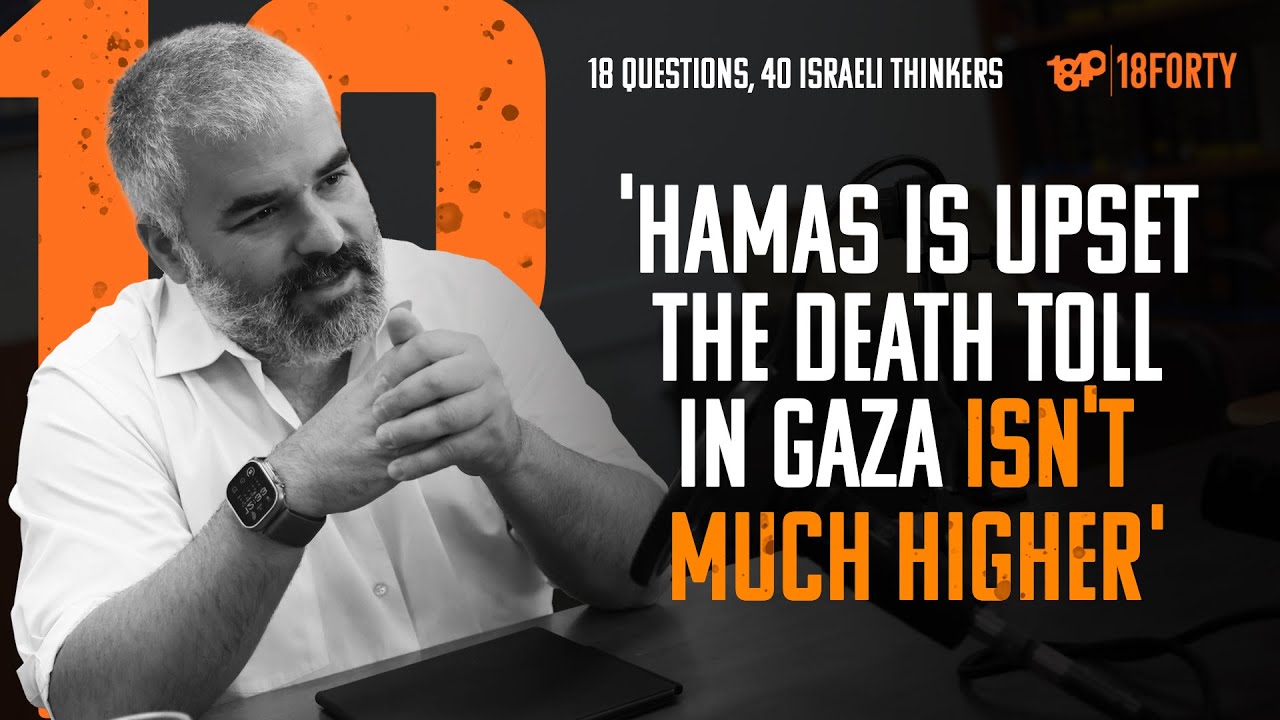
This same tension runs through communal leadership in every era. The community needs its leaders to be emotionally available for them, which sometimes means being emotionally unavailable for themselves. David Bashevkin opened up about this collision directly, describing how the public demands of a visible communal role can pull against the leader’s private emotional reality in ways that are rarely acknowledged.
The Torah’s response to this tension is revealing. Rather than demanding total suppression, it exempts six close relatives, acknowledging that the leader remains human even within the demands of the role. The standard is calibrated to serve the community without severing the leader’s closest bonds. For anyone who has watched a community leader show up at every shiva while neglecting their own family, this balance carries real weight. And the deeper implication builds toward everything that follows in the parsha, because emotional regulation is the first discipline of leadership. If the leader cannot hold their own grief, they cannot hold anyone else’s either.
2. The Demand for Physical “Wholeness” Reveals Something Uncomfortable About Us
Vayikra 21:17-21 lists physical conditions, called mumim, that disqualify a Kohen from offering sacrifices at the altar. The passage includes blindness, lameness, a broken limb, a facial disfigurement, and several other conditions that render a priest unfit for the visual theater of Temple worship.
This passage is jarring, and it should be. It appears to equate physical appearance with spiritual fitness. Disability studies scholar Tobin Siebers identified this exact assumption in Disability Aesthetics, calling it the “ideology of ability.” Societies, Siebers argued, treat physical wholeness as the default human condition and marginalize anyone who deviates from it. If the Torah simply disqualified a Kohen with a blemish and moved on, the passage would deserve every criticism leveled at it.
But the Torah does not move on. The Sefer HaChinuch reframes the restriction as being about the audience rather than the priest. Human beings are psychologically influenced by appearances, the Chinuch explains, and an emissary who inspires awe through their presentation elevates the worship experience for everyone present. The restriction, in this reading, is a concession to the psychology of the worshippers, not a verdict on the worth of the Kohen.
And then comes the move that matters most. Vayikra 21:22 states that the Kohen with a blemish still eats from the sacred offerings, “the bread of his God, of the most holy and of the holy.” He is not expelled from the priesthood. He retains his priestly identity, his sacred access, and the community’s material support. The text separates the role from the person with a precision that most modern institutions still struggle to achieve. In most contemporary settings, losing a visible role means losing standing entirely, because we habitually conflate what someone does with who they are. The Torah insists on the distinction.
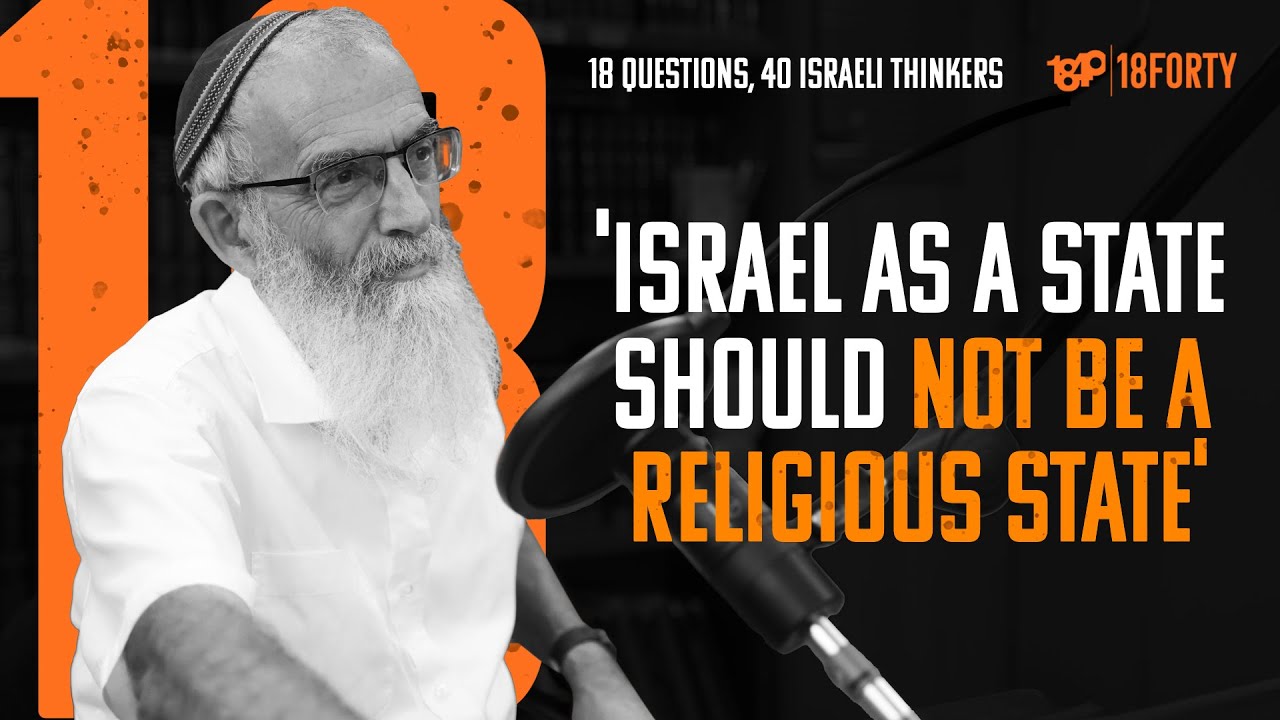
Lipa Schmeltzer has lived inside this tension. He described the collision between the public persona demanded by communal life and the private reality of personal struggle, and his experience reveals how the failure to make the Torah’s distinction plays out in practice. When religious communities demand outward “perfection” without preserving the dignity of those who fall short of the image, they inflict precisely the harm that the Torah’s framework was designed to prevent.
The challenge this section poses builds on what came before. If emotional regulation is the first cost of leadership, aesthetic scrutiny is the second. The Torah does not pretend that appearances are irrelevant, because they are not. But it builds a structure where a person can step back from a visible function without losing their place, their identity, or their sacred worth, and that distinction is one we still need to learn from.
3. A Leader’s Family Life is Never Fully Private
Vayikra 21:7 restricts whom a Kohen may marry, and Vayikra 21:9 prescribes severe consequences for a Kohen’s daughter who “profanes herself through harlotry.” Rashi on 21:9 explains the severity by noting that her behavior “profanes her father,” meaning the family’s conduct reflects directly on the leader’s credibility.
By contemporary standards, this feels deeply unfair, and the question practically asks itself: why should a father’s standing depend on his daughter’s choices? Yet the text is describing a reality that has not changed much in 3,000 years. Ask any public figure whether their family life stays private, and the answer is always the same. The Torah does not invent this dynamic. It acknowledges it with characteristic honesty and then builds a legal framework around it, which is precisely what makes the Kohen’s marriage restrictions so unsettling. They formalize a reality we prefer to leave unspoken.
Sociologist Lewis Coser analyzed this phenomenon in Greedy Institutions, his study of roles that demand total commitment. The clergy is Coser’s paradigm case: an institution that swallows the family into the public sphere because its claims on the individual are so totalizing that no private space remains untouched. The Kohen’s marriage restrictions are the Torah’s way of acknowledging that a leader’s family is part of the leadership.
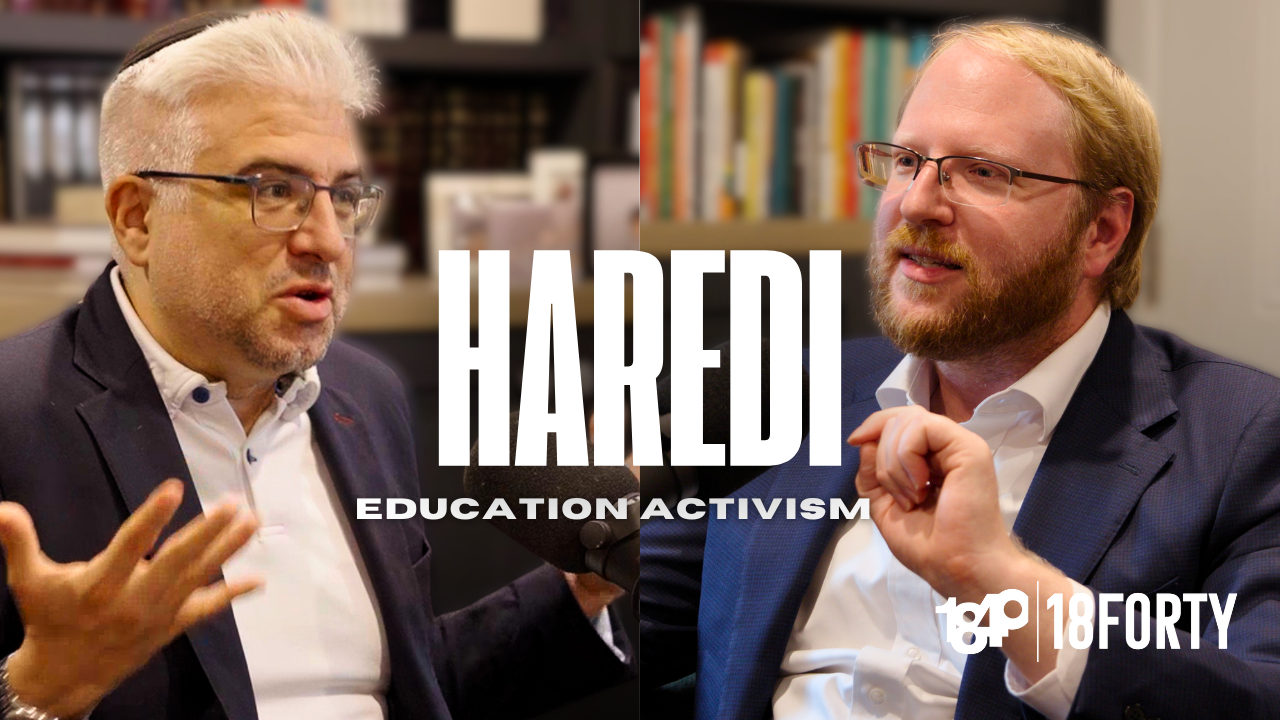
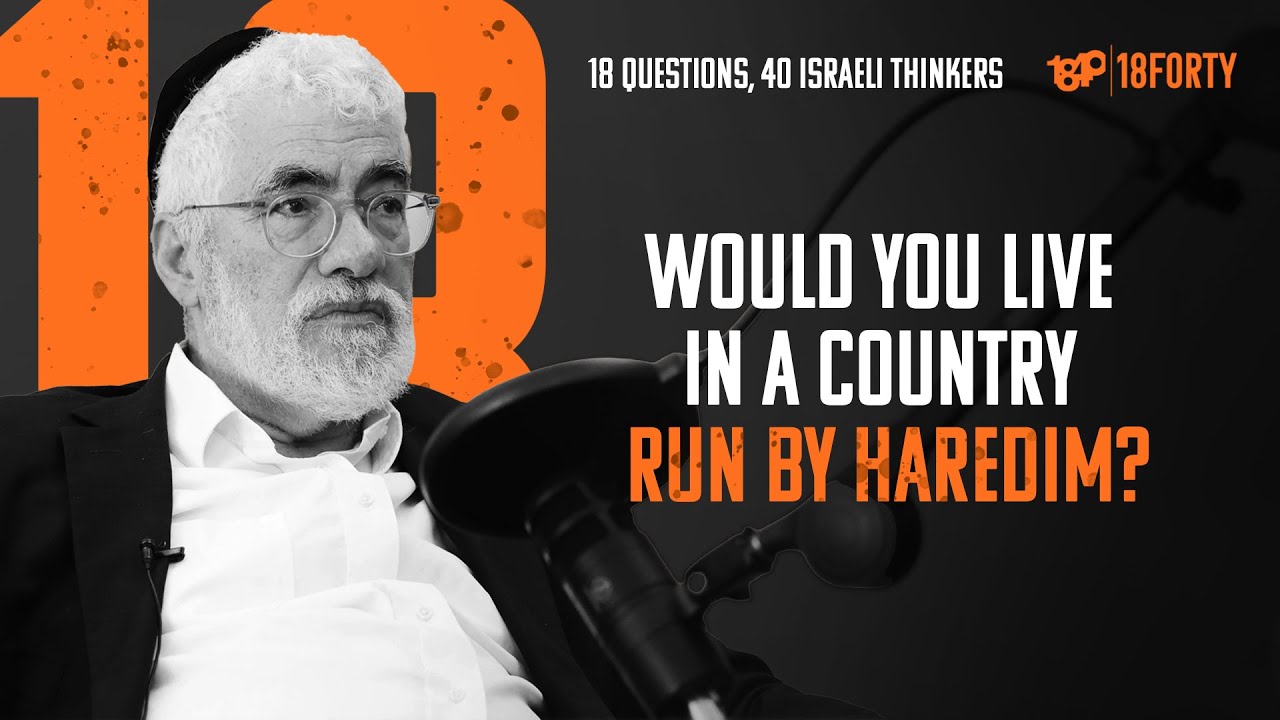
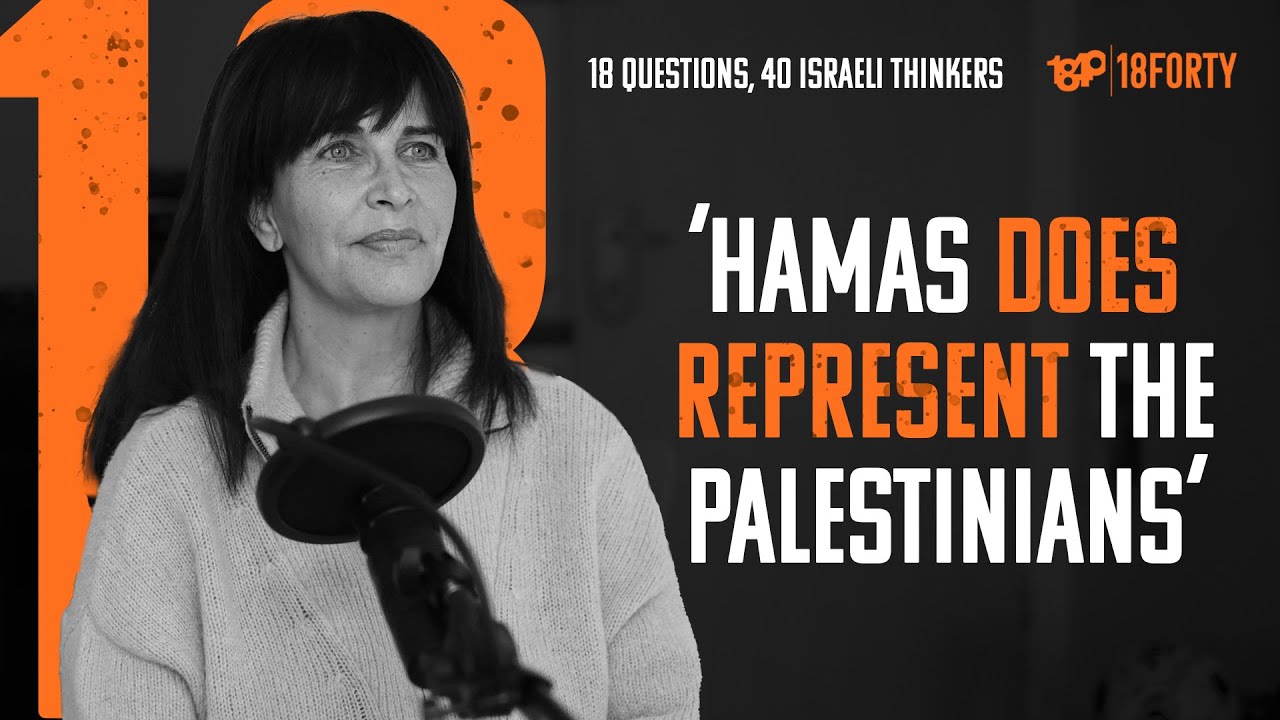
Rivka Ravitz described this firsthand from her experience as chief of staff to the Israeli president while raising a large family. For people in these positions, the intersection of public responsibility and private life is never theoretical but a daily negotiation where the boundaries blur constantly. The Torah understood that the family of a public servant belongs, in some measure, to the public. Whether we like that reality or not, ignoring it does not make it disappear.
The text maps the ecosystem of influence. When a community invests its trust in a leader, that trust extends to the leader’s household because the household is where values are first transmitted. This insight leads us to recognize that authentic leadership permeates the domestic sphere, because if the training ground produces chaos, the public role loses its foundation. And if private life cannot sustain the public standard, what happens when nobody is watching at all?
4. The Real Test is What You Do When Nobody Watches
Vayika 22:4-9 details the laws of ritual impurity, tumah, as they apply to Kohanim who want to eat terumah, the sacred food set aside for the priestly class. A Kohen who has become impure must wait, immerse, and only eat the holy food after sunset. The consequence for violating this is severe: “They shall die for it.”
Here is what makes this passage so striking. Ritual impurity, tumah, is invisible. There is no external marker, no test, no way for anyone to verify whether a Kohen has properly purified himself before eating. The entire system relies on the individual’s self-reporting. Rambam codifies the strictness of these laws while noting that their enforcement rests entirely on the conscience of the Kohen himself.
Behavioral economist Dan Ariely explored this exact territory in The (Honest) Truth About Dishonesty, documenting what he calls the “fudge factor”: the small amount of cheating people allow themselves when they can benefit without getting caught. People do not typically become criminals overnight. They cut small corners, tell themselves small stories, and gradually erode their own standards in precisely the areas where no one is looking.
The Torah anticipates this. By making the consequence for eating terumah while impure so severe, the text signals that private integrity is the foundation on which public authority rests. A leader who cuts corners in the dark will eventually cut them in daylight. The erosion of integrity is gradual, almost imperceptible to the one experiencing it, and by the time it surfaces publicly, the damage is already structural.
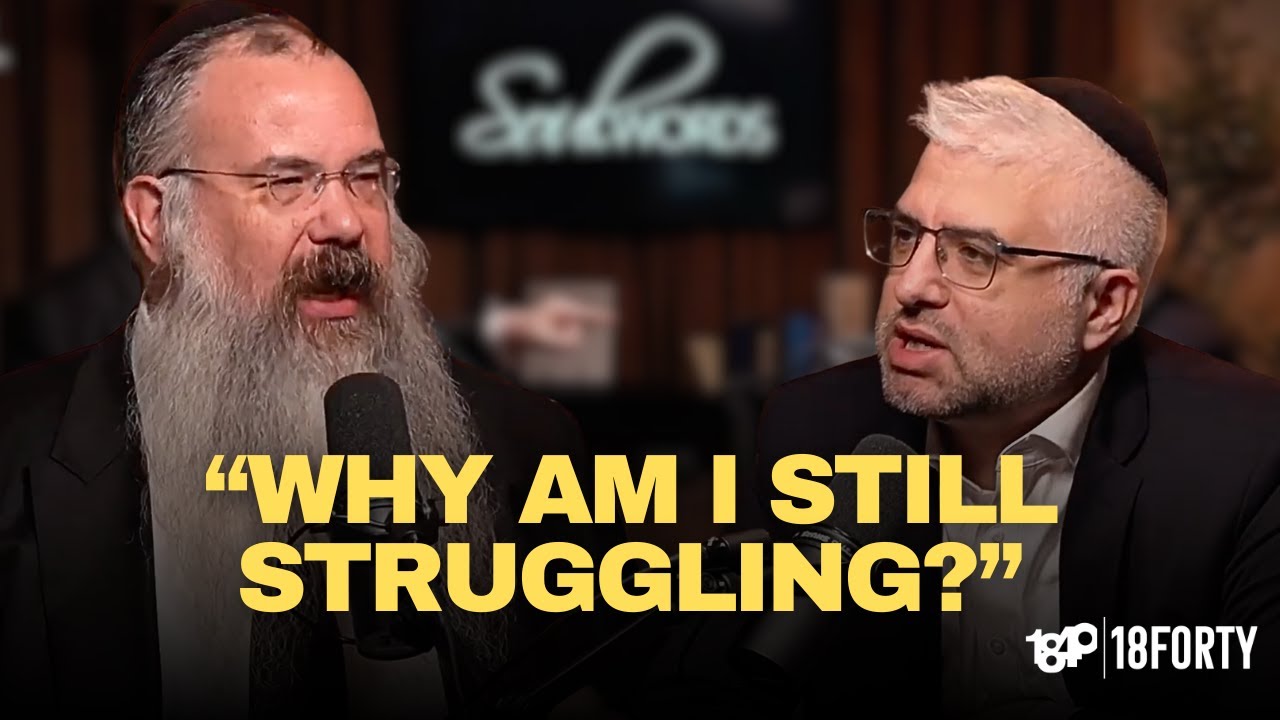
Rabbi Jeremy Wieder has discussed how halachic commitment shapes character through precisely this kind of discipline. Religious integrity, in this framework, is defined by the gap, or lack of one, between public behavior and private conduct. The Kohen at the table, hungry and alone, choosing to wait until sunset despite no witness, embodies the Torah’s highest standard for leadership: consistency between the seen and the unseen. What emerges from this standard is that private discipline is the prerequisite for public authority, and what a leader does in private eventually determines what they represent in public.
5. You Are a Walking Advertisement for the Divine
Vayikra 22:32 delivers the capstone of the priestly code, commanding “You shall not profane My holy name, that I may be sanctified in the midst of the children of Israel.” This verse establishes the concepts of Kiddush Hashem, sanctification of God’s name, and Chillul Hashem, its desecration.
The Talmud in Yoma 86a takes this principle and, further into its discussion of repentance, makes it strikingly behavioral. The Talmud envisions a Torah scholar who conducts business honestly and treats people with genuine care, prompting observers to say, “How fortunate is the father who taught him Torah.” If that same scholar behaves boorishly, the reaction inverts: “Woe to the father who taught him Torah.” The sanctification of God’s name, in other words, does not live in grand theological gestures. It lives in how you pay your bills and how you treat the people who can do nothing for you in return.
Sociologist Erving Goffman developed a parallel framework in The Presentation of Self in Everyday Life, arguing that all social interaction involves managing the impressions we create. For most people, impression management is a social skill. For a leader, it becomes a moral obligation, because their performance carries consequences beyond themselves.
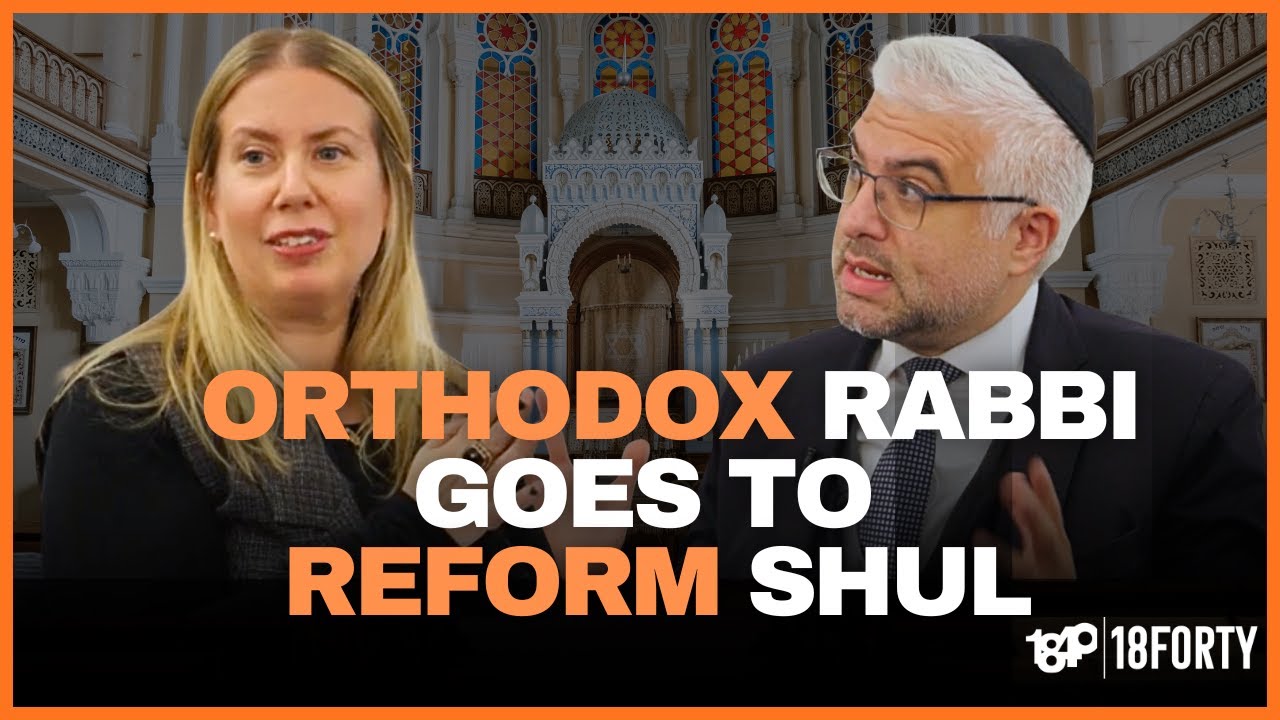
Rabbis Haskel and Josh Lookstein know this reality intimately. Growing up in a rabbinic dynasty, they described how every interaction, every public appearance, and every personal choice is read through the lens of the family name. Their conduct is never just personal. It is always, inevitably, a statement about the tradition they represent.
Each standard we have traced through Parshat Emor builds toward this conclusion. The mourning laws demand that a leader regulate grief so the community can depend on them. The blemish laws acknowledge that worship has a visual dimension while insisting that stepping back from a role never diminishes a person’s sacred worth. The marriage laws expose the reality that a leader’s household is never fully private. And the purity laws make private integrity the foundation of public authority. Together, these standards converge on a single claim about what it means to represent God.
That claim carries an uncomfortable tension the modern reader will feel immediately. If every human being is created b’tselem Elokim, in the divine image, then a system that restricts who may stand at the altar based on physical appearance seems to contradict its own theological foundation. The God who created every person now appears to reject some of them from service. The Torah does not resolve this tension neatly, and we should be honest about that. What it does, as we saw in the blemish laws, is refuse to let the restriction become a verdict on the person. The Kohen with a mum retains his priesthood, his sacred access, and his place in the community. The role narrows, but the worth remains whole. Whether that distinction satisfies the modern conscience is a question each reader must answer for themselves.
What is clear is that in a monotheistic framework, God has no physical form. The only way people encounter the Divine is through those who claim to represent it. When the representative is honest, gentle, and disciplined, the God they serve appears worthy of devotion. When the representative is corrupt or careless, the entire theological project suffers alongside the institutional one. The standards for Kohanim feel so demanding because the stakes are not just institutional but theological, and the Torah treats the leader’s daily conduct as the primary medium through which God becomes either beloved or dismissed.
Questions for Reflection
- Where in your life do you feel the tension between your private emotional needs and the demands of a role you have taken on?
- When you observe a religious leader, how much of your trust is based on their teaching and how much on their personal conduct?
- How do we build communities that hold leaders to high standards without crushing them under impossible expectations?
This project is made possible with support from the Simchat Torah Challenge and UJA-Federation of New York. Learn more about the Simchat Torah Challenge and get involved at their website.