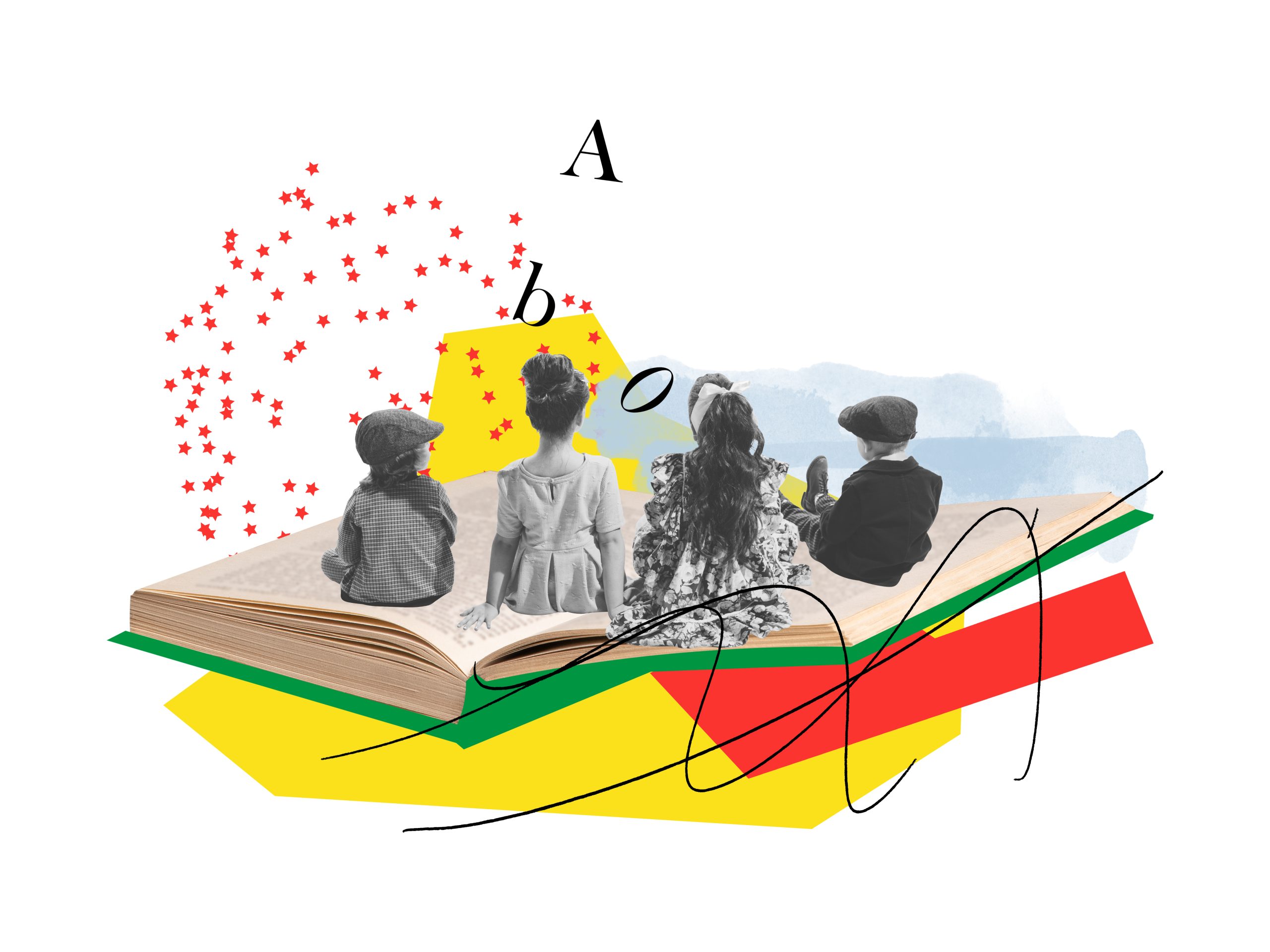


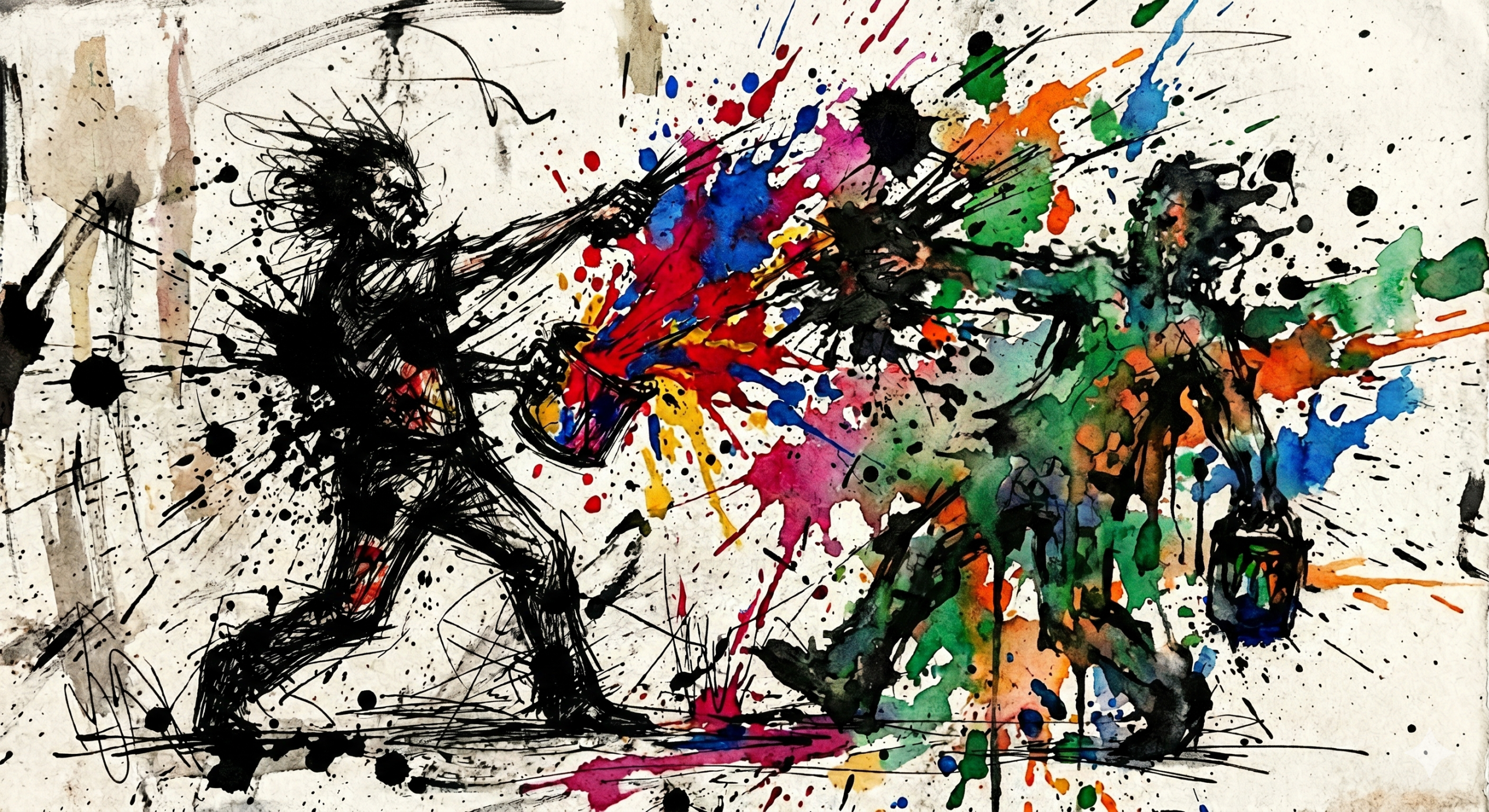
In Theory: Transference in psychodynamic theory, first articulated by Sigmund Freud, is the process by which feelings, expectations, and relational patterns from the past are unconsciously displaced onto a person in the present. These dynamics often become visible in the relationship to the therapist, where earlier relationships such as a parent, a sibling, or an early authority are unconsciously reactivated. In the patient’s experience, the therapist carries more meaning than their presence alone would suggest. Transference operates in many relationships where responses to others are shaped by associations that precede the present encounter. This unconscious layer filters our current perceptions, causing us to react to contemporary figures using the emotional vocabulary of our oldest attachments.
In Experience: A person feels, in the presence of a particular figure, a combination of apprehension that seems larger than the situation itself. That impression can color how attention is held and how meaning is assigned to words, gestures or silences. The same encounter can shift the sense of closeness or safety without anything changing on the outside.
In Thought: Much of what is experienced in relationships may have preceded them. The feelings stirred by someone now may belong partly to someone then.
In Print: Yalom, I. D. Love’s Executioner and Other Tales of Psychotherapy (1989)
In Attention: Notice an interaction where the response feels heavier than it should.