
Begin exploring
today’s
biggest Jewish
questions…
×

Mendel Horowitz
Mendel Horowitz, MS, CGP, maintains a private practice in Jerusalem and virtually, offering individual and group therapy, clinical supervision, and professional training groups. Certified by the International Board for Certification of Group Psychotherapists, he also serves on the editorial staff and Public Outreach Committee of the American Group Psychotherapy Association.

Barefoot in Uncertainty: Reflections on Sukkot and Psychotherapy
Sukkot has ended once again, and yet it lingers. Around my neighborhood, a few stubborn structures still stand, resisting the season’s departure.…
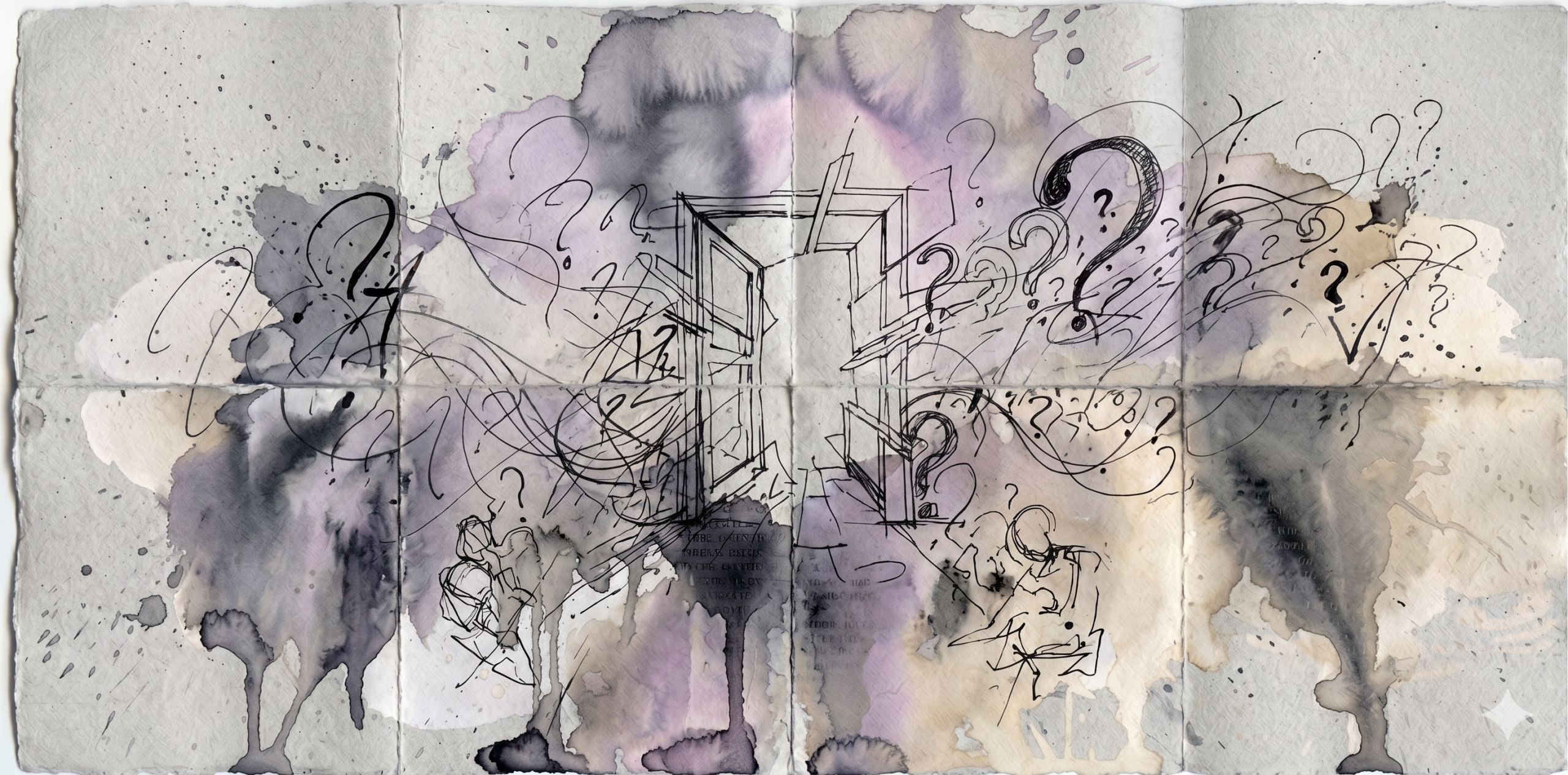
Day 30: Tolerating Uncertainty
In Theory: Within the psychodynamic tradition, therapy does not deliver a person to certainty about who they are, what they feel, or…

Day 29: Sublimation
In Theory: Among the defense mechanisms, sublimation holds a distinctive place in psychodynamic theory. As described by Sigmund Freud, sublimation is the…

Day 28: The Capacity To Be Alone
In Theory: Within the psychodynamic tradition, D. W. Winnicott made a paradoxical observation that the capacity to be alone is acquired in…

Day 27: Object Constancy
In Theory: Object constancy, in object relations and attachment theory, is the capacity to maintain a stable sense of another person even…

Day 26: Integration
In Theory: Within the psychodynamic tradition, the goal of therapy is not happiness or the elimination of conflict. It is the gradual…

Day 25: Working Through
In Theory: In psychodynamic therapy, insight alone is rarely sufficient for change. The same material, pattern, and relational dynamic must be revisited…

Day 24: The Depressive Position
In Theory: Within the object relations tradition, Melanie Klein described the depressive position as a developmental achievement in which a person recognizes…

Day 23: Mourning
In Theory: Sigmund Freud distinguished between mourning and melancholia within the foundational psychodynamic tradition. In mourning, the loss is known and grief…
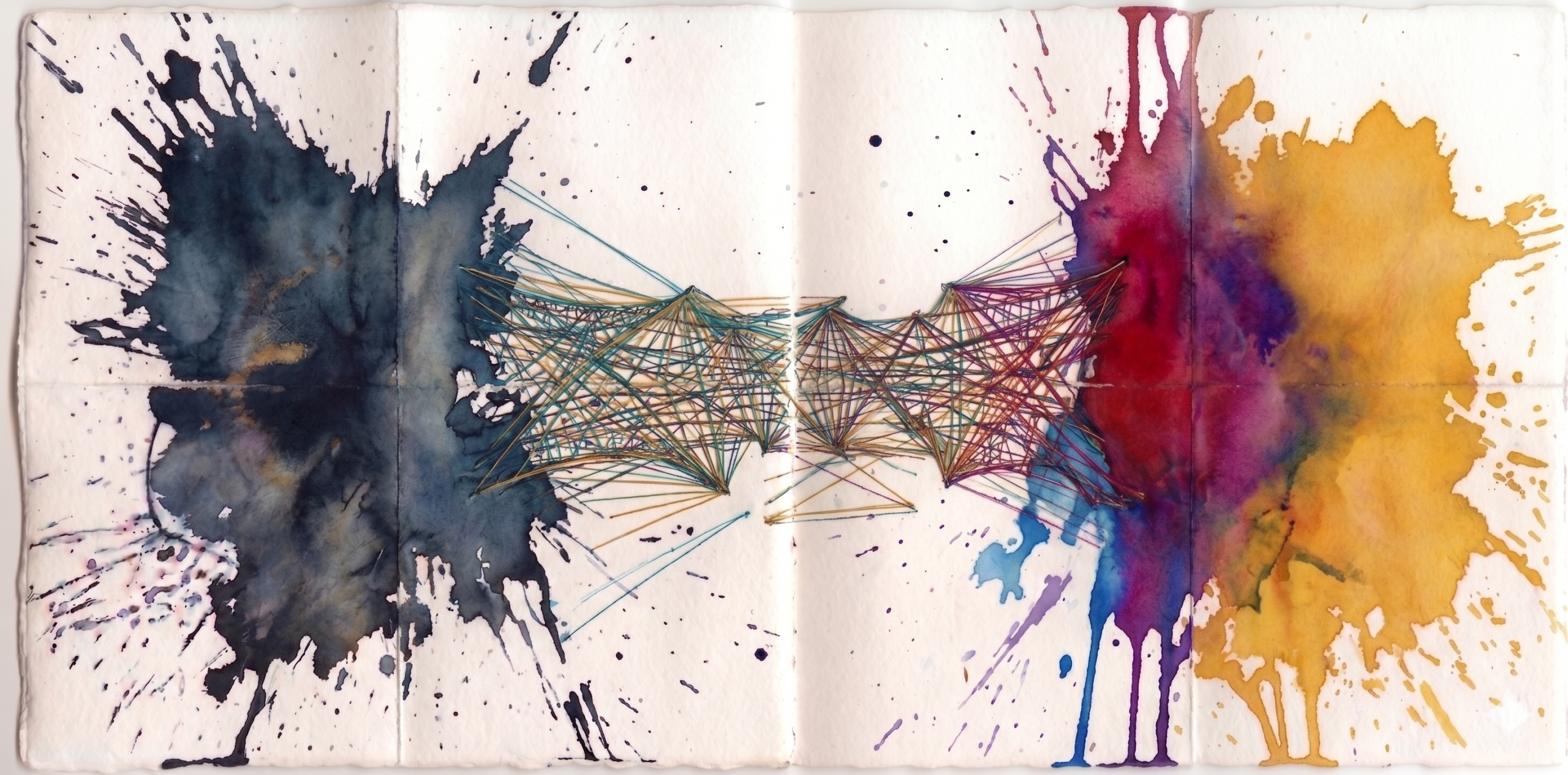
Day 22: Ambivalence
In Theory: Melanie Klein, within the object relations tradition, described ambivalence as the capacity to hold love and anger, admiration and resentment,…

Day 21: Repetition Compulsion
In Theory: One of Sigmund Freud’s most enduring clinical observations is that patterns repeat, not deliberately or consciously, but with regularity that…
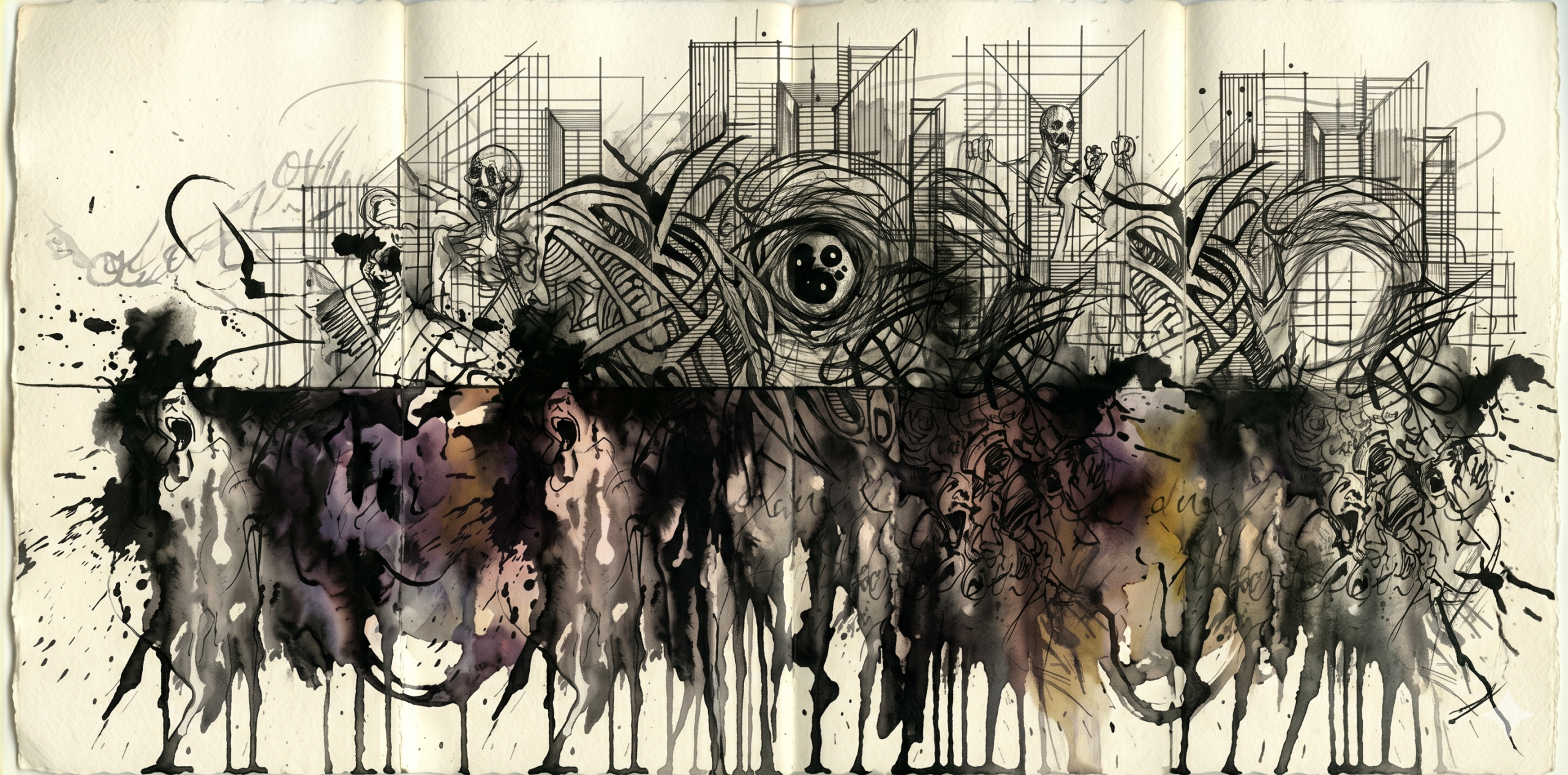
Day 20: The True & False Self
In Theory: D. W. Winnicott distinguished between two modes of selfhood within the object relations tradition. The True Self refers to spontaneous…