

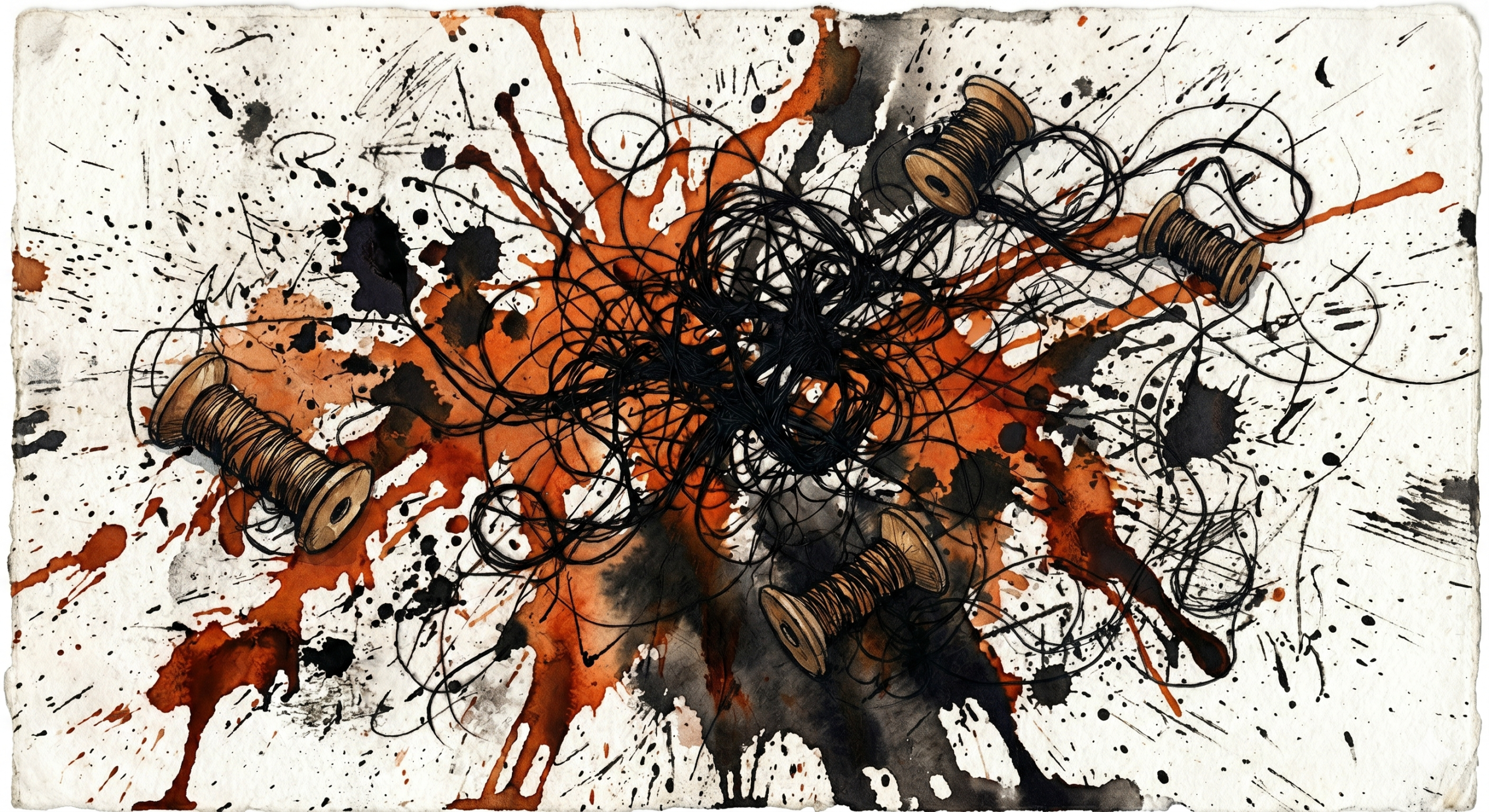
In Theory: An enactment in contemporary psychodynamic theory occurs when something that cannot be spoken, such as a feeling, a relational dynamic, or an earlier pattern, is expressed through behavior rather than words. These contemporary relational patterns often unfold without awareness at the time. What is difficult to think about directly can take form in action, shaping interactions in ways that are not immediately recognized. Contemporary psychodynamic thinking understands these moments as part of how experience becomes visible when it cannot yet be articulated. These expressions often repeat across different situations, creating a sense of familiarity without clear explanation. Through this un-vocalized choreography, the participants unconsciously stage a live performance of the history they are not yet equipped to comprehend or express.
In Experience: Without understanding, the same pattern returns across different situations. A conversation shifts in a familiar way. A behavior carries a sense of repetition that extends beyond the immediate context. Patterns can appear in relationships or in moments of decision, where the outcome feels both predictable and hard to change. Over time, the pattern begins to feel like part of the situation itself.
In Thought: What cannot be said may take form in what is done. Patterns of behavior can reflect what has not yet found words.
In Print: Jacobs, T. The Use of the Self (1991)
In Attention: Notice something done repeatedly without words to explain it.