

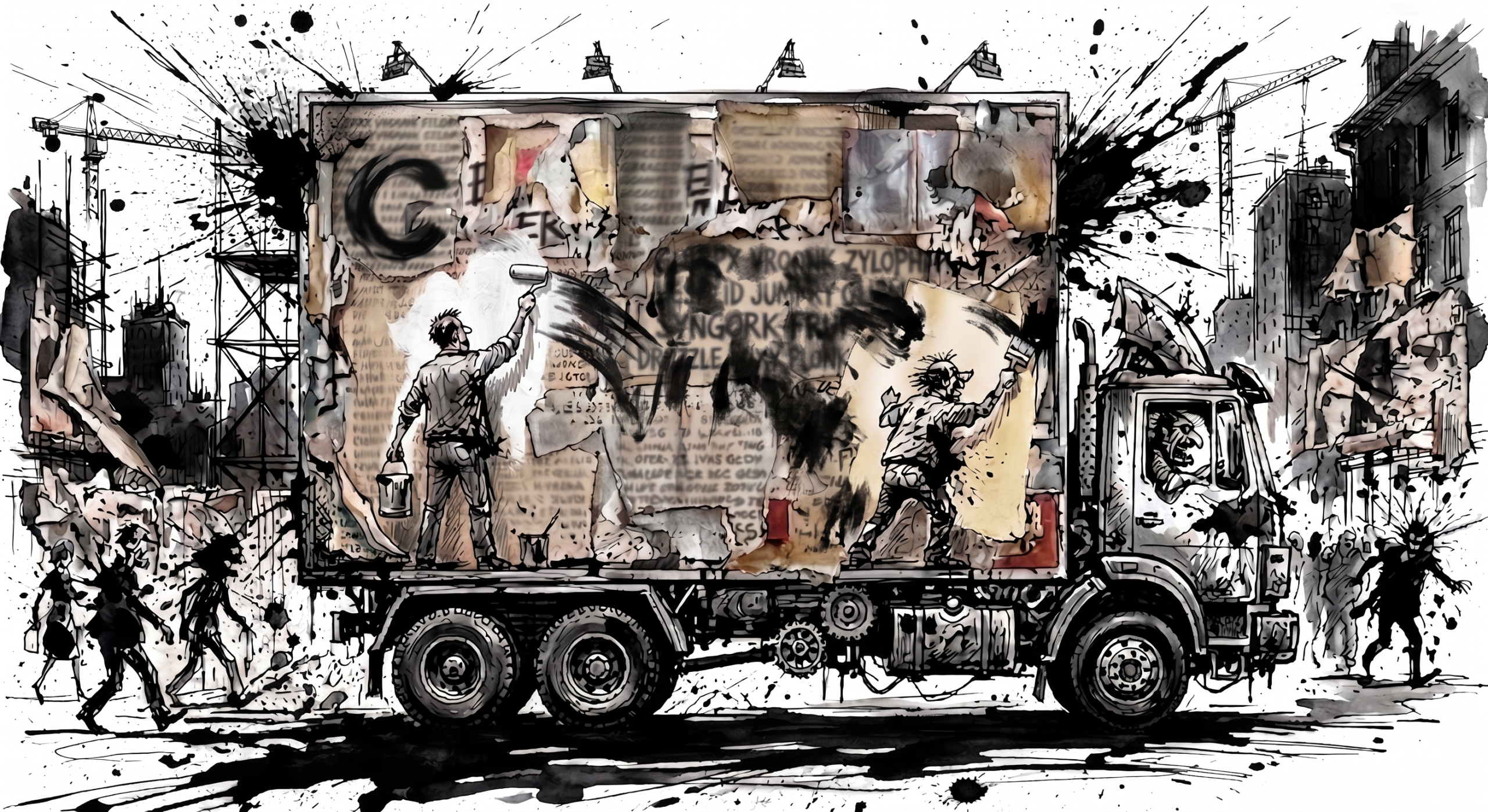
In Theory: Psychodynamic thought proposes that experience does not always acquire meaning at the moment it occurs, but only afterward under different emotional or relational conditions. Sigmund Freud described this quality as Nachträglichkeit (afterwardsness). Jacques Lacan extended this idea by emphasizing that meaning is retroactively reorganized through language and later experience. Within this thinking, the past is not a stable archive in the mind. Earlier experiences are continually reinterpreted. Something once ordinary or unnoticed may become charged years later. The mind returns to the past regularly, discovering new meanings within it over time. This retroactive process transforms memory into a dynamic landscape, ensuring that our history is never truly fixed but remains open to revision as we acquire new psychological tools.
In Experience: A person hears a sentence spoken casually by a parent while visiting home as an adult. Versions of it have been heard throughout a lifetime, but this time the remark suddenly feels painful like never before. What was once endured without reflection is now recognized as criticism, absence, or loneliness. The memory itself has not changed, but the person encountering it has.
In Thought: An experience does not possess a single permanent meaning. What feels unchangeable may be waiting for different words.
In Print: Lacan, J. The Function and Field of Speech and Language in Psychoanalysis (1953)
In Attention: Notice a story that keeps being retold.