

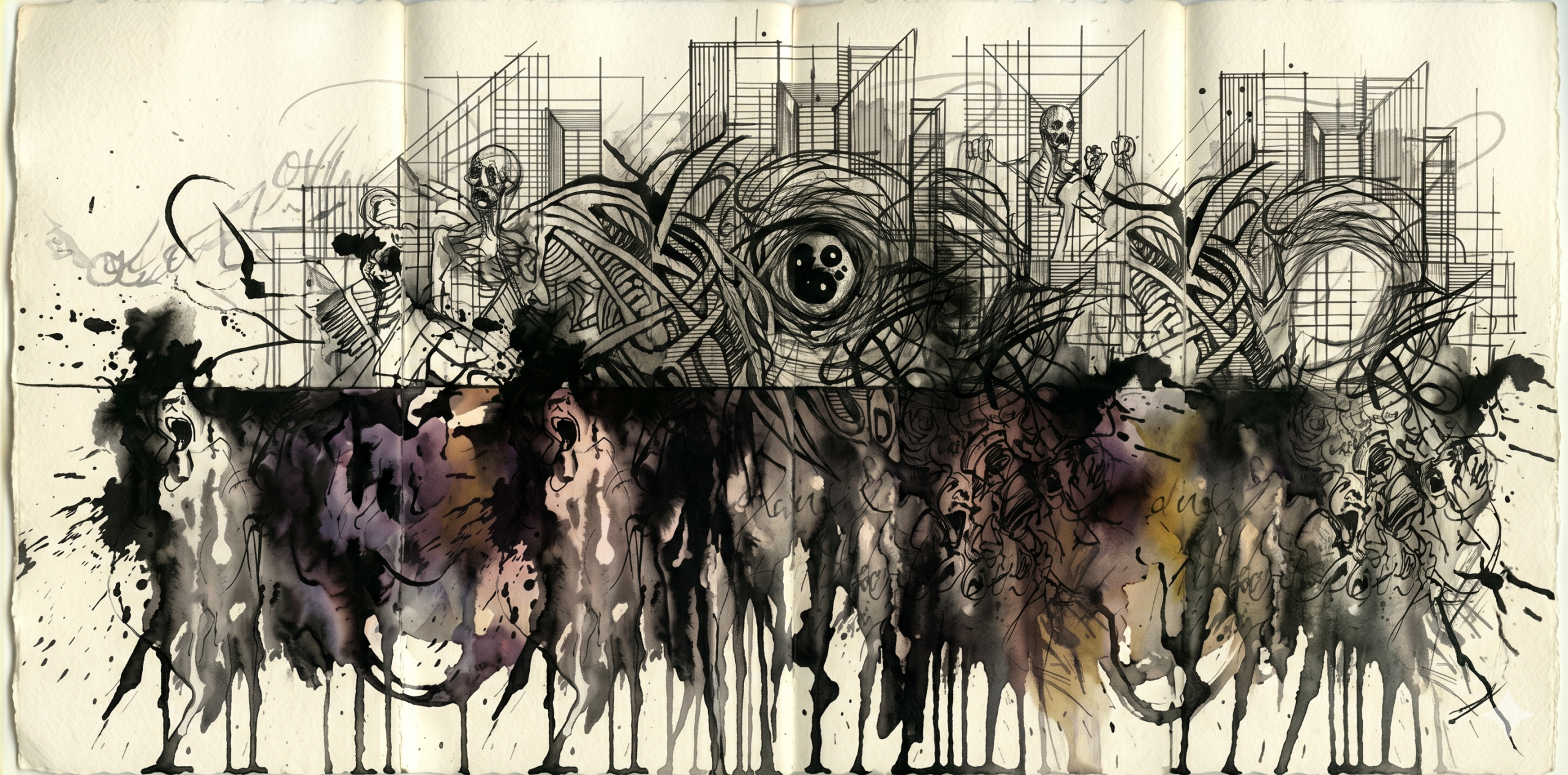
In Theory: D. W. Winnicott distinguished between two modes of selfhood within the object relations tradition. The True Self refers to spontaneous experience, which is the sense of acting from what feels immediate and alive. The False Self develops in response to environmental demands and expectations. It allows for social functioning, adaptation, and coherence in external life. When this adaptive organization becomes dominant, a different kind of difficulty can appear. Experience may become organized around compliance rather than spontaneity, and life may feel increasingly like something being enacted rather than lived. Over time, a person may function effectively while sensing a quiet distance from their own experience. This protective armor eventually leaves the individual with a polished exterior while the authentic core remains trapped inside.
In Experience: Over time, a person shaped by what was required of them becomes competent, reliable, and responsive to expectation. Then something shifts. The life being lived and the life being felt inside do not match. This discomfort can appear in subtle ways, in moments where behavior continues while attention feels slightly elsewhere, or where accomplishment does not feel authentic.
In Thought: What feels like a single self may include more than one way of being. Which one is present may depend on what the situation requires.
In Print: Hollis, J. Finding Meaning in the Second Half of Life (2005)
In Attention: Notice a moment of feeling genuine, and a moment of feeling less so.