

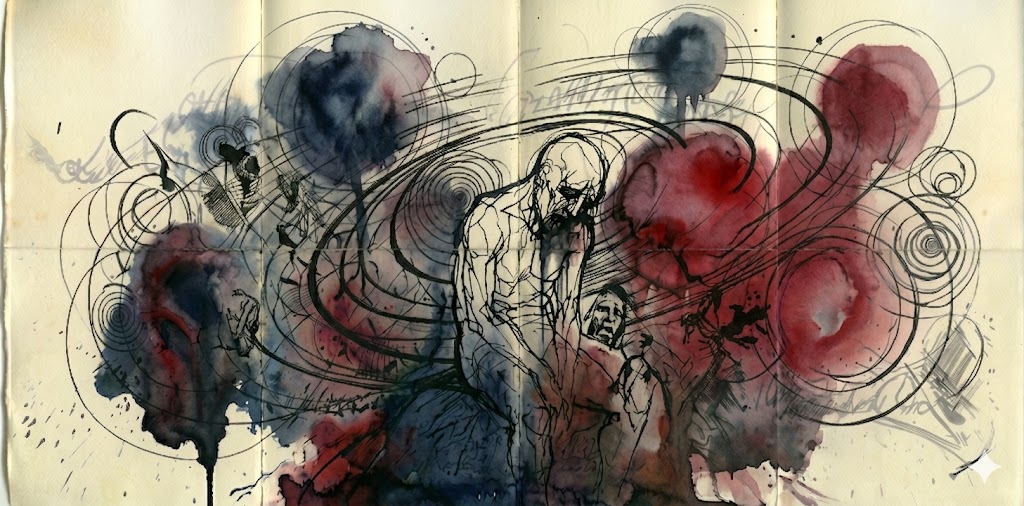
In Theory: Sigmund Freud distinguished between mourning and melancholia within the foundational psychodynamic tradition. In mourning, the loss is known and grief moves slowly in a direction, allowing the attachment to loosen over time so life can gradually reopen. In melancholia, the loss has not been fully recognized or integrated. Grief turns inward, becoming self-reproach or emotional deadness. The capacity to mourn, to feel the reality of loss rather than remain around it, is one of the more difficult and most relieving forms of emotional experience. This mourning can apply to many kinds of endings, including the loss of relationships, unfulfilled possibilities, or the quiet grief for versions of life that ultimately did not come to be.
In Experience: Someone who waited for recognition that never arrived may still carry some part of that expectation. The grief that belongs to this absence does not always take clear form. Instead there may be a sense of something missing, or a quiet turning against oneself. It may also appear in ordinary moments, where reactions feel larger than the immediate circumstances call for.
In Thought: What has not been mourned does not go away. What feels heavy in the present may carry weight from somewhere else.
In Print: Didion, J. The Year of Magical Thinking (2005)
In Attention: Notice a sadness that does not need to be explained.