

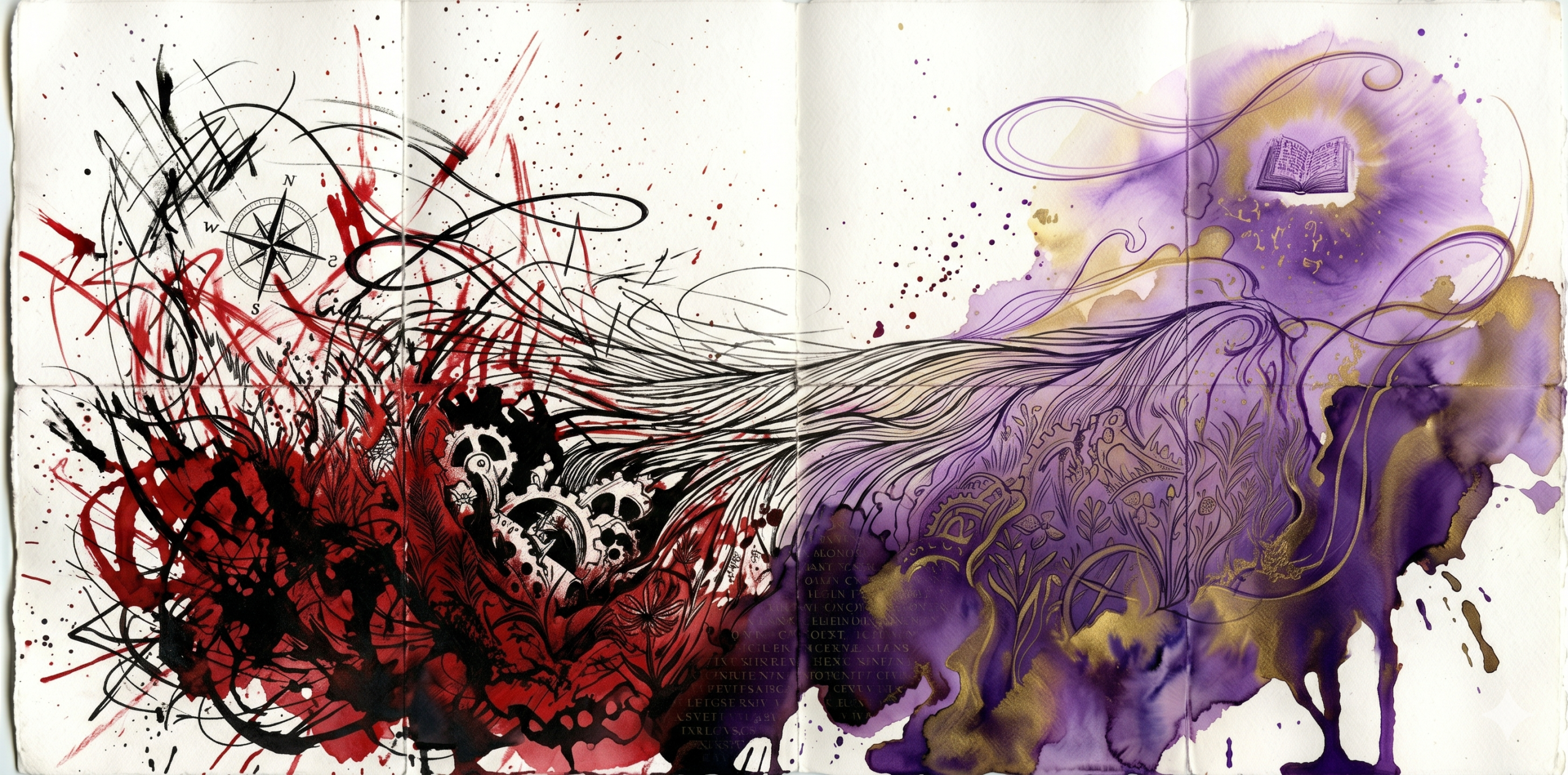
In Theory: Among the defense mechanisms, sublimation holds a distinctive place in psychodynamic theory. As described by Sigmund Freud, sublimation is the process by which a drive that cannot be expressed directly is redirected into a socially valued or productive form. The underlying energy is not removed or diminished but channeled differently. What changes is not the intensity but the pathway, allowing psychic energy to find expression that can be sustained in everyday life without conflict. Unlike other defenses that simply manage or suppress what is difficult, sublimation transforms it into something of value. This creative process converts unmanageable instinct into the substance of culture and achievement, allowing the individual to honor their impulses by turning them into art, labor, and meaningful human contribution.
In Experience: A person whose critical impulse created conflict finds it redirected to where judgment has an adaptable form. Someone who once could not sit still finds work that requires the quality that once caused difficulty. Restlessness becomes athletic discipline. Aggression becomes a competitive drive. The new form contains the impulse and makes it useful and acceptable to others.
In Thought: A behavior may carry more energy than its surface suggests. What cannot be expressed directly tends to find another form.
In Print: Valdrè, R. On Sublimation: A Path to the Destiny of Desire, Theory, and Treatment (2014)
In Attention: Notice an impulse with nowhere to be expressed.