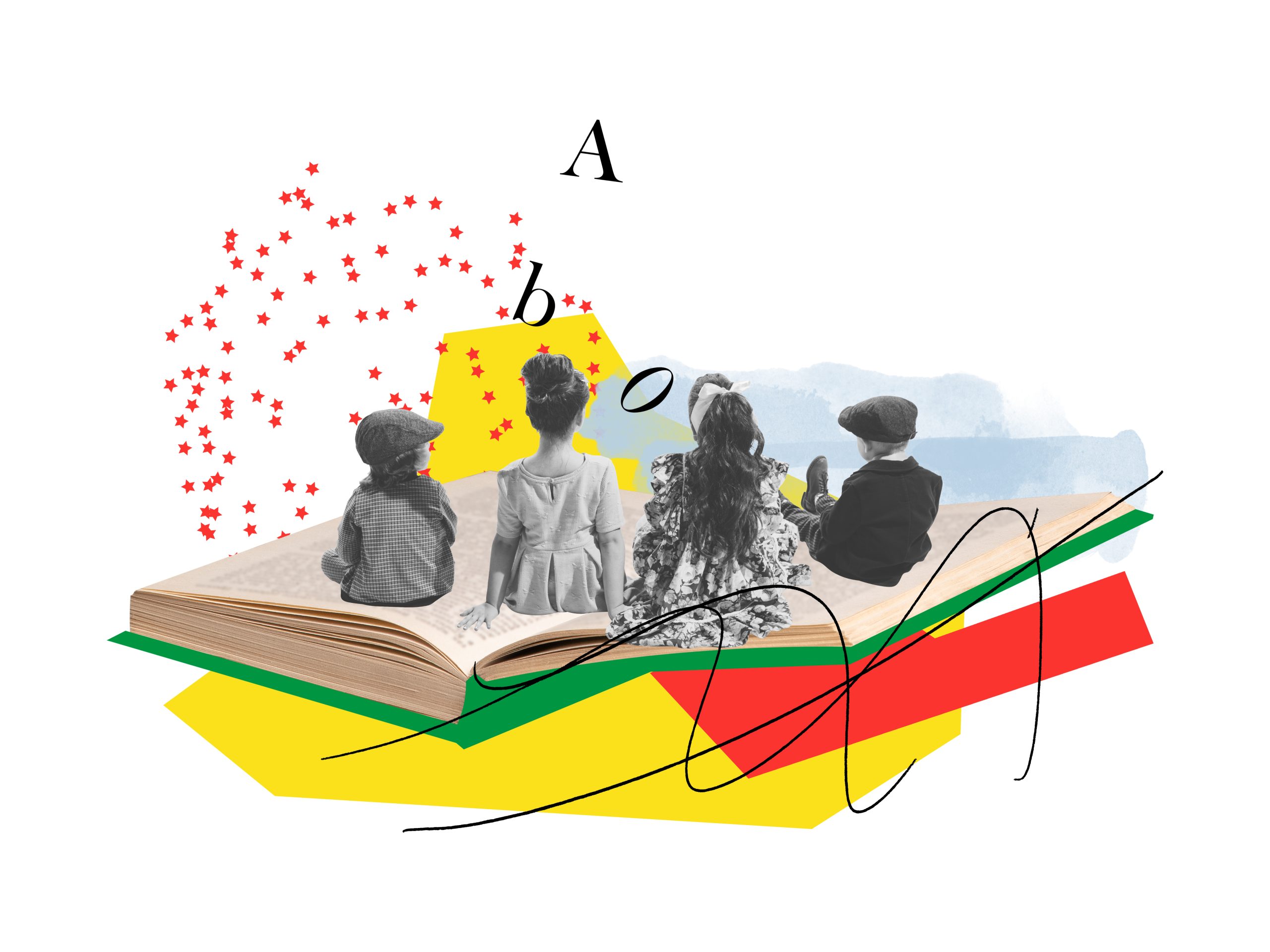


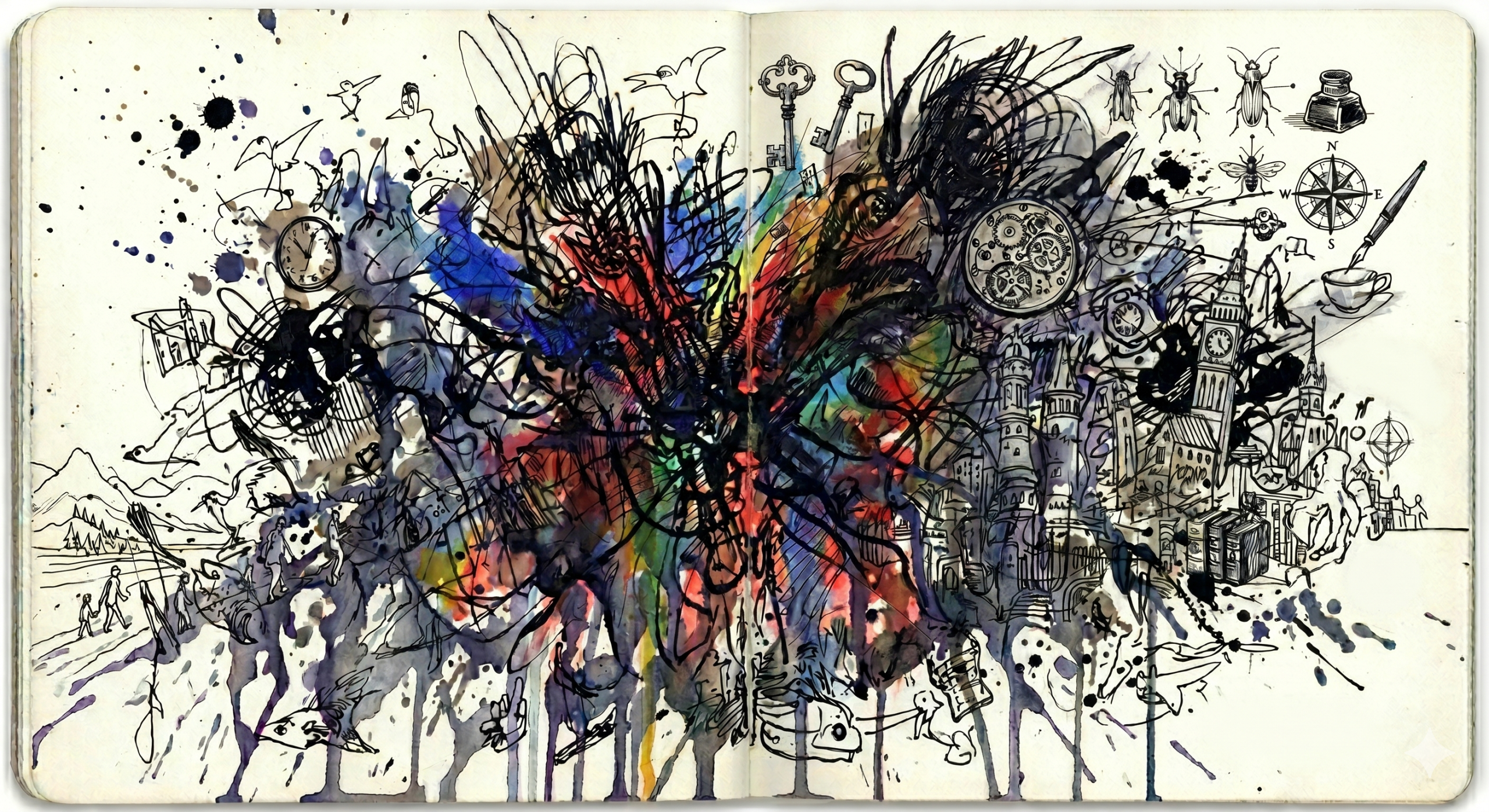
In Theory: Free association is a fundamental method within the psychodynamic tradition that becomes possible only within a structure that can hold what emerges without judgment or collapse. Sigmund Freud established this method, which invites the patient to say whatever comes to mind, without editing, without organizing, and without directing the material toward a useful destination. This is harder than it sounds, because we are trained, in almost every other context, to be coherent, relevant, and purposeful. Free association asks for the opposite, which is a kind of disciplined surrender to what arises. The assumption is that within this setting, what appears when material is not being managed may be more revealing than what appears when it is carefully organized.
In Experience: A person thinks and finds, without intention, that the thought has moved somewhere else. A memory appears while doing something unrelated, or a concern becomes linked to something from the past without deliberate effort. The mind does not stay in one place for long, and these shifts often go unnoticed until after they have occurred. The connections arrive with no planning.
In Thought: The direction of a thought, a relationship, or a life may be less planned than it appears. Some of what unfolds does so without having been deliberately chosen.
In Print: Bollas, C. Free Association (1987)
In Attention: Notice where the mind goes when it is not directed.