

I Read This Over Shabbos is a weekly newsletter from Rivka Bennun Kay about Jewish book culture, book recommendations, and modern ideas. Receive this free newsletter every week in your inbox by subscribing here. Questions, comments, or feedback? Email Rivka at Shabbosreads@18forty.org.
Like many Modern Orthodox women, my relationship with Talmud began relatively late, compared to that of my brothers.
It took some time—many hours dutifully listening to Daf Yomi shiurim and using my initial favorite teacher, Rabbi Artscroll—to build the skills to learn independently. After having the privilege of learning intensively from some amazing teachers, I understood why Talmud study continues to thrive 1,500 years later.
But I also learned, this past year, why it can be such a hard sell. I taught Gemara to 18-year-olds, some of whom had never opened one before, and the question I heard most often was: “Why is this relevant to me?”
Here’s the answer I’d give now: Talmud study places you—the learner—in the chain of a long tradition. As Rav Soloveitchik wrote:
[Torah study] is a powerful experience of becoming friends with many generations of Torah scholars, the joining of one spirit with another, the union of souls. Those who transmitted the Torah and those who received it come together in one historical way-station.
That’s the premise behind Talmud Daily, 18Forty’s new initiative launching tomorrow: weekly 10-minute episodes on each tractate, paired with long-form interviews with some of the most talented Talmud teachers out there, culminating with the global Siyum HaShas in June.
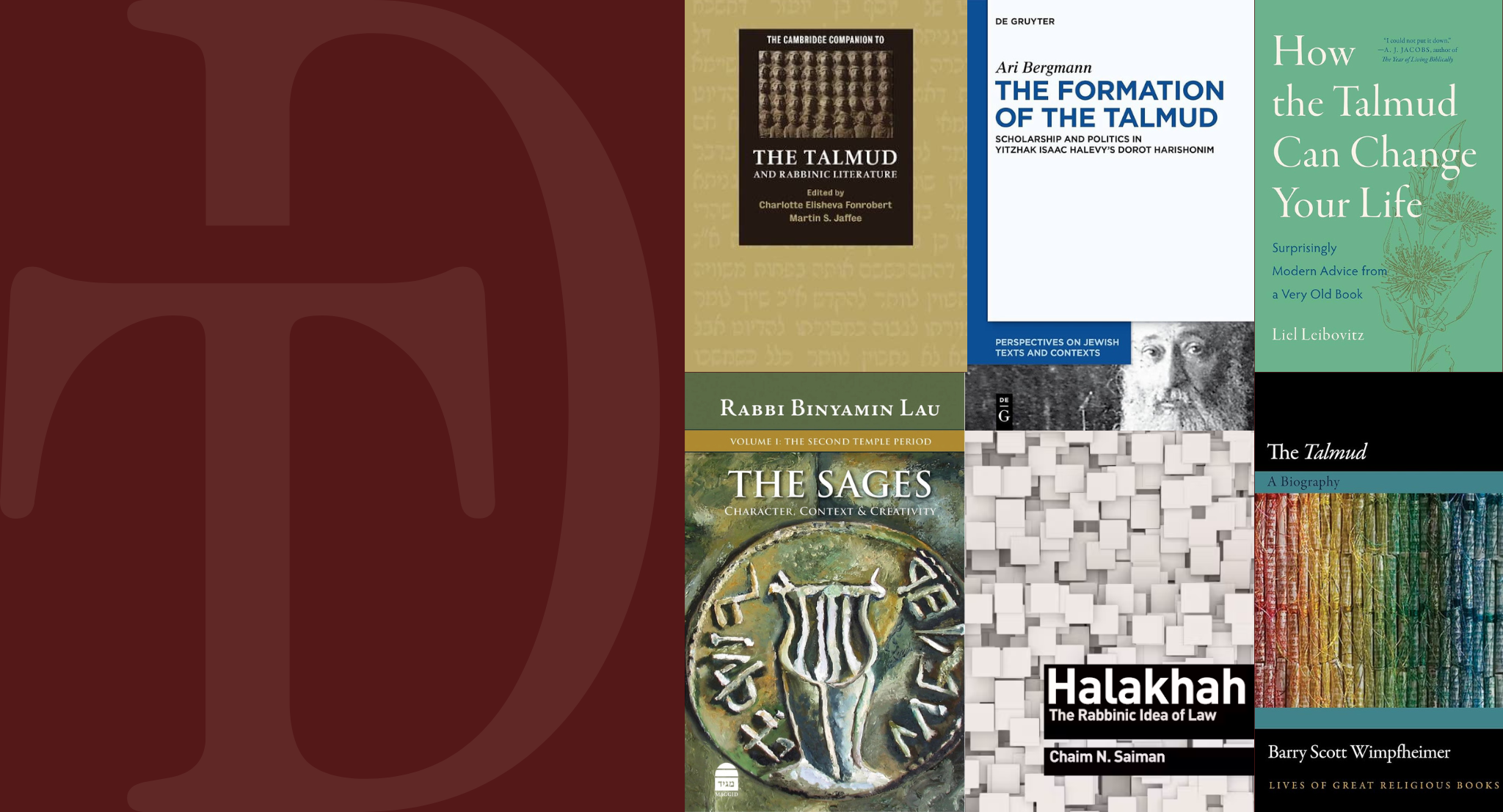
The books and essays below will help you prepare—whether what draws you in is the people behind the Talmud, its ideas, its disagreements, or the spiritual payoff. Pick one up and let me know what you think.
And join the 5,000+ people already making Talmud study part of their daily routine at talmuddaily.org.
How the Talmud Can Change Your Life by Liel Leibovitz
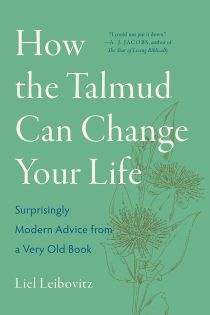
Liel Leibovitz, Tablet’s editor-at-large, argues that the Talmud can change your life in the ways that it teaches you how to think, disagree, connect with others, endure difficult times, and continually search for a better way to live. It is, in Leibovitz’s words, “the greatest self-help book ever written.”
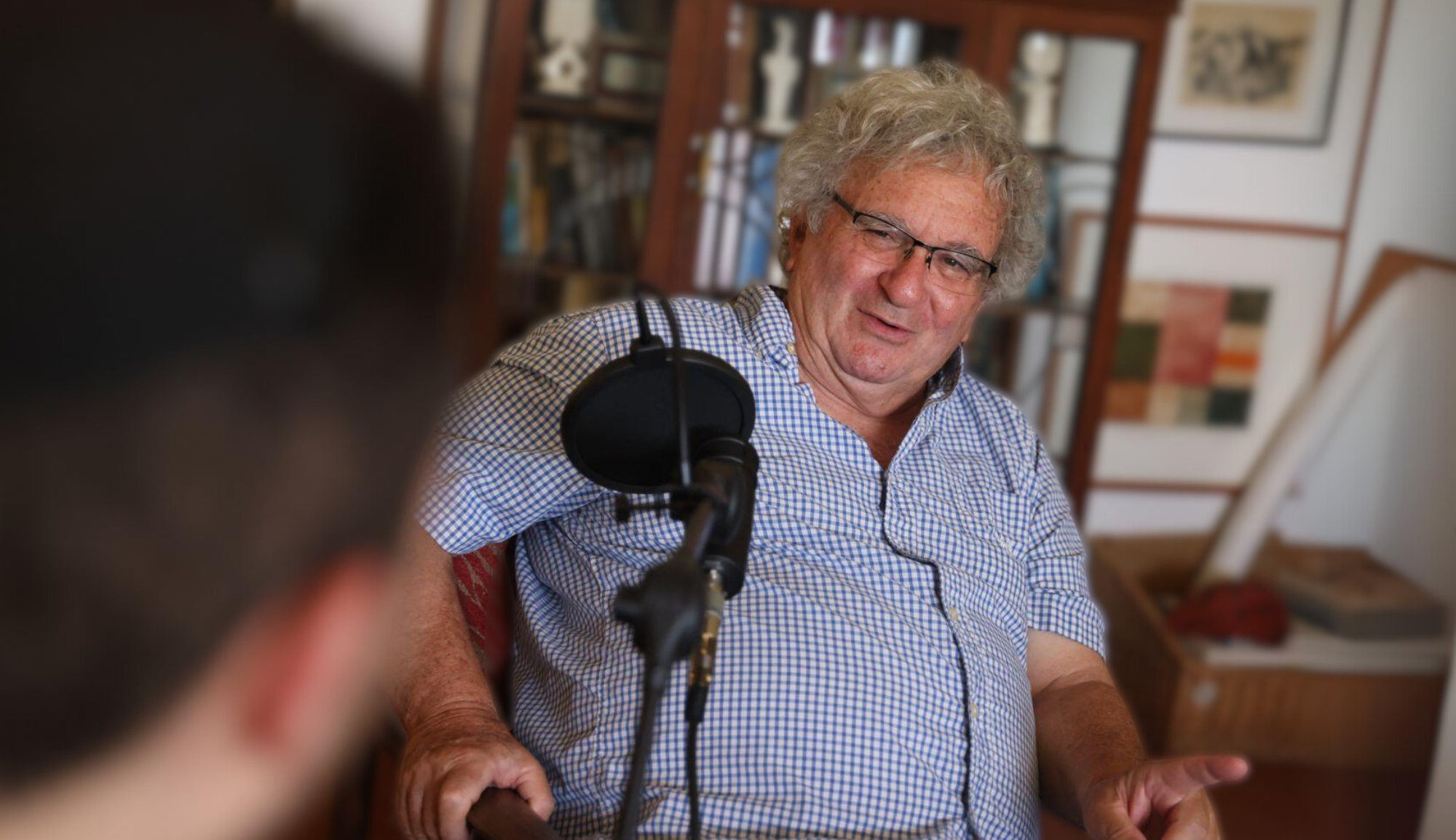
Cody, our associate editor, read it on Shavuot. Listen to our interview with Leibovitz and his wife, Lisa Ann Sandell, here.
The Formation of the Talmud by Ari Bergmann
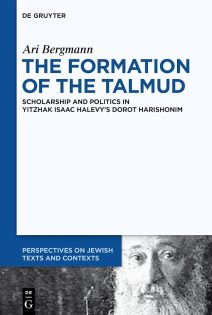
This book is not primarily a general history of how the Talmud was written. Instead, Ari Bergmann investigates how one important Orthodox Jewish historian, Rabbi Yitzhak Isaac Halevy, constructed his theory of Talmudic history—and why that theory mattered politically and religiously.
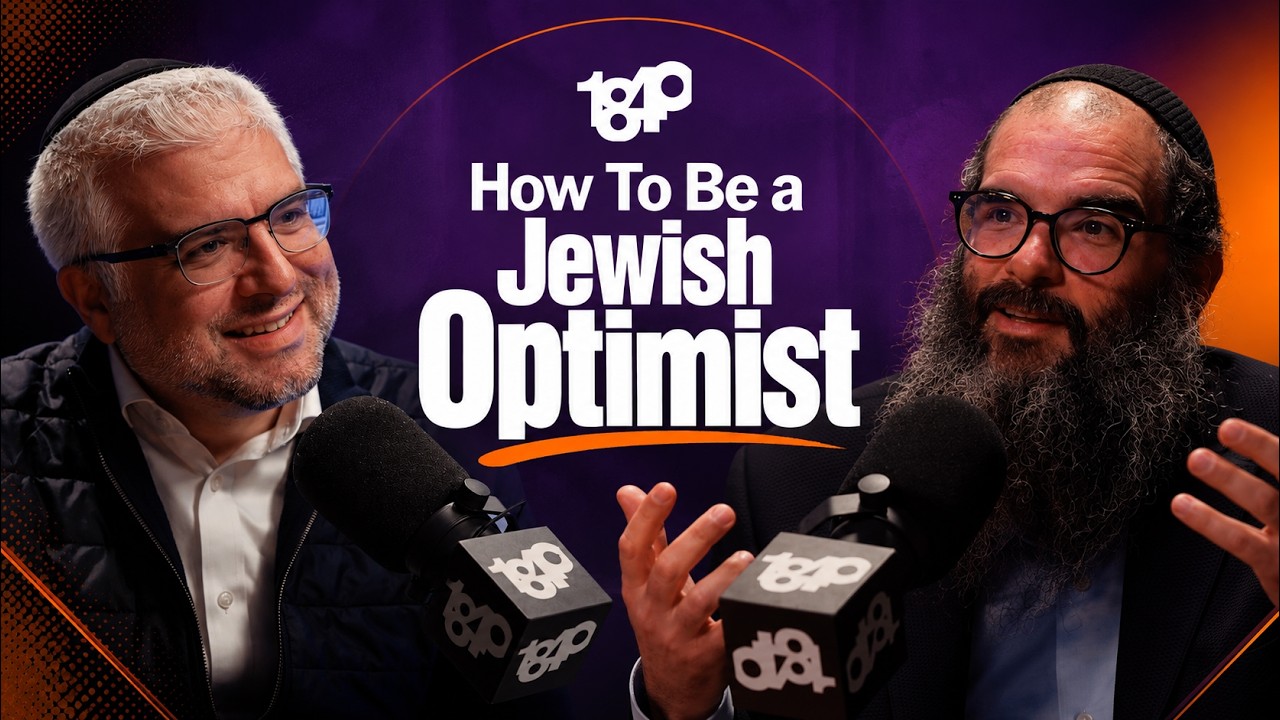
Bergmann explores this in an 18Forty Podcast episode about the Talmud as an agent of chaos. He also spoke with us about wealth and the economics of shemittah. Both are worth a listen.
The Cambridge Companion to the Talmud and Rabbinic Literature, eds. Charlotte Elisheva Fonrobert and Martin S. Jaffee
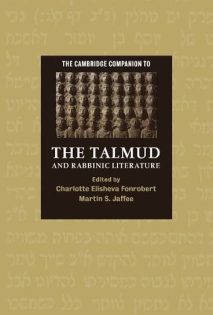
If you’re looking to develop a serious academic understanding of Talmudic scholarship, the Cambridge Companion is your friend—it teaches you how modern scholars study the Talmud, not just what it says.
Halakhah: The Rabbinic Idea of Law by Chaim Saiman
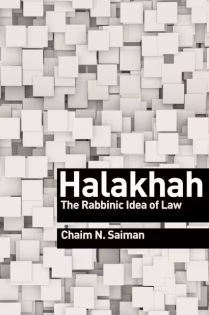
Prof. Chaim Saiman explores how, in the formation of halacha over centuries, rabbinic Judaism wasn’t simply creating a large collection of Jewish rules. It was creating a culture in which legal reasoning became a fundamental way of understanding reality.
Prof. Saiman discusses his book and more on the 18Forty Podcast.
The Talmud: A Biography by Barry Scott Wimpfheimer
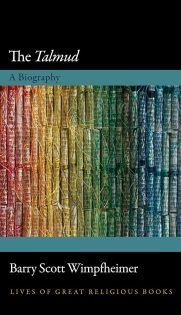
Prof. Barry Scott Wimpfheimer writes a “biography” of the Talmud itself—following its birth, development, transformations, reception, and continuing life. The main question he tries to address is this: How can a complicated ancient work continue to generate new meanings nearly 2,000 years after its formation?
The Sages by Binyamin Lau
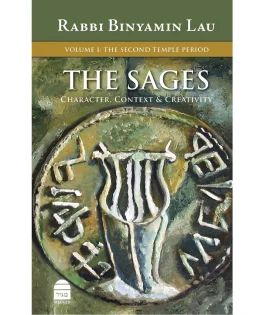
In this accessible five-volume series, Rabbi Benny Lau follows major Sages chronologically, explaining their personalities, intellectual disagreements, historical circumstances, and contributions to the development of rabbinic Judaism.
You don’t need to read all five volumes to get the gist. But if you’re looking to better understand the personalities behind the rabbinic tradition, this set is for you.
Bonus Articles / Essays: If you don’t have time for a full book right now (it happens to the best of us), these essays cover similar ground.
“Talmud” entry, Jewish Encyclopedia:
The Jewish Encyclopedia’s entry on the Talmud is an older scholarly overview rather than a modern introduction, but it is useful because it gives a broad account of the Talmud’s structure, history, authority, and influence.
“R. Zadok HaKohen on the History of Halakha” by Yaakov Elman:
Dr. Yaakov Elman traces how Rav Tzadok of Lublin saw the history of halacha as a divinely guided, evolving process. In this view, later rabbinic developments aren’t departures from the original tradition—they’re expressions of its unfolding potential.
“The Forgotten Talmud: On Teaching Aggadah in High Schools” by David Bashevkin:
In this article, David argues that Jewish education often emphasizes Talmudic legal analysis while neglecting aggadah—its stories, theology, ethics, and reflections on human nature—and that teaching aggadah more seriously can give students a deeper and more meaningful understanding of Judaism and rabbinic thought.