

The ancient sage Ben Bag Bag grew famous for a controversial dictum he would say (Avot 5:22): “Turn it and turn it again, for all is in it; see through it; grow old and worn in it; do not budge from it, for there is nothing that works better than it.”
This line, innocent at first, would become the center of occasionally intense conflict in its literary afterlife. What did Ben Bag mean by “all is in it?” Does this refer to scientific and/or philosophical knowledge, all of which are enfolded, interwoven, or encoded in the Torah? If so, they might be accessible to human understanding, thus foregrounding the necessity for scientific inquiry, as one could reach the same goal through the folios of the Talmud. Or might they in fact be inaccessible to human understanding, but only due to the limitations of human understanding – not in a conceptual or fundamental way – which might reflect a sort of epistemological parity between Torah and science, both of which lay claim to understanding core truths of this universe?
Humanity is not privy to the unity of science and Torah, and we must therefore approach it as a human endeavor.
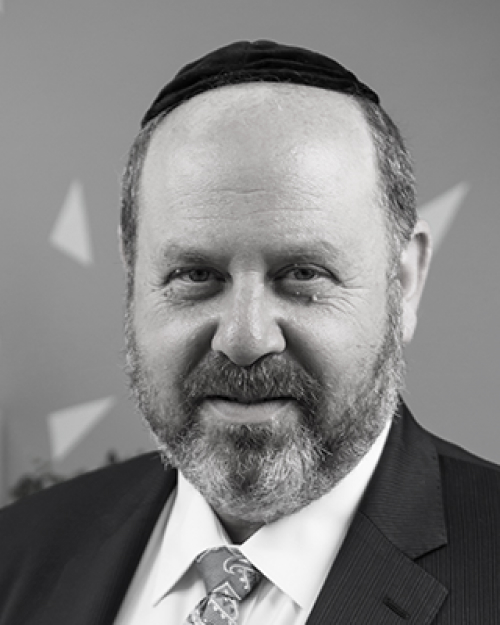
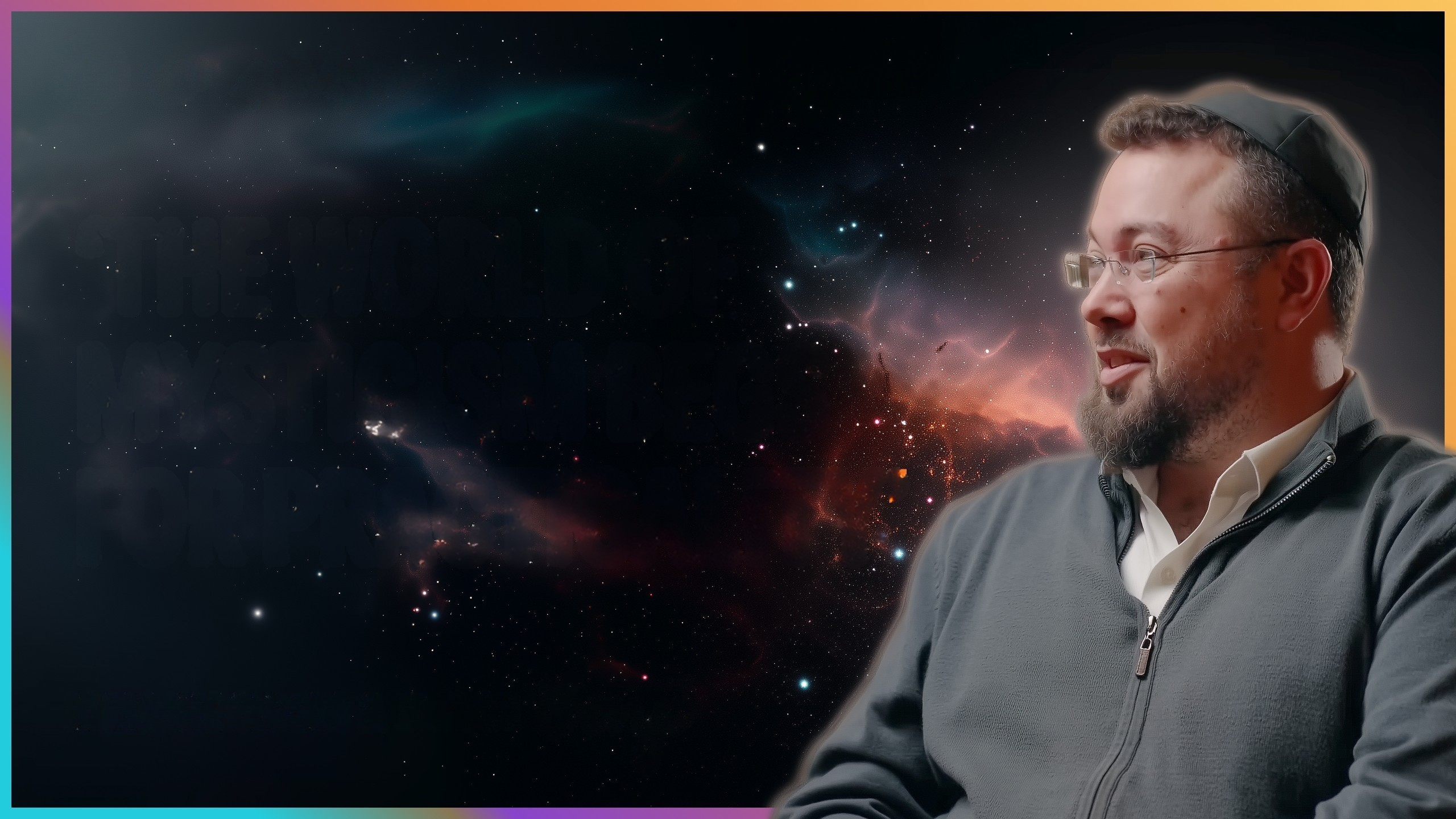
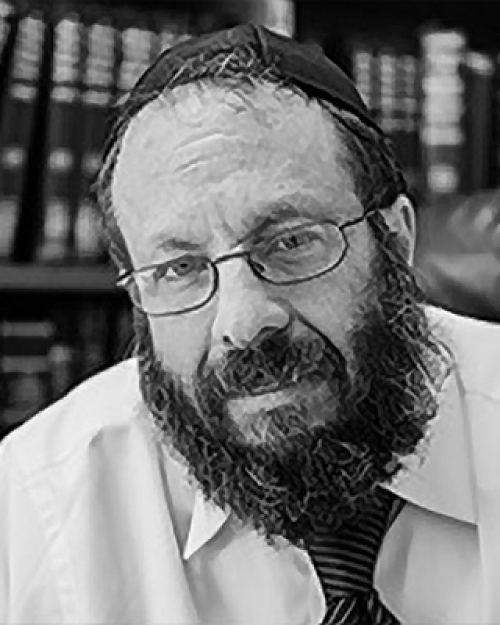
As a rosh yeshiva and highly decorated rabbinic thinker, one might expect Rabbi Triebitz to see the Torah and its secondary literature as such a work, a book in which science is either literally present or metaphysically enfolded. But if there is one thing to expect from Rabbi Meir Triebitz, it is to always expect the unexpected from this surprising intellect.
Meir teaches at Machon Shlomo, an outreach yeshiva primarily oriented to collegiate or post-collegiate, highly educated Jews with little Jewish education. He received an undergraduate degree in physics from Princeton and a Ph.D. from Stanford and he lectures widely on Torah, philosophy, and science.
From the very beginning of his conversation with 18Forty, Meir blazes an iconoclastic trail through the question of science and religion. When asked about Ben Bag Bag’s eternal dictum, Meir opines that science and Torah are deeply different regions of thought, and that science is ultimately a “deeply human” endeavor.
To understand his point, it is helpful to borrow lightly from a distinction important in other areas of Jewish thought: the difference between God’s perspective of reality and humanity’s. This distinction is at the heart of the discussion of tzimtzum, divine self-contraction, as scholars debate whether God removed His Presence from this world only within humanity’s perspective, or if God perhaps even removed Himself from this world from His own perspective.
Meir utilizes a similar distinction when considering science and Talmud. He considers science to be a part of the Torah, referred to by Ben Bag Bag, but only from God’s perspective. Humanity is not privy to the unity of science and Torah, and we must therefore approach it as a human endeavor (although not necessarily a non-sacred endeavor).
This perspective, along with his particular brand of iconoclastic inquiry, led Rabbi Meir Triebitz to fascinating conclusions on the topic of the science favored by the Talmud. As a millenia-old code, replete with social, legal, philosophical, theological, and cultural observations, the Talmud has many passages that reflect the scientific knowledge of the time. The challenge these passages pose to a contemporary believer is twofold: If one believes, like many Orthodox Jews do, that the words of the Talmud are eternal and timeless, how could they have been wrong about science? And on an equally fundamental level, what should be done with Jewish laws that are built upon scientific foundations that no longer seem to be true?
Rabbi Meir Triebitz is an expert on matters like these. With his background in science, and continued passion on all matters science and religion, he is uniquely posed to speak from the intersection between science and religion. His speaking style is dense, as the rivers of academia, Torah, and his own cultural lexicon flow together in a fun journey through legal literature, life, and science. If you are interested in reading his work in a more organized fashion, you can find many of his older, fascinating articles here. Rabbi Meir Triebitz speaks from within the religious world and his language, ideas, and idiom all reflect that disposition, with a deep creativity marking each thought that he shares. Listen now to hear a creative master at play, helping us think through the Talmud’s formation, authority, and relationship with science.
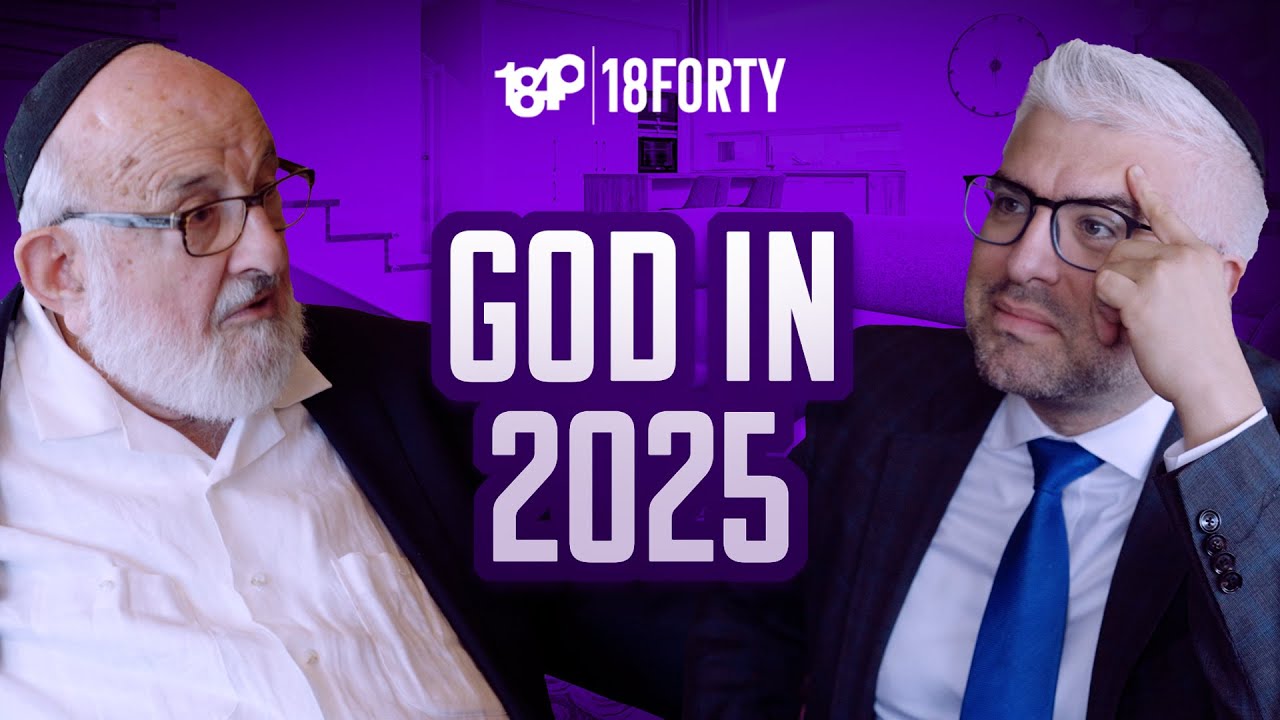
Listen to our episode with Rabbi Meir Triebitz.