

I Read This Over Shabbos is a weekly newsletter from Rivka Bennun Kay about Jewish book culture, book recommendations, and modern ideas. Receive this free newsletter every week in your inbox by subscribing here. Questions, comments, or feedback? Email Rivka at Shabbosreads@18forty.org.
When I went to see the world’s oldest known manuscript of a complete biblical book, I didn’t think I would be accompanied by a group of third graders.
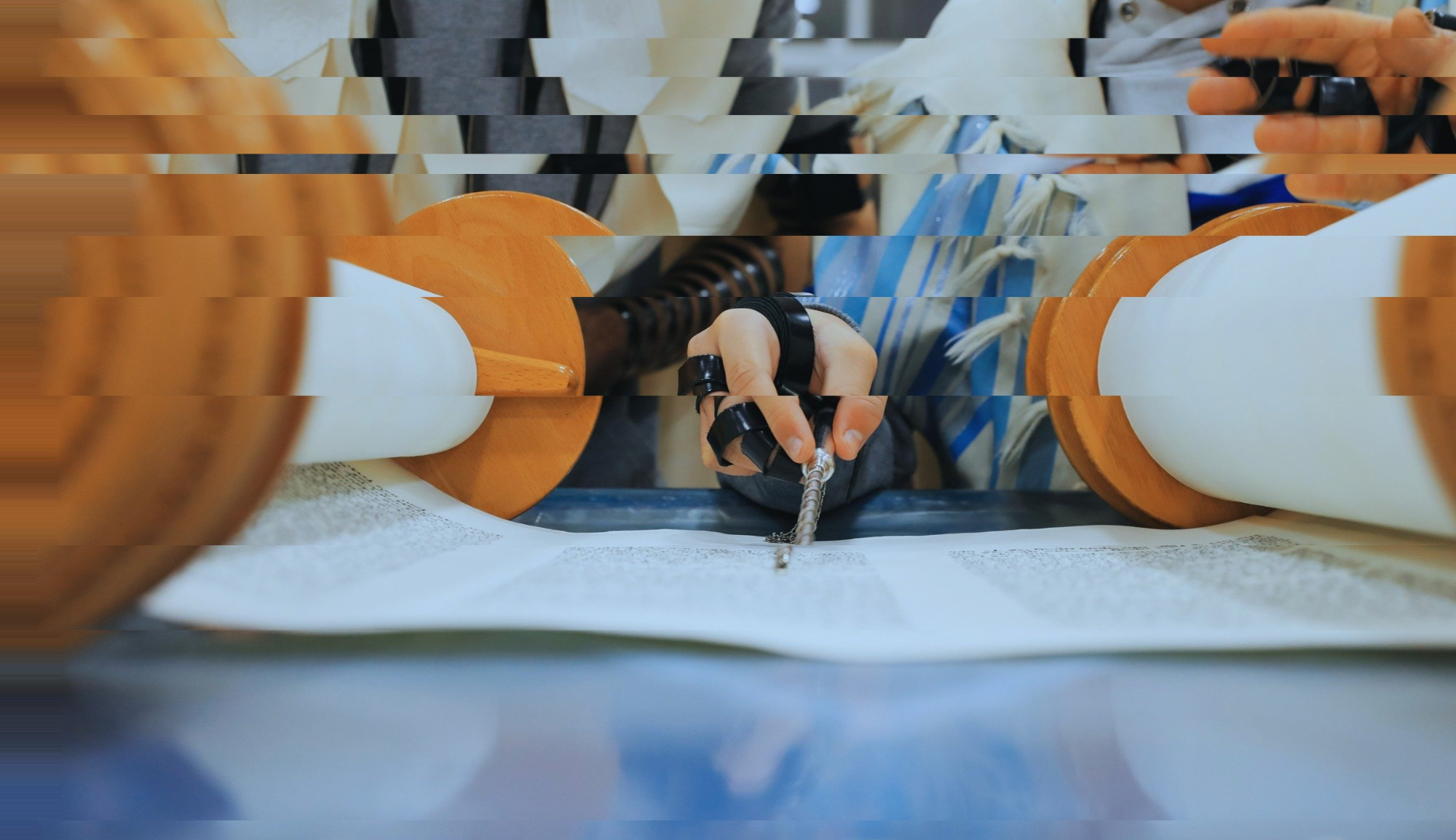
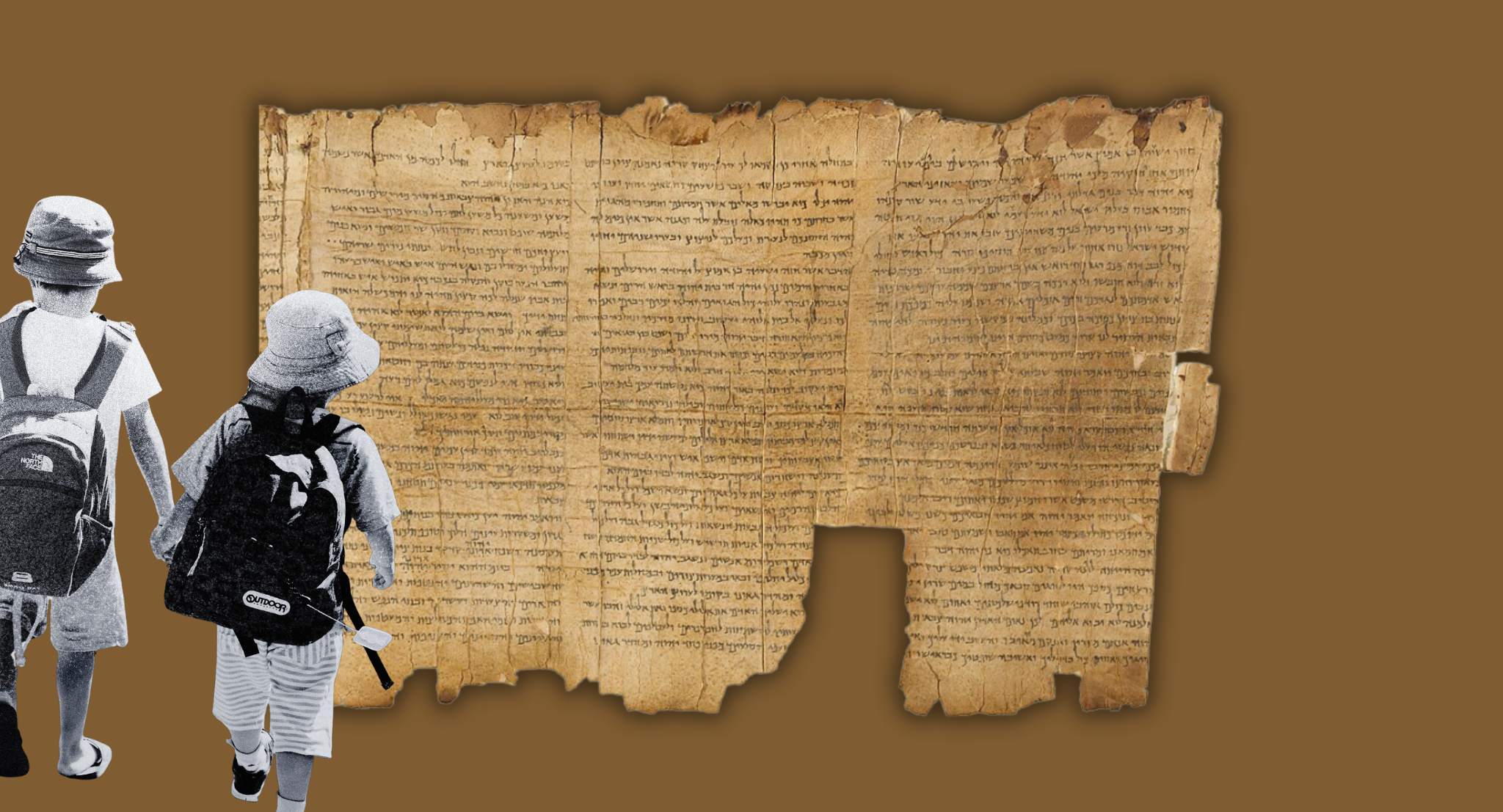
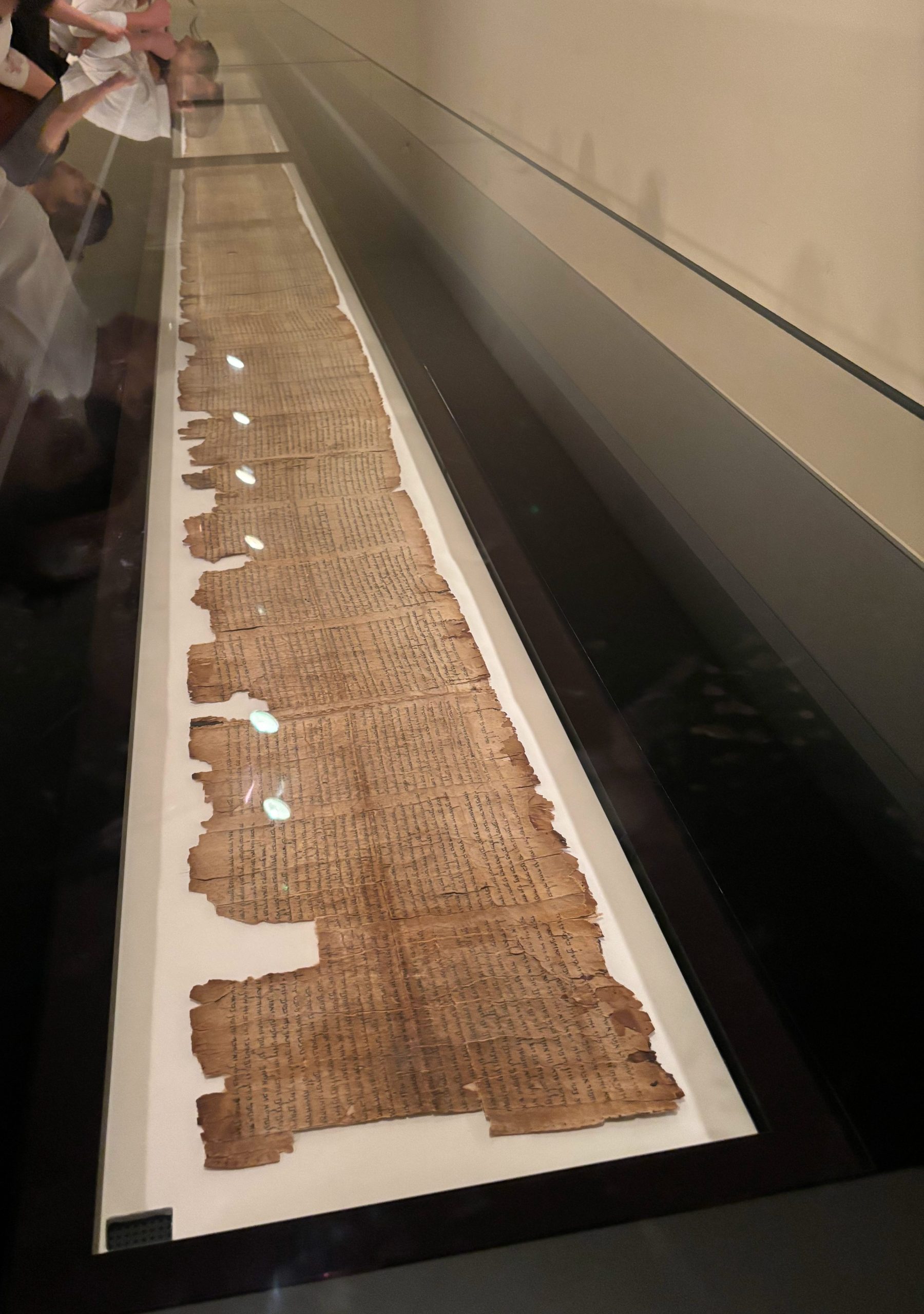
The Great Isaiah Scroll, which is currently on display at the Israel Museum in Jerusalem, is dated to around 125 BCE. It is one of the most significant of the Dead Sea Scrolls, a collection of ancient manuscripts discovered between 1947 and 1956 near the Qumran Caves on the northwestern shore of the Dead Sea. Due to preservation concerns, the Isaiah Scroll is on display in full for the first time since 1968, and it sits in a climate-controlled gallery where visitors can see it for only 10 minutes at a time.
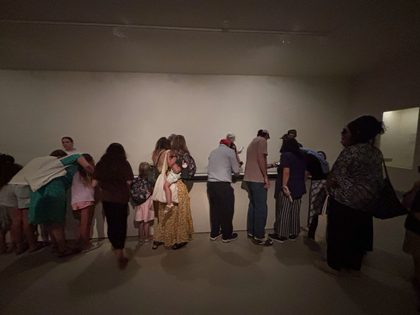
My husband and I entered the gallery, thinking we were about to embark on an elite intellectual experience. The doors opened to the dimly lit room, and a loud and excited group of eight-year-olds burst in, racing each other to get a good view of the scroll. For the next 10 minutes they spun around the room, pressing their faces into the glass case above the scroll, while their teacher pointed out different familiar verses in Yeshayahu.
Over the noise, I took in the scroll itself. Under the low light, it glowed a soft gold, and it was hard to believe something so fragile had lasted so long. A bit over seven meters long and comprising 54 columns, its content is remarkably close to the Masoretic text of the book of Yeshayahu. The parchment, made of animal hides, is sewn together with linen thread and shows signs of wear from its use 2,000 years ago.
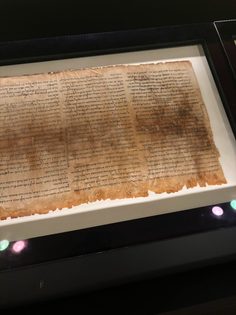
With difficulty—the Hebrew letters look different than they do today, and the words are often spelled differently—we searched for verses we recognized ourselves. We found the verse in chapter 55, “dirshu Hashem behimatzo,” the prophet’s instruction to seek God out and to call out to Him when He is near. We found the prophecy near the beginning of the book that declares, “lo yisa goy el goy cherev,” that nations will not draw swords against one another. We weren’t just looking at an ancient manuscript; we were reading words we’d been encountering in shul for the past few weeks, in the haftorot between Tisha B’Av and Rosh Hashanah.
At a time when it feels like the world needs Yeshayahu’s words—both his harsh rebukes and his stunning prophecies of redemption—it was incredibly moving to see those words inked on 2,000-year-old parchment. Millennia ago, people needed Yeshayahu’s vision too. They were searching for God, and they needed to hear that someday, we might actually stop fighting. We still search for God today, and we still fight.
Once it was time to leave the room, we (and the third graders) exited to another gallery, which has educational videos for visitors to learn more. We realized that in addition to the adult version of the educational videos, there was also an animated video for kids to watch. So naturally, our new friends scrambled for seats and watched an animated video all about Yeshayahu—who he was, and what he meant to the nation.
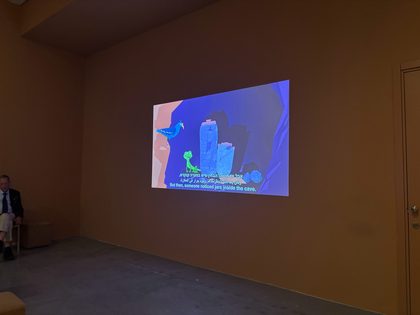
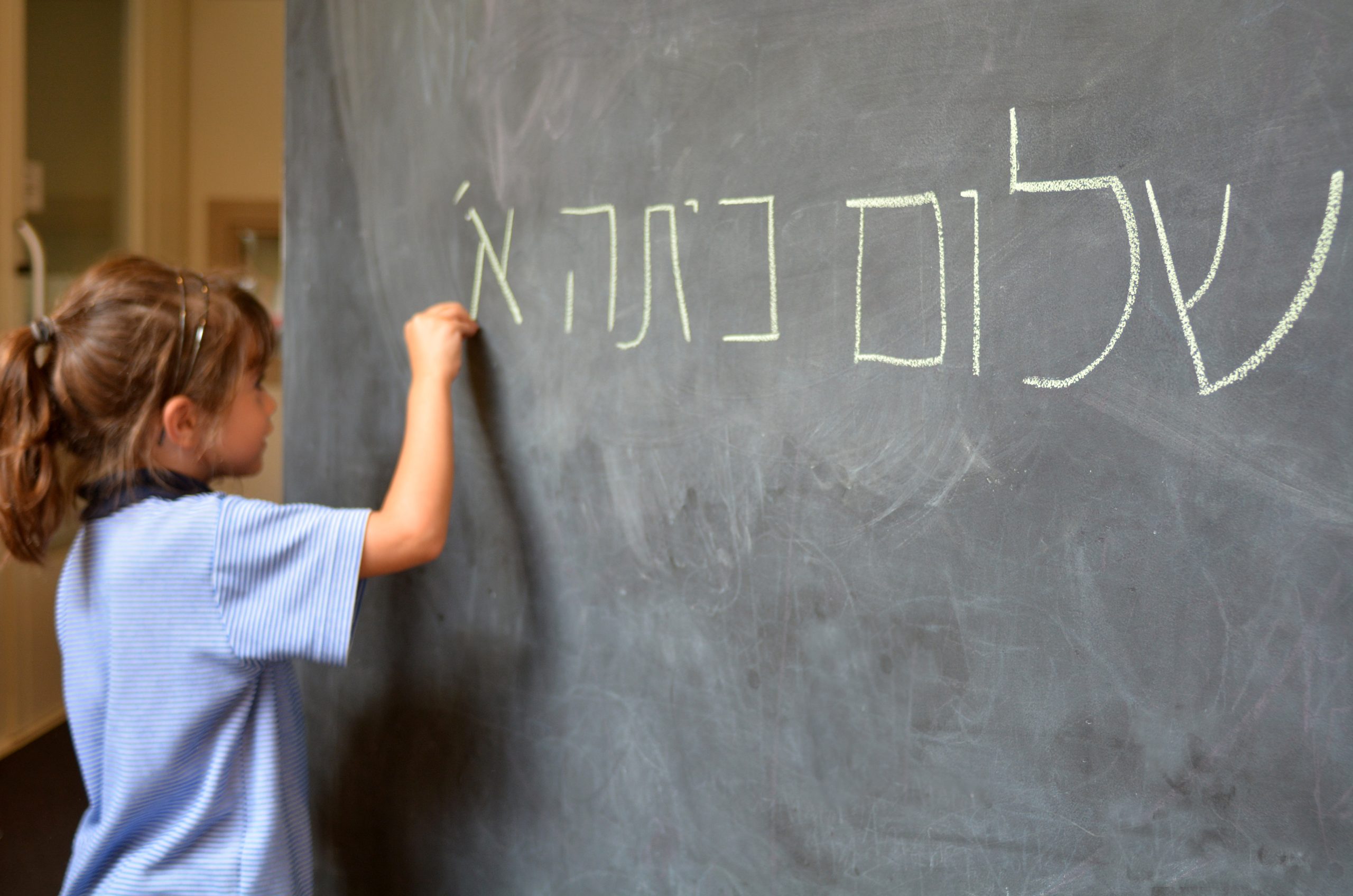
It was the perfect end to our visit. The third graders hadn’t come to admire an artifact. They had come to find the famous pesukim of Yeshayahu that they knew from school, where Tanach is a part of the curriculum even in secular schools. (Here, you can view the Ministry of Education’s formal curriculum for Tanach study in secular schools, known in Israel as Mamlachti schools.)
I’m not certain which kind of school these kids came from, but watching them brought to mind Rabbi Dr. Yosef Bronstein’s description of the role of Tanach in Israel’s Religious Zionist communities: “Tanach is used as a frame through which to understand the contemporary moment in Jewish history. And it is also used as a guide for the future.” I had come to see the past, but these kids were living this text.
We went back in, this time with a much quieter crowd, so that we could peer at the scroll more closely. This second trip into the room felt more like the elite intellectual experience I had initially expected, but it was the first visit I kept thinking about.
If you’re in Israel at the moment, the exhibition is open for only a few more days. I would highly recommend paying a visit to the Isaiah Scroll—it’s 10 minutes of your life you won’t regret.