

I Read This Over Shabbos is a weekly newsletter from Rivka Bennun Kay about Jewish book culture, book recommendations, and modern ideas. Receive this free newsletter every week in your inbox by subscribing here. Questions, comments, or feedback? Email Rivka at Shabbosreads@18forty.org.
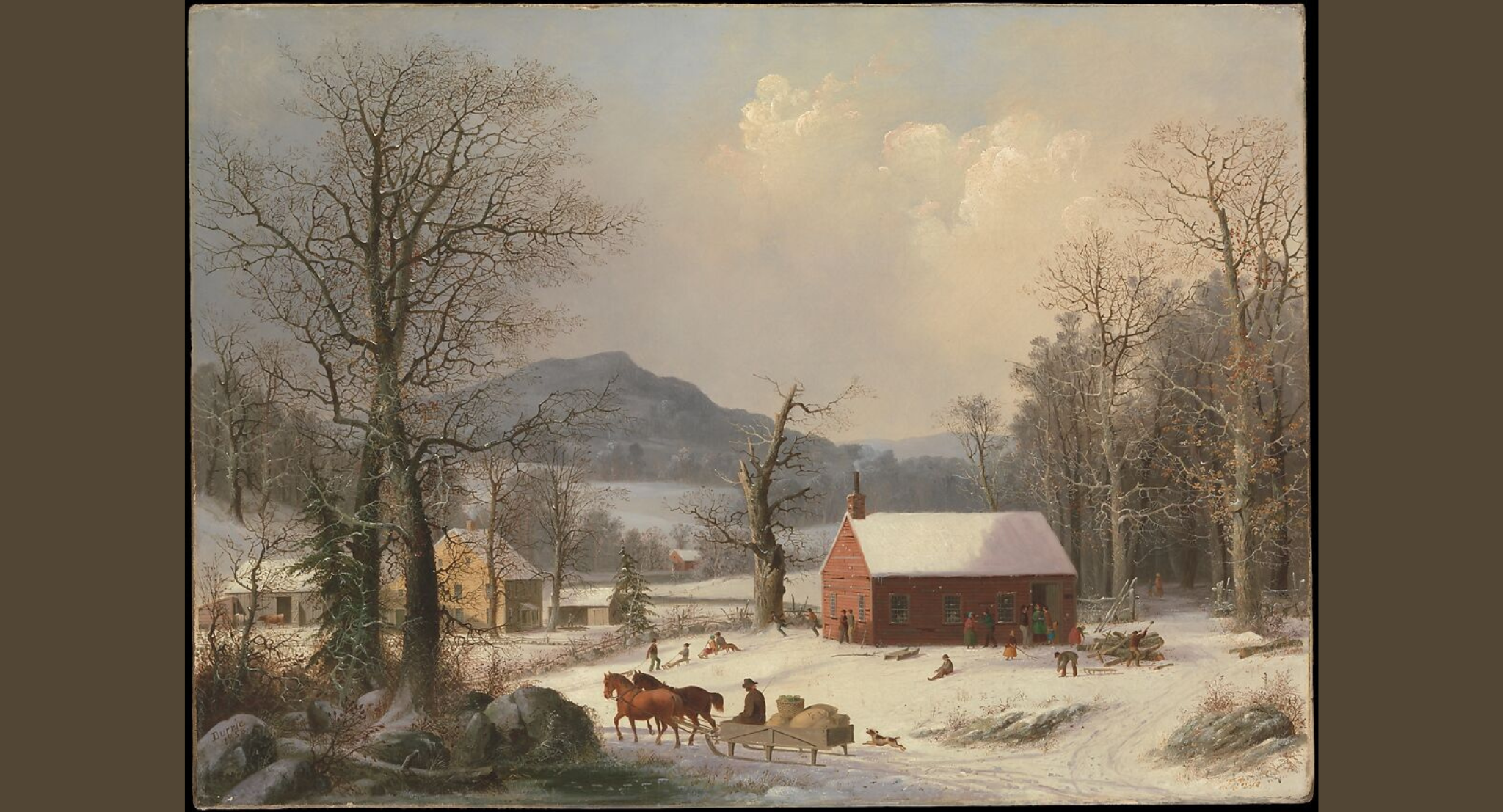
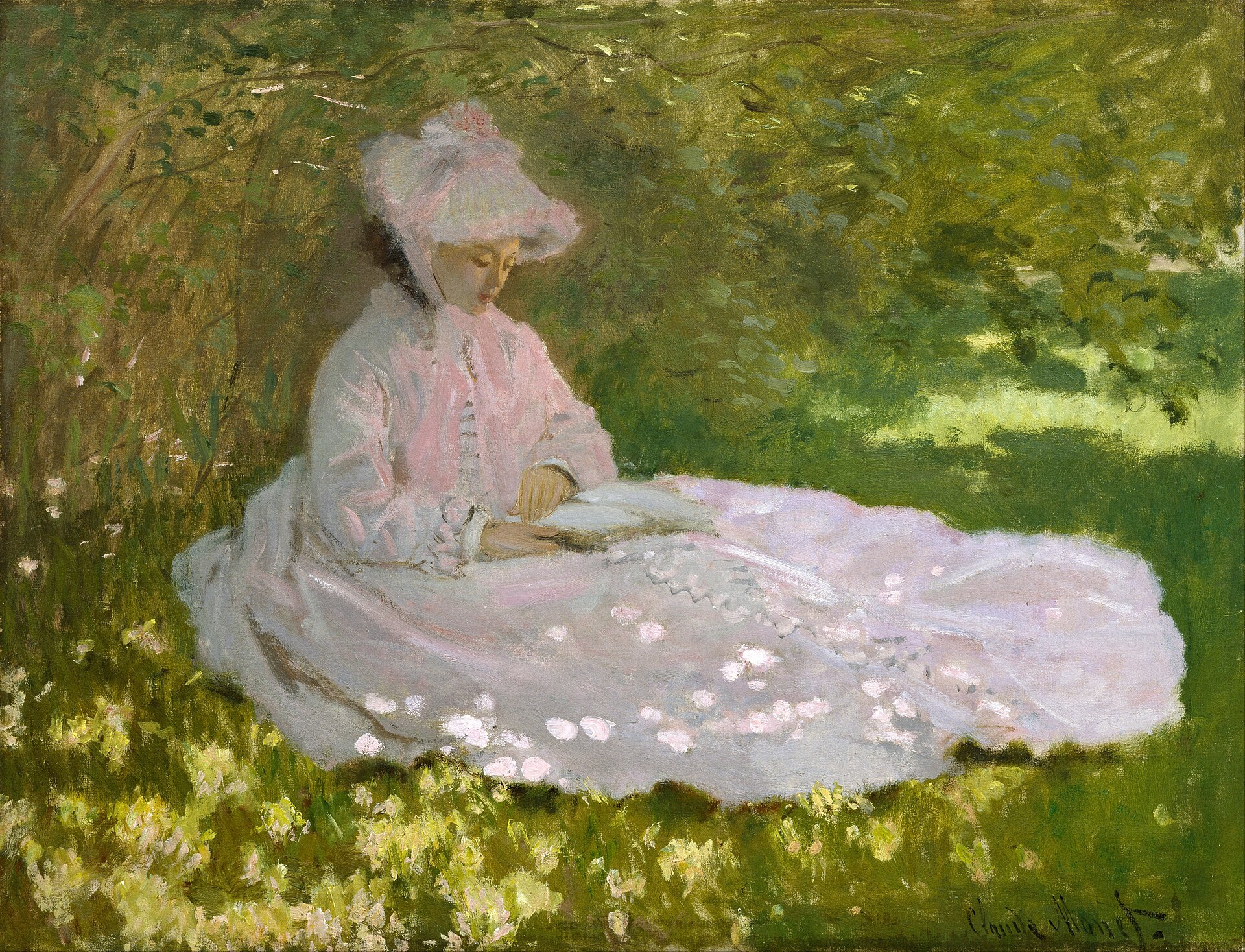
As an immigrant to Israel, one of the things I miss the most about America is its seasons. Nothing makes us feel the passage of time quite like seasons (and no artists encapsulate this feeling quite like Simon & Garfunkel). In New York, where I grew up, autumn was marked by its changing colors, and spring brought with it bright green pastures and good moods.
Spring in Israel looks a little different. The trees get their color back, sure, but the post-Pesach air is full of both grief and celebration—grief as we prepare to commemorate Yom HaZikaron, and celebration as we transition into Yom HaAtzmaut. Throughout the country, Israeli flags line the streets. As the weather gets even warmer, we begin to prepare for Shavuot, and we brace ourselves for the summer heat we are about to welcome.
In the spring, I like to think about what it means to exist with intention—to take notice of my surroundings and to be grateful. I compiled these few favorite spring reads. Pick one up in these next few weeks and let me know what you think.
For the one who needs to slow down:
Lunch Poems by Frank O’Hara
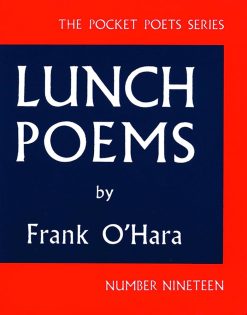
I wrote about O’Hara around this time last year, which tells you something: He’s one of my favorites to revisit in the spring. To me, O’Hara is spring walks around Midtown Manhattan, a cold bottle of coke in hand. He puts a pep in my step and reminds me of what’s truly worthy of focus in this life: love, music, human interaction, poetry.
Lunch Poems is a collection of O’Hara’s poems, named after his favorite part of the day—his lunch break. Take a walk in the park this spring with O’Hara in your pocket. He’ll make you glad to be alive.
For a single sitting:
Foster by Claire Keegan
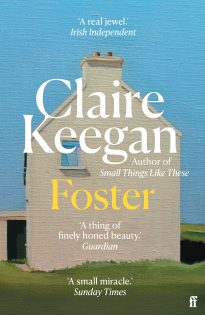
Foster is a novella about a young girl who is sent to live with foster parents in rural Ireland. Nothing is explained to her. She simply arrives, and slowly begins to understand what it feels like to be truly cared for.
What makes it right for this season is its smallness and attention: a child learning to trust, to relax into kindness, to notice the world around her with new eyes. You can finish it in a single sitting and sit with it afterward, the way you might after a piece of music ends.
For a slow, sunny afternoon:
Emma by Jane Austen

Emma Woodhouse is absolutely convinced she knows what’s best for everyone around her. Austen’s most purely comic novel—widely considered one of her most well-crafted works—follows Emma as she meddles in the lives of her neighbors in a small English village, getting nearly everything wrong with the greatest possible confidence. Nothing much happens, in the best sense: There are no villains, no dramatic reversals, just the intricate social choreography of a small community observed with devastating precision.
Light and bright on the surface, with genuine warmth underneath, it feels like spring. Austen’s wit keeps the pages turning, but what lingers is something gentler: a story about learning to see clearly, to stop projecting your own wishes onto the world and actually pay attention to what’s in front of you. Emma herself has to grow up a little, and watching her do it—reluctantly, hilariously, and ultimately with grace—is what makes Austen so great. Open a window, make some tea, and settle in.
(If you’re looking for a companion as you make your way through Emma, here are two delightful essays to illuminate your reading experience.)
For anyone with a complicated family:
This Is Not About Us by Allegra Goodman
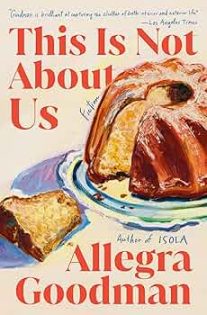
Here at 18Forty, we embrace the notion that family can be … complicated. And I can’t think of a better way to leave the Pesach season and welcome spring than with a book about a complicated, messy, heartwarming family.
Allegra Goodman’s latest work, This Is Not About Us, chronicles the life of an American Jewish family. What starts as a misunderstanding between two sisters turns into decades of silence—family rifts we may be all too familiar with.
With Pesach behind us and its charged family gatherings fresh in memory, this is the perfect moment to sit with a book that understands exactly why we keep showing up for the people who frustrate us most. Goodman is funny and sharp, and she never lets the family off the hook—or lets you stop loving them.
For the dreamer:
A Tree Grows in Brooklyn by Betty Smith
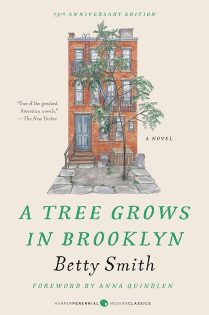
If you’re looking to welcome spring with a novel that’ll catch you off guard over and over again, look no further than A Tree Grows in Brooklyn. Possibly THE coming-of-age novel of the first half of the 20th century, A Tree Grows in Brooklyn follows Francie Nolan, a girl growing up in the tenements of Williamsburg in the 1910s.
It’s one of those books where nothing really happens except life itself. It’s a book you can read on a sunny Sunday morning in your backyard, but it’s not idyllic the way you think it might be. It takes you into a world of poverty, hunger, and powerlessness, through the eyes of a child desperate for an education.
We grow up with Francie and watch her emerge into adulthood, always learning and observing those around her. What stays with you isn’t any single event but Francie herself—her curiosity, her resilience, her refusal to be diminished by circumstances that would crush most adults. It’s not exactly light, but it reminds you what it feels like to see the world new.
For sitting with melancholy:
The Professor’s House by Willa Cather
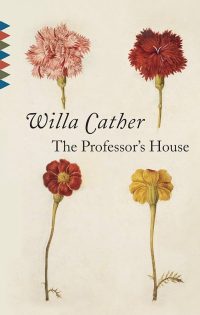
The Professor’s House tells the story of a man who has everything—a distinguished career, a completed masterwork, a new house his wife always wanted—yet finds himself unable to care about any of it. Willa Cather’s strange, quietly devastating novel follows the professor through a kind of spiritual midlife reckoning.
It might seem like an odd spring read, and in some ways it is. It’s a melancholy book, preoccupied with loss and the passage of time. But there’s something about Cather’s prose, spare and luminous as a clear spring morning, that makes it irresistible on these longer days. The restlessness at its heart—the longing to be somewhere vast and open—is a feeling spring knows well.