Begin exploring
today’s 
biggest Jewish
questions…

×
  • Topics

    Most Popular Topics

    • Artificial Intelligence
    • Jewish Outreach
    • Israel & Diaspora
    • 18 Questions, 40 Israeli Thinkers
    • Denominations
    • Mental Health
    • Israel at War

    View all

    All Topics

    • Prayer & Humanity
    • Zionism
    • Jewish Education
    • Romance & Commitment
    • Origins of Judaism
    • Books, Books, Books
    • Abuse in Our Community
    • Halacha
    • Wealth
    • Is Religion Rational?
    • Shabbos
    • Teshuva
    • Summer Unwind
    • Loss
    • Censorship
    • Agunah Crisis
    • Intergenerational Divergence
    • God
    • Why 1840?
    • Social Justice
    • Science & Religion

    View all

  • Discover

    Podcasts

    Essays

    Guests

    Videos

    Swag Shop

    Popular for Discover

    • Elissa Felder & Sonia Hoffman: How the Jewish Burial Society Cares for the Dead
    • Shlomo Brody & Beth Popp: Demystifying Death and the End of Life
    • Michael Oren: ‘We are living in biblical times’
    • Micah Goodman: ‘I don’t want Gaza to become our Vietnam’

    View All Podcasts

    OTD: Leaving Religion

    Ayala Fader: How Do Haredi Jews Deal With Religious Doubt?

    18 Questions, 40 Israeli Thinkers

    Jonathan Rosenblum: ‘Would you want to live in a country run by Haredim?’
  • Book Culture

    Book Joureys

    • How Do Morality And Values Guide Jewish Law?
    • ‘Anti-Zionism is an existential threat to the Jewish People’

    Shabbos Reads

    • Books, Books, Books
    • I Read This Over Shabbos on X

    FEATURED BOOK

    How Do Morality And Values Guide Jewish Law?

    FEATURED BOOK

    ‘Anti-Zionism is an existential threat to the Jewish People’
  • About

    About us

    Who we are

    Submissions

    Contact us

    Donate

    WHY 18
    Forty

    The year 1840 was a turning point: the Industrial Revolution peaked, the Damascus Affair sparked Jewish unity, and modernity opened new paths for enlightenment. Mystics called it the moment that “the gates of wisdom would open.” For us, 1840 is a symbol of how global upheaval can lead to a reimagined world. Today, we face another “1840 moment”—troubled by tech disruption, mental health crises, and declining faith—that calls for bold questions, timeless sensitivity, and modern sensibilities. That’s what 18Forty is here to explore.

  • Donate
Subscribe
Donate
Home / Topics / Who Wrote The Bible?

Who Wrote The Bible?

Though the Bible’s authorship was once largely uncontested, today it is the subject of raging debate. The stakes are high: billions of people follow religions hinging on the Bible’s divine origin. Many educators therefore gloss over or ignore this theological minefield, reasoning that it is an unnecessary challenge to their students’ faith. But this leaves…

  • Essays

    Introduction to Biblical Criticism: Once More, Unto The Breach

    No book in human history has had its authorship contested—and no book has…
    David Bashevkin
    Introduction to Biblical Criticism: Once More, Unto The Breach
  • Essays

    Why Discuss Risky Topics? Thinking About Biblical Criticism

    After millennia of study, in many ways the Bible still remains a question…

    Yehuda Fogel
    Why Discuss Risky Topics? Thinking About Biblical Criticism
  • Essays

    What Should We Believe About Torah?

    However you navigate this issue, Professor Joshua Berman’s approach is crucial to consider.…
    David Bashevkin
    What Should We Believe About Torah?

Who Wrote The Bible?

Biblical Criticism Intro

David explains how, despite his initial apprehensiveness towards the topic, he has come to appreciate the different approaches to Biblical criticism offered by this month’s three guests.

00:14

podcast

Biblical Criticism Intro

David explains how, despite his initial apprehensiveness towards the topic, he has come to appreciate the different approaches…

01:02

podcast

Joshua Berman: What Should We Believe?

In this episode of the 18Forty Podcast, David sits down with Professor Joshua Berman, a Professor of Bible…

00:54

podcast

Gil Student: Where are the Lines?

In this episode of the 18Forty Podcast, we sit down with Gil Student, an infamous blogger who writes…

00:09

podcast

Biblical Criticism Conclusion

As we confront the questions that Biblical criticism has presented, we must ask ourselves how we can keep…

book

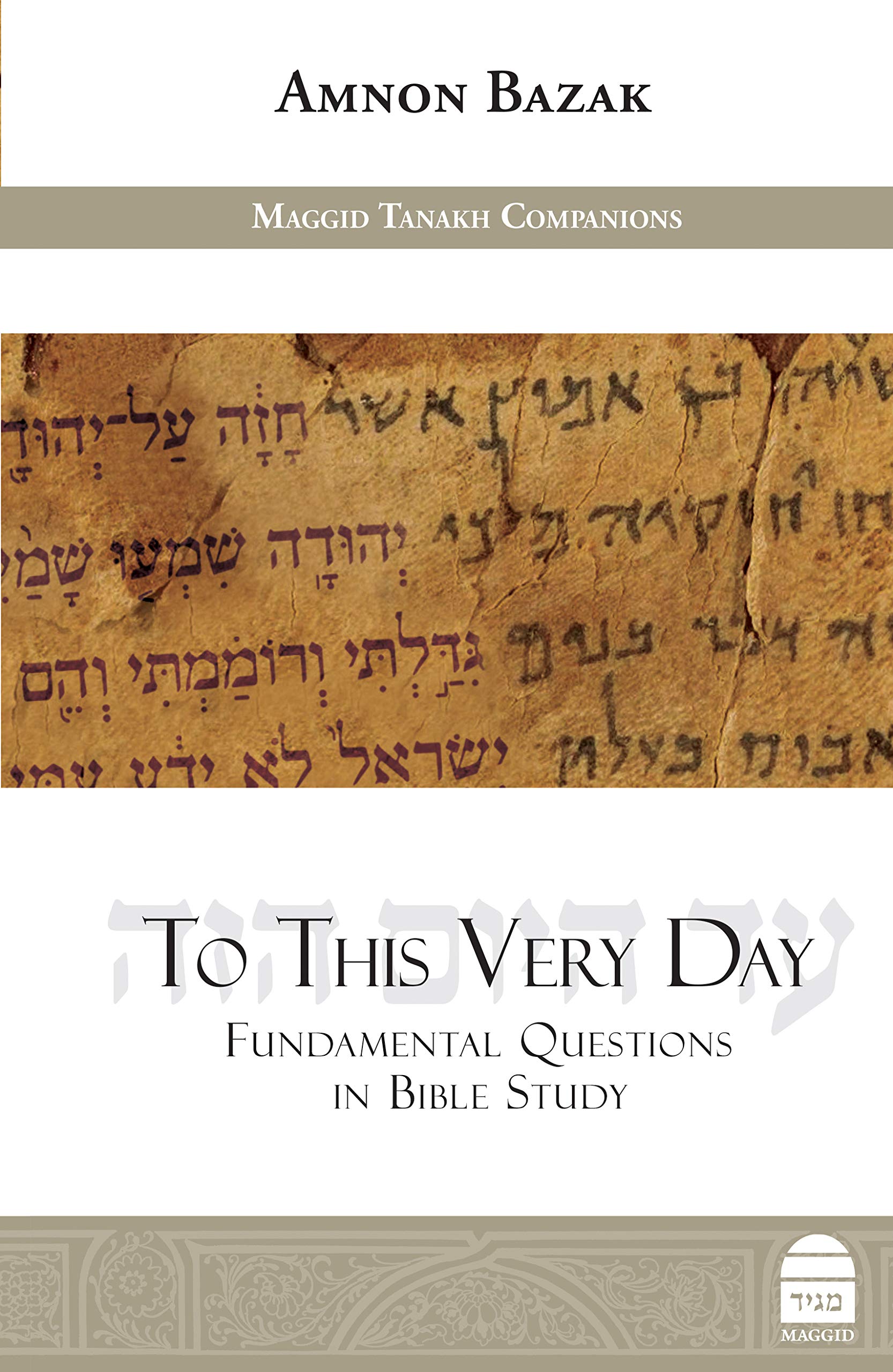
TO THIS VERY DAY: FUNDAMENTAL QUESTIONS IN BIBLE STUDY

Of all the books I’ve read on Biblical criticism, I think I found this the most satisfying. Bazak really covers all of the main issues that arise from a critical reading of the Bible. The structure is very clear and he deals with all the issues in a thoughtful and substantive way. Some may want a book that contends more with contemporary scholarship and secondary literature, but I found the grounding and orientation of the book quite satisfying. There are some thinkers and approaches I would have liked to see represented more, like Tamar Ross and Rav Shagar who wed postmodernist thought with traditional Jewish thought. Still, if one were looking for an introduction that lays out all of the key issues with traditional framing—start here.

BUY ON KOREN PUBLISHERS

book

ANI MAAMIN: BIBLICAL CRITICISM, HISTORICAL TRUTH, AND THE THIRTEEN PRINCIPLES OF FAITH

It’s interesting to compare Berman’s work with Bazak. I enjoyed both. Berman spends more time outlining the broad perspectives one should have when approaching Biblical criticism and how they square with contemporary Jewish ideology. At times, he can veer into more polemical discourse—his book is far more impassioned than Bazak’s. In many ways, the differing tones between Berman and Bazak reflects their professional orientations. Bazak is an educator and approaches his work a little more soberly. Berman, as a member of the academic field of Biblical Studies, is privy to more of the politics, risks, and perceived biases in the field and it shows.

Buy on Amazon

book

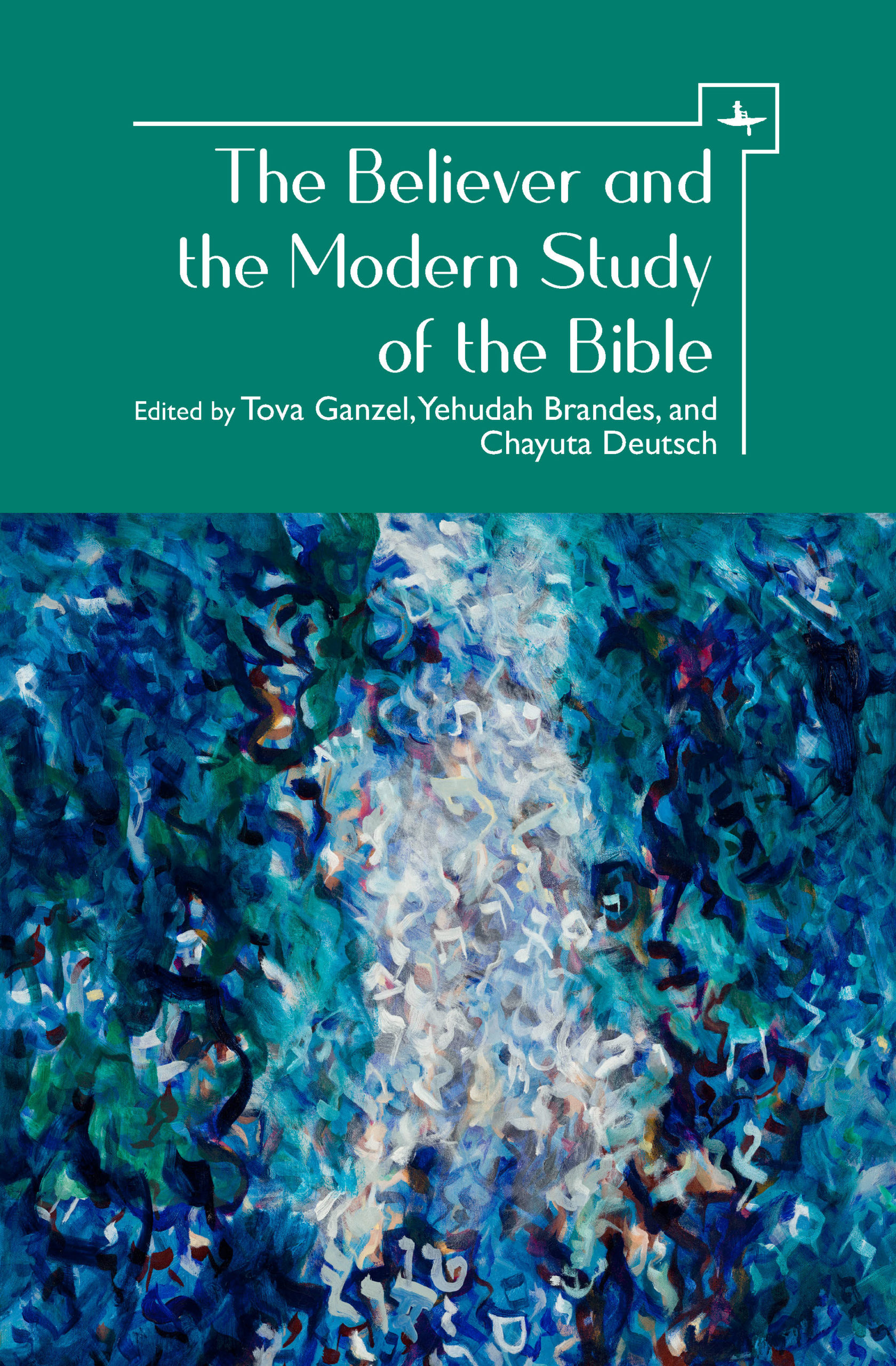
THE BELIEVER AND THE MODERN STUDY OF THE BIBLE

This collection of essays represents a diverse group of writers—all with differing views on how to approach Biblical criticism—trying to reconcile its challenges with belief. Some may take issue with some of the essays as being too accepting of some of the premises of Biblical criticism. Others may find some essays rely too much on mysticism. I enjoyed nearly all of the essays—though the quality certainly varies. The best part about this book is that it’s free. It was made available online, so even if you find some of it disappointing—it’s certainly far more valuable than what you paid.


VIEW ON OAPEN

DEDICATED TO THE MEMORY AND LEGACY OF PHILIP EICHEN, EPHRAIM FISHEL BEN MORDECHAI Z”L AND ROSLYN EICHEN, RAZEL BAT GERSHON, Z”L

Newsletters

Sign up for our Newsletter

We’ll keep your inbox stocked fresh with new topics, thoughts and ideas.

TOPICS

  • Topics
    • Topics

DISCOVER

  • Podcasts
  • Essays
  • Videos
  • Guests
    • Podcasts
    • Essays
    • Guests
    • Videos
    • Swag Shop

BOOK CULTURE

  • Book Journeys
  • Shabbos Reads
    • Book Journeys
    • Shabbos Reads

ABOUT US

  • Who we are
  • Submissions
  • Contact us
  • Donate
    • Who we are
    • Submissions
    • Contact us
    • Donate

Copyright ©

2025

18Forty

All Rights Reserved

Privacy Policy

Cookie Policy

Welcome to 18Forty's New Website!

This is your address for today’s biggest Jewish questions. Looking for something in specific? Search on our homepage or browse on your own.