What Zionism Means to Me
Blue and White Cookies I never really thought about living in Israel until…


For longer than we could remember, the story of Judaism has been wrapped up with the story of Zion. Our national narrative(s) circle our journeys to and from the homeland, and the impact of Zion has marked much of our literature, life, and dreams. This month, we are exploring this relationship, and considering where Israel…
Blue and White Cookies I never really thought about living in Israel until…

Discourse surrounding the social, political, or religious realities of Israel almost inevitably falls…

Rabbi Avraham Yitzchak Kook (1856 – 1935) was the first Ashkenazi Chief Rabbi…

In this episode of the 18Forty Podcast, we talk to Noam Weissman, executive vice president of OpenDor Media, about Israel education.

In this episode of the 18Forty Podcast, we talk to Noam Weissman, executive vice president of OpenDor Media,…
In this episode of the 18Forty Podcast, we talk to Lahav Harkov, senior contributing editor and diplomatic correspondent…
In this episode of the 18Forty Podcast, we talk to Bezalel Naor—author, translator, and expert on Rabbi Abraham…
In this episode of the 18Forty Podcast, we talk to Rabbi Elli Fischer— a writer, translator, and editor—about…
In this episode of the 18Forty Podcast, we talk to a series of guests who have made aliyah…
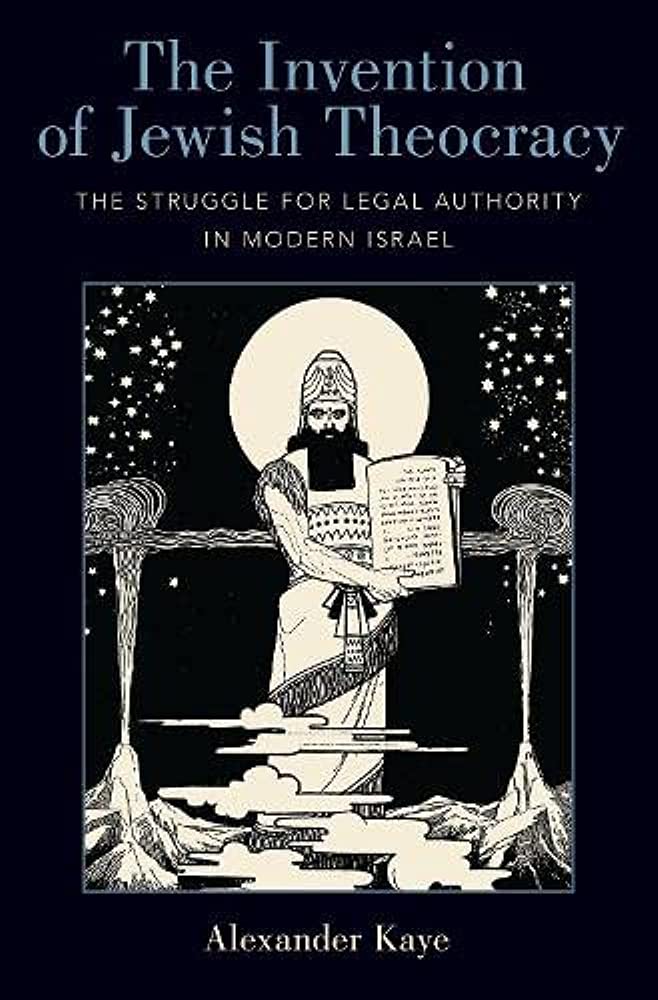
The tension between secular politics and religious fundamentalism is a problem shared by many modern states. This is particularly complex in the State of Israel, where the religious-secular schism provokes conflict at every level of politics and society. Driving these debates is the idea of the halachic state, the demand by many religious Jews that Israel should be governed by the law of the Torah as interpreted by Orthodox rabbis. Understanding this idea is a priority for scholars of Israel and for anyone with an interest in its future. The Invention of Jewish Theocracy is the first book in any language to trace the origins of the idea, to track its development, and to explain its crucial importance in Israel’s past and present. The Invention of Jewish Theocracy is an intellectual history, based on newly discovered material from numerous Israeli…
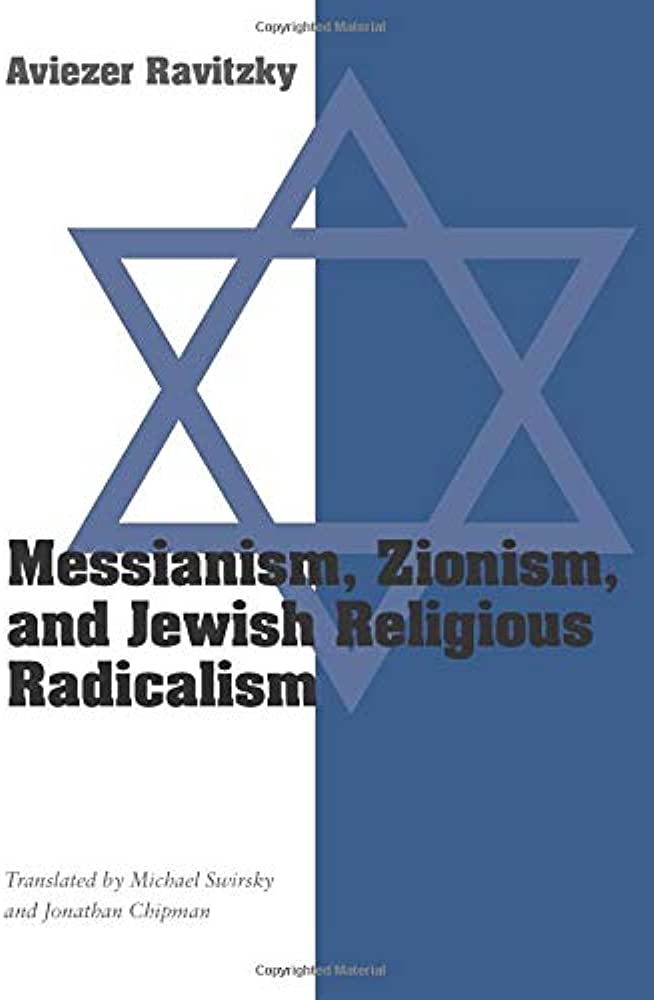
The Orthodox Jewish tradition affirms that Jewish exile will end with the coming of the Messiah. How, then, does Orthodoxy respond to the political realization of a Jewish homeland that is the State of Israel? In this searching study, Aviezer Ravitzky probes Orthodoxy’s divergent positions on Zionism, which range from condemnation to beatification. Ravitzky traces the roots of Charedi ideology and the state of Charedi life in Israel today, and examines varying religious movements’ views on Israel, ending with a discussion about the views of Chabad chassidim. This book is useful to anyone concerned with the complex confrontation between Jewish fundamentalism and Israeli political sovereignty.
David Ben-Gurion cast a far shadow during his lifetime, and his legacy continues to be sharply debated to this day. This new biography by eminent Israeli historian Anita Shapira strives to get to the core of the complex man who would become the face of the new Jewish nation. Shapira tells the Ben-Gurion story anew, focusing especially on the period after 1948, during the first years of statehood. A result of extensive research and singular access to Ben-Gurion’s personal archives, this book provides fascinating and original insights into his personal qualities and those that defined his political leadership. Shapira’s portrait reveals the flesh-and-blood man who more than anyone else realized the Israeli state. For the full picture of this man, read this book alongside Daniel Gordis’ Menachem Begin: The Battle for Israel’s Soul, about Ben-Gurion’s ideological opponent, and a man…