

I Read This Over Shabbos is a weekly newsletter from Rivka Bennun Kay about Jewish book culture, book recommendations, and modern ideas. Receive this free newsletter every week in your inbox by subscribing here. Questions, comments, or feedback? Email Rivka at Shabbosreads@18forty.org.
It’s astounding to me, looking back, that I earned an undergrad degree without ever getting help from AI. Now that I use AI in my everyday life and work, that fact has become a source of pride.
There was a time in the not-so-distant past when ChatGPT wasn’t even a tool I could imagine using. Now, I don’t go a day without using it. I find myself questioning the skills that I worked so hard to hone in college—where did those skills go?
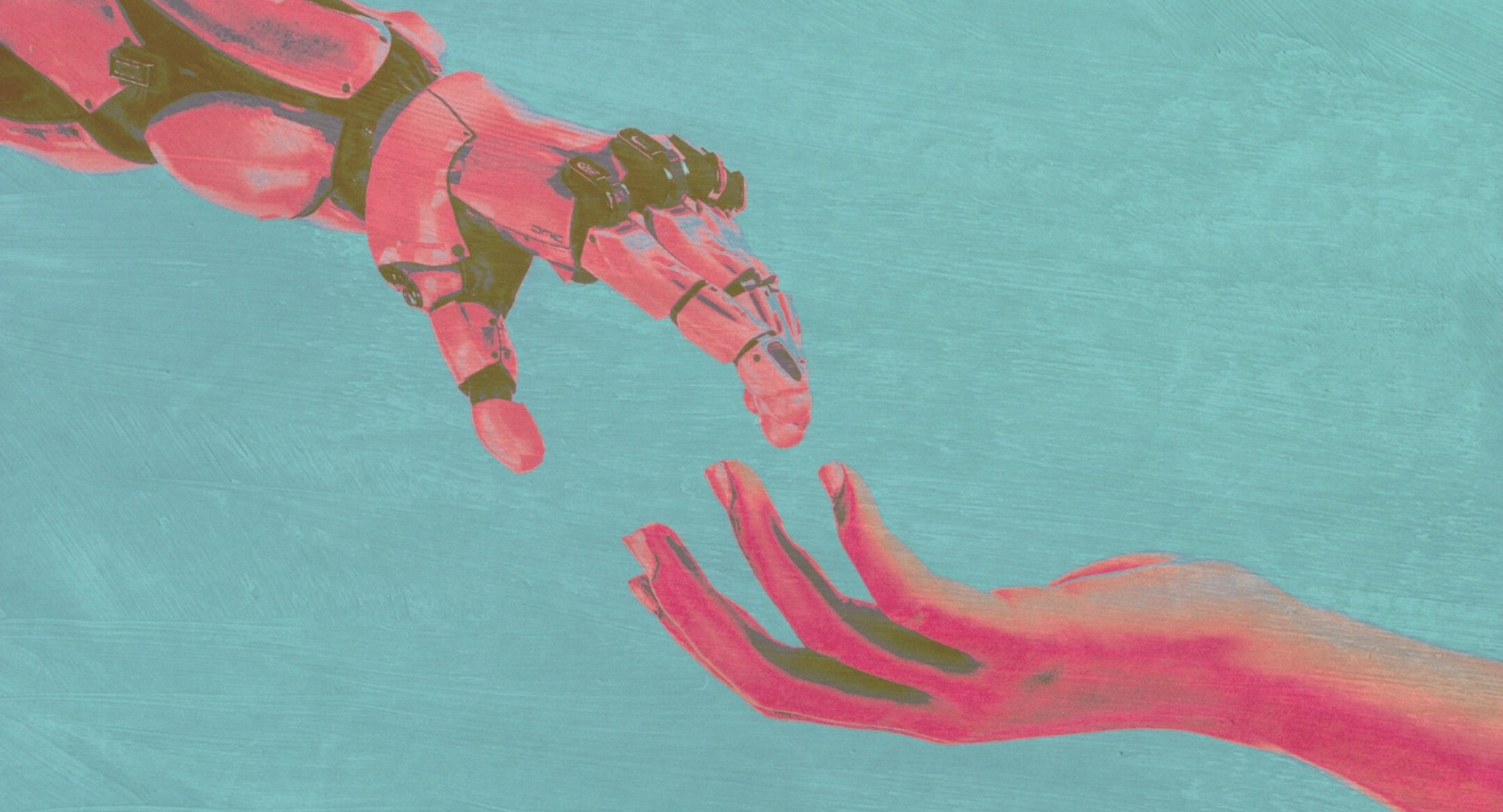
Today, more than one billion people in the world are estimated to use AI tools. What does it mean to be human? What is consciousness? What makes a soul a soul—and a self a self?
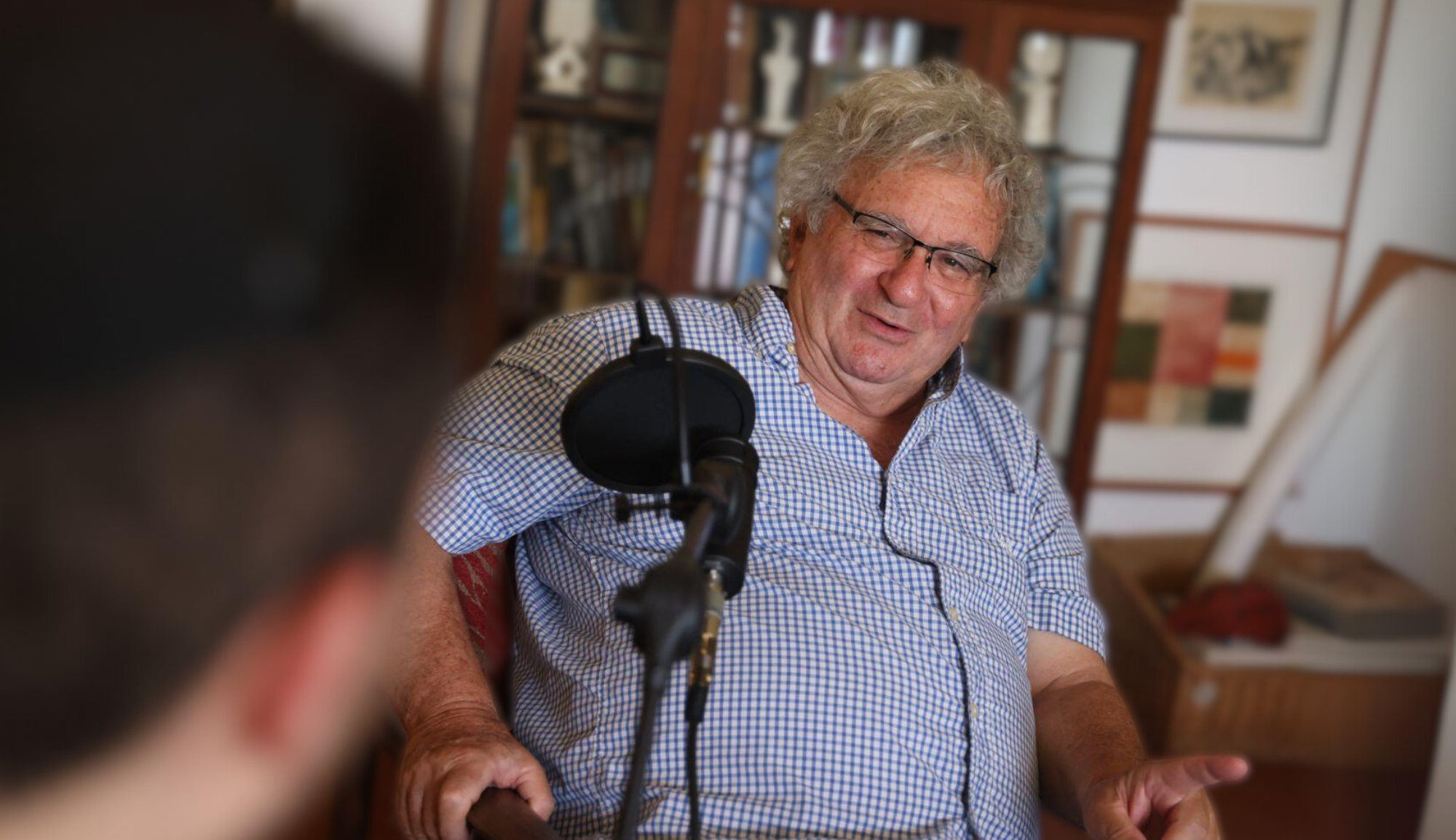
We asked these questions at 18Forty’s AI Summit, hosted in partnership with American Security Fund. In line with our goals of exploring big ideas and inviting curiosity, this booklist should help you continue the conversation.
On Human Consciousness and the Self:
Halakhic Man by Rabbi Joseph B. Soloveitchik
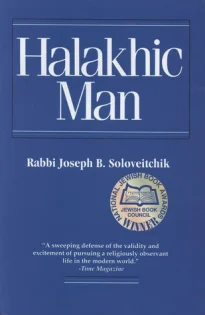
A study of the ideal religious personality defined by halachic categories, precision, and disciplined creativity. Rav Soloveitchik portrays halachic life as a unique way of experiencing reality—one that fuses intellect, ethics, and sanctity.
The Conscious Mind by David Chalmers
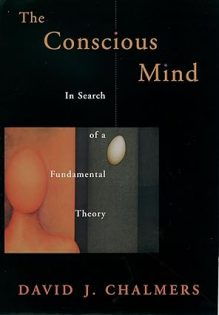
Chalmers argues that subjective experience—the “hard problem” of consciousness—cannot be reduced to physical processes. He suggests that consciousness is a fundamental feature of the universe.
The Lonely Man of Faith by Rabbi Joseph B. Soloveitchik
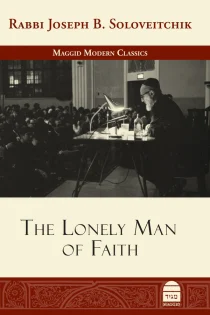
This essay contrasts two models of the human being—majestic, creative Adam I and covenantal, relational Adam II. Through their tension, Rav Soloveitchik explores the existential loneliness and spiritual depth of modern faith.
On AI, the Mind, and the Boundaries of the Human:
The Most Human Human by Brian Christian
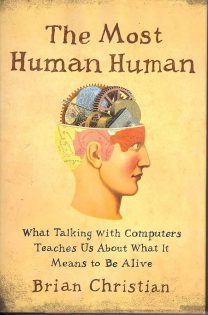
Christian enters the Turing Test competition to explore what truly distinguishes human intelligence from machines. His journey becomes a meditation on language, creativity, empathy, and the nature of humanness in the age of AI.
“What Is It Like to Be a Bat?” by Thomas Nagel

Nagel argues that every creature has its own inner world that only it can truly experience. He uses the bat’s unique way of sensing the world to show why science can’t fully explain what consciousness feels like from the inside.
(Check out Marina Zilbergerts’ recent piece on AI and consciousness for a deeper analysis of Nagel’s work.)
Life 3.0 by Max Tegmark
Tegmark explores how advanced AI could shape the future of humanity, from helpful tools to potentially dangerous systems. He shows why the choices we make now will determine whether AI strengthens human civilization or puts it at risk.
Galileo’s Error by Philip Goff
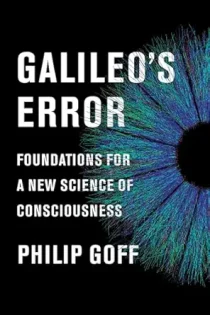
Goff critiques the materialist worldview that emerged from Galileo’s scientific revolution, arguing it excluded consciousness from the natural world. He proposes panpsychism as a more complete picture of reality—one that treats consciousness as fundamental rather than accidental.
On Judaism, Technology, and the Future of Civilization:
Future Tense by Rabbi Jonathan Sacks
Rabbi Sacks offers a hopeful vision for Judaism’s future, emphasizing moral responsibility, covenant, and renewed purpose in a rapidly changing world. He argues that Judaism thrives when it embraces the challenges of modernity with confidence and creativity.
What We Owe the Future by William MacAskill
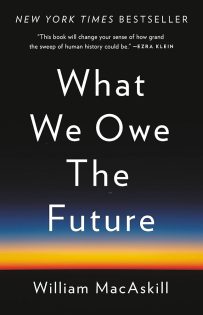
MacAskill, a Scottish philosopher and author, makes the case for “longtermism,” arguing that our moral responsibility extends to the vast future of humanity. He explores how present-day choices about technology, ethics, and risk shape civilization’s trajectory.
Anti-Judaism by David Nirenberg
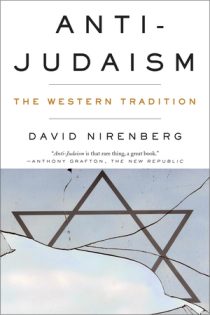
Nirenberg traces how anti-Judaism—using Judaism as an idea or foil—has shaped Western thought for millennia. He shows that hostility toward “the Jewish” is woven deeply into the intellectual foundations of the West.
The Master and His Emissary by Iain McGilchrist
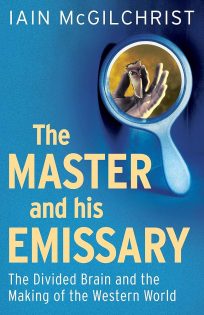
McGilchrist argues that the brain’s two hemispheres shape how we see and understand the world in very different ways. He suggests that Western civilization has increasingly favored the left hemisphere’s narrow, analytical style of thinking, often at the expense of the deeper, more holistic perspective we need to live well.
On Language, Meaning, and Human Uniqueness:
Ludwig Wittgenstein: Philosophy in the Age of Airplanes by Anthony Gottlieb
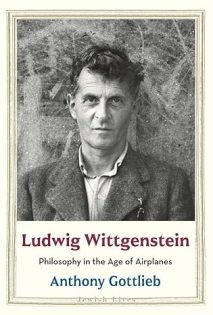
This book presents Wittgenstein’s life and thought in a vivid, accessible way, emphasizing how his ideas on language, meaning, and form-of-life transformed modern philosophy. It portrays him as a thinker shaped by—and reacting against—the anxieties of modernity.
Words and Rules by Steven Pinker
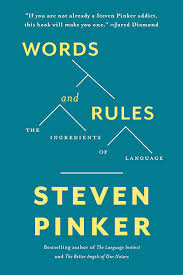
Pinker explores how the human mind uses both memorized words and grammatical rules to generate language. His analysis reveals why language is both computational and deeply human, with implications for AI and linguistics alike.
Fiction That Illuminates the Human Question:
Klara and the Sun by Kazuo Ishiguro
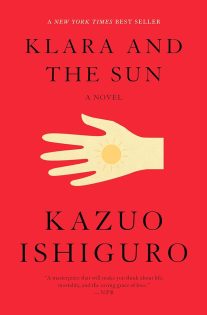
Through the eyes of an AI companion, Ishiguro explores love, loneliness, and the fragile needs of the human heart. The novel asks whether an artificial being can understand devotion—and what that question reveals about us.