

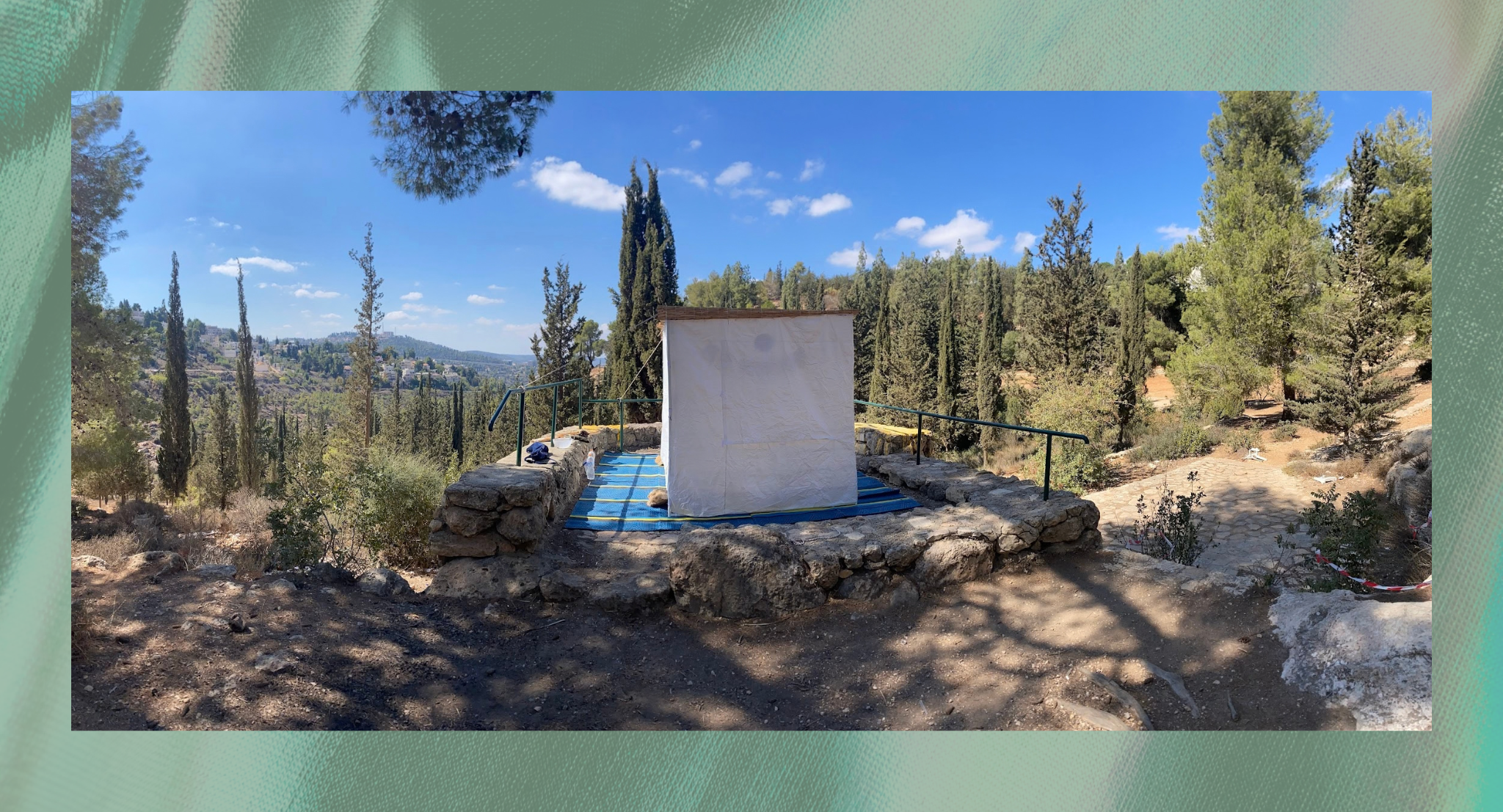
Sukkot has ended once again, and yet it lingers. Around my neighborhood, a few stubborn structures still stand, resisting the season’s departure. On my morning walk to the office, I pass a dumpster cluttered with shredded bamboo mats, knotted extension cords, and plastic furniture in pieces. A broken ladder leans against the bin, reaching toward the rim beside a mound of faded paper rings a child likely glued together with delight.
And just like that, I am brought back from this year’s Sukkot to the elaborate sukkah I built last autumn in our new apartment, crossing a threshold in memory to the morning when sunlight glinted across my Chromebook screen and these reflections first began.
Further back, my childhood sukkah comes into view, with its uneven concrete floor, repurposed wooden walls, and wide-gauge bamboo poles. That sukkah, a crude but hardy structure, sometimes stood abandoned in the backyard through the winter before my father dismantled it and hauled it back to the beaten garage. One year, he neglected to remove a brass knob from a salvaged door used as one of the walls, and guests would grasp and twist it before identifying the entranceway. Some thresholds are more easily crossed.
Last year, I sat in a far more deliberate space. The sun played hide-and-seek through woven mats, a soft wind rattled hanging blinds whose panels alternated between sheer and opaque, and matte-gray tiles were cool on my bare feet. To my left hung that frayed linen cloth, resonant like a banner, pierced by too many staples. The cloth carried more weight than one might expect, having adorned my family’s sukkot for decades. At sunset, I stood before the relic and intoned its message, L’shanah haba’ah b’Yerushalayim, “Next year in Jerusalem,” with tears in my eyes, then sang the triumphant Yiddish anthem, A gants yohr freilach, “A whole year happy.”
I watched the fabric ripple then, remembering.
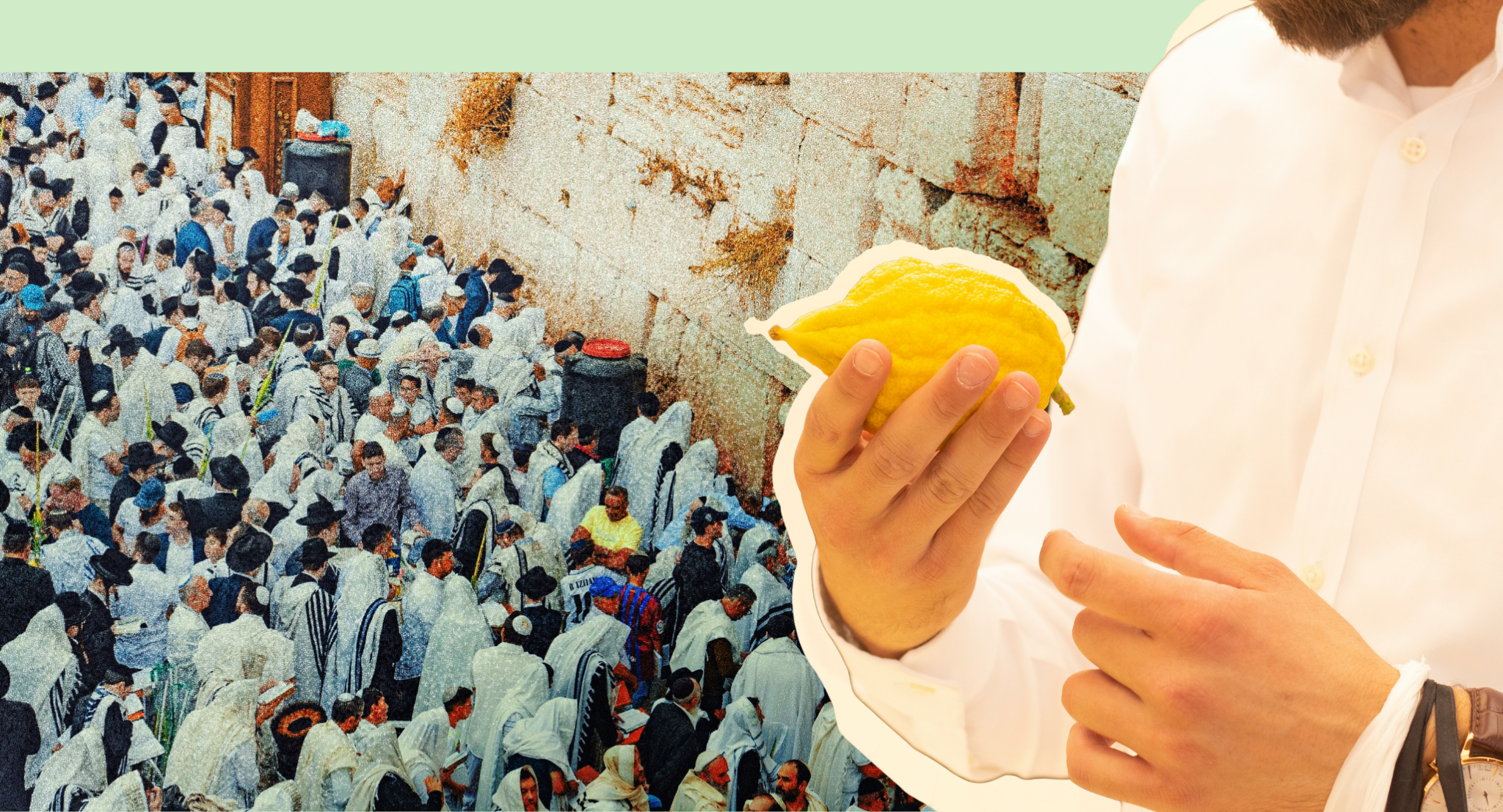
On last year’s Hoshana Rabbah, as the surviving October 7 hostages were returning at the end of a two-year nightmare in Israel, I noticed how the day’s ritual echoed in my emotions. Throughout Sukkot, four species of vegetation are taken together in celebration of the harvest season. On the concluding day of the festival, the palm frond, citron, and myrtle are set aside, and a ceremony is performed with the simple willow alone. I watched in stillness as politicians and repatriated captives shared a split screen. The simultaneous experience of arousal and exhaustion, elation and horror rendered me silent, like the willow, whose leaves resemble muted lips.
I was humbled by the quiet of unknowing.
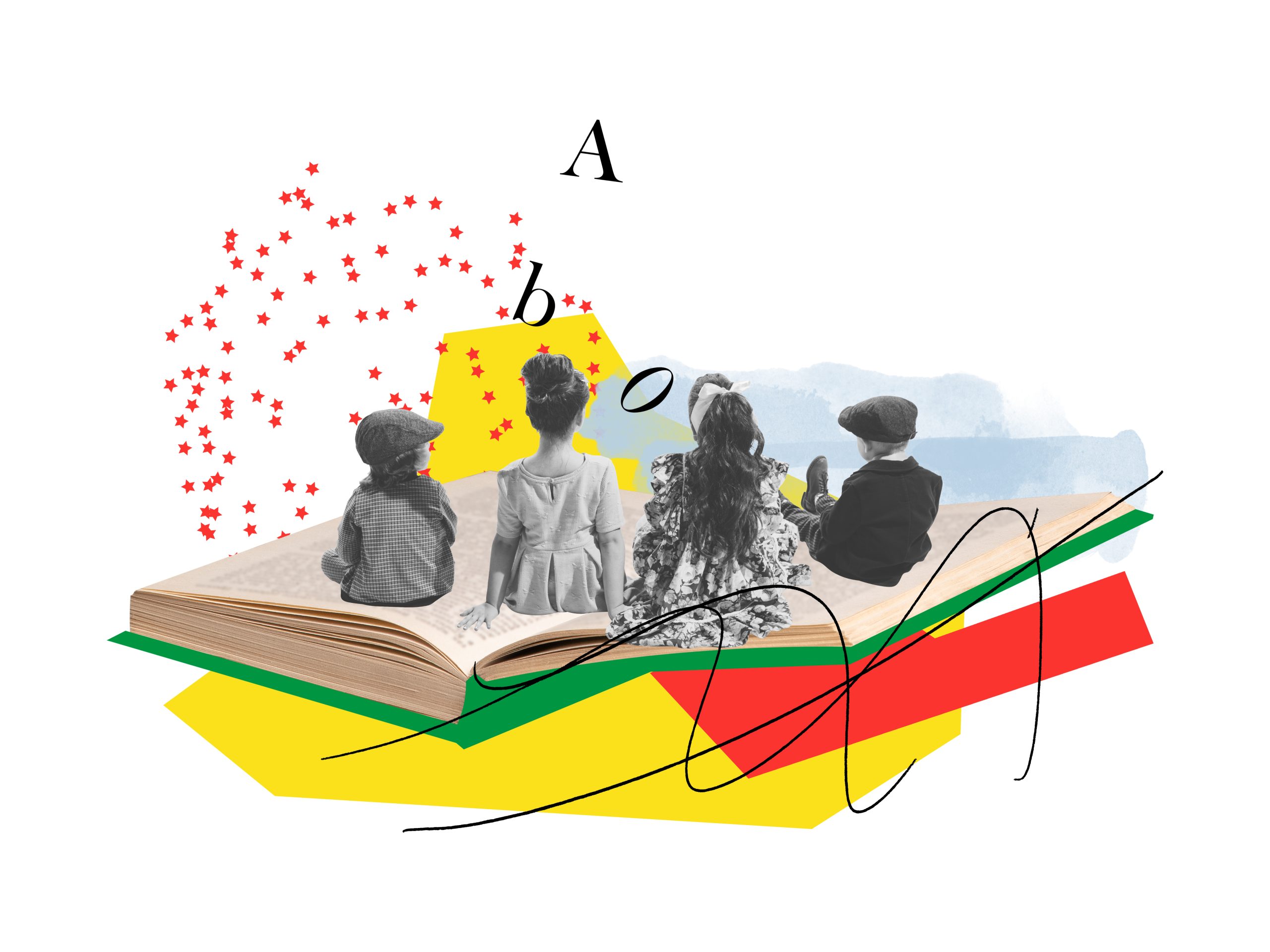
Earlier that week, it had occurred to me that, in contrast with Pesach, on Sukkot children are not prompted to ask four questions, and I voiced the observation to a table full of guests, including four grandchildren gathered in my family’s sukkah for the first time. Surely the construction of temporary dwellings and waving of the Four Species are no less curious than matzah and bitter herbs.
Then, throughout the week in that ephemeral structure, beneath the woven canopy and within its gentle rhythms, a theme slowly took shape. While Pesach invites narration, Sukkot invites attention. A sukkah is not a place for inquiry, it seemed to me, but for awareness of the play of light, the brushing of breezes, and the whispering of leaves. On Pesach, questions direct us outward; on Sukkot, attentiveness draws us in. Passing through Yom Kippur, we come to live inside a sukkah, which asks nothing of us but to be vulnerable within its frame.
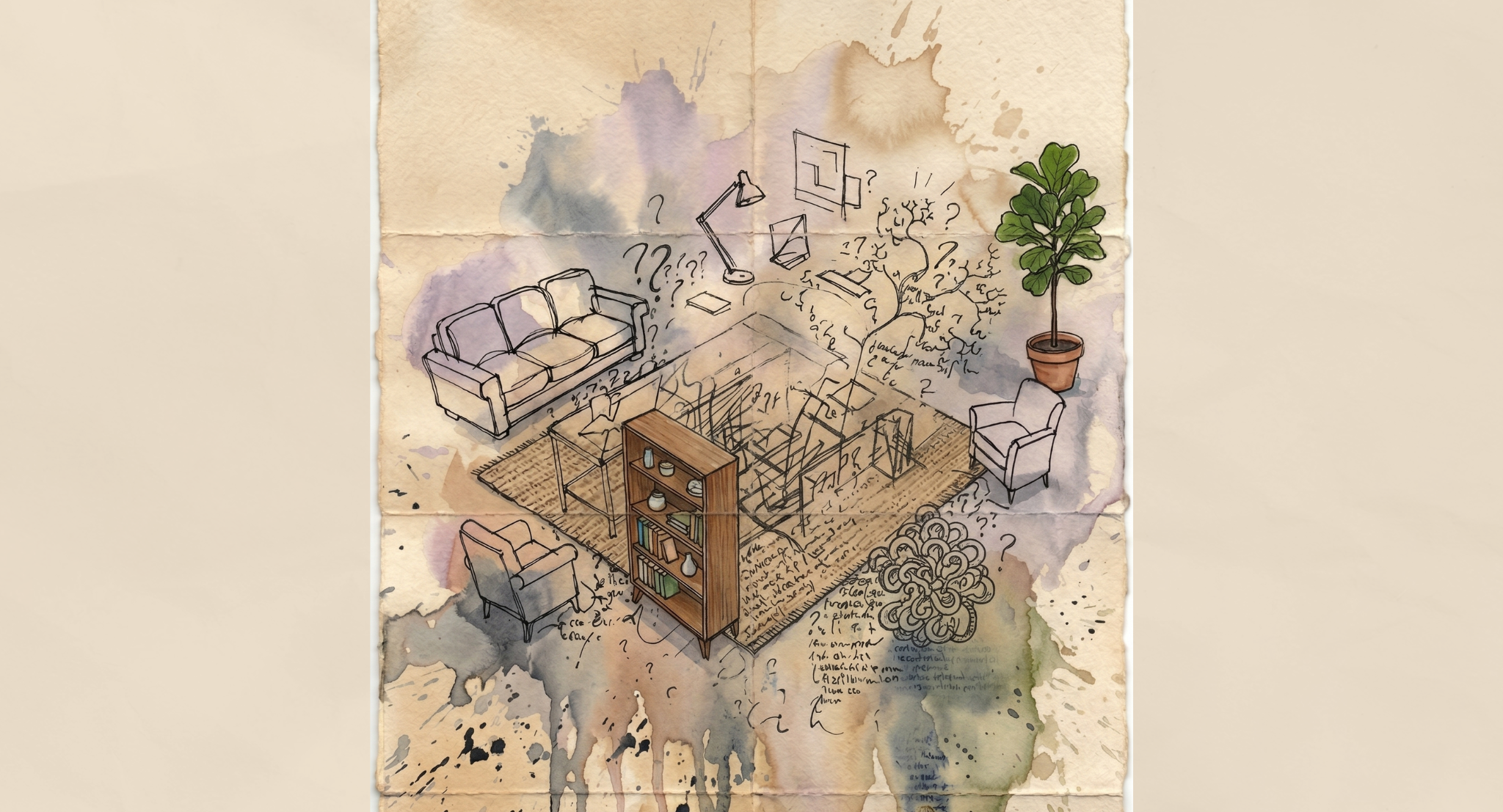
From psychodynamic practice, we learn that delicate truths do not readily emerge through questions, which demand answers and interrupt associative thinking. In this therapy, insight develops from the willingness to linger in reverie, barefoot in uncertainty, sensing each tentative step across uneven ground. The sukkah offers a similar opportunity. Its makeshift walls and permeable roof grant no certainties and make no demands. Inside, being becomes sufficient, and inhabiting a sukkah’s interior replaces any need to ask why.
And the doorway matters. When a patient enters my office, it is as though he steps into a sukkah from a house. Inside that provisional space, footing becomes unsteady, stories give way to sensations, and what unfolds is not summoned but recalled, often out of sequence. Gradually, questions lose their urgency, and lessons are learned not through explanation, but through the fleeting and fragile experience of presence and attention. And then the patient steps out.
Like a sukkah, my office is a liminal space, a threshold of subtle disorientation where the familiar is left behind for an unfamiliar encounter. In their boundaried impermanence, both spaces welcome increased awareness and become portals to expanded perceptions. Where comfort gives way to exposure, a state of unknowing emerges in which experiences are more precious than any questions asked, and showing is more valuable than telling.
When that sukkah came down last year, the writing continued.
After dismantling that structure at the festival’s end, I revisited these reflections in a more ambiguous setting. The wooden table and smooth tiles remained the same, but the walls and windows were gone; sunlight no longer leaked through woven mats, and the linen cloth had been folded away. The location was unchanged, yet the balcony felt utterly transformed. I felt less protected in that exposed space without sukkah walls, yet I could also see the trees.
Now, the sukkah has come down again.
Passing the dumpster, I become aware that ordinary steps carry traces of the liminal, like doorways and memories, on the way to somewhere from somewhere else. Along this shifting path, thoughts wander across my mind’s uneven ground.
The same four grandchildren gathered in our sukkah again this year, older now, as autumn settles in. Birds chirp in quivering branches, and the harvest air is turning. Ahead the winter awaits, uncertain, quiet, and cold.