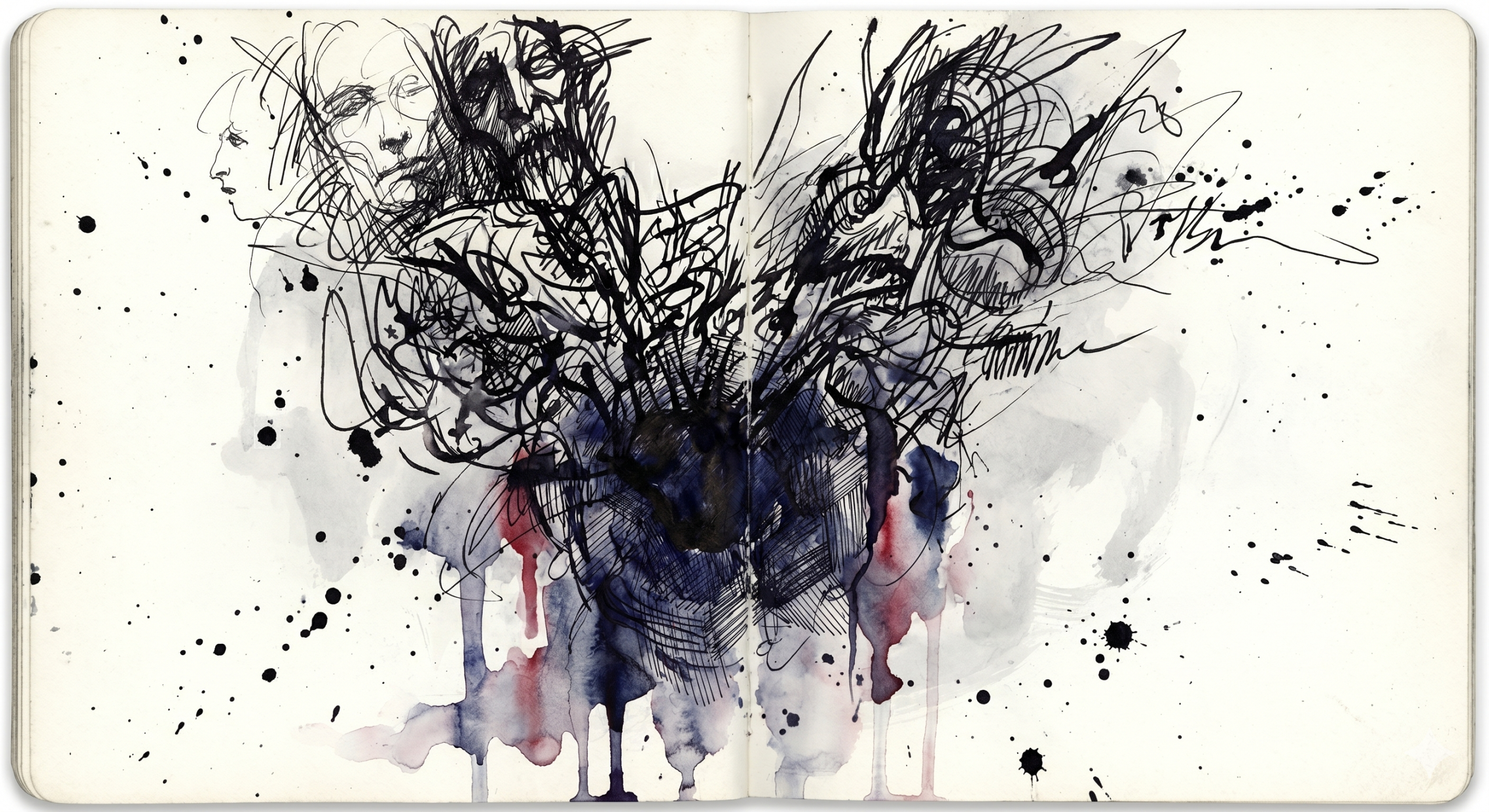


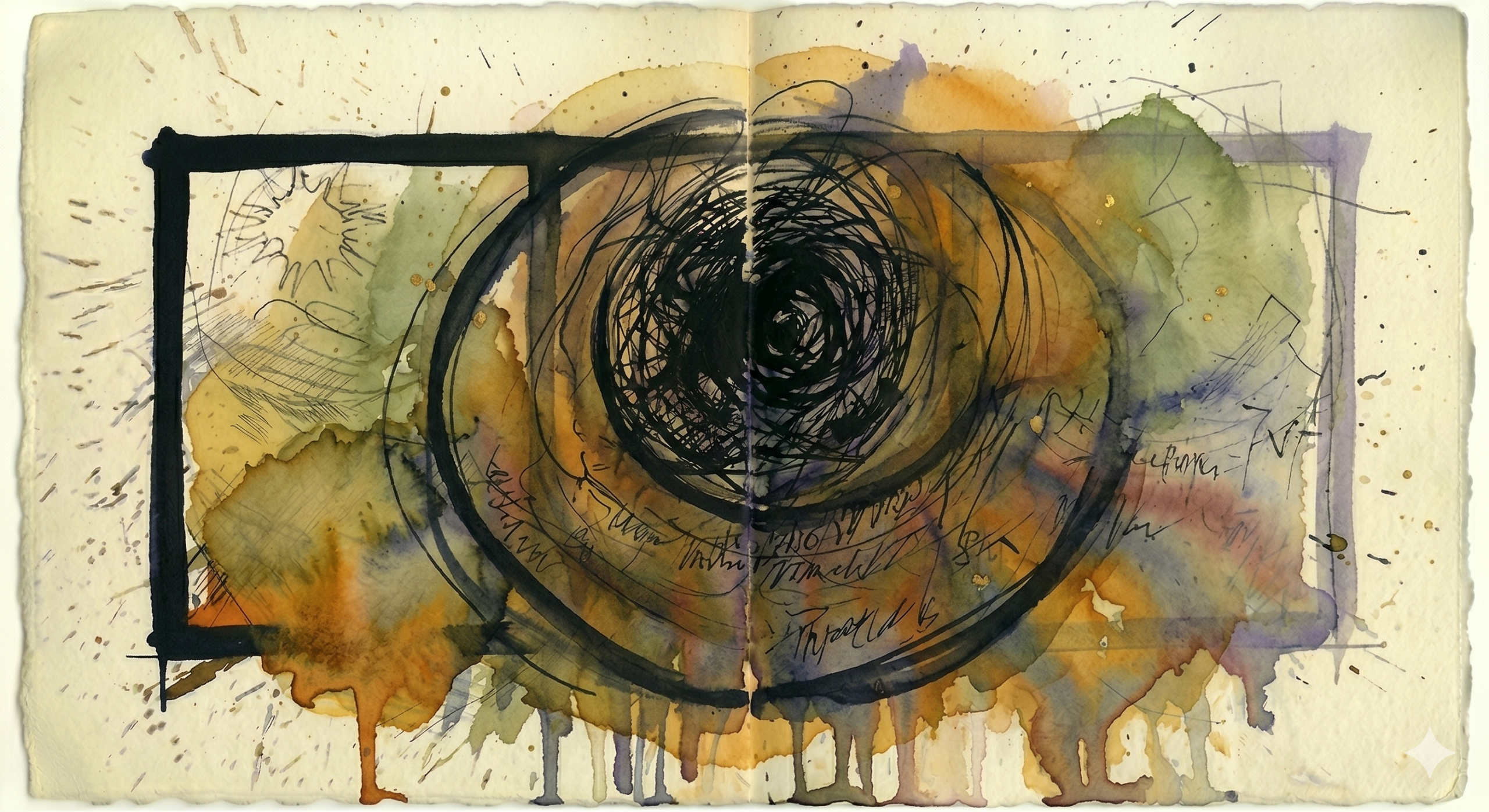
In Theory: The unconscious cannot be approached directly, and the psychodynamic tradition dictates that it requires a structure that can hold what emerges and everything that follows. In psychodynamic theory, the therapeutic frame refers to the same basic conditions, repeated reliably week after week. It is not incidental but theoretically essential, representing the foundation on which everything else rests. The frame creates a predictable space in which the unexpected becomes possible because the container is trusted. Over time, its consistency communicates something that cannot be said directly. It becomes possible to bring thoughts and feelings that feel chaotic, shameful, or difficult to organize, and to experience them as held without collapse or retaliation.
In Experience: Someone for whom inconsistency was familiar learns to read new situations quickly, registering what feels unreliable before anything has been clearly established. This can appear as vigilance, withdrawal, or early adaptation before conditions are clear. Over time, the difference between stable and unstable settings becomes recognizable, and the reaction to stability can feel as threatening as the chaos it replaces.
In Thought: The sense of ease or tension in a given setting may reflect the structure of that setting as much as anything brought into it. What feels internal may partly be environmental.
In Print: Havens, L. A Safe Place: Laying the Groundwork of Psychotherapy (1974)
In Attention: Notice where tension changes from one setting to another.