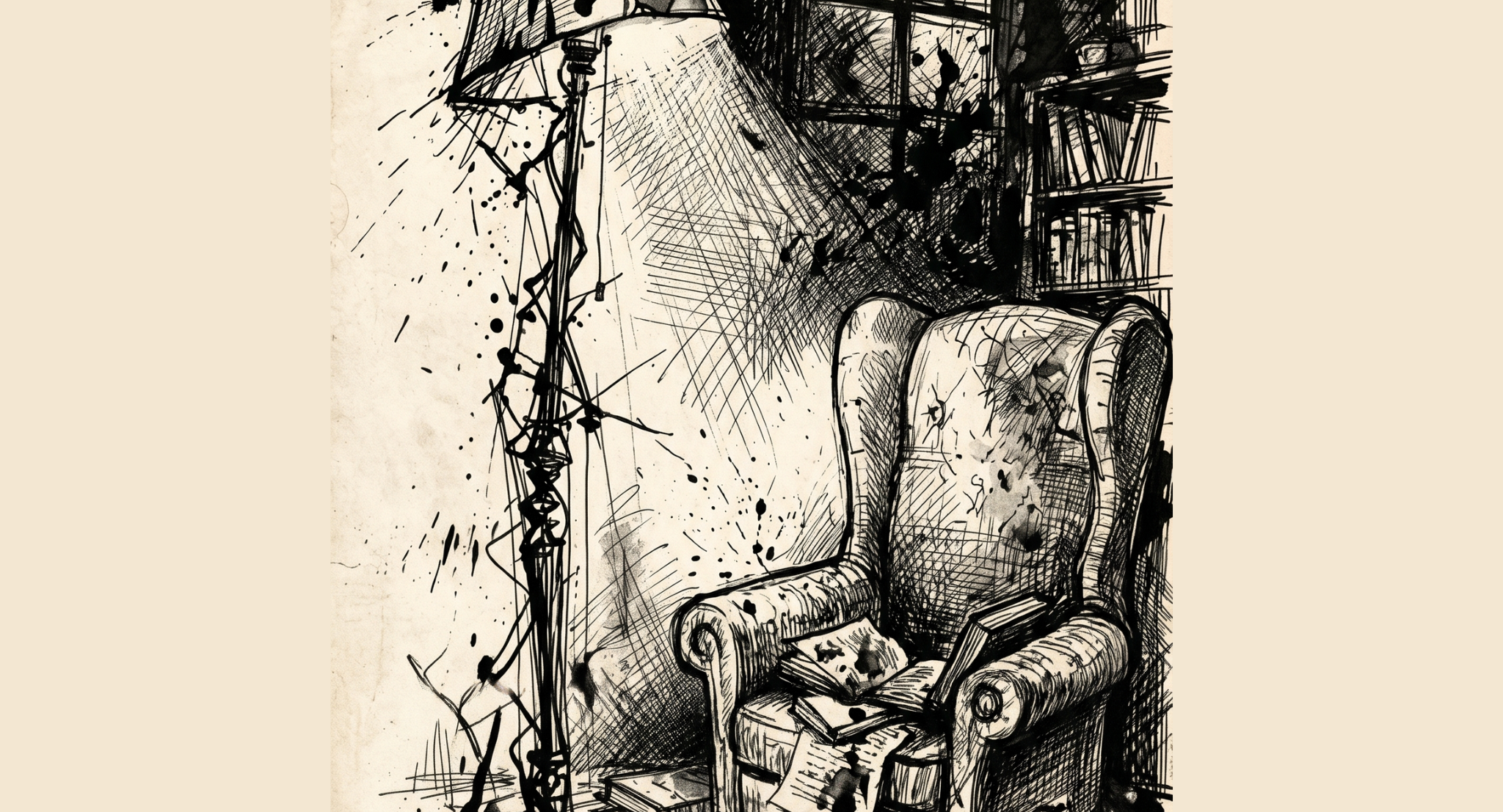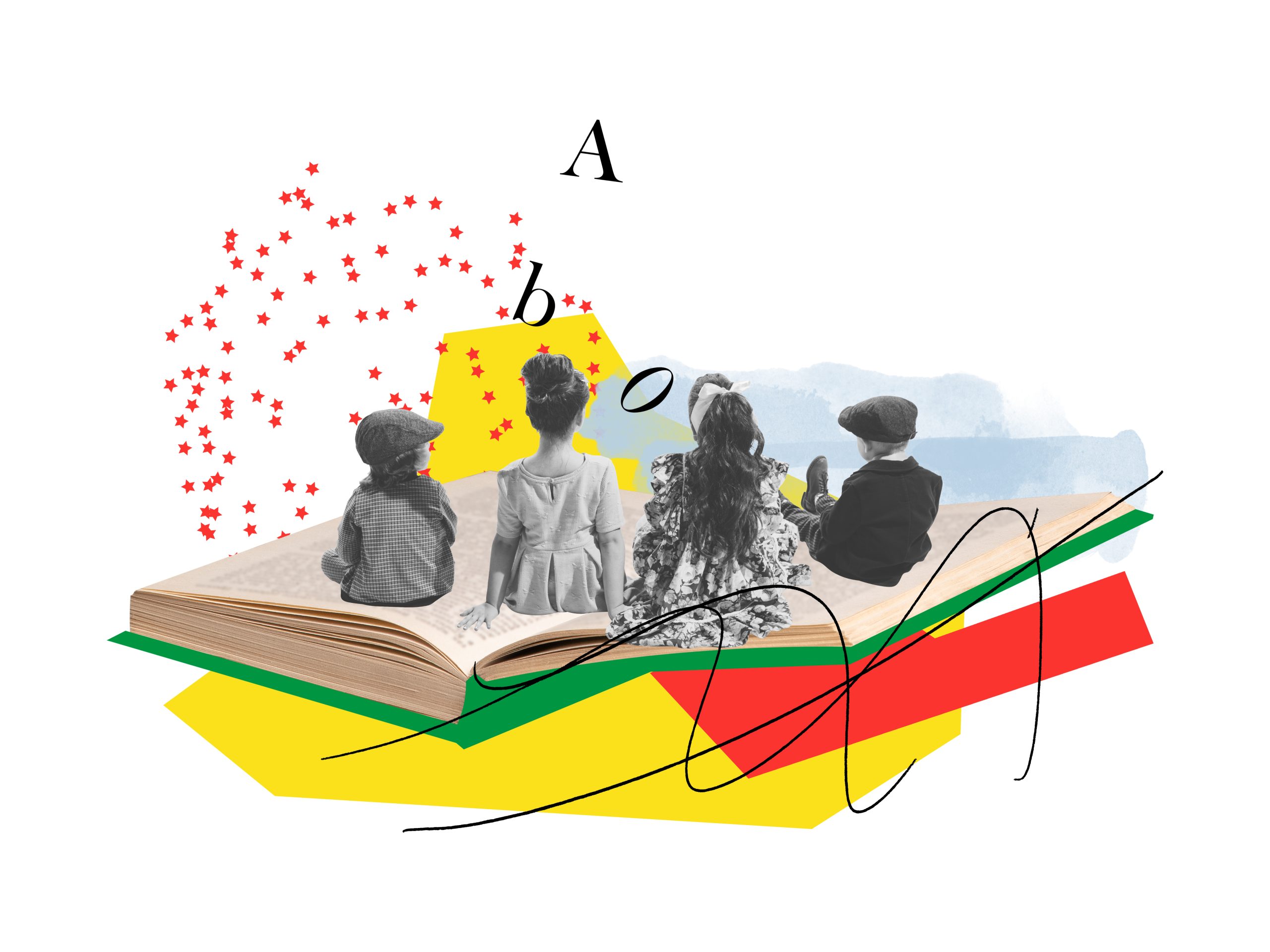


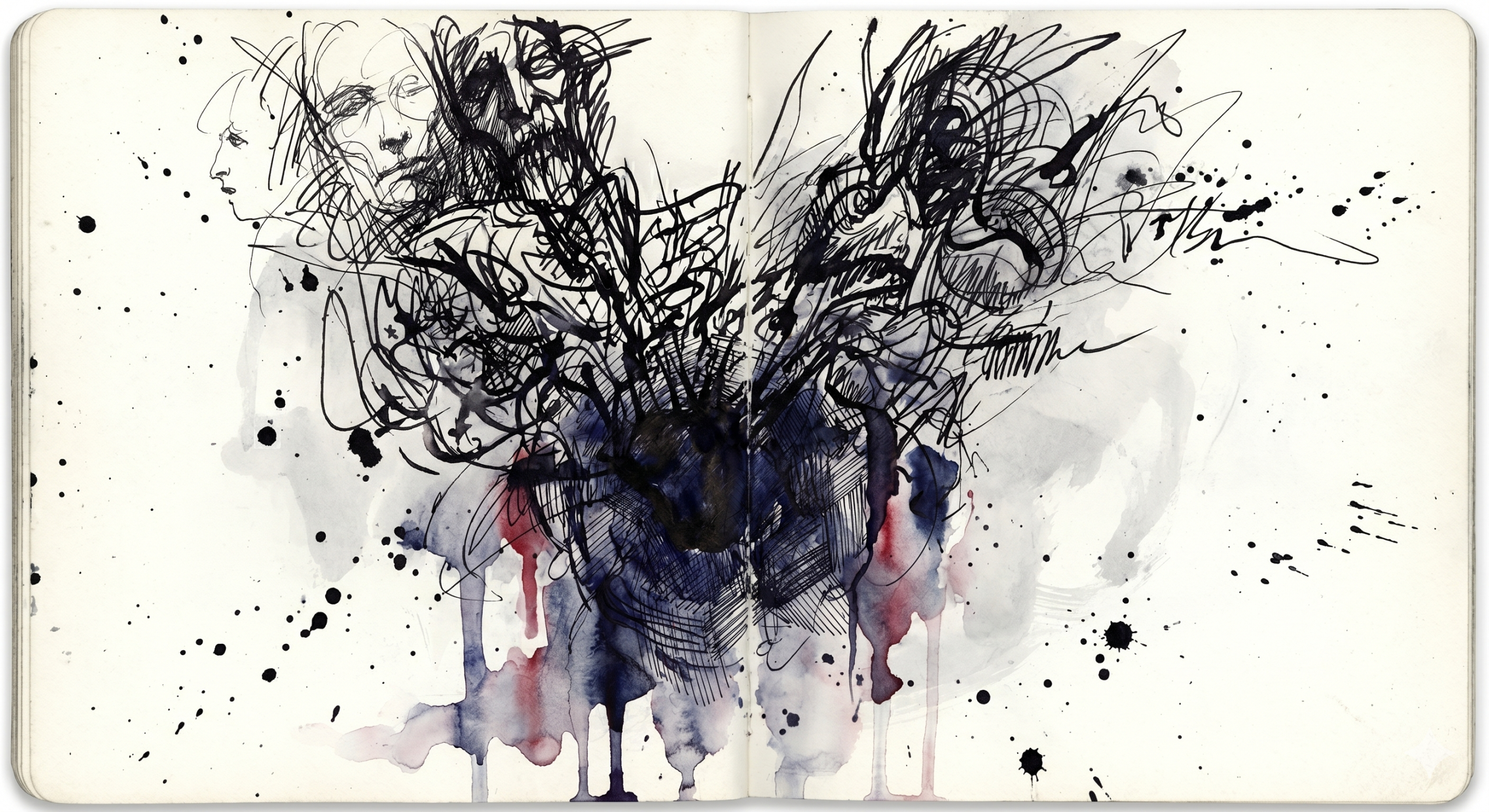
In Theory: The object relations tradition, developed by British analysts such as Melanie Klein, proposed that the human mind is shaped at its most fundamental level by its earliest relationships. This perspective states that we are shaped not by impulses alone, but by the experience of being in relation, of being held or not held, responded to or not responded to, seen or not seen. We are more broadly shaped by connection to the world, to others, and to ideas and experience itself. These early experiences become templates, which are internalized patterns of relating that we carry forward into every significant relationship that follows. We do not choose these templates, because they were formed before we had the language to question them.
In Experience: Something about the way a person is moving through a room when uncertain, was learned long before they could question it. This can also appear in subtler ways, in the hesitation before accepting a compliment, the bracing before entering a room, or the assumption that warmth will not last. What feels like instinct was once a response to something specific.
In Thought: What feels like character may be the residue of early experience rather than something inherent or chosen. The way one moves through the world may have been shaped before it could be questioned.
In Print: Gomez, L. An Introduction to Object Relations (1997)
In Attention: Notice one relational pattern so natural it is rarely examined.