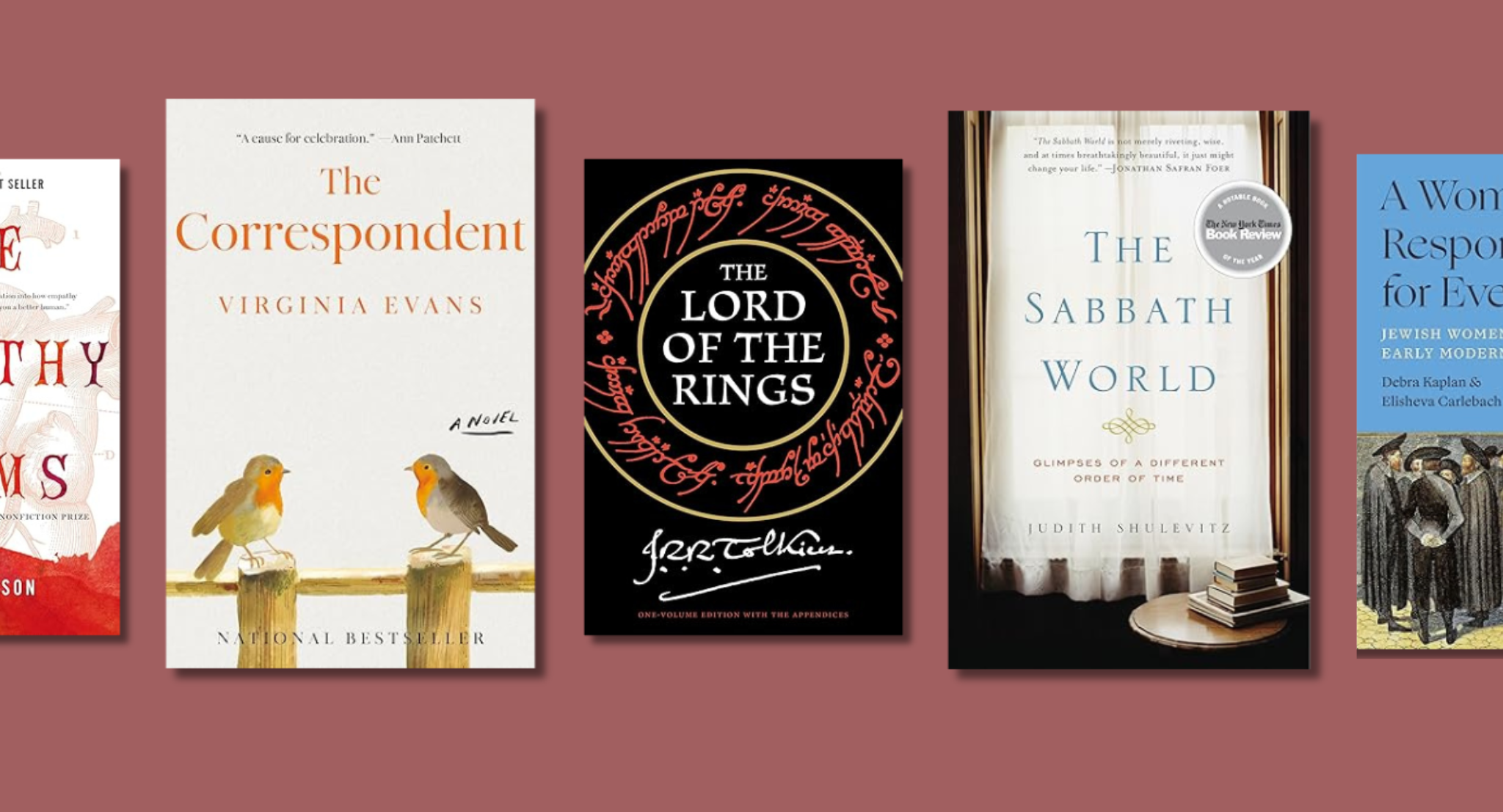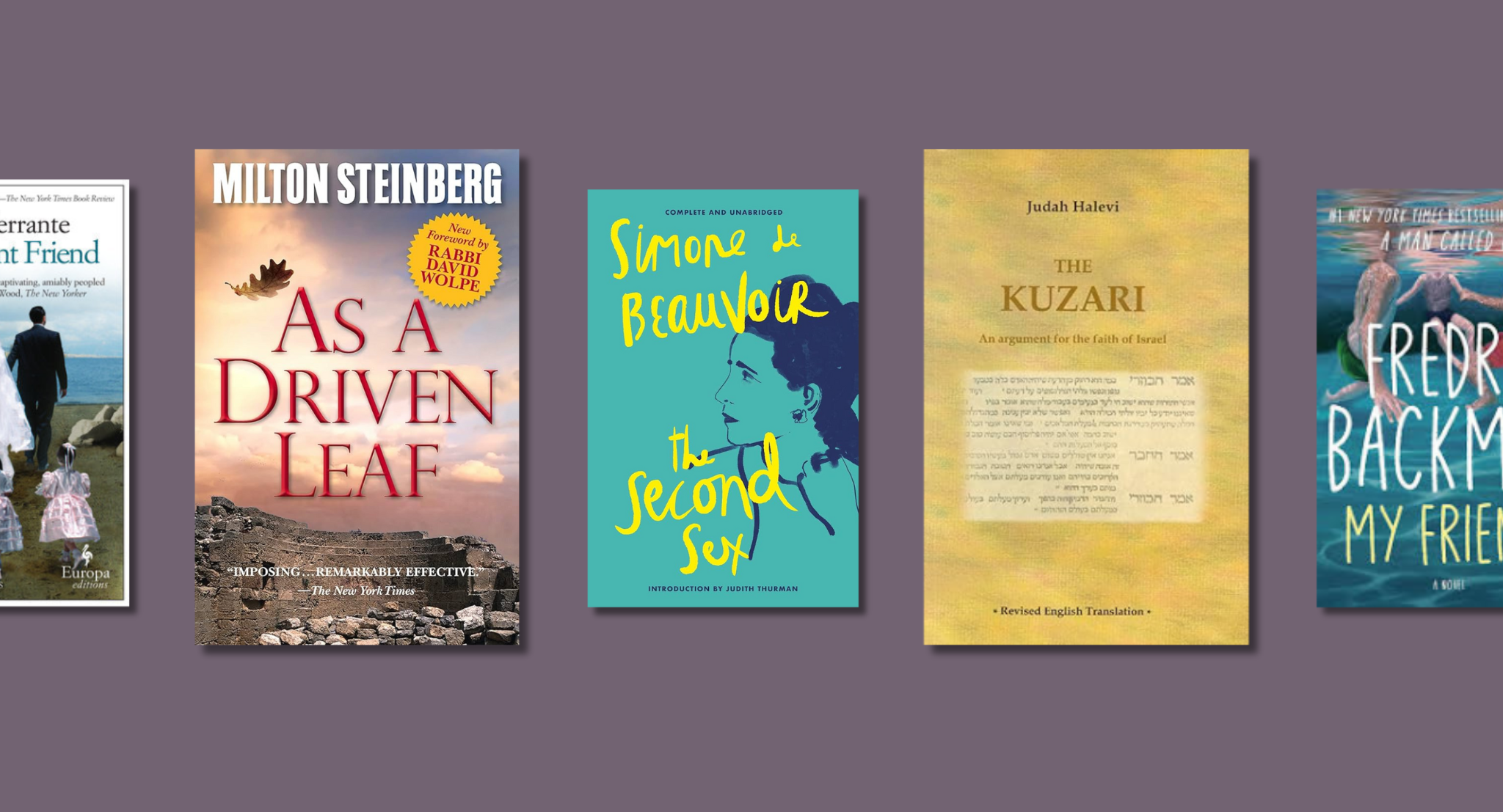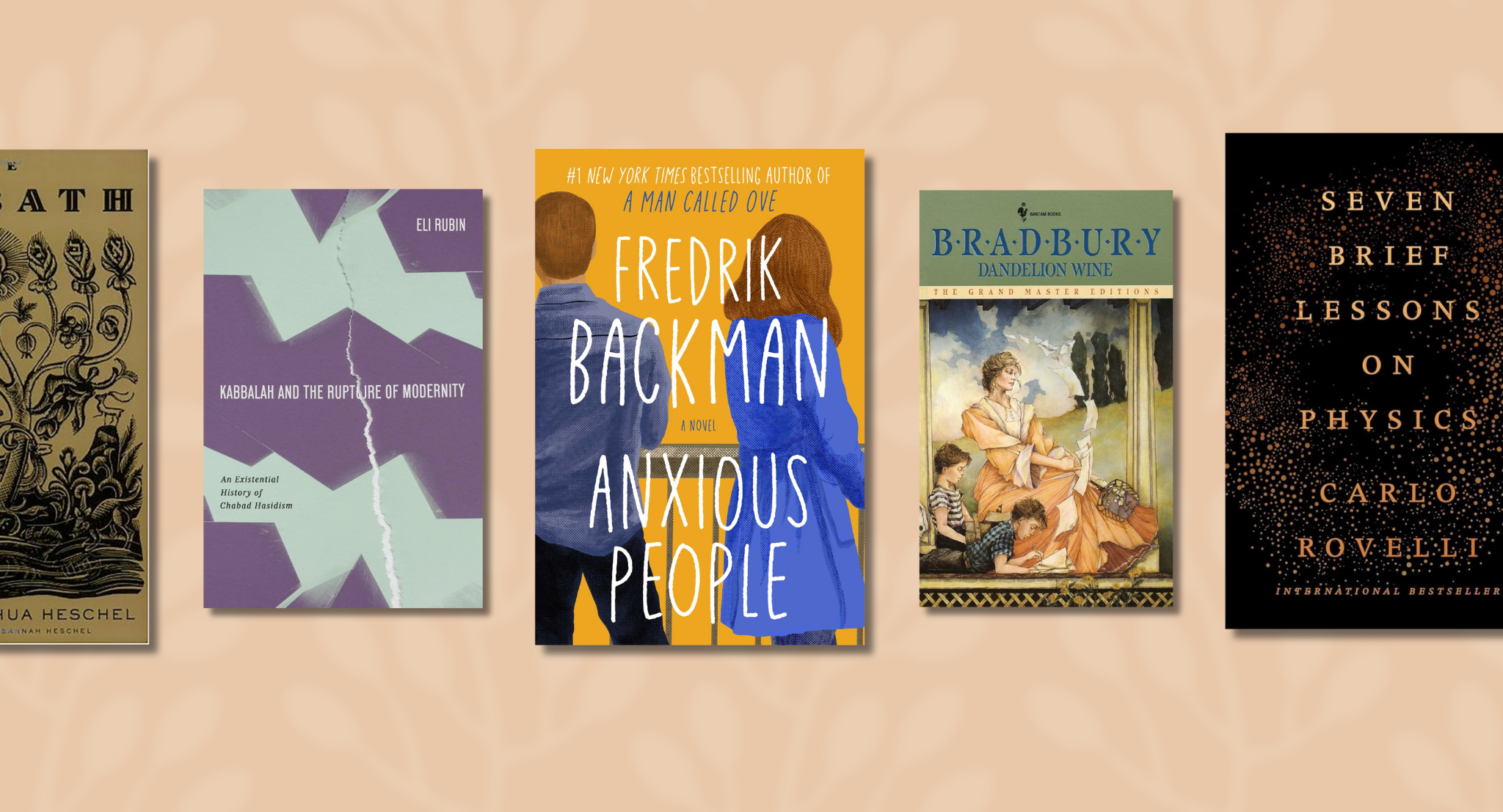


I Read This Over Shabbos is a weekly newsletter from Rivka Bennun Kay about Jewish book culture, book recommendations, and modern ideas. Receive this free newsletter every week in your inbox by subscribing here. Questions, comments, or feedback? Email Rivka at Shabbosreads@18forty.org.
Chanukah has graciously crept up on me, and with it the numerous Chanukah parties I am both hosting and attending. As of writing this, I feel positively overwhelmed by my calendar for the upcoming week, and I’m sure many of you feel the same. Balancing work, candlelighting, family time, and copious amounts of oily foods can feel like a lot.
That sense of busyness is precisely why I chose this week to check in with our 18Forty team and see what they’re reading. Even during the most packed weeks, I like to remind myself that I can still find pockets of time to read—whether in spiritual preparation for Chanukah, or simply as a necessary pause.
Our booklist this month is truly all over the place, and I hope you find inspiration here to pick something up this week and read next to your candles. Chanukah sameach!
David Bashevkin — Founder
Mevakshei Yichudecha by Rabbi Yussi Zakutinsky
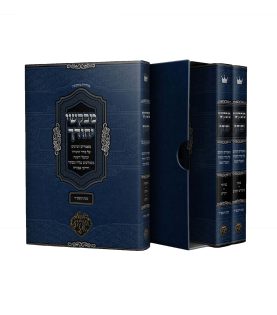
I’m excited to share the Torah of Rav Yussi Zakutinsky shlit”a has been shared in a beautiful two-volume work.
I obviously couldn’t read the entire work, but there are so many highlights.
His soulful genius weaves together lomdus and machshava in a way rarely seen in seforim.
Some of my favorite pieces I read:
- A beautiful introduction about Rambam’s Hilchos Talmud Torah—why Rambam emphasizes not to get angry at students
- Why the third Beis Hamikdash is going to be rebuilt in Cheshvan
- The Rogetchover on Birchas Kohanim
- Rav Shimon Shkop on Nezirus
Sruli Fruchter — Director of Operations
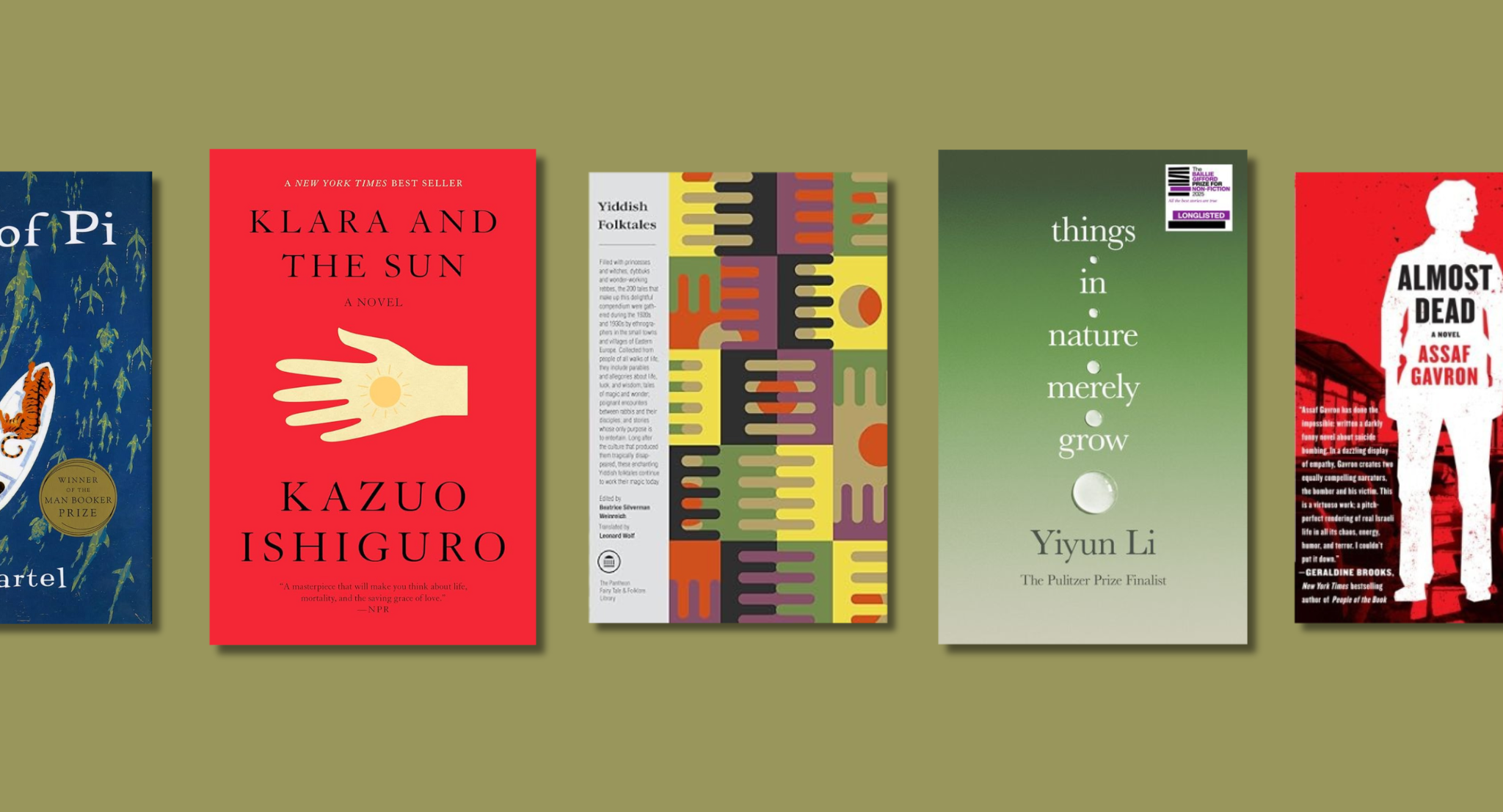
Things in Nature Merely Grow by Yiyun Li

Content warning: This contains mention of suicide.
Yiyun Li’s two teenage sons, Vincent and James, died by suicide within a six-and-a-half years. She says it is a tragedy so egregious it would read as unrealistic in a novel. Things in Nature Merely Grow is Li’s “book for James” that reflects upon their deaths. “Reflects” is the only appropriate word for what Li does—not mourn, understand, cry, or make sense of, but reflect: to observe her harrowing reality, one absent her two children, and describe what she feels and thinks. Li is not providing a guidebook for grief, nor a happy-ending tale to coat her sorrow with a silver lining. She instead writes her emotional experience unfiltered, which is troubling to absorb.
I actually do not recommend this book to others, one reason being that some sentences and paragraphs say things I find dangerous about mental health and suicide.
However, what I do recommend to others is a truth I took from Li: life is everything. All a mother wants is to keep her children alive. Anything beyond that depends on a breath.
It’s a cliche lesson that most fail to absorb until it’s too late.
RELATED: Is It Just a Phase? What You Need to Know About Child Mental Health
Denah Emerson — Podcast Editor
Almost Dead by Assaf Gavron
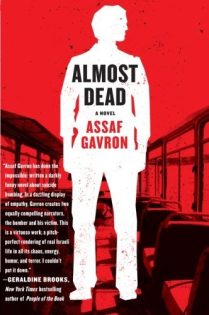
Almost Dead by Assaf Gavron is a sharp, funny, and surprisingly emotional novel about two men caught up in the chaos of the Israeli-Palestinian conflict. One storyline follows Croc, an ordinary Tel Aviv guy who keeps surviving terror attacks and suddenly finds himself treated like a bizarre kind of national symbol. The other follows Fahmi, a young Palestinian in a coma whose memories slowly reveal how he ended up involved in violence in the first place. The book switches between their voices, showing how random, messy, and human life looks on both sides of the divide. Gavron uses humor to highlight just how absurd and heartbreaking this reality can be. The mix of satire, tension, and real vulnerability keeps it gripping the whole way through. In the end, Almost Dead is a thought-provoking but very readable look at survival, identity, and the strange ways we try to make sense of the world around us.
RELATED: Four Ways to Understand Israel Better
Cody Fitzpatrick — Associate Editor
Yiddish Folktales edited by Beatrice Silverman Weinreich
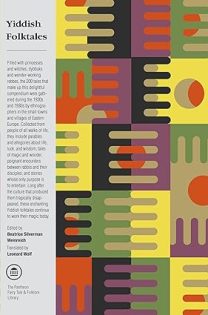
My latest pre-Shabbos trip to Half Price Books yielded this collection of 178 mayses, the first of which is quite meta.
In it, the Vilna Gaon says to the Dubno Maggid: “Help me to understand. What makes a parable so influential? If I recite Torah, there’s a small audience, but let me tell a parable and the synagogue is full. Why is that?”
The Dubno Maggid then personifies Parable and Truth, Truth being naked and scaring off all who see him, and Parable “dressed in splendid clothes of beautiful colors.”
“I’ll tell you a secret,” Parable tells Truth. “Everyone likes things to be disguised and prettied up a bit. Let me lend you some splendid clothes like mine.”
Truth accepts Parable’s offer and borrows some clothes, and the two go on as an inseparable and beloved pair.
Rivka Bennun Kay — Shabbos Reads Editor
Klara and the Sun by Kazuo Ishiguro
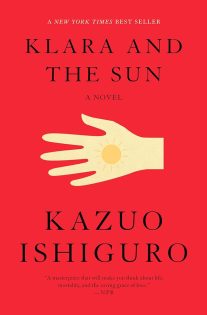
I must admit, I’m still finishing the book I was reading when we last did this series—I’m a slow reader and I’m busy! But after I finish the last chapter of The Empathy Exams, the next book I have lined up is Klara and the Sun by Kazuo Ishiguro, winner of the Nobel Prize in Literature.
It tells the story of Klara, an Artificial Friend designed to keep children company. Klara is exceptionally observant, watching the world from her place in a shop window before being purchased to care for a fragile teenage girl suffering from a mysterious illness.
Written in Ishiguro’s restrained, elegant style, Klara and the Sun is both tender and unsettling, blending speculative fiction with deep emotional insight. The novel invites readers to reflect on faith, mortality, and the quiet ways people care for one another, long after the last page.
So far I have only skimmed its pages, but as a longtime fiction-lover, I’m excited to read a novel that grapples with artificial intelligence in a deeply human way. It feels especially timely as these tools become increasingly woven into everyday life.
RELATED: What to Read If You’re Thinking About AI, the Soul, and the Future
Gabriella Jacobs — Social Media Manager
Life of Pi by Yann Martel
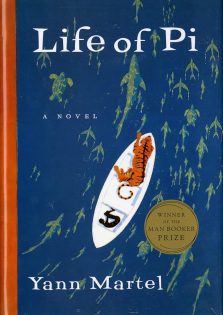
Life of Pi has been recommended to me on multiple occasions, likely because I tend to enjoy reading fiction that, underneath a good story, gets at big and timeless ideas. The narrative of the novel is itself gripping and adventure filled: A boy named Pi Patel survives a shipwreck and ends up on a lifeboat with a Bengal tiger. But, I am not surprised to report that the part that has been most interesting to me is learning to understand and appreciate Pi’s way of seeing the world.
He practices Hinduism, Christianity, and Islam at the same time, a phenomenon which is unique to any character I have yet come across. His religious life is integral to how he makes sense of his circumstances throughout the book, and in particular how he acclimates to his devastated situation following the shipwreck. This allows for very interesting thinking on comparative religious outlook and practice. At least for me, it also inspired a newfound appreciation for how God is present in every aspect of life.