

I Read This Over Shabbos is a weekly newsletter from Rivka Bennun Kay about Jewish book culture, book recommendations, and modern ideas. Receive this free newsletter every week in your inbox by subscribing here. Questions, comments, or feedback? Email Rivka at Shabbosreads@18forty.org.
As soon as I began Anne Michaels’ award-winning 2023 novel, Held, I realized I was not going to understand it.
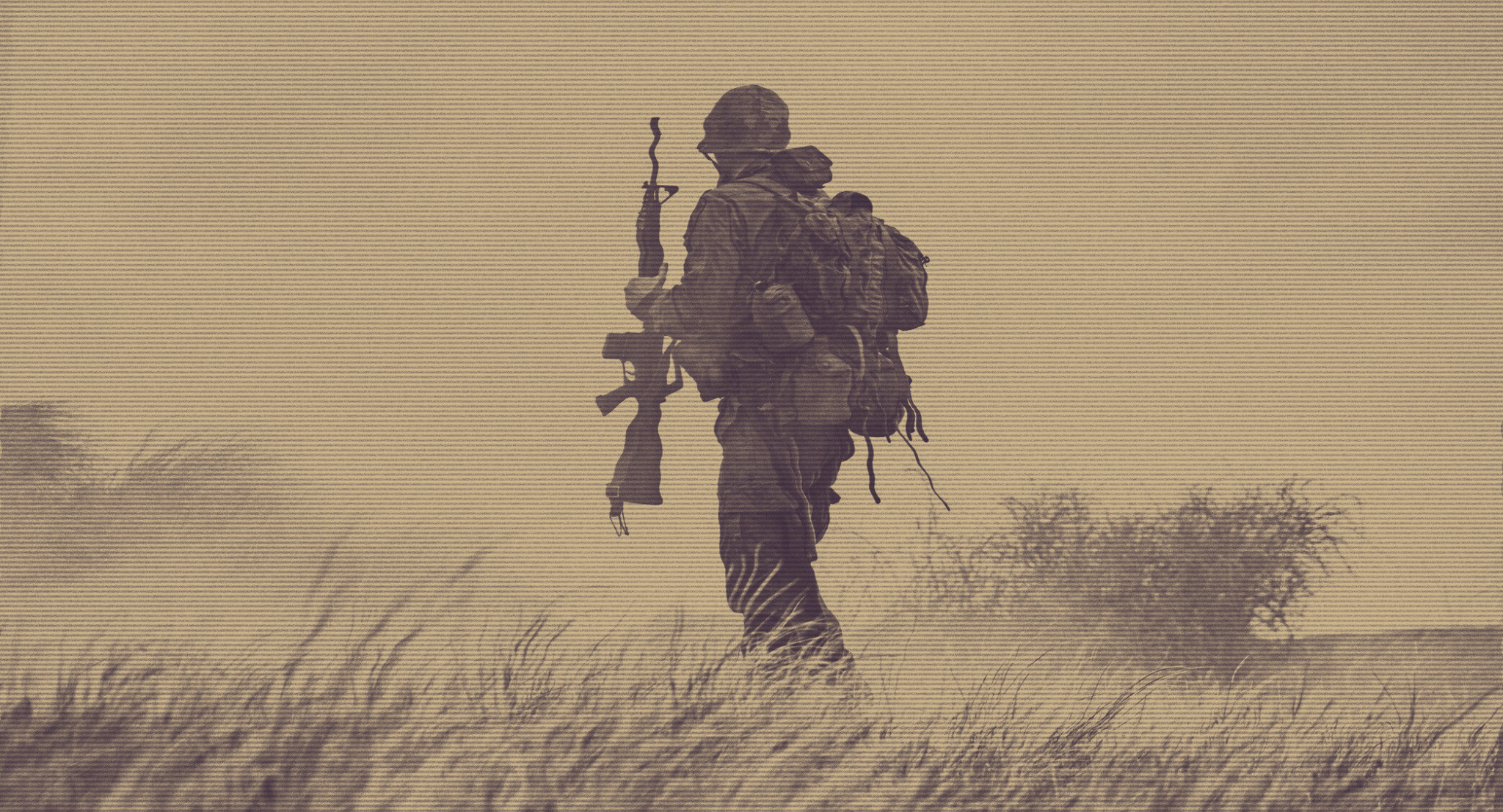
Held is a lyrical, time-spanning novel that explores the enduring imprint of love, memory, and loss across generations shaped by war. It begins in 1917 with John, a French soldier fighting in World War I. Chapter 1 describes John’s sporadic thoughts as he lies in the snow, badly injured in his leg. He glides in and out of consciousness, remembering his beloved wife at home, then spots his friends lying dead in the snow.
I didn’t get any of this the first time I read it. When you open the novel, the writing looks something like this:
We know life is finite. Why should we believe death lasts forever?
*
The shadow of a bird moved across the hill; he could not see the bird.
*
Certain thoughts comforted him:
Desire permeates everything; nothing human can be cleansed of it.
We can only think about the unknown in terms of the known.
The speed of light cannot reference time.
The past exists as a present moment.
Perhaps the most important things we know cannot be proven.
Here and there, I picked up on the basics of the premise—where John was, what he was doing, how he got there—but it wasn’t immediately clear to me. For example:
The mist erased all it touched.
*
Through the curtain of his breath he saw a flash, a shout of light.
*
It was very cold.
Somewhere out there were his precious boots, his feet. He should get up and look for them.
When had he eaten last?
He was not hungry.
Michaels’ style is poetic, mysterious, and somewhat chaotic. John hadn’t eaten but wasn’t hungry; he’s strewn somewhere but unsure of his surroundings; he feels the misty air but cannot rise to find his boots; he is conscious but helpless. Confusion is portrayed by John’s scattered thoughts. Still, I could not grasp the magnitude of the situation. Sort of like a real war.
The story contained love, loss, marriage, history, memory, death, family, the soul, science. The list could go on. It’s not that I didn’t pick up on these themes but that I needed to read between the lines to get the plot. In stories, the plot is often in black ink, the broader themes in the white space around the words. Held had the reverse. The themes were in black ink, the plot surrounding it, visible only to those who could read between the lines.
It was easy to grasp the effects of war and the senseless tragedies accompanied by it. John is haunted by his trauma; this is apparent by the ghosts he begins to see in the pictures he develops when he returns home and opens a photography business. His mental state deteriorates so poorly that he tragically ends his own life, viewing his death as a reunion with his mother who died while he was at war.
John’s story is really one of any soldier who witnesses horrific events, only to return home and attempt to resume life as usual. It felt exceptionally timely.
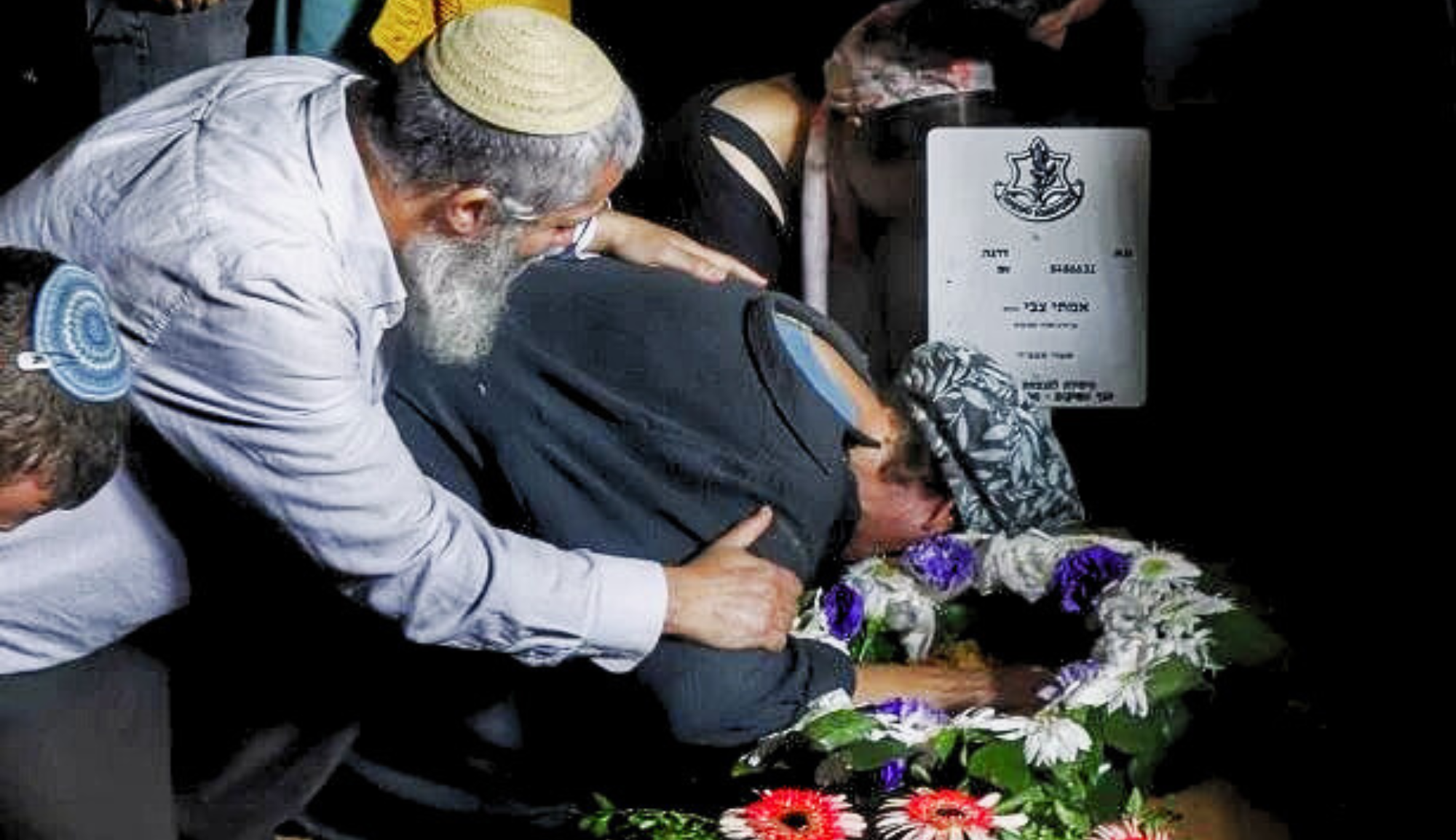
Just last Shabbos, I davened in Yeshivat Yerucham, a hesder yeshiva in the south of Israel (which means students learn and serve in the army). After one student got an aliyah for the Torah, the whole yeshiva began singing “veshavu banim ligvulam” (“your children shall return to their country,” quoted from Jeremiah 31:17). They sang it again for another student a few minutes later. Evidently, these students had just returned from army service in Gaza or some other bordering country around Israel. It felt like the entire room was breathing a sigh of relief. He came back home, alive and in one piece. But who is to say what his life will be like now, having resumed his usual responsibilities?
War is not something we can easily make sense of; we all understand that today. The experience of reading a book about war is similar to experiencing war itself. (I have never fought in a war, and don’t begin to understand what it does to a person, but I live in Israel and am thus surrounded by war. To a very minute degree, I understand what it does to us as a people, and to my friends as individuals.)
The confusion of Held and the lack of clear plotlines forces the reader to make sense of things on their own. I couldn’t fully understand Held, but maybe I wasn’t meant to.
I may pick up this mysterious little novel again someday, and if I do I might understand more, having been granted the gift of aging and wisdom. For now, I’ll leave it aside and content myself with what I understood and, more importantly, what I couldn’t make sense of.