

Consider: Why do we use a grogger? In a world in which it sometimes feels like everything makes just a bit too much noise, why do we use these most annoying of noisemakers?
A great sage, perhaps even the Kedushas Levi, noted the difference between the grogger and the dreidel—the two spinnable items of the Jewish holidays. The great sage notes that the grogger is swung from below, while the dreidel is spun from above, drawing from this simple observation a powerful statement about the nature of the miracles of each holiday. Chanukah was a festival from above, a time of a revealed miracle from above, but Purim is a festival from below, a time of a more subtle, concealed, this-world miracle. In the original idiom: Upper awakening and lower awakening.
In a year of great scientific advances, perhaps we can appreciate this point. We witnessed the great subtle miracles of this world, of what can be accomplished through the concealed miracles of scientific advancement, and the many people that can be saved by this grogger, swung from below.
But consider also an idea from a more contemporary thinker, Rabbi Moshe Wolfson, a Chassidic theoretician and lecturer based in Brooklyn. Rabbi Wolfson is curious about the end of Megillat Esther, where we are told at the very end of the matter that a tax was levied on the people. Why do we end the Megillah on such an anticlimactic note? The great theoretician answers simply: Because life goes on. The grogger keeps spinning, propelled ever around and around by the ephemera of this world: the taxes, the mortgages, the new and the old and the new again. Such is life, such is this world, such is the nature of miracles. Life goes on. Through it all, with it all, we keep spinning the grogger, the world keeps spinning, and all continues.
How do we approach a Purim in a suffering world? Perhaps with the humble recognition of the ever-spinning grogger, and a world that spins beyond control or understanding.
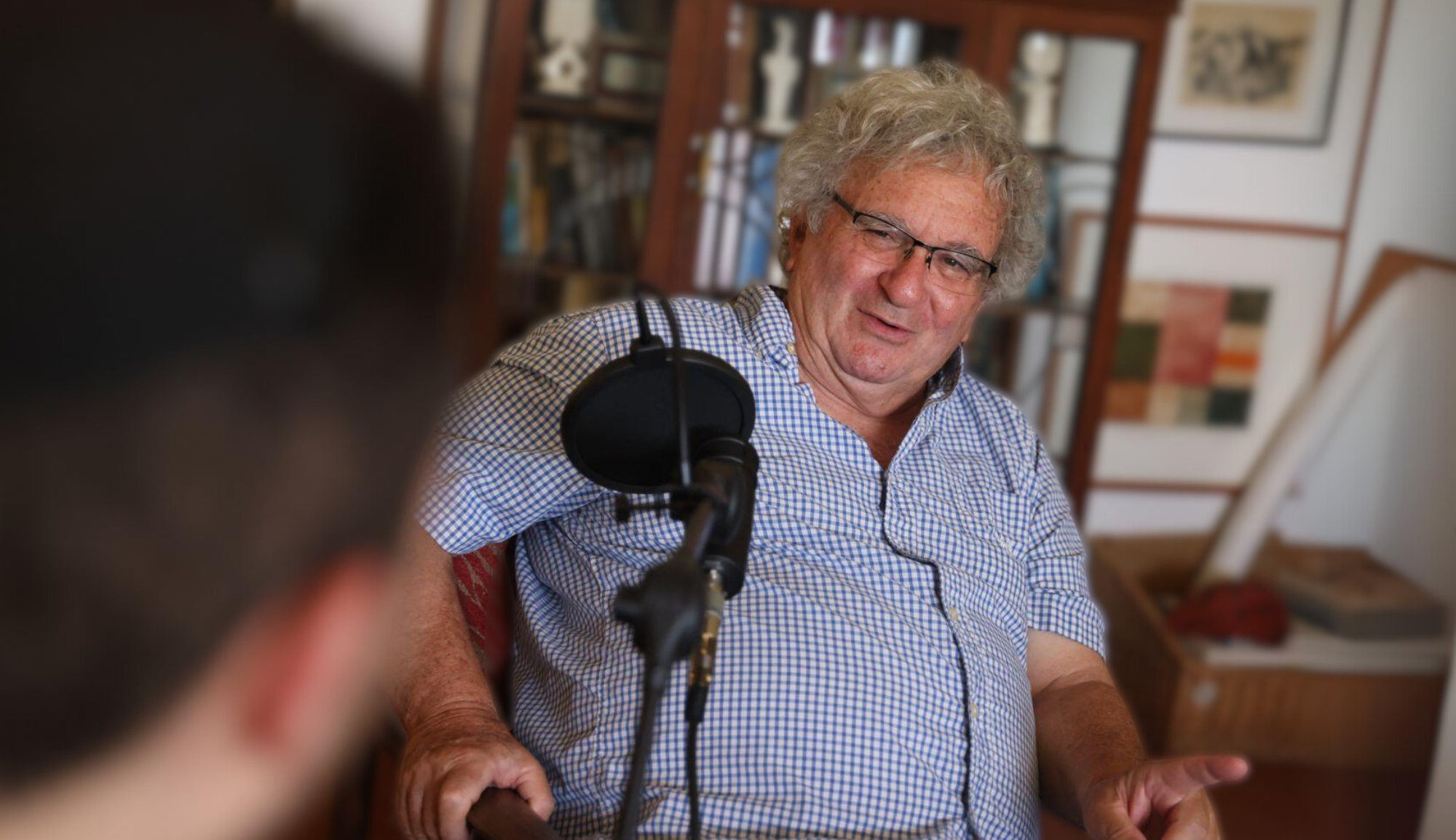
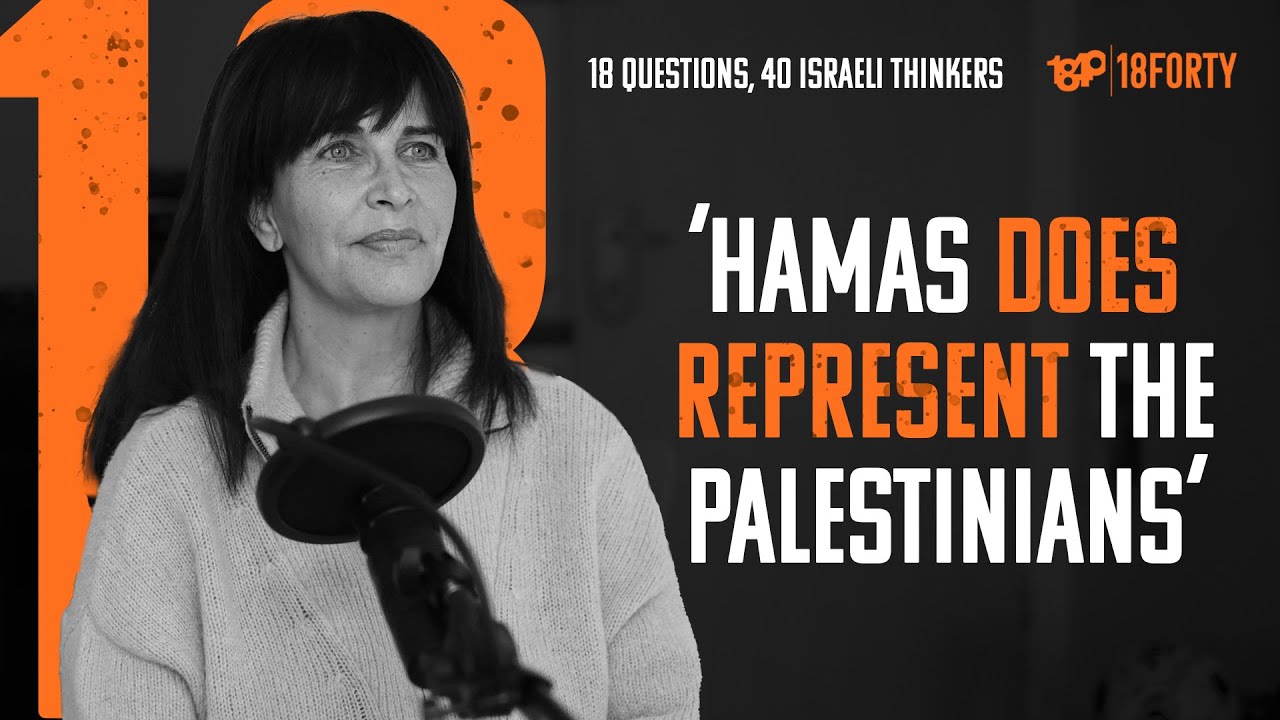
This week, 18Forty spoke with Rabbanit Rachelle Fraenkel, a person whose radical faith and wisdom challenge our usual notions and conceptions. Speaking to Rachelle the week of Purim is no accident—Rachelle’s powerful words speak to a life lived with deep joy, even through experiencing the suffering this world can bring.
Wherever you are, we at 18Forty wish you a blessed Purim. We have put together a long, comprehensive Weekend Reader for this day of joy, love, and hamentaschen. May we turn the world upside down this Purim, together.