

I Read This Over Shabbos is a weekly newsletter from Rivka Bennun Kay about Jewish book culture, book recommendations, and modern ideas. Receive this free newsletter every week in your inbox by subscribing here. Questions, comments, or feedback? Email Rivka at Shabbosreads@18forty.org.
This Pesach is unlike any other. As the war with Iran wages on, Jews around the world welcome Pesach with a degree of uncertainty about the future. In Israel, some families will be grieving losses, while others will commence the Seder with one or more family members in reserve duty. Meanwhile, the gap between American and Israeli Jews deepens, and antisemitism continues to surge around the world.
Personally, I’ve been thinking about how this Pesach is the first in two years with no hostages in Gaza—where we can finally declare with joy and relief that we are wholly free people. The Jewish People are tired, relieved, anxious, perhaps filled with hope. It is a Pesach unlike other Pesachs.
Through all of this, we at 18Forty hold onto the belief that books ground us; that reading is a powerful expression of curiosity, learning, and continuity. Below are the books we are reading this year—the works that we either revisit every year, or are exploring anew.
David Bashevkin — Founder
“The Stories That Bind Us” by Bruce Feiler
Every year before Pesach, I make a point of rereading “The Stories That Bind Us” by Bruce Feiler, originally published as a New York Times op-ed. The article explores what fosters resilience in children, arriving at a simple yet profound conclusion: knowing and sharing one’s family narrative.
The more a child understands their family’s history, the stronger their sense of purpose and connection to a larger, ongoing story. This idea is at the heart of the Pesach Seder itself—where we pass down our collective family story, reinforcing our identity and continuity. That’s why I return to this article each year—it deepens my appreciation for the Seder and the timeless power of storytelling.
Sruli Fruchter — Director of Operations
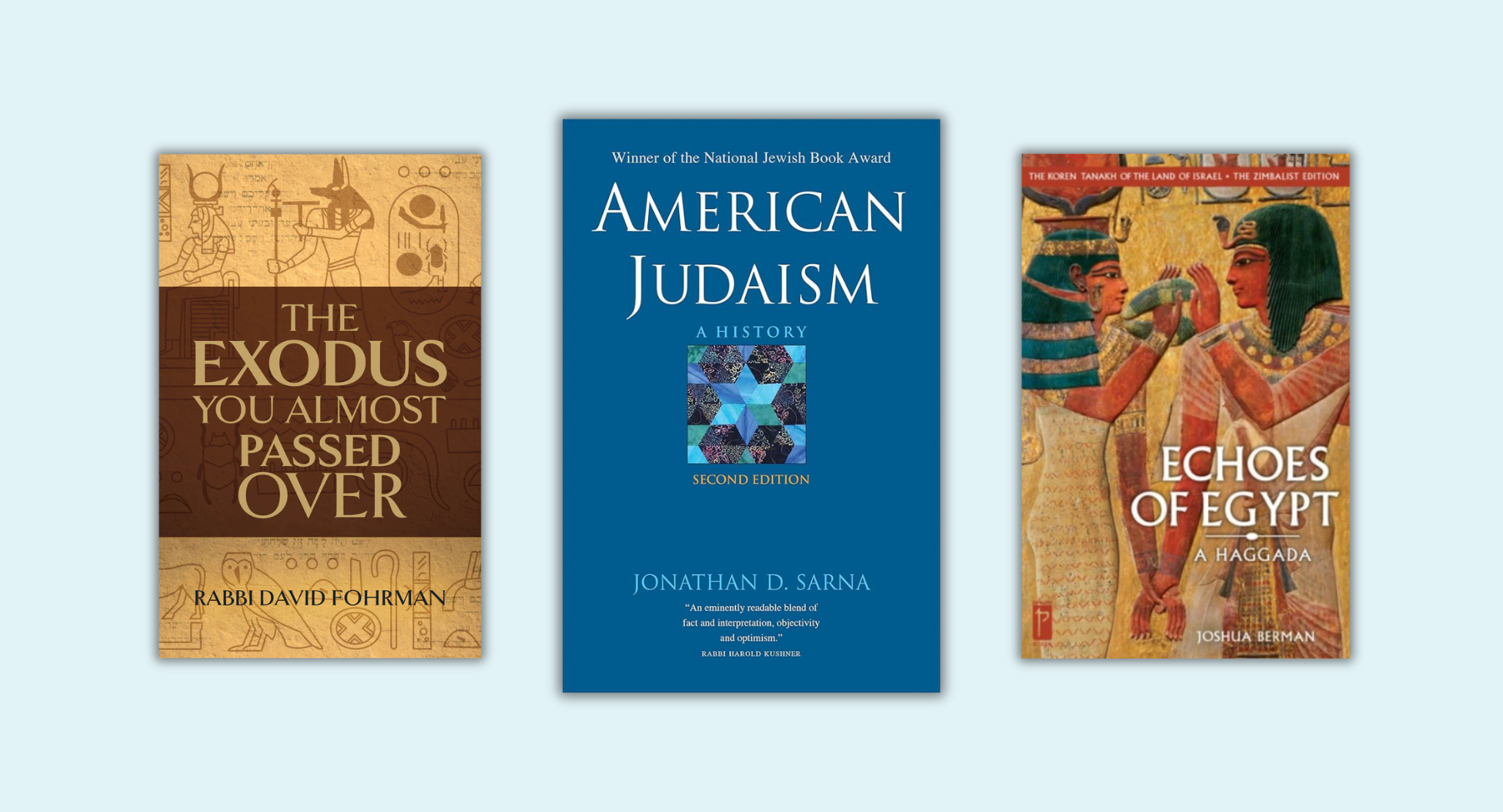
American Judaism by Jonathan Sarna
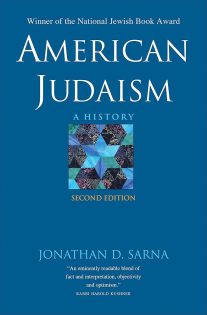
My historical knowledge of American Judaism is not something I brag about, so Jonathan Sarna’s intimidating American Judaism: A History has been a godsend.
Pesach centers the intergenerational development of Jewish tradition. It seems like no better time to think critically about our history—and Sarna’s masterful (and accessible!!) work is perfect.
History humbles me to reconsider the conclusions and analyses I hold today. It shows me past crises that turned into redemptions, past salvations that turned into ruptures, and encourages me to rethink my assumptions about the world we live in today. American Judaism is having a moment (as is Israeli Judaism and Judaism overall). Learning from the past has given me a comfort I really need.
Denah Emerson — Podcast Editor
Saving Abigail by Liz Hirsh Naftali
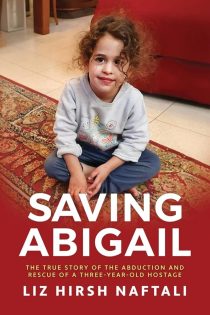
Saving Abigail by Liz Hirsh Naftali tells the harrowing true story of a three-year-old girl taken hostage and the extraordinary efforts to bring her home. Through deeply personal storytelling, the book captures both the unimaginable fear of captivity and the resilience of a family and a people determined not to give up hope. It sheds light on the human faces behind headlines, reminding us that each hostage is someone’s child, someone’s whole world.
Reading this story during Pesach feels especially meaningful, as the holiday centers on our collective memory of bondage and the journey to freedom. Just as we recount the Exodus and our liberation from Egypt, this book connects that ancient narrative to the very real and recent experiences of our brothers and sisters. It invites reflection on what captivity means today—not as a distant concept, but as a painful reality. At the same time, it reinforces the enduring belief in redemption and the responsibility to advocate for freedom.
Engaging with this story on Pesach deepens the holiday’s themes, making them more immediate and personal. It is both a tribute to those who suffered and a reminder of the strength and unity that define our people.
Rivka Bennun Kay — Shabbos Reads Editor
Echoes of Egypt: A Haggada by Joshua Berman
I was 14 years old when I learned that the Jewish stories I was taught as a child can be corroborated by artifacts and evidence from general world history. It changed my understanding of Tanach and—as a high school freshman keenly interested in asking hard questions—was instrumental in cementing my belief in the Torah.
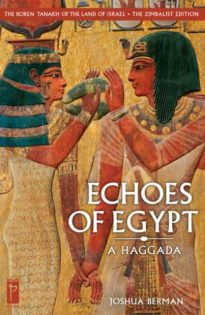
My understanding of Tanach in the context of world history has developed since then, and Joshua Berman’s new commentary on the Haggadah has been occupying my mind this Pesach season. Echoes of Egypt draws on Prof. Berman’s expertise as a Bible scholar with a deep fascination for ancient Egypt, explaining various elements of the Haggadah through the world of the ancient Egyptians.
Aside from being a strikingly beautiful work—full of illustrations and historical images—Berman’s commentary reflects his extensive knowledge without losing the reader. Berman blends scholarly research with commentary on the Pesach story, God in relation to His people, and the contrast between the worldview of the Egyptians and that which the Jewish People sought to create.
Tzila Hadad — Social Media Manager
The Exodus You Almost Passed Over by David Fohrman
When Pesach comes around, I often return to an idea from The Exodus You Almost Passed Over, where Rabbi David Fohrman reframes the hardening of Pharaoh’s heart in Exodus as a gradual moral progression rather than a sudden divine override of free will.
At the outset, Pharaoh repeatedly hardens his own heart, making deliberate choices to resist and dismiss the will of God. Only after this pattern is firmly established does the text describe God as the one hardening Pharaoh’s heart. Rabbi Fohrman understands this not as coercion, but as reinforcement of a path Pharaoh himself chose. The story reflects a broader truth: repeated choices shape character, and over time they can become deeply entrenched in who we are and how we act. In this sense, the “hardening” reflects not a loss of freedom, but the cumulative effect of choices over time—and God’s response to them, reinforcing the path they create. The same dynamic applies to the positive, offering a powerful source of encouragement.
There is no better time to reflect on this than at the Pesach Seder, when we celebrate freedom and renewal. By acting with intention and consistency, we can shape our character for the better, allowing good habits to take root, flourish, and guide us toward a life of lasting meaning and positivity under God’s care.