
Begin exploring
today’s
biggest Jewish
questions…
×

Mendel Horowitz
Mendel Horowitz, MS, CGP, maintains a private practice in Jerusalem and virtually, offering individual and group therapy, clinical supervision, and professional training groups. Certified by the International Board for Certification of Group Psychotherapists, he also serves as Director of Clinical Development at Kav L’Noar and on the editorial staff and Public Outreach Committee of the American Group Psychotherapy Association.

Day 9: Shame & Guilt
In Theory: Shame and guilt in psychodynamic theory are distinct emotional experiences that shape how the self relates to wrongdoing and exposure.…

Day 8: Internalization
In Theory: The voices, expectations, and ways of being of early caregivers do not remain external but become part of the inner…
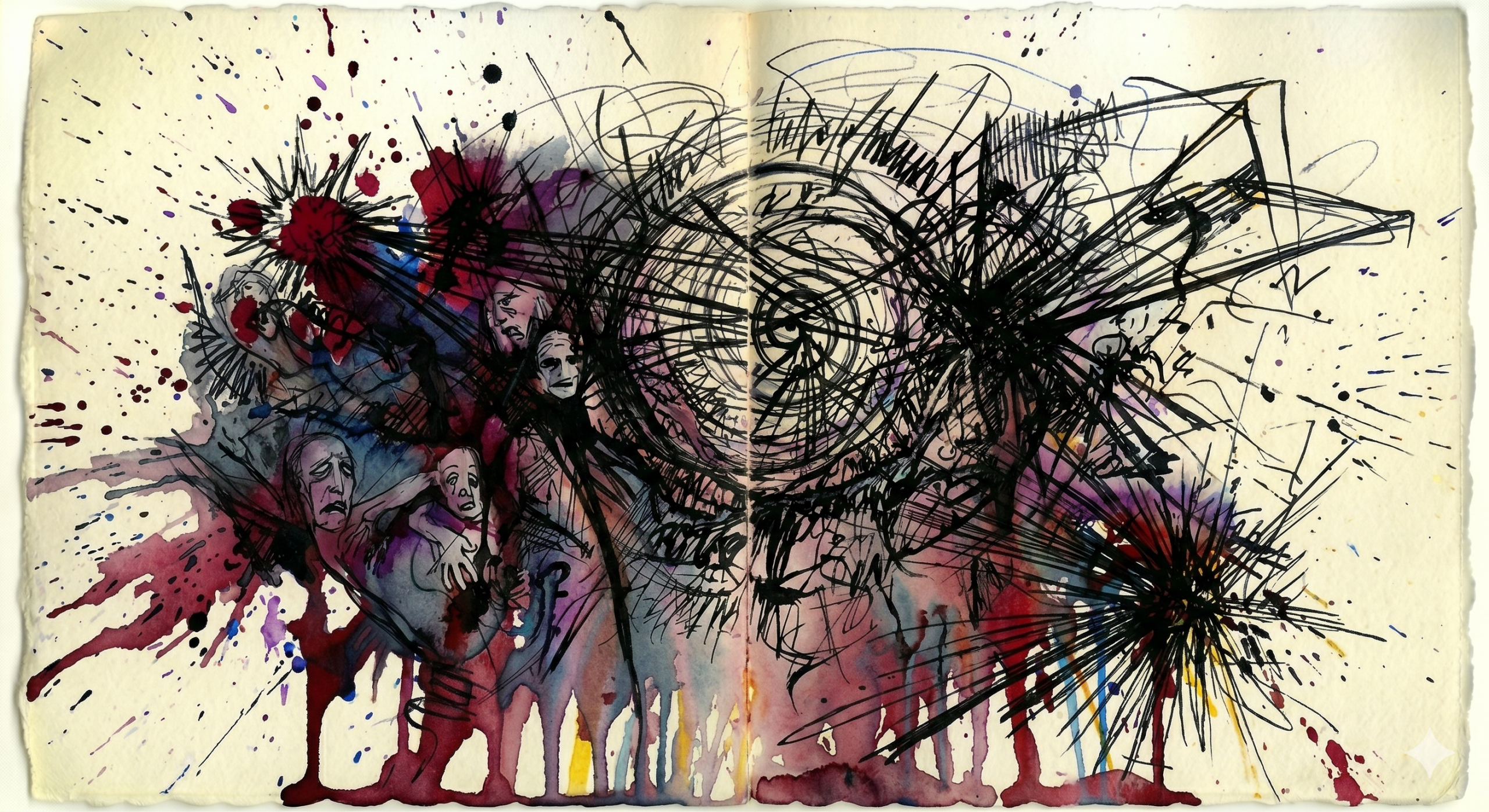
Day 7: Attachment
In Theory: John Bowlby proposed that human beings are organized around the need for attachment and the search for closeness with a…
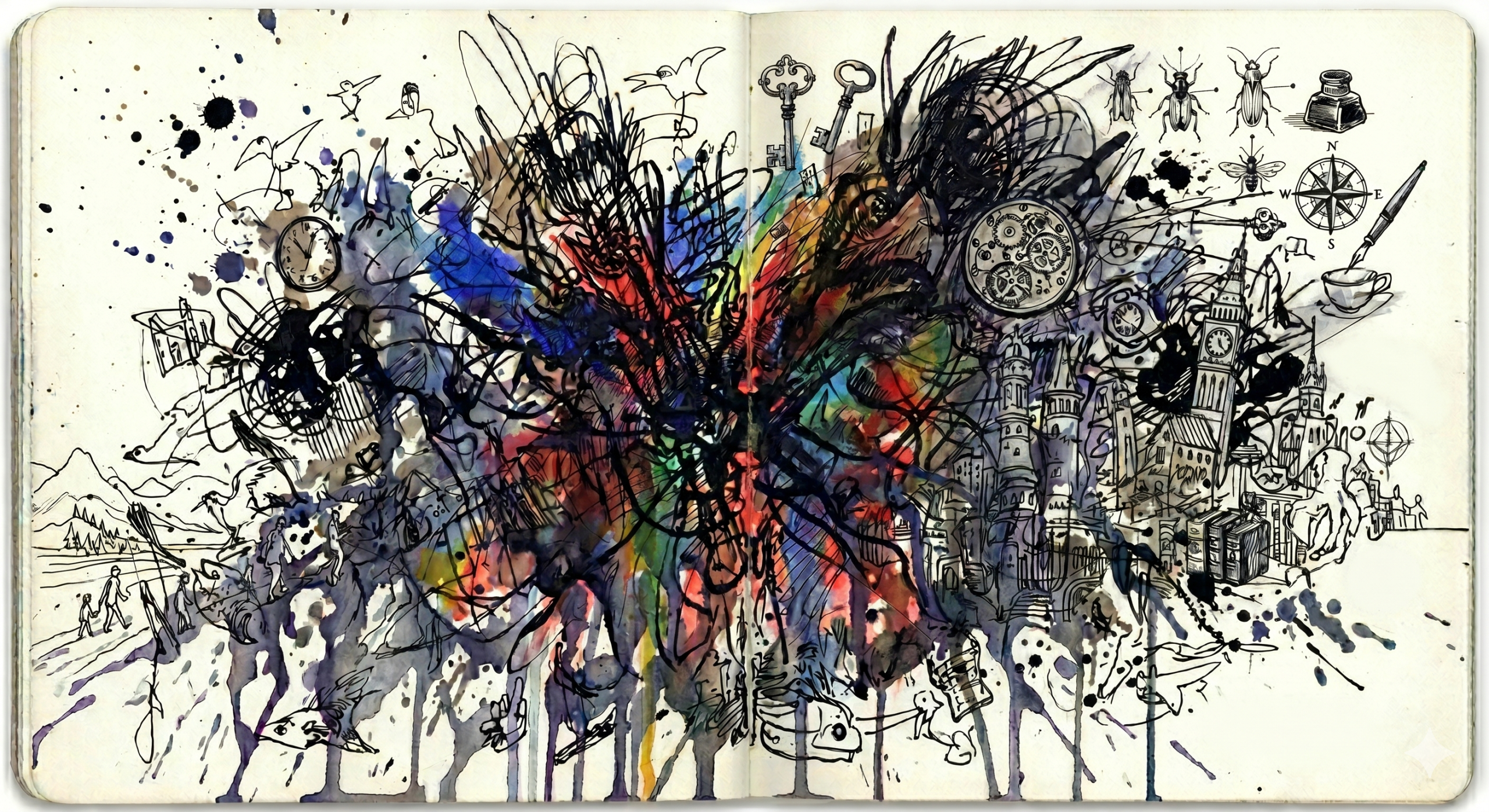
Day 6: Free Association
In Theory: Free association is a fundamental method within the psychodynamic tradition that becomes possible only within a structure that can hold…
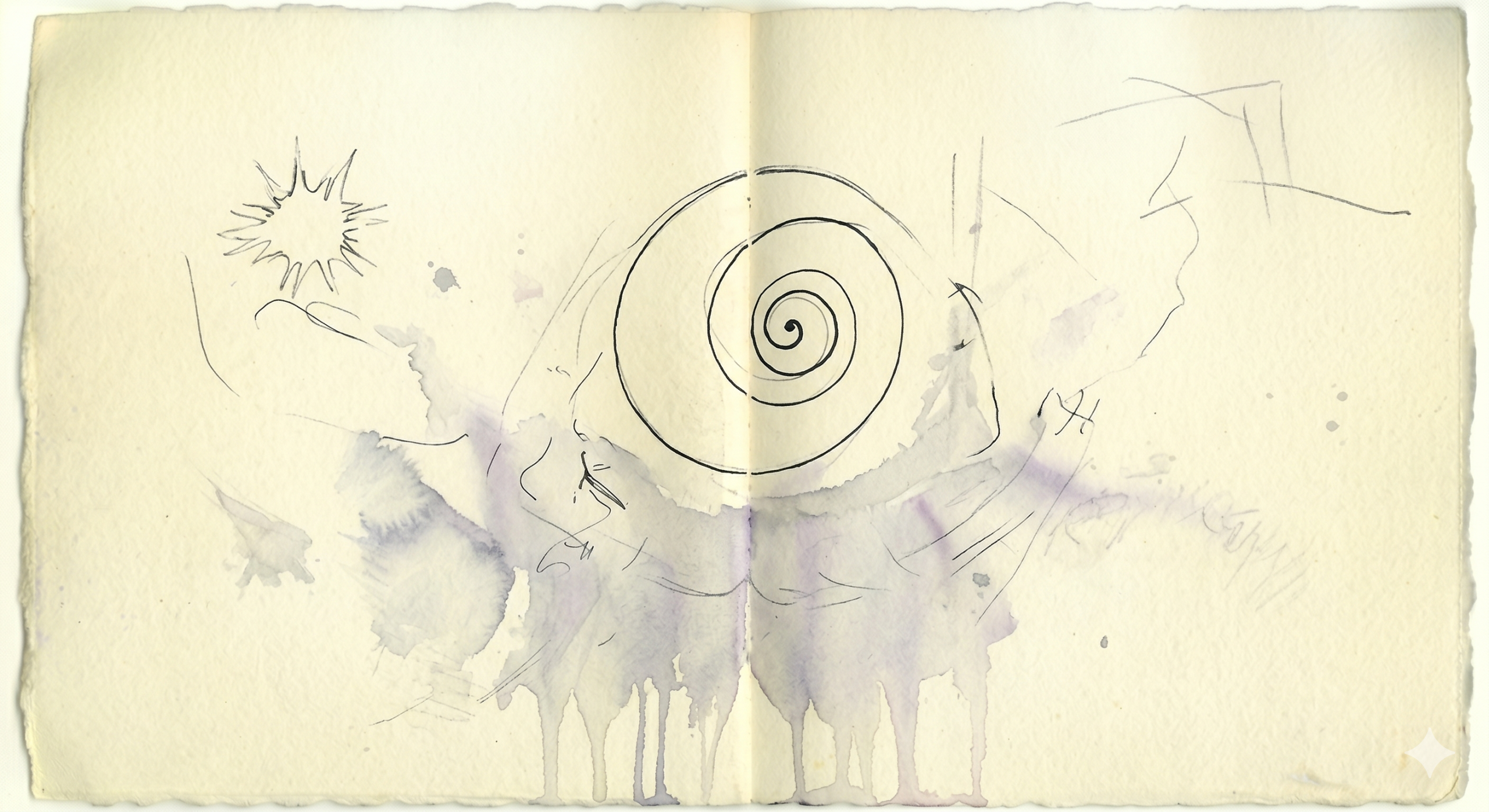
Day 5: The Therapist’s Neutrality
In Theory: Classical psychodynamic theory prized the therapist as a kind of mirror, reflecting without adding advice, judgment, or personal agenda. Contemporary…
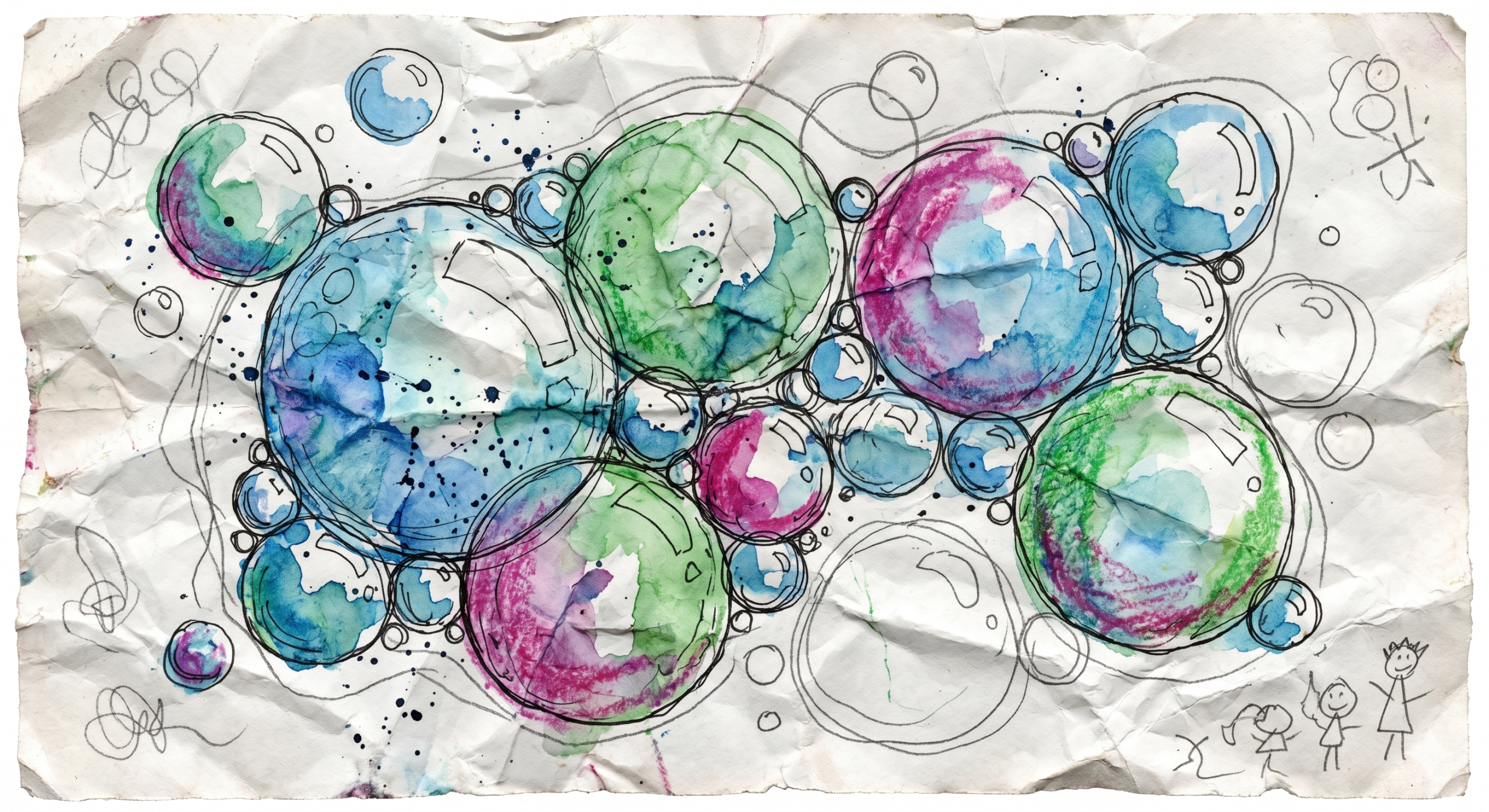
Day 4: The Holding Environment
In Theory: D. W. Winnicott described the holding environment as something warmer than structure alone. For an infant, holding is literal, involving…
Day 3: Early Relationships
In Theory: The object relations tradition, developed by British analysts such as Melanie Klein, proposed that the human mind is shaped at…
Day 2: The Therapeutic Frame
In Theory: The unconscious cannot be approached directly, and the psychodynamic tradition dictates that it requires a structure that can hold what…

Day 1: The Unconscious
In Theory: Psychodynamic theory begins with the single unsettling proposition that much of what drives us is not available to awareness. Sigmund…

Good Enough Elul: What This Is and Is Not
A New Approach to Elul This is not a guide to teshuva, an approach to moral accounting, or an attempt to deepen…

I’m a Psychodynamic Therapist. Here’s What That Means.
Often, when I tell people I’m a therapist, they assume I offer practical advice or protocol-driven interventions, a view shaped partly by…