


Begin exploring
today’s
biggest Jewish
questions…
×

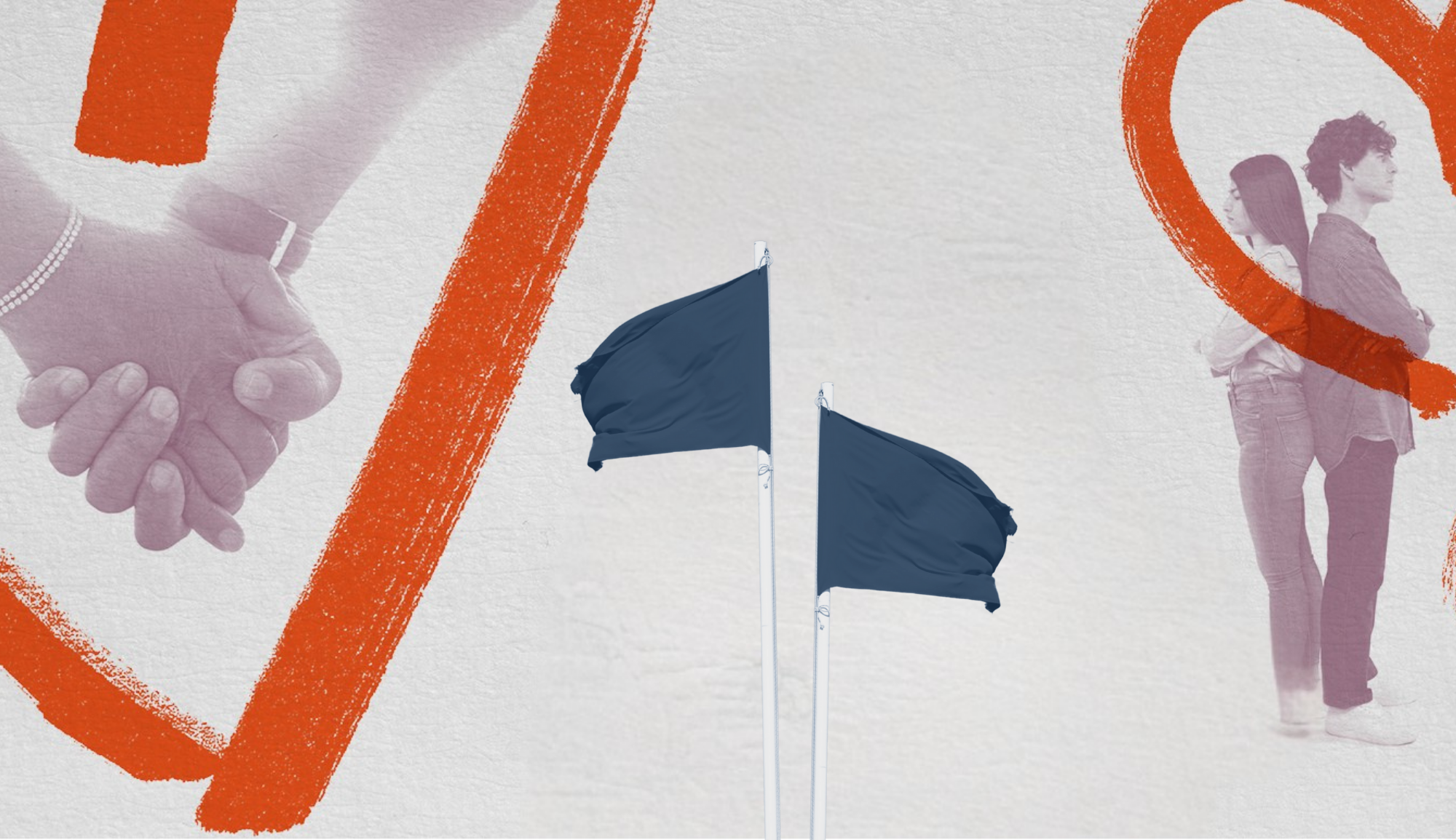
Red Flags: A Conversation with Shalom Task Force Featuring Esther Williams and Shana Frydman
We have a deeply moving conversation on the topic of red flags in relationships.
Summary
This episode is sponsored by Esther & Jerry Williams in honor of all those who support Shalom Task Force.
If you are in crisis please reach out to the Shalom Task Force Hotline at 888-883-2323.
On this episode of 18Forty, we have a deeply moving conversation on the topic of red flags in relationships. We speak with Esther Williams and Dr. Shoshannah Frydman from Shalom Task Force, and one person who extricated herself from an abusive relationship. The dynamics of relationships, whether healthy, unhealthy, or anywhere in between are complex, and we set out to better our understanding of the signs of relational abuse. Whether or not you have personally struggled with the issues we discuss here, we are all better off when we are more informed about the what and why of relational health, so tune in now.
In this interview, we discuss:
- What are the signs of an unhealthy relationship?
- How can we foster understanding and awareness of the dynamics of healthy and unhealthy relationship dynamics from an earlier age?
- What are the steps one can take to extricate themself or heal from a challenging relationship?
First interview begins at 10:35
The Shalom Task Force, Inc (STF) is a non-profit community organization that aims to combat and prevent domestic violence and foster safe and healthy relationships and families. The STF focuses on helping those in the Jewish community that may not have access to traditional services and that need culturally sensitive programming. The STF runs a free, anonymous hotline that helps individuals find the services they need, provides assistance through legal services, supportive counseling, and referral information, and offers prevention and psychoeducational workshops, trainings, and community programs to increase awareness of relationship abuse and promote healthy relationships.
Dr. Shoshannah Frydman, PhD, LCSW is the executive director of Shalom Task Force. Dr. Frydman is a trauma-informed therapist and advocate who has worked in the field of domestic abuse and family violence in the Jewish community for close to 20 years. Dr. Frydman co-chairs the UJA Taskforce on Family Violence, and was recently appointed to the New York City Mayor’s Office to End Domestic and Gender-Based Violence COVID-19 Response Group. Dr. Frydman previously served as the managing director of Family Violence and Social Services at the Met Council. Dr. Frydman received her MSW from the University of Maryland School of Social Work and her PhD at the Graduate Center of the City University of New York/Hunter College Silberman School of Social Work.
Esther Williams is the President of the Shalom Task Force and a past board member and executive vice president of the Orthodox Union.
References:
“Dealbreakers Talk Show #0001” on 30 Rock
National Domestic Abuse Hotline
“The Quick Shift: Orthodox Jewish Women’s Early Marital Sexual Experience” by Shoshannah D. Frydman
“Tradition and Transition. Orthodox Women’s Experience with Kallah Classes and Early Marital Intimacy” by Shoshannah D. Frydman
The Greatest Average American by Nate Bargatze
Shalom Task Force Guides and Educational Materials
I’m so Confused, Am I Being Abused? Guidance for the Orthodox Jewish Spouse and Those Who Want to Help by Lisa G. Twersky
Speak by Laurie Halse Anderson
Why Does He Do That?: Inside the Minds of Angry and Controlling Men by Lundy Bancroft
Invisible Chains: Overcoming Coercive Control in Your Intimate Relationship by Lisa A. Fontes
No Visible Bruises: What We Don’t Know About Domestic Violence Can Kill Us by Rachel Louise Snyder
Recommended Podcasts

podcast
Shaanan Gelman & His Son: When a Child Becomes Addicted
We talk to Rabbi Shaanan Gelman and his son Ziggy about the persistence of a parent-child relationship when the latter faces addiction.

podcast
Modi Rosenfeld: A Serious Conversation About Comedy
In this special Purim episode of the 18Forty Podcast, we bring you a recording from our live event with the comedian Modi, for our annual discussion on humor.
podcast
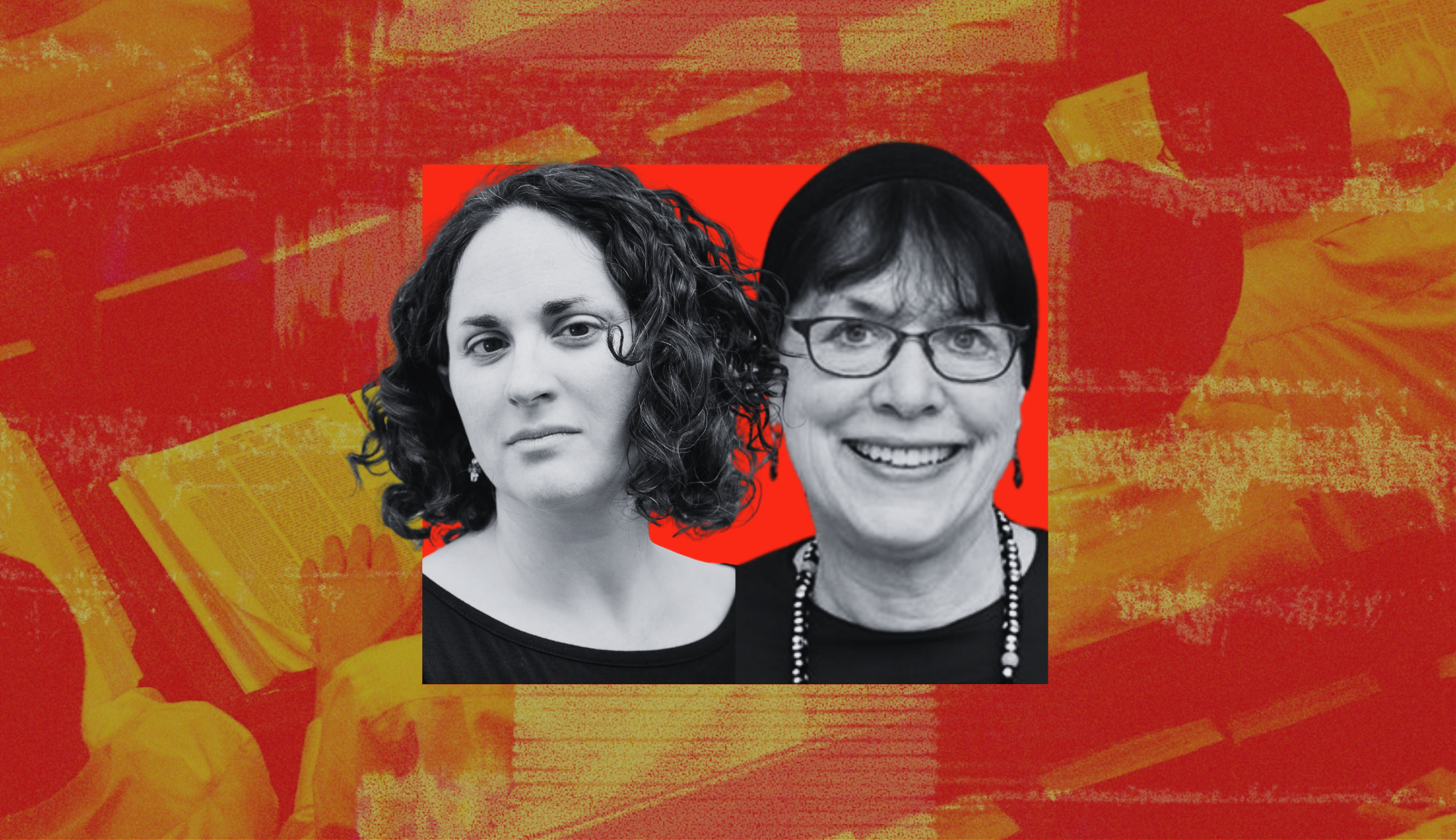
Elisheva Carlebach & Debra Kaplan: The Unknown History of Women in Jewish Life
We speak with Professors Elisheva Carlebach and Debra Kaplan about women’s religious, social, and communal roles in early modern Jewish life.
podcast
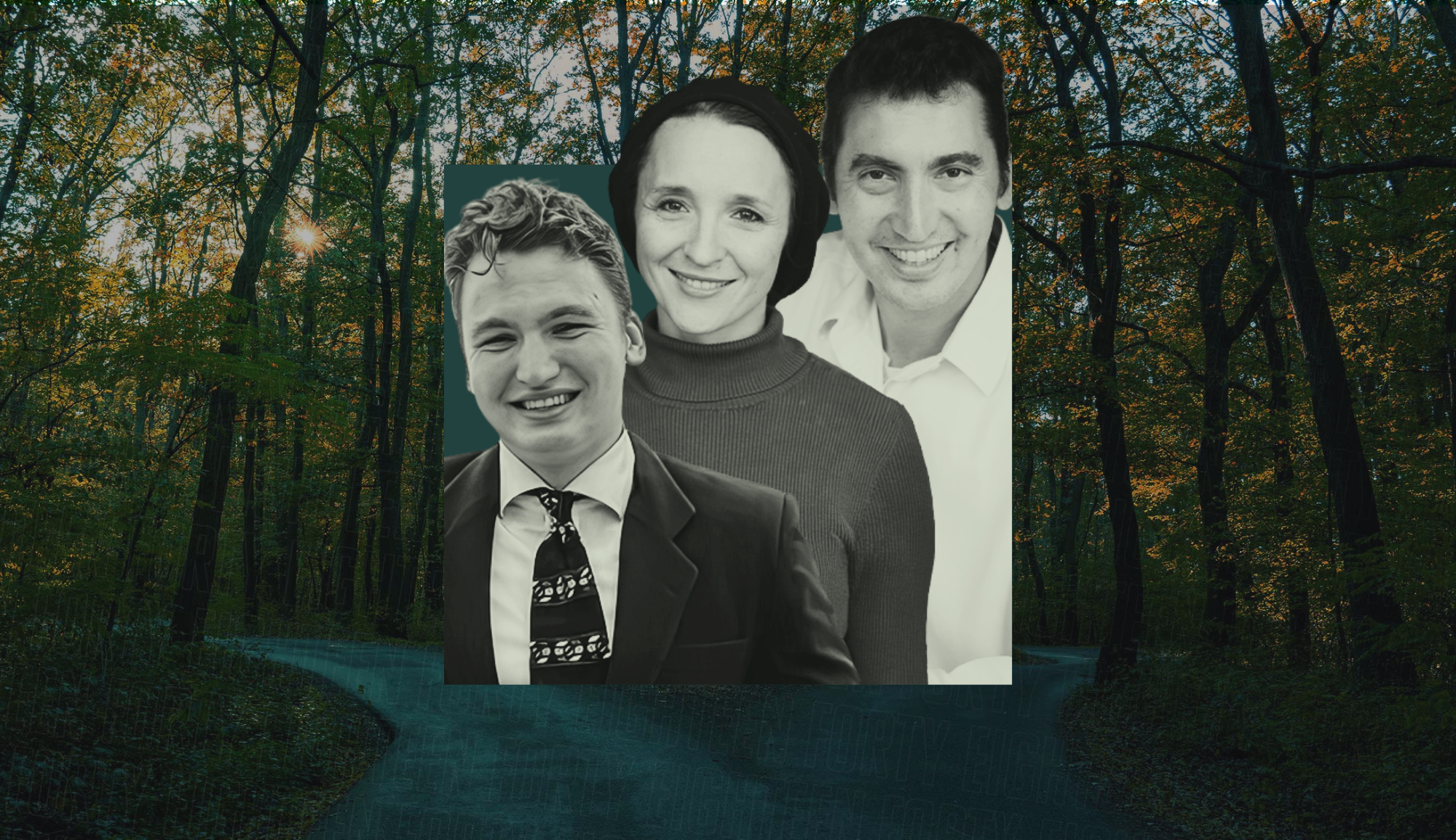
The Dardik Family: A Child Moves Away From Zionism
In this episode of the 18Forty Podcast, we talk to Judah, Naomi, and Aharon Akiva Dardik—an olim family whose son went to military jail for refusing to follow to IDF orders and has since become a ceasefire activist at Columbia University—about sticking together as a family despite their fundamental differences.
podcast
When a Parent Becomes Estranged
In this episode, we talk to a father and daughter who were estranged and then reunited.

podcast
Why 1840?
In this episode of the 18Forty Podcast, we sit down for a special podcast with our host, David Bashevkin, to discuss the podcast’s namesake, the year 1840.
podcast
Pawel Maciejko: Sabbateanism and the Roots of Secular Judaism
In this episode of the 18Forty Podcast, we talk to historian and professor Pawel Maciejko about the false messiah Sabbatai Zevi, Sabbateanism, and the roots of Jewish secularism.
podcast
Yakov Danishefsky: Religion and Mental Health: God and Us
In this episode of the 18Forty Podcast, we talk to Yakov Danishefsky—a rabbi, author and licensed social worker—about our relationships and our mental health.44
podcast
David & Sydney Magerman: When a Child Makes Aliyah
We talk to David Magerman and his daughter Sydney, who decided to make aliyah while on her gap year in Israel.
podcast
Haviv Rettig Gur: ‘Hamas is upset the death toll in Gaza isn’t higher’
Haviv answers 18 questions on Israel.
podcast
Rabbi David Fohrman: Does the Torah Teach Science?
In this episode of the 18Forty Podcast, we sit down with Rabbi David Fohrman – author, lecturer, and founder of the Aleph Beta Academy – to discuss in what genre the Torah is meant to be, and how that should influence the way we think about it.
podcast
Agnes Callard: A Philosophy of Change
In this episode of the 18Forty Podcast, we talk to Agnes Callard – professor of philosophy and author – about the philosophy of change.
podcast
Menachem Penner & Gedalia Robinson: A Child’s Orientation
In this episode of the 18Forty Podcast, we talk to Rabbi Menachem Penner—dean of RIETS at Yeshiva University—and his son Gedalia—a musician, cantor-in-training, and member of the LGBTQ community—about their experience in reconciling their family’s religious tradition with Gedalia’s sexual orientation.

podcast
Yoni Rosensweig: How Does Mental Health Affect Halacha?
In this episode of the 18Forty Podcast, we talk to Yoni Rosensweig, rabbi of the Netzah Menashe community in Beit Shemesh, about the intersection between mental health and halacha.
podcast
Anita Shapira: ‘You cannot wipe out Hamas’
Leading Israel historian Anita Shapira answers 18 questions on Israel, including destroying Hamas, the crisis up North, and Israel’s future.
podcast
Talia Khan: A Jewish Israel Activist and Her Muslim Father
In this episode of the 18Forty Podcast, we talk to Talia Khan—a Jewish MIT graduate student and Israel activist—and her father, an Afghan Muslim immigrant, about their close father-daughter relationship despite their ideological disagreements.

podcast
Yakov Danishefsky: Transmitting the Jewish Story with Emotional Health
We talk to Yakov Danishefsky about the imperfect ways in which we transmit the Jewish story.
podcast
Einat Wilf: ‘Jews Are Never Allowed To Win, and Arabs Are Never Allowed to Lose’
The true enemy in Israel’s current war, Einat Wilf says, is what she calls “Palestinianism.”

podcast
Bruce Feiler: The Stories That Bind Us
In this episode of the 18Forty Podcast, we talk to author Bruce Feiler about family narratives.
podcast
Frieda Vizel: How the World Misunderstands Hasidic Jewry
In this episode of the 18Forty Podcast, we talk to Frieda Vizel—a formerly Satmar Jew who makes educational content about Hasidic life—about her work presenting Hasidic Williamsburg to the outside world, and vice-versa.
podcast
Channah Cohen: The Crisis of Experience
In this episode of the 18Forty Podcast, we speak with Channah Cohen, a researcher of the OU’s study on the “Shidduch Crisis.”
podcast
Micah Goodman: ‘I don’t want Gaza to become our Vietnam’
Micah Goodman doesn’t think Palestinian-Israeli peace will happen within his lifetime. But he’s still a hopeful person.
podcast
Rachel Yehuda: Intergenerational Trauma and Healing
In this episode of the 18Forty Podcast, we pivot to Intergenerational Divergence by talking to Rachel Yehuda, a professor of psychiatry and neuroscience, about intergenerational trauma and intergenerational resilience.
podcast
Aaron Kotler: Inside the Lakewood Yeshiva
We speak with Rabbi Aaron Kotler about the beginnings of the American yeshiva world.
Recommended Articles

Essays
3 Arguments for God’s Existence
Perhaps the most fundamental question any religious believer can ask is: “Does God exist?” It’s time we find good answers.
Essays
Why Is Meir Kahane Making a Comeback Among Orthodox Jews?
Israeli minister Itamar Ben-Gvir wears the mantle of Kahane in Israel. Many Orthodox Jews welcomed him with open arms.

Essays
(What) Do Jews Believe About the Afterlife?
Christianity’s focus on the afterlife historically discouraged Jews from discussing it—but Jews very much believe in it.

Essays
A Letter to Children Estranged From Their Parents
Children cannot truly avoid the consequences of estrangement. Their parents’ shadow will always follow.
Essays
A Letter to Parents of Intergenerational Divergees
Children don’t come with guarantees. Washing machines come with guarantees.

Essays
Why God Cares What You Eat (And Why That’s Not the Point)
In Parshat Shemini, the Torah’s dietary laws are not just food rules, but a system for shaping the self.
Essays
How the Damascus Affair Created Modern Jewish Solidarity
In 1840, a blood libel in Damascus transformed a local accusation into an international Jewish crisis.
Essays
How Archaeology Rewrote the History of Tefillin
From verses in Parshat Bo to desert caves, tefillin emerge as one of Judaism’s earliest embodied practices.
Essays
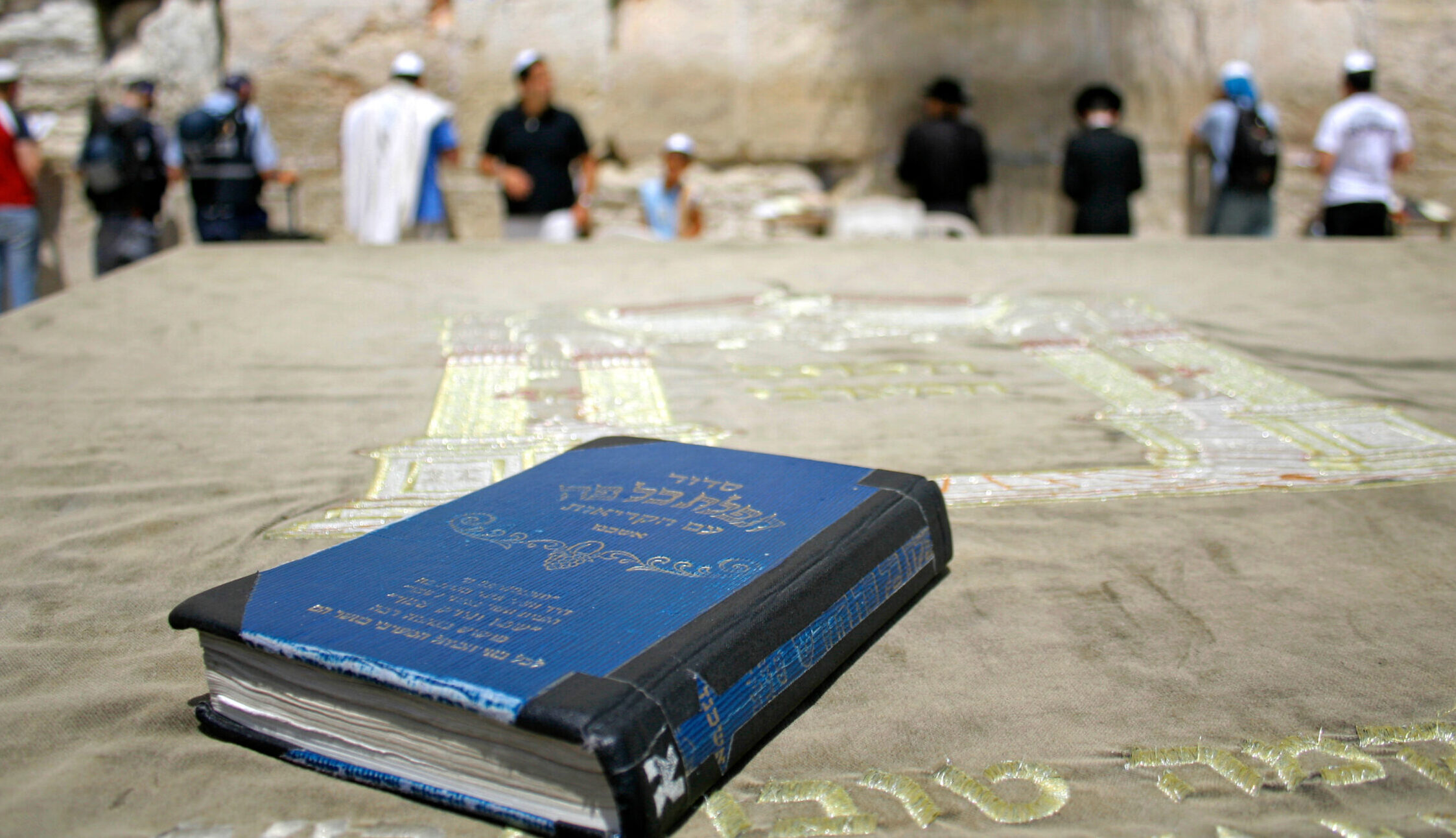
The Siddur Has a Lot of Prayers. Where Did They Come From?
Between early prayer books, kabbalistic additions, and the printing press, the siddur we have today is filled with prayers from across history.

Essays
A History of Jewish Belonging
In Parshat Vayikra, we are reminded that communal belonging lies at the heart of religious identity.

Essays
Edmond Jabès Had Questions—and He Learned to Live With Them
As the holiday of Passover approaches, we take a look into a man whose life was marked by questions: Edmond Jabès.

Essays
His Ladder Will Take You to the Zohar
Are you a fan of Kabbalah and the Zohar? Thank Rav Yehuda Leib HaLevi Ashlag.
Essays
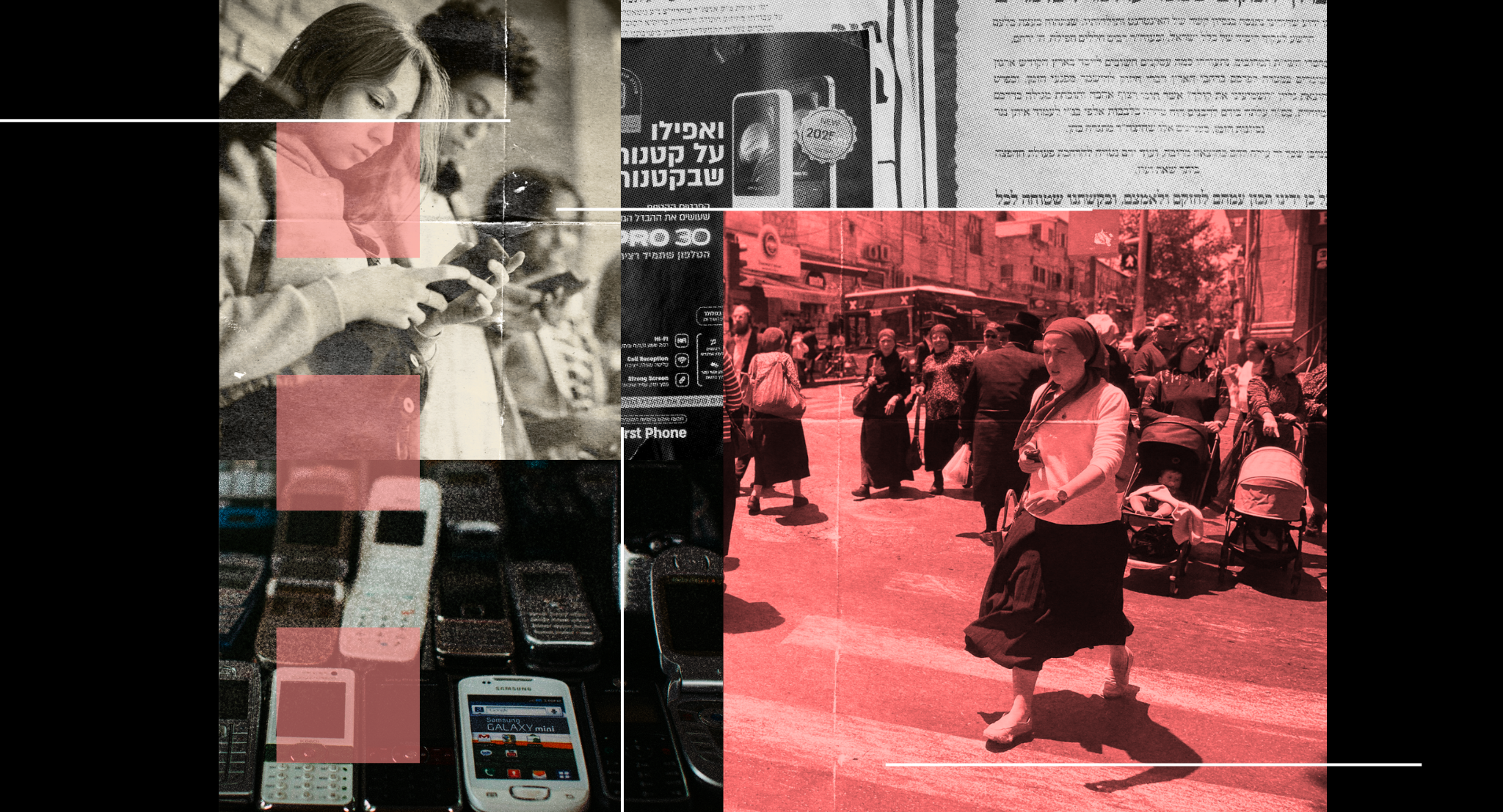
What Haredim Can Teach Us About Getting Off Our Smartphones
Kosher phones make calls and send texts. No Instagram, no TikTok, and no distractions. Maybe it’s time the world embraces them.

Essays
Judith Herman Is Giving Voice to Survivors
Dr. Judith Herman has spent her career helping those who are going through trauma, and has provided far-reaching insight into the field.

Essays
Divinity and Humanity: What the Jewish Sages Thought About the Oral Torah
Our Sages compiled tractates on the laws of blessings, Pesach, purity, and so much more. What did they have to say about…
Essays
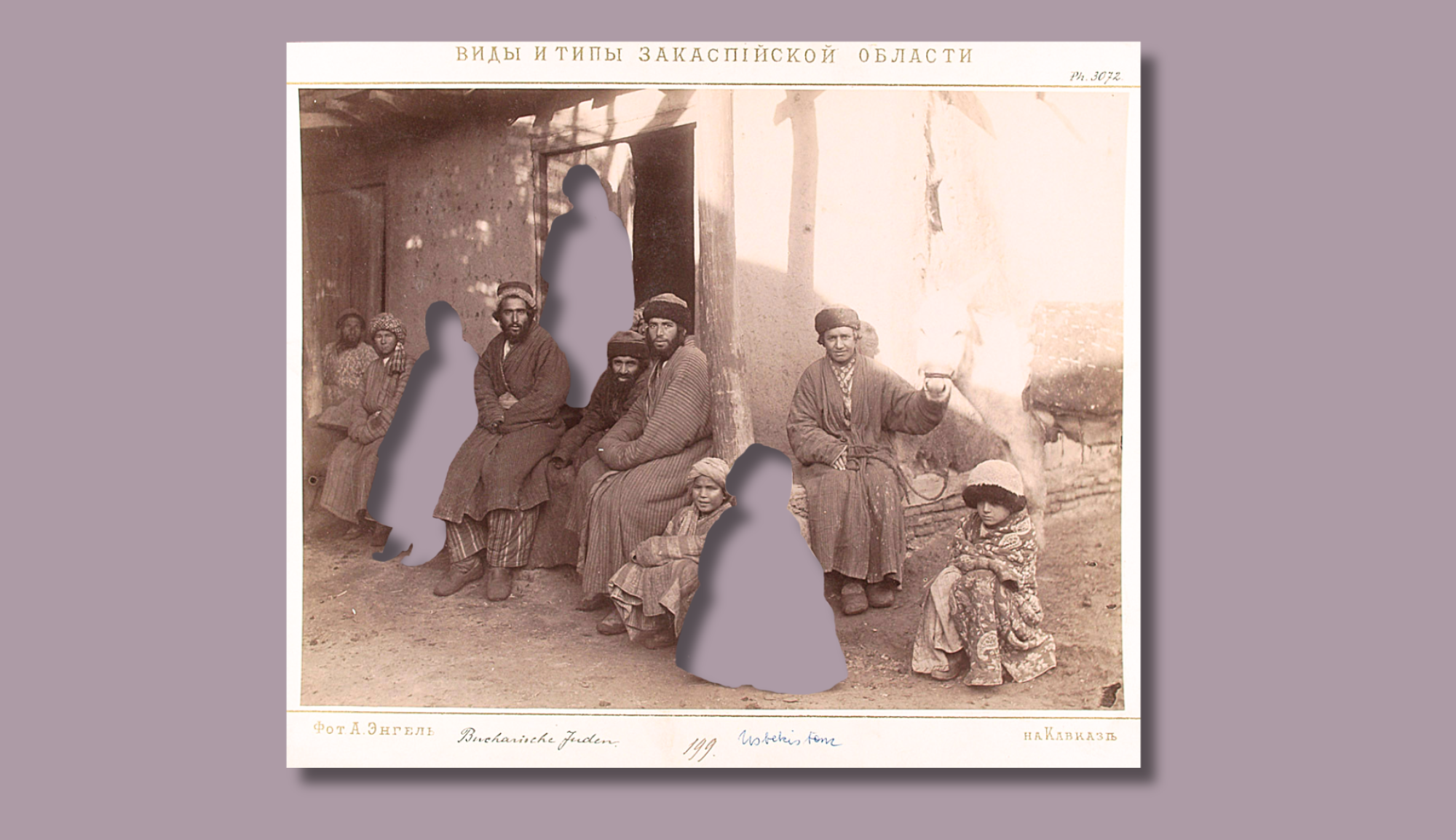
The Erasure of Sephardic Jewry
Half of Jewish law and history stem from Sephardic Jewry. It’s time we properly teach that.
Essays
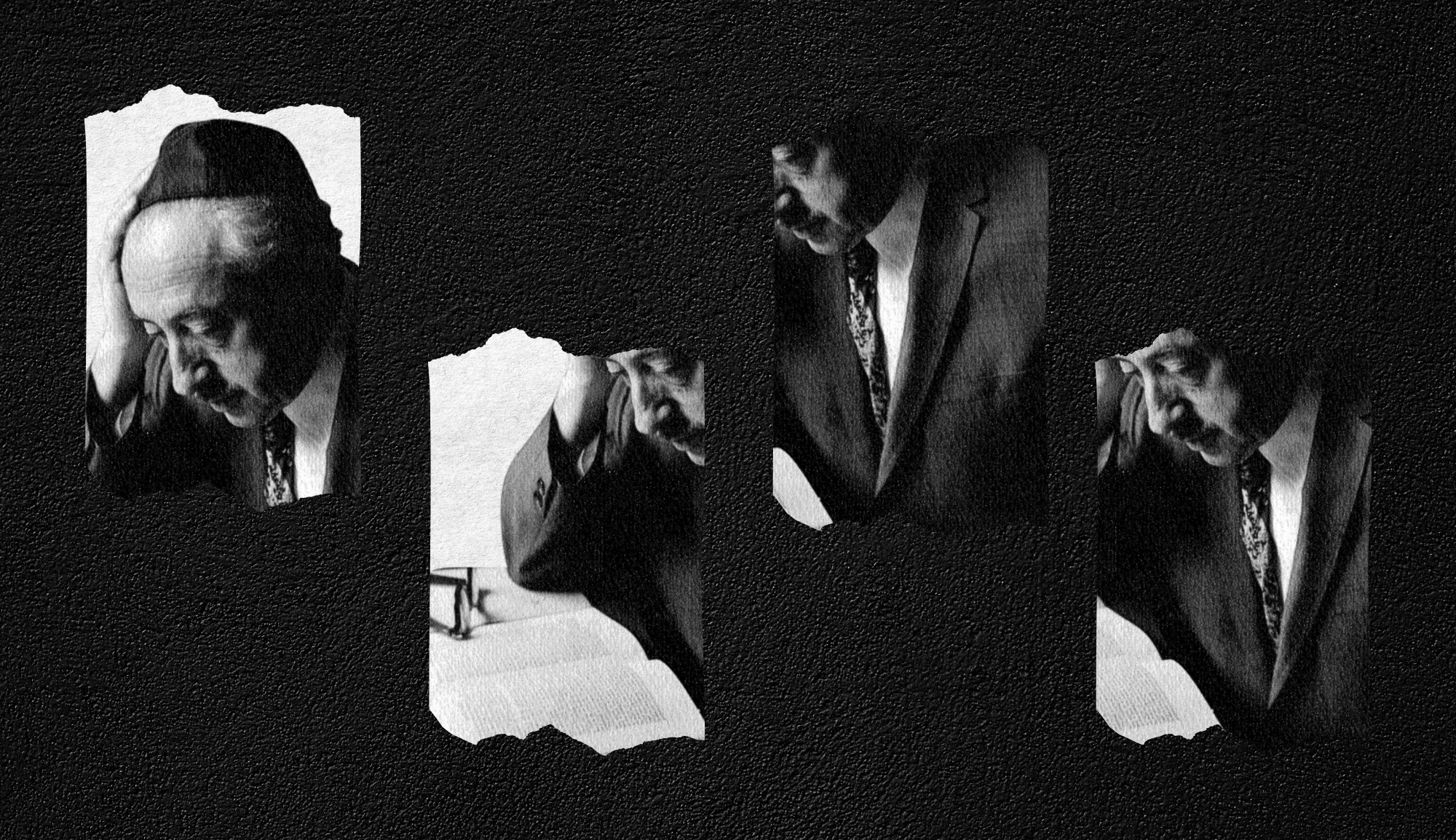
Rabbi Eliezer Berkovits’ Complicated Portrait of Faith
Meet a traditional rabbi in an untraditional time, willing to deal with faith in all its beauty—and hardships.

Essays
‘All I Saw Was Cult’: When Children Find Faith
In reprinted essays from “BeyondBT,” a father and daughter reflect about what happens when a child finds faith.

Essays
Is Judaism Fundamentally Zionist?
God promised the Land of Israel to the Jewish People, so why are some rabbis anti-Zionists?
Essays
What Are the Origins of the Oral Torah?
A bedrock principle of Orthodox Judaism is that we received not only the Written Torah at Sinai but also the oral one—does…

Essays
The Art of the Interview: The Best Three Interviewers for You to Know
As podcasts become more popular, the interview has changed from educational to artistic and demands its own appreciation.

Essays
A Brief History of Jewish Mysticism
To talk about the history of Jewish mysticism is in many ways to talk about the history of the mystical community.

Essays
The Reform Movement Challenged the Oral Torah. How Did Orthodox Rabbis Respond?
Reform leaders argued that because of the rabbis’ strained and illogical interpretations in the Talmud, halachic Judaism had lost sight of God.…
Essays
3 Songs To Listen to During Israel’s War
These are three songs written during times of conflict in Israel that I’ve found myself turning to again and again.
Recommended Videos

videos
Moshe Gersht: ‘The world of mysticism begs for practicality’
Rabbi Moshe Gersht first encountered the world of Chassidus at the age of twenty, the beginning of what he terms his “spiritual…


videos
Moshe Benovitz: Why Religious Change Doesn’t Always Last
In this episode of the 18Forty Podcast, recorded live at Stern College, we speak with Rabbi Moshe Benovitz, director of NCSY Kollel,…
videos
An Orthodox Rabbi Interviews a Reform Rabbi | Dovid Bashevkin & Diana Fersko
In this episode of the 18Forty Podcast, we speak with Diana Fersko, senior rabbi of the Village Temple Reform synagogue, about denominations…
videos
Moshe Weinberger: ‘The Jewish People are God’s shofar’
In order to study Kabbalah, argues Rav Moshe Weinberger, one must approach it with humility.
videos
A Vulnerable Conversation About Shame, Selfhood, & Authenticity with Shais Taub & David Bashevkin
In this episode of the 18Forty Podcast, we speak with Shais Taub, the rabbi behind the organization SoulWords, about shame, selfhood, and…

videos
Jewish Peoplehood
What is Jewish peoplehood? In a world that is increasingly international in its scope, our appreciation for the national or the tribal…
videos
Rachel Goldberg-Polin and Jon Polin: How Torah Gives Us Faith and Hope
In this special Simchas Torah episode of the 18Forty Podcast, we speak with Rachel Goldberg-Polin and Jon Polin—parents of murdered hostage Hersh…

videos
Intergenerational Divergence
videos
Steven Gotlib & Eli Rubin: What Does It Mean To Be Human?
In this episode of the 18Forty Podcast—recorded at the 18Forty X ASFoundation AI Summit—we speak with Rabbi Eli Rubin and Rabbi Steven…

videos
18Forty: Exploring Big Questions (An Introduction)
18Forty is a new media company that helps users find meaning in their lives through the exploration of Jewish thought and ideas.…
videos
We Asked Jews About AI. Here’s What They Said.
This series, recorded at the 18Forty X ASFoundation AI Summit, is sponsored by American Security Foundation.
videos
Sarah Yehudit Schneider: ‘Jewish mysticism is not so different from any mysticism’
Rabbanit Sarah Yehudit Schneider believes meditation is the entryway to understanding mysticism.

videos
Zevi Slavin: ‘To be a mystic is to be human at its most raw’
As a Chabad Hasid, Rabbi Zevi Slavin’s formative years were spent immersed in the rich traditions of Chassidut and Kabbala.