‘Out of the Wonder We Came’: Reflections on Jewish Peoplehood
Who are the Jewish people? In this week’s Weekend Reader, we look…


Who are the Jewish people? In this week’s Weekend Reader, we look…

Jewish education rests at the epicenter of our communal infrastructure. In that vein,…
The following two articles—”A Baal Teshuva’s Father’s Perspectives” and “A Baal Teshuva’s Father’s…


These are three songs written during times of conflict in Israel that I’ve found myself turning to again and again.

Perhaps the most fundamental question any religious believer can ask is: “Does God exist?” It’s time we find good answers.

Beyond the words of the page, the Talmud teaches just as much Jewish history as it does Jewish law, revealing new insights into our intergenerational past.

To talk about the history of Jewish mysticism is in many ways to talk about the history of the mystical community.

In today’s world, we sometimes see the rational as the enemy of the religious, but history shows a far more complex picture.
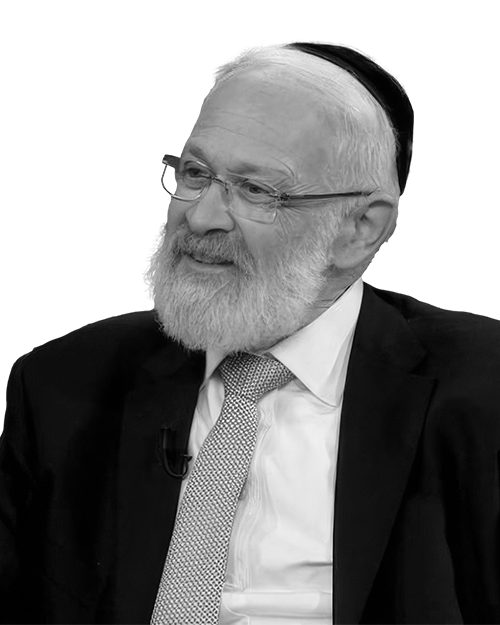
In this episode of the 18Forty Podcast, we launch our new topic, Outreach, by talking to Rabbi Yitzchok Adlerstein, a senior staff member at the Simon Wiesenthal Center, about changing people’s minds, the value of individuality, and the “no true Scotsman” fallacy.
In this episode of the 18Forty Podcast, we launch our new topic,…
In this episode of the 18Forty Podcast, we talk to Frieda Vizel—a…
In this episode of the 18Forty Podcast, we talk to Rabbi Dr.…
In this episode of the 18Forty Podcast, we talk to Lizzy Savetsky,…
In this episode of the 18Forty Podcast, we talk to Rabbi Ken…
In this episode of the 18Forty Podcast, we talk to Eitan Hersh,…
In Being Wrong, Schulz explores what it means to be wrong, and why humans are so insistent on being right about everything. Schulz, a writer with the lucidity of a long-time journalist, argues that we learn to celebrate errors, and that we stop fearing being wrong in life.
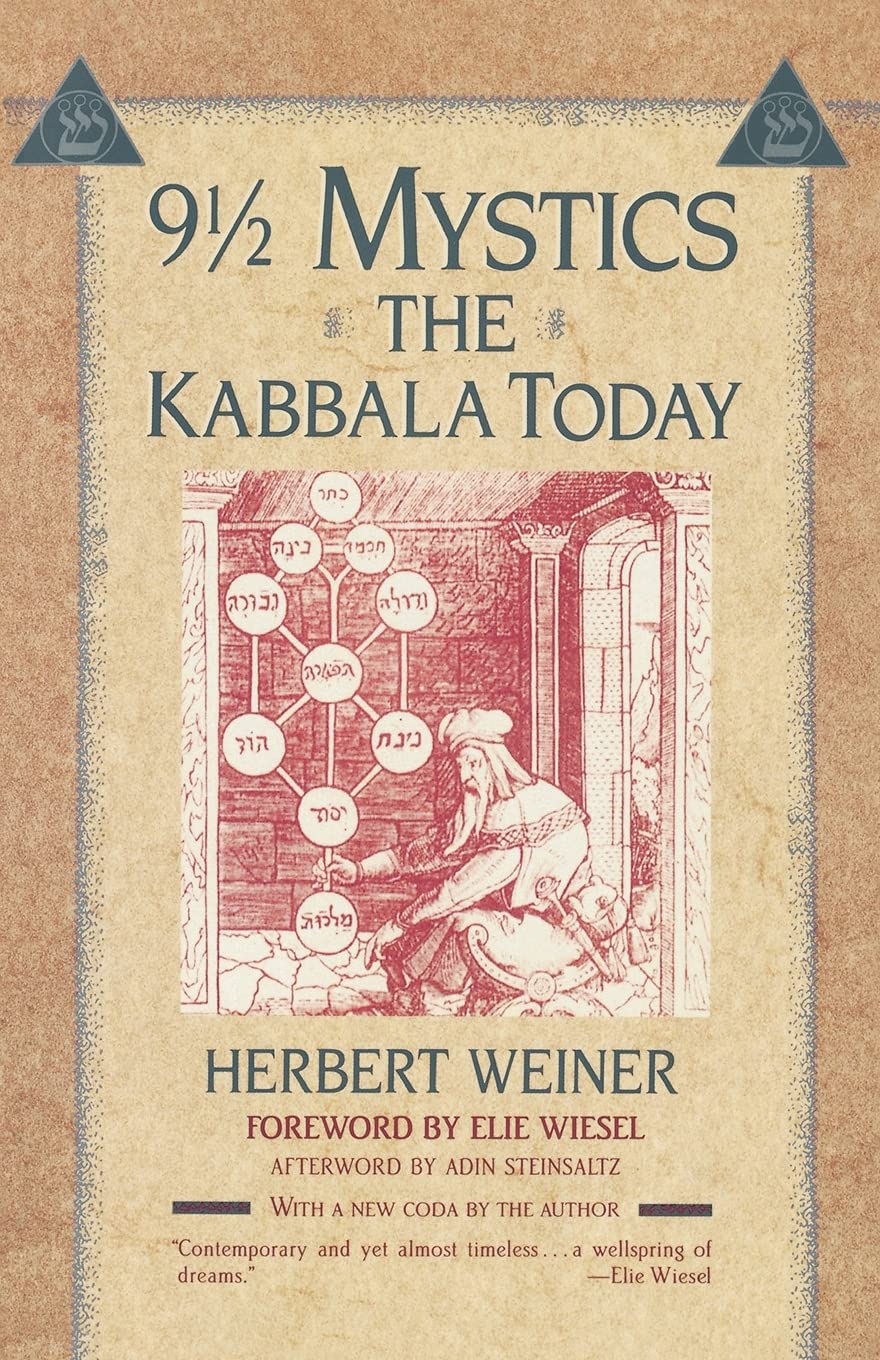
In this cult classic of American Jewish writing, a Reform rabbi visits 9 (and a half) mystics, and learns about their way of life. Guided by curiosity, Weiner offers a rare look at storied legends of Jewish mysticism, asking them the questions that only an outsider to a community can ask, and demonstrating the value in the process of crossing the lines that sometimes keep communities apart.
The follow-up to Potok’s more famous The Chosen, in The Promise he explores the lines between communities with more depth. This novel offers a singular view of what happens when one leaves one religious community, whether it is Modern Orthodoxy, Conservative Judaism, or Hasidic Judaism, and how religious identity and communal identity are interwoven through and through.