Change and Self-Acceptance: Rav Shagar’s Paradox of Teshuva
Is teshuva about changing ourselves, or is it about accepting who we are?…


Where does change come from?
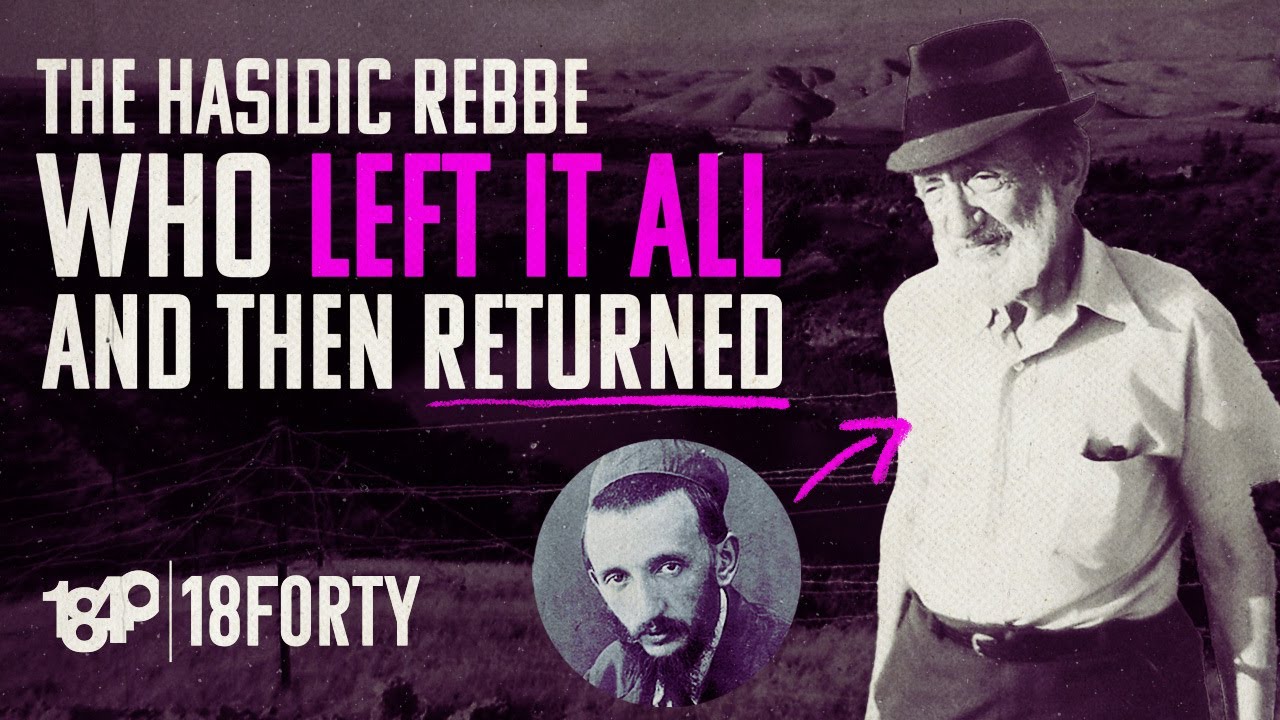

Why did this Hasidic Rebbe move from Poland to Israel, only to change his name, leave religion, and disappear to Los Angeles?
Is teshuva about changing ourselves, or is it about accepting who we are?…
I could probably tell my life story through the thoughts that have occupied…



Torah study requires mind, heart, and soul, Rabbi Dr. Michael Rosensweig writes. How, though, does it relate to teshuva?
On this episode of 18Forty, we have a deeply moving conversation with Mark Moskowitz, an author, speaker, and coach, to talk about his search for meaning in federal prison.
In this episode of the 18Forty Podcast, we talk to Martha Minow, a legal scholar and a professor at Harvard Law School, about forgiveness, law, and the boundaries of teshuva.
In this episode of the 18Forty Podcast, we talk to musician Matisyahu Miller—known as “Matisyahu”—who has publicly re-embraced his Judaism and Zionism since October 7.
In this episode of the 18Forty Podcast, we talk to Alex Clare – singer and baal teshuva – about changing identity and what if questions.
In this episode of the 18Forty Podcast, we talk to Miriam about changing, or even rebuilding, one’s life.
In this episode of the 18Forty Podcast, we talk to Agnes Callard – professor of philosophy and author – about the philosophy of change.
Is teshuva about changing ourselves, or is it about accepting who we are? For this paradox, Rav Shagar says, it’s both.

Apologies should be easy—but they seem to be anything but. The Talmud shares timeless wisdom to help us say a better sorry.
I spent so much of my life building up these anxiety-inducing transitions, these Death of Superman narratives, when the real moments of personal growth and identity formation often happened in the moments in between.

To help you come to terms with yourselves, and to avoid the hard work of change and therapy, we put together a history of teshuva, from the great before to today.
Teshuva is beyond any words, ideas, or concepts because it is not something we do but something we are.

Rav Judah Mischel and singer Alex Clare shed light on the beauty and complexity of teshuva, namely in their own lives.

Nathan Fielder’s The Rehearsal is the teshuva tool you didn’t know you needed. Here are three reflections to aid you in the process.

Eating disorders and body-image issues are a universal struggle. Fixing this is a religious imperative.

Human desire wishes that we change at the moment we want to, but real change, real teshuva, takes time.
In this episode of the 18Forty Podcast, R. Beryl Gernshenfeld, one of the leaders of the Jewish outreach movement, joins us in talking about what we can learn about the process of transformation that occurs in Jewish outreach.
On this episode of 18Forty, we have a wide ranging conversation with Shais Taub, a renowned Chabad scholar and author of the book God of Our Understanding: Jewish Spirituality and Recovery from Addition, about the mechanics of teshuva.
<span data-mce-type=”bookmark” style=”display: inline-block; width: 0px; overflow: hidden; line-height: 0;” class=”mce_SELRES_start”></span><span data-mce-type=”bookmark” style=”display: inline-block; width: 0px; overflow: hidden; line-height: 0;” class=”mce_SELRES_start”></span><span data-mce-type=”bookmark” style=”display: inline-block; width: 0px; overflow: hidden; line-height: 0;” class=”mce_SELRES_start”></span><span data-mce-type=”bookmark” style=”display: inline-block; width: 0px; overflow: hidden; line-height: 0;” class=”mce_SELRES_start”></span><span data-mce-type=”bookmark” style=”display: inline-block; width: 0px; overflow: hidden; line-height: 0;” class=”mce_SELRES_start”></span><span data-mce-type=”bookmark” style=”display: inline-block; width: […]
In this episode of the 18Forty Podcast, we talk to Rav Judah Mischel – executive director of Camp HASC and founder of Tzama Nafshi – about change and teshuva.
In this episode of the 18Forty Podcast, we talk to Rabbi Pini Dunner and Rav Moshe Weinberger about the Yabloner Rebbe and his astounding story of teshuva.
In this episode of the 18Forty Podcast, we talk about two impactful books about Shabbos and their authors.
In this episode of the 18Forty Podcast, we talk to Rav Judah Mischel – executive director of Camp HASC and founder of Tzama Nafshi – about change and teshuva.
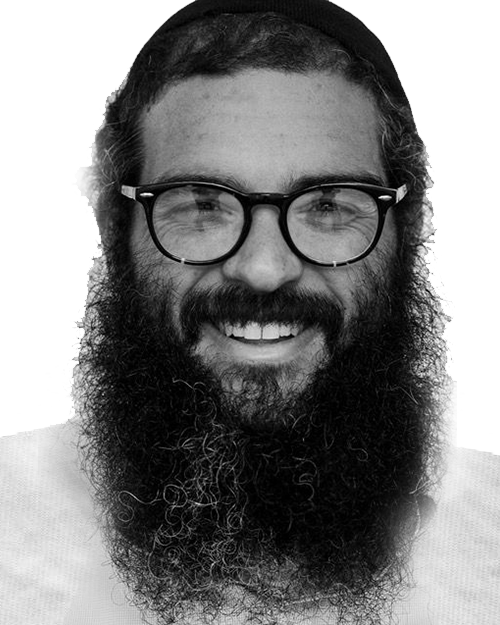
In this episode of the 18Forty Podcast, we talk to Rav Judah…
In this episode of the 18Forty Podcast, we talk to Alex Clare…
In this episode of the 18Forty Podcast, we talk to Rabbi Pini…
In this episode of the 18Forty Podcast, we talk to Agnes Callard…
In this episode of the 18Forty Podcast, we talk to Miriam about…
In this episode of the 18Forty Podcast, R. Beryl Gernshenfeld, one of…
In this episode of 18Forty, tech entrepreneur Antonio Garcia Martinez discusses his…
On this episode of 18Forty, we have a frank conversation with author…
On this episode of 18Forty, we have a wide ranging conversation with Shais Taub,…
On this episode of 18Forty, we have a deeply moving conversation with…
In this episode of the 18Forty Podcast, we discuss parental alienation.
<span data-mce-type=”bookmark” style=”display: inline-block; width: 0px; overflow: hidden; line-height: 0;” class=”mce_SELRES_start”></span><span data-mce-type=”bookmark”…
In this episode of the 18Forty Podcast, we talk to Martha Minow,…
In this episode of the 18Forty Podcast, we talk to an anonymous…
In this episode of the 18Forty Podcast, we talk to Joshua Leifer…
In this episode of the 18Forty Podcast, we talk to Yussie Zakutinsky,…
In this episode of the 18Forty Podcast, we talk to Tuvia Tenenbom,…
In this episode of the 18Forty Podcast, we talk to Emmi Polansky, known…
In this episode of the 18Forty Podcast, we talk to musician Matisyahu…
How can our generation understanding mysticism, philosophy, and suffering in today’s chaotic…
With every day, and every decision, we change, experiencing life in a way that we couldn’t imagine or envision earlier. Heraclitus, the storied pre-Socratic Greek philosopher, is famous for noting that one cannot step in the same river twice, which is a statement both about time and change. Both the river and the foot (or person wielding the foot) change with every moment, so that the circumstances will never be identical; a person can never step in the same river twice. How then can we aspire for better, for change, if we don’t know who we will become through the process of that change? How can we work towards a new way of seeing the world, if we are still guided by our old lenses? This book is an exploration of the questions about change you didn’t know you struggled…
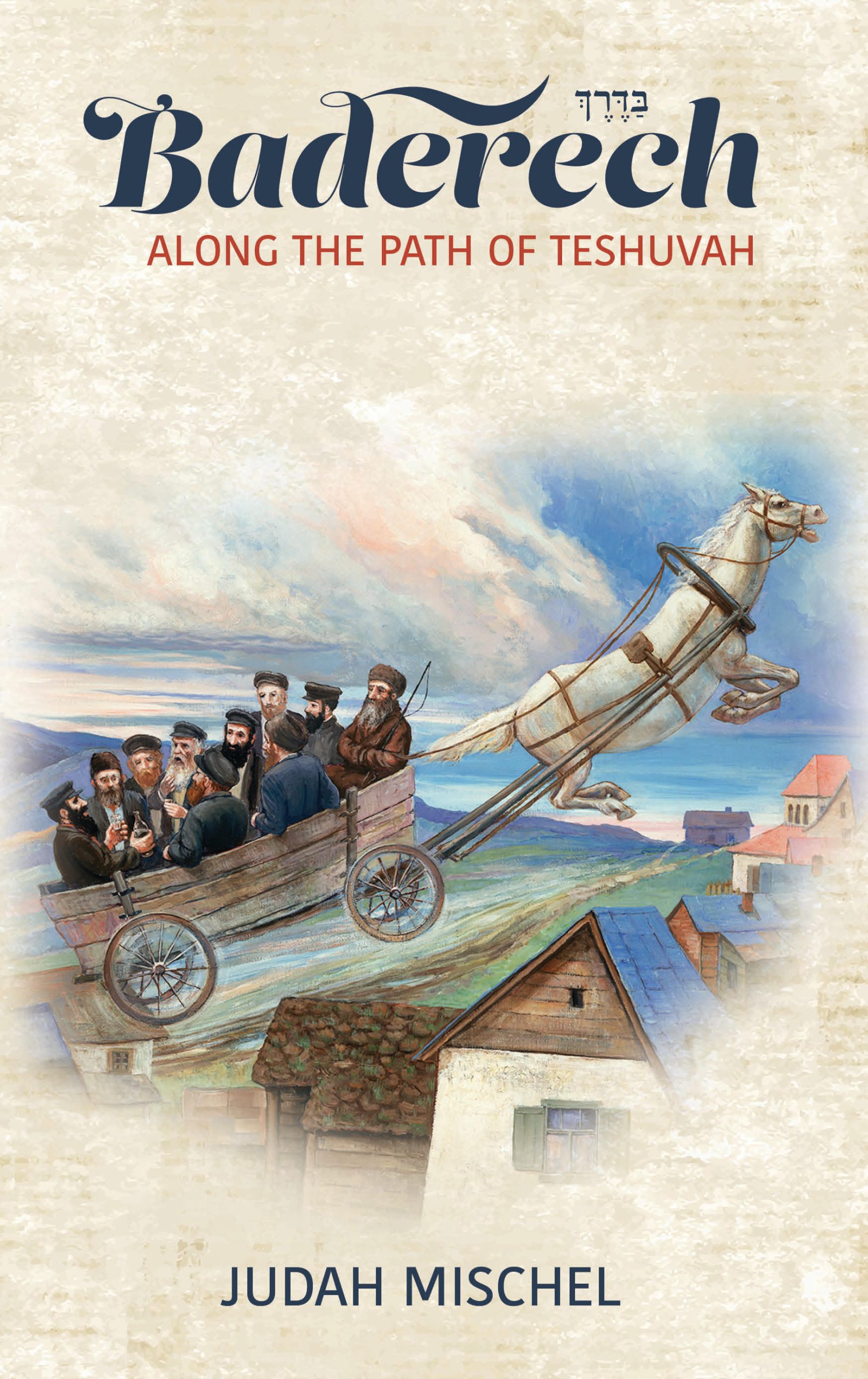
How can we walk along the road of change with authenticity? In his new book, Rav Judah Mischel guides us on the complex and often difficult path of personal growth, through the thick undergrowth of doubts and anxieties that can sometimes accompany hope for a better life. In this book, stories and teachings converge, in a personal and powerful guide to growth. This book is the perfect accompaniment for the month of Elul and can inspire thoughtful introspection in all contexts. To see some of the dynamics of this book in practice, pair this book with the Autobiography of Malcolm X.. While this pairing may seem strange to those who don’t know much about Malcolm, if you make it to the end of this fascinating work, you may learn how these two books share a deeper kinship than you, or…
How can we make a decision about the future, when the person we will be when we experience the realities of that decision is a different person than we are today? In her book, L.A. Paul, a professor of philosophy in Yale famous for her ideas about “transformative experience,” explores the deepest questions of decision making. In this deeply human book of philosophical inquiry, Paul argues that we consider our life’s decisions as decisions to discover the experience of life, as our own experiences unfold from the decisions we make. If that doesn’t make sense to you yet, read the book; Paul is a far better articulator of her thought than we are.