This Storm Is What We Call Progress: From 1840 to Today
How do we find ourselves in a time of rapid change? This question…


Was the year 1840 the end of religion or the beginning? In this special podcast, David discusses the significance of the year and how it remains relevant today. Follow along with the source sheet and listen below
How do we find ourselves in a time of rapid change? This question…

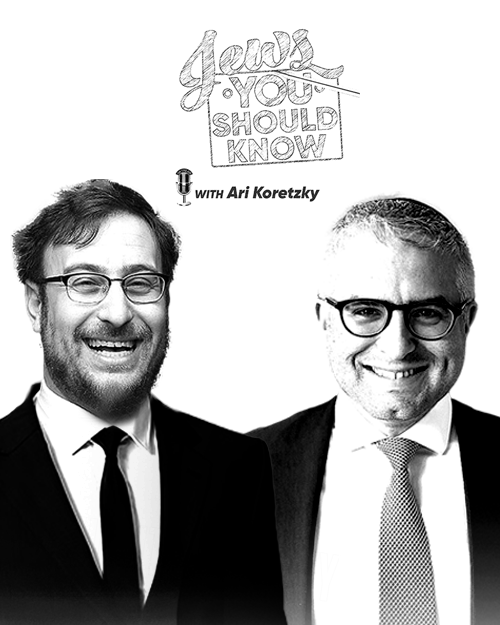
Among the many questions we receive at 18Forty, there are some we find recurring: Who does 18Forty serve? What is its purpose? In this episode, 18Forty Founder Rabbi David Bashevkin reflects upon those questions—except he isn’t the one interviewing.
Among the many questions we receive at 18Forty, there are some we find recurring: Who does 18Forty serve?…
18Forty was designed as a forum where significant issues and struggles are engaged directly with depth in order…
In this episode of the 18Forty Podcast, we sit down for a special podcast with our host, David…
In this episode of the 18Forty Podcast, we listen to voicemails sent in by listeners and talk to…
In this episode of the 18Forty Podcast, we listen to voicemails sent in by you, our listeners, and…
In this episode of the 18Forty Podcast, we listen to voicemails sent in by you, our listeners, and…
In this edition of the 18Forty Podcast, we speak with Rav Yitzchak Breitowitz about the key Jewish issues…
In this minisode of the 18Forty Podcast, we reflect upon a year beyond words (and numbers).
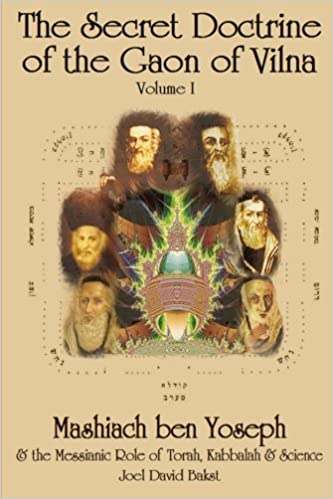
For readers looking to have a good time, this work is for you. This book is centered around the mysterious document, Kol HaTor. Published by the Rivlin family of Jerusalem, this document is a messianic work based on the thought of the Vilna Gaon (how direct the Gaon’s influence was is the topic of extremely spicy scholarly debate). A creative trip through the messianic vision of the Kol HaTor, The Secret Doctrine brings readers into the world of the spiritual possibilities of the technology age. Our favorite pivotal year, 1840, plays a significant role in this book, as the pivotal year in which the advancements of the industrial revolution converged with the advancements in Kabbalistic study. Readers might want to pair this book with the somewhat more soberly written The Gaon of Vilna and his Messianic Vision by Arie Morgenstern, which provides a more grounded view…
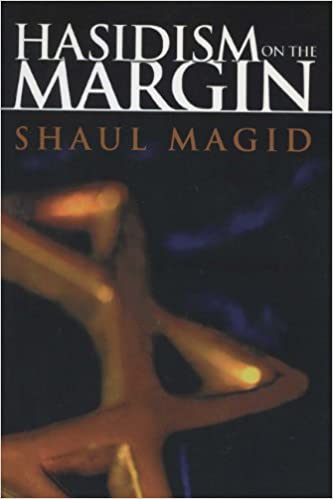
In this fascinating work of scholarship, Dr. Shaul Magid explores the world of Izbitzh-Radzyn. Magid is a leading expert of this era in entering Hassidic texts from the inside, and exploring their implications and meaning from the outside as well. For those that know Magid’s life story this comes as no surprise. For those that don’t, check out his AUTOBIOGRAPHICAL REFLECTIONS here. Hasidism on the Margins opens a window into the world of the 19th century, and lends perspective into what the world of 1840 was in Jewish thought, mysticism, and practice.
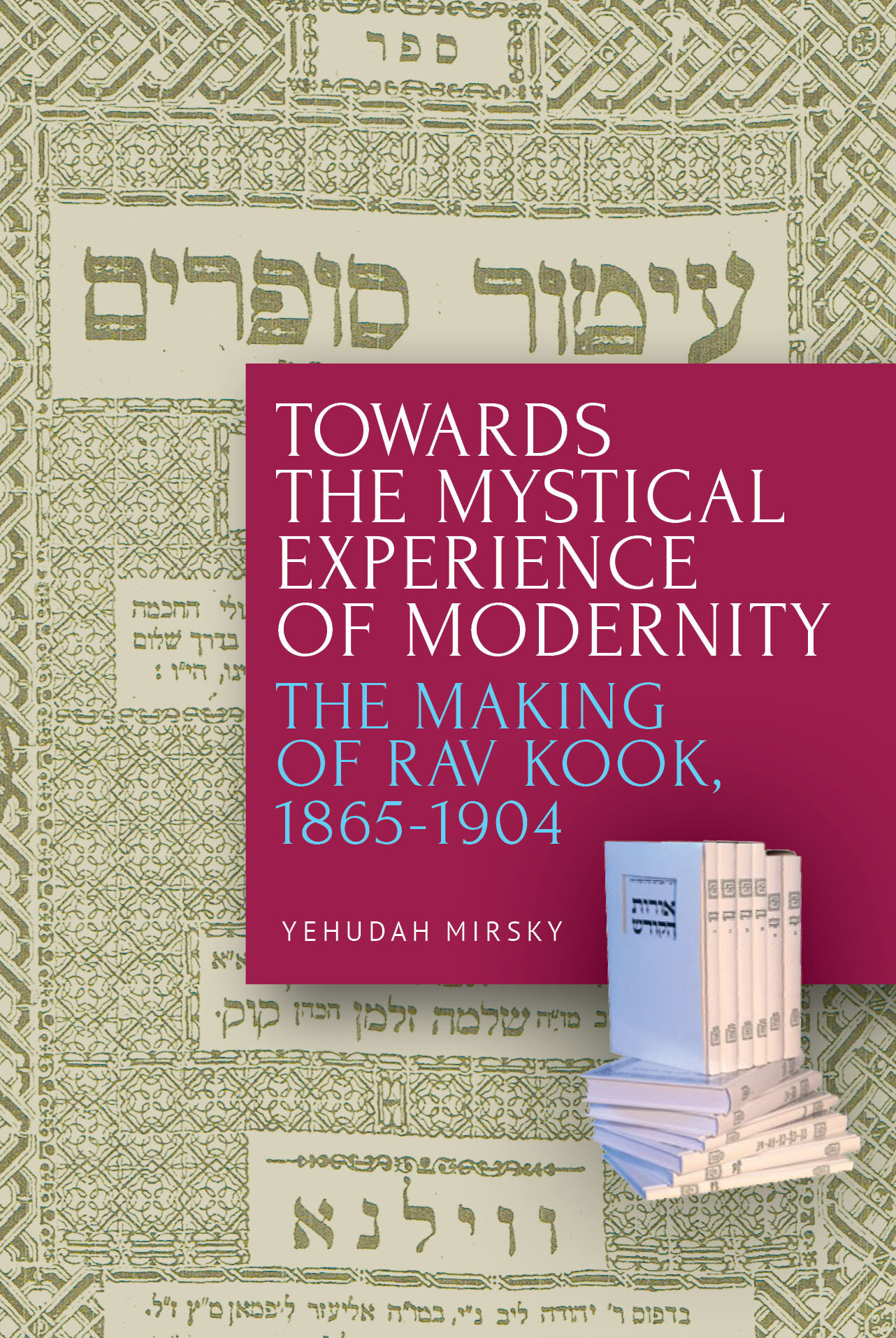
One of the great minds of the world of 1840 is Rabbi Avraham Isaac Kook. Rabbi Kook’s evolution from a traditional young rabbi to a dynamic spiritual revolutionary shaped the course of Jewish philosophy and the nature of the religious community in Israel. In this new work, Yehuda Mirsky explores the nature of his evolution with a focus on his pre-Jaffa years. Mirsky is an expert on Rav Kook, and writes with a singularly poetic voice rare in academic-style writing. The post-1840 world is a world of spiritual revolutions, and Rav Kook was on the front lines of this revolution. Mirsky’s earlier RAV KOOK: MYSTIC IN A TIME OF REVOLUTION is very necessary reading for any hoping to approach Rav Kook as a person and thinker.