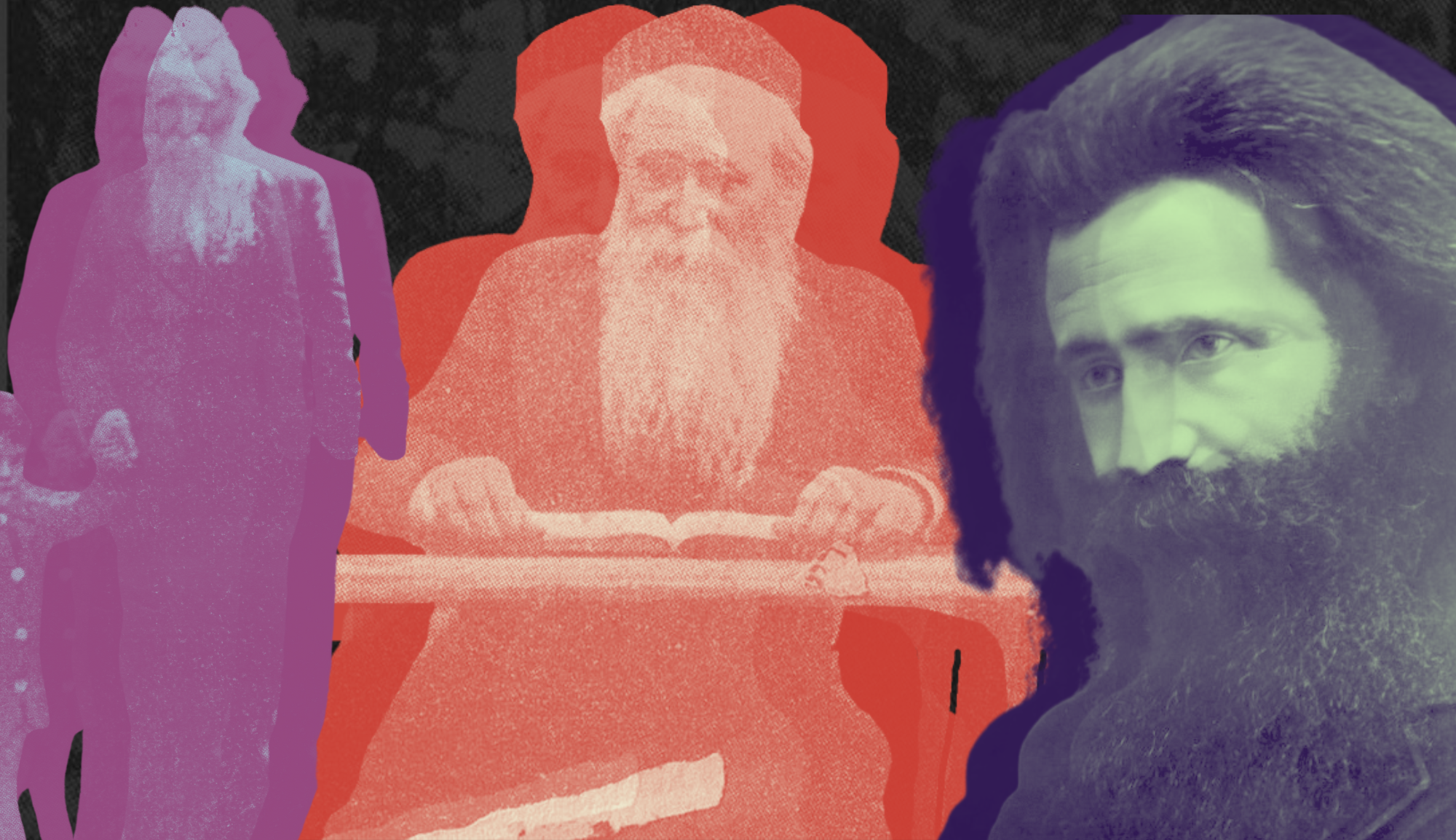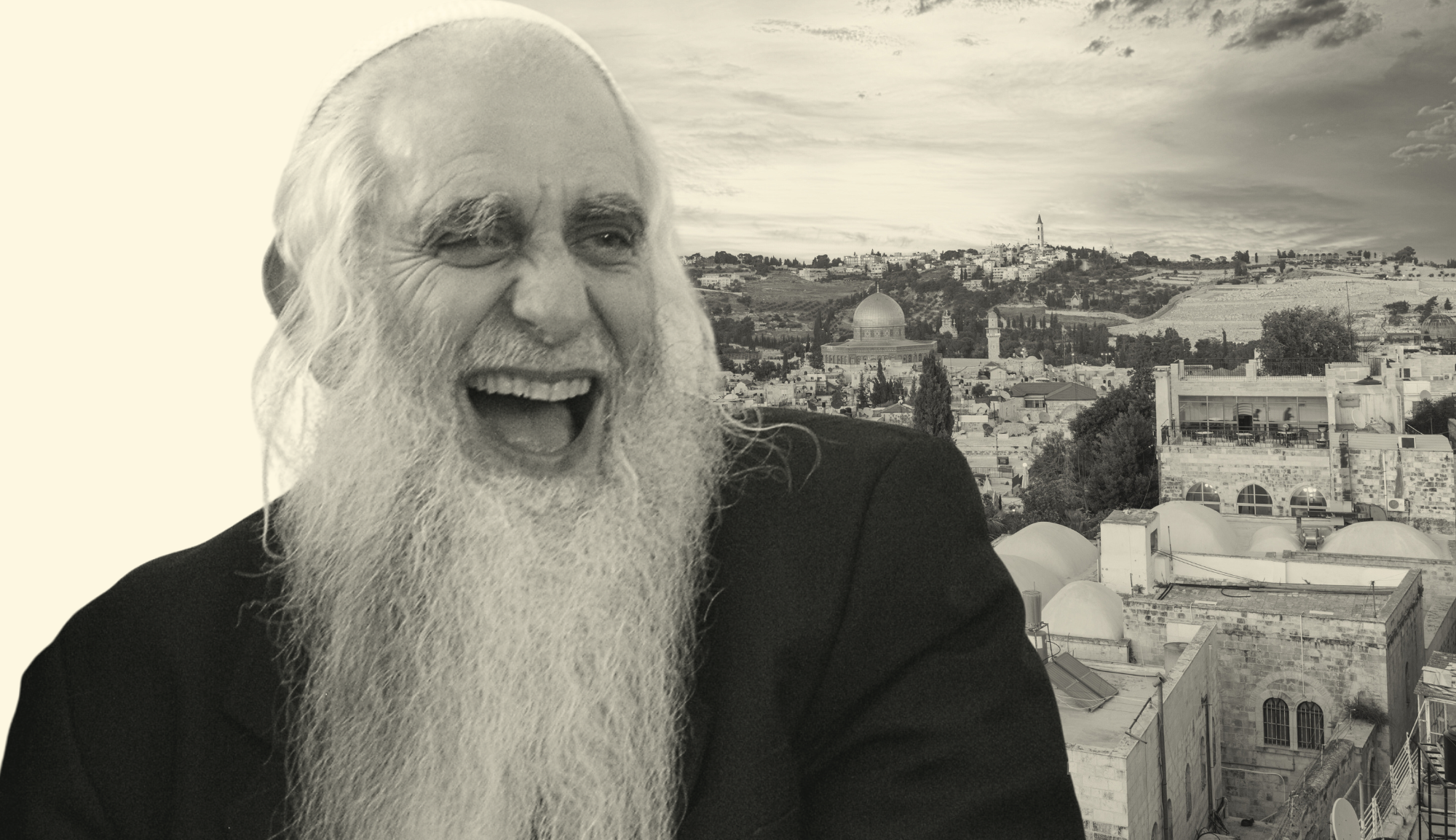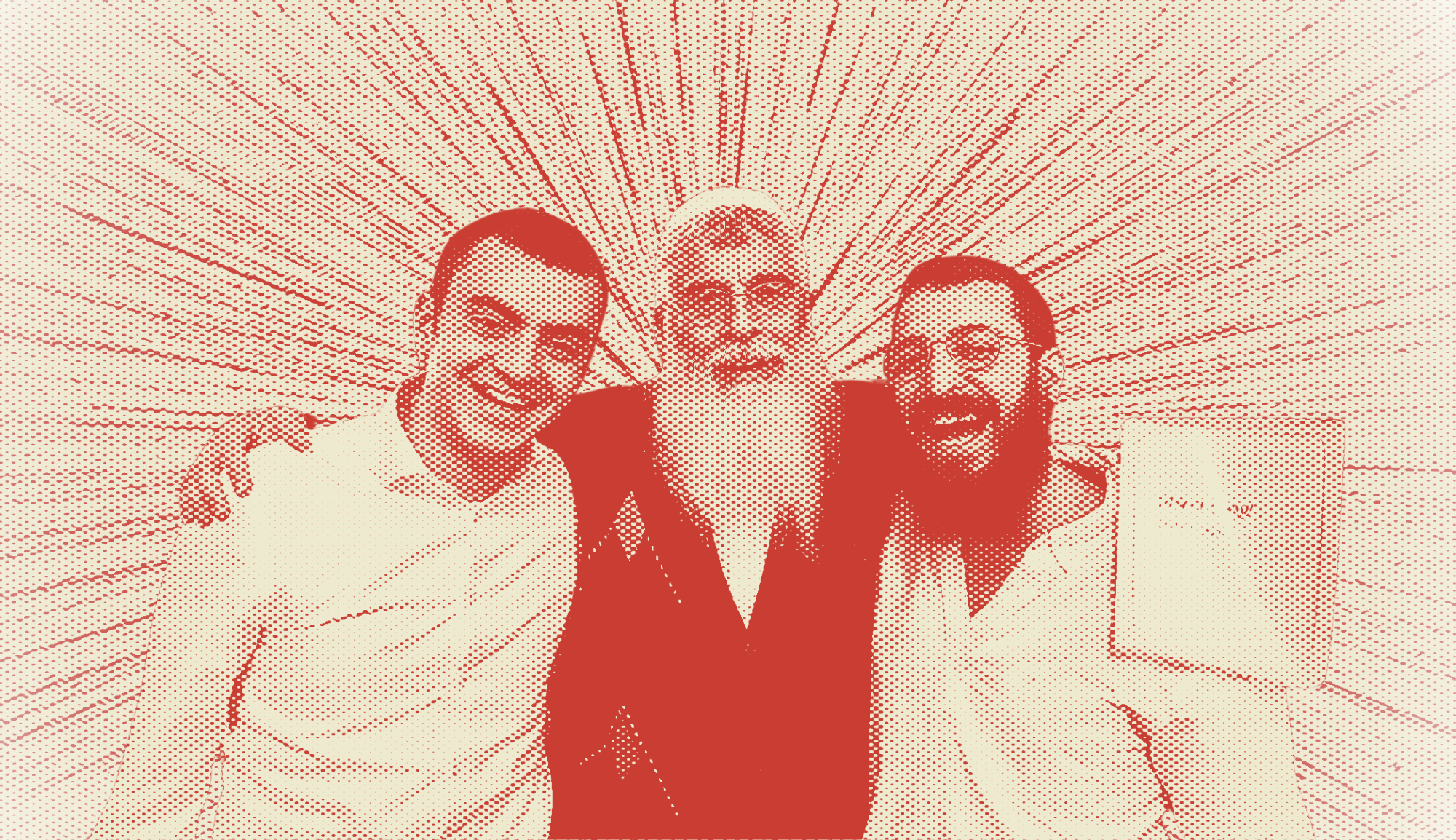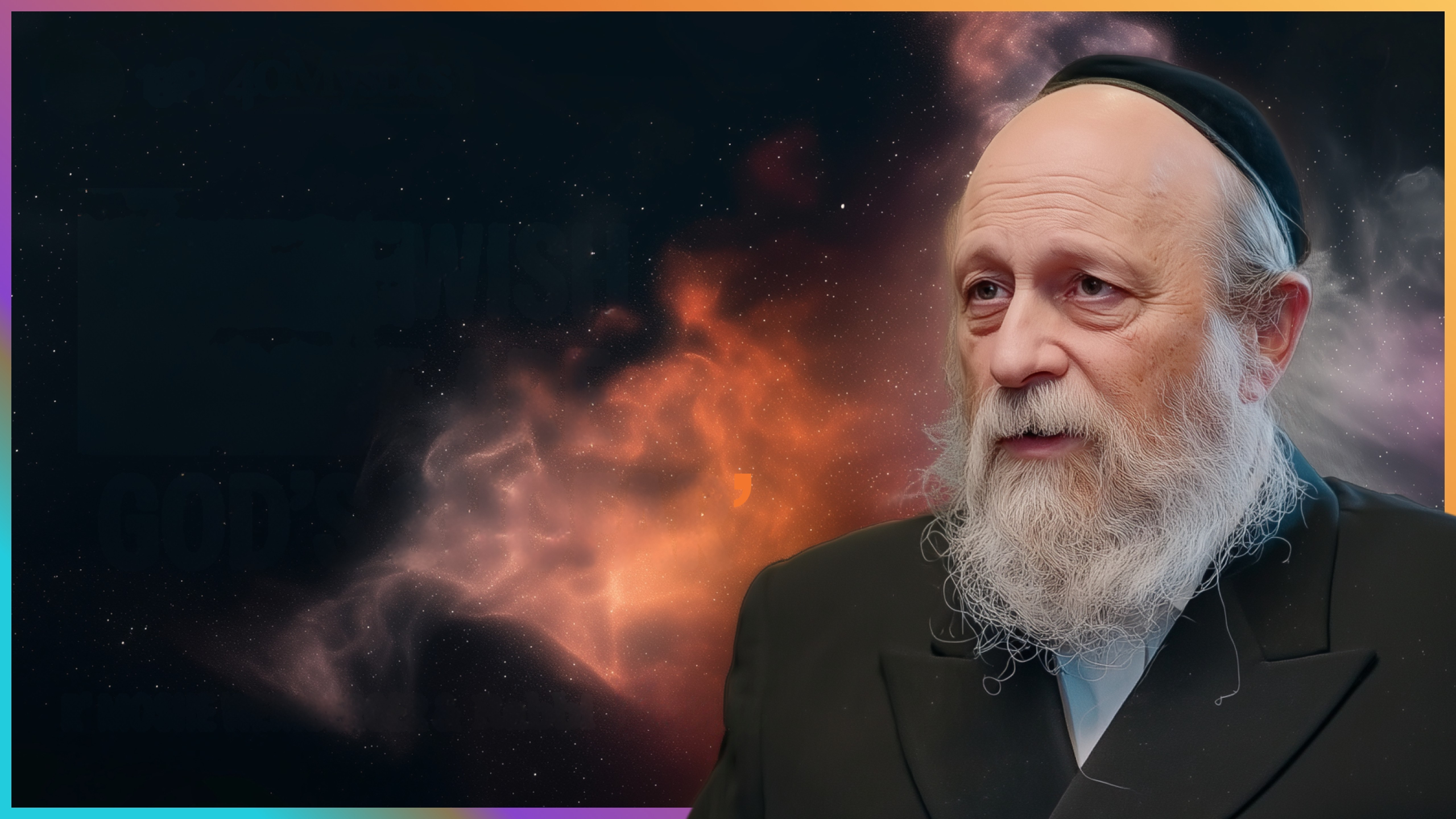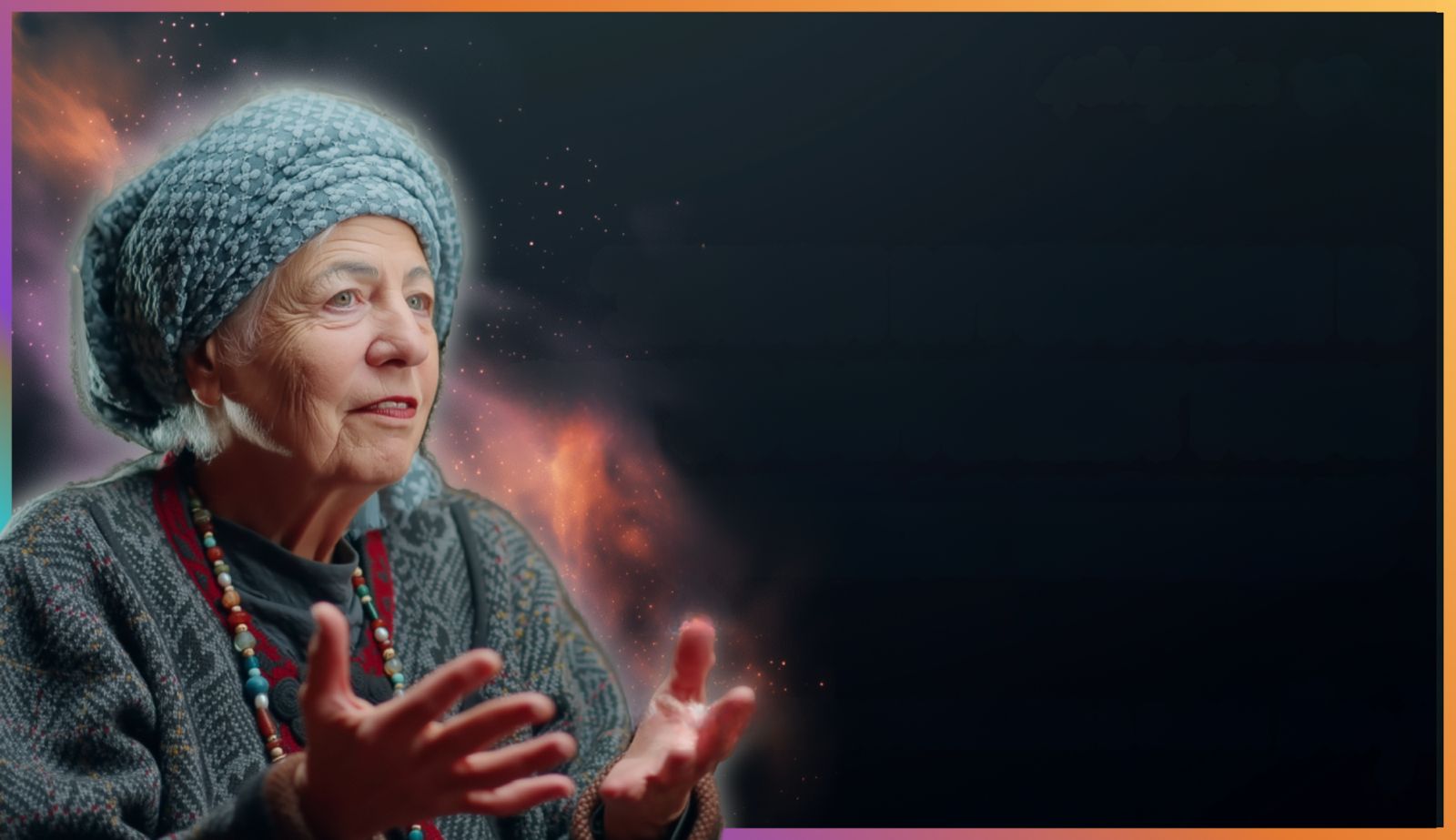



Meet Rav Yehuda Leib HaLevi Ashlag (1885 – 1954).
Rav Ashlag, known also as the Baal HaSulam after his most well-known work—a commentary on the Zohar called “the Sulam,” or “ladder”—was born in Poland to a Chassidic family, and moved to pre-state Israel in 1922, where he lived until his death in 1954.
While little discussed today, Ashlag played an important role in the popularization of Kabbalah and the Zohar in the last century due to his own work, the work of his students, and that of his students’ students. Unlike many Kabbalists before him, he believed in the import of sharing and popularizing the esoteric, paving the way for the movements that followed from his influence.
Ashlag lived a curious life, with influence, teachers, and students from a wide range of backgrounds. He’s said to have studied Hegel and Nietzsche in German, and to have studied with an anonymous teacher for several months. Students of his students went on to found the much-maligned Kabbalah Center, which has since garnered headlines about the financial improprieties of its directors, as well as its celebrity adherents. David Ben-Gurion mentions meeting Ashlag multiple times, and that “while I wanted to talk to him about Kabbalah, he wanted to talk to me about socialism and communism.”
Ashlag also wrote the Talmud Eser Sefirot, a textbook-like compendium of Lurianic thought, and has since gained interest in academic and popular circles for his political writings, which often take on a socialist or religious communist bent. Ashlag figures in the “mystics” section of Hayyim Rothman’s recent dry, but important No Masters But God: Portraits of Anarcho-Judaism, a compendium on an eclectic assortment of thinkers, rabbis, activists, and pacificists that fall along anti-establishment lines.
Much of the contemporary literature on Ashlag is from today’s popular Kabbalah movements started by his students’ students, such as the Kabbalah Center or the Bnei Baruch in Israel (named after R. Yehuda Ashlag’s son R. Baruch Ashlag), or in a surge of recent studies on Ashlag in Hebrew.
For your reading pleasure, we’ve included a sampling of two pieces on Ashlag. The first, from Micha Oppenheimer in Haaretz, offers a good biographical overview of Ashlag’s life. The second, a master’s thesis from Adam Zagoria-Moffet, offers a look at Ashlag’s political thought. Please note that this dissertation is quite long, so be careful as you print!
Interested readers who want to learn more about this fascinating figure and his cultural context would want to read Jonatan Meir’s “Kabbalistic Circles in Jerusalem (1896-1948),” in which Ashlag and his world make many appearances, as well as Rothman’s book mentioned above, in which Ashlag has a substantive chapter. Readers comfortable in Hebrew may also want to read “Chapters in the Educational Philosophy of the Author of ‘Ha-Sullam’,” and Jonatan Meir’s “The Revealed and the Revealed within the Concealed: On the Opposition to the ‘Followers’ of Rabbi Yehudah Ashlag and the Dissemination of Esoteric Literature.”
Enjoy your climb up the ladder, and let us know what you find!
Read On
No Masters But God: Portraits of Anarcho-Judaism, by Hayyum Rothman (see “mystics” section)
“Latter-day Luminary,” by Micha Odenheimer
“The Communist Kabbalist: The Political Theology of Rav Yehuda Ashlag,” by Adam Zagoria-Moffet
“Kabbalistic Circles in Jerusalem (1896-1948),” by Jonatan Meir
“Chapters in the Educational Philosophy of the Author of ‘Ha-Sullam’,” by Dani Rosenbaum (Hebrew)
“The Revealed and the Revealed within the Concealed: On the Opposition to the ‘Followers’ of Rabbi Yehudah Ashlag and the Dissemination of Esoteric Literature,” by Jonathan Meir (Hebrew)