

In the beginning, the infinite light of God was all that existed. Everything was, by definition, perfect. Except it wasn’t for God, for an element of the ultimate perfection always strives for more. God wanted to give, which required a recipient with needs and deficiencies. Therefore, He had to make space for imperfection so that He could bestow goodness. Thus goes the Kabbalistic origin story known as tzimtzum—the divine contraction that created space for existence.
It may seem counterintuitive to those who seek wholeness and holiness, but it is this deficiency that animates the possibility of life itself. There are terrible side effects of this philosophical approach, such as how we deal with tragedy and loss. Yet, the soul-searching born at these difficult moments can allow us to build something new. Just as bending one’s knees allows one to jump higher, the descent into darkness can allow for a new and even higher ascent that was previously unattainable. This truth reverberates across the expanse of Jewish history.
The Pattern Across Jewish History
While it seems that absence is the opposite of growth, approaching this element of imperfection in the right way can actually drive growth. The first human being was created with desires, deficiencies, and dependencies, yet these were to be filled towards a wholeness beyond oneself. Adam and Eve were exiled out of the Garden of Eden, and at the same time, this catalyzed their mission to illuminate the world. The matriarchs, Sarah, Rebecca, and Rachel, experienced the hopelessness of infertility and came to cherish the profundity of possibility and life itself. A single family unit was enslaved in Egypt and emerged as the Israelite nation—returning to its homeland and building a society founded on compassion and care for those in need. The holy Temples were destroyed, and it was from these ruins that the grandeur and potency of the Oral Law came forth. R. Shimon bar Yoĥai was forced into the darkness of a cave, and emerged with the book of splendor and illumination, the Zohar.
As students of history, we can see the tremendous strength that can be incubated from within the crucible of struggle. The attainment of this strength takes place through the descent, a process that often brings one face to face with apparent emptiness. This sense of emptiness, however, is not a flaw but rather a feature of how and why God created the world. While this happens on a macro level across the universe, “each person is a world unto themselves.” Taking an honest look at our own vulnerability, it is not difficult to uncover the common thread of loss and hardship, and at the same time, to identify the way that it can give birth to hope and strength.
The Crisis of Modernity and Ashlag’s Response
By the early 20th century, as the World Wars and the Holocaust thrust society into doubt and turmoil, a new spiritual revolution was brewing.
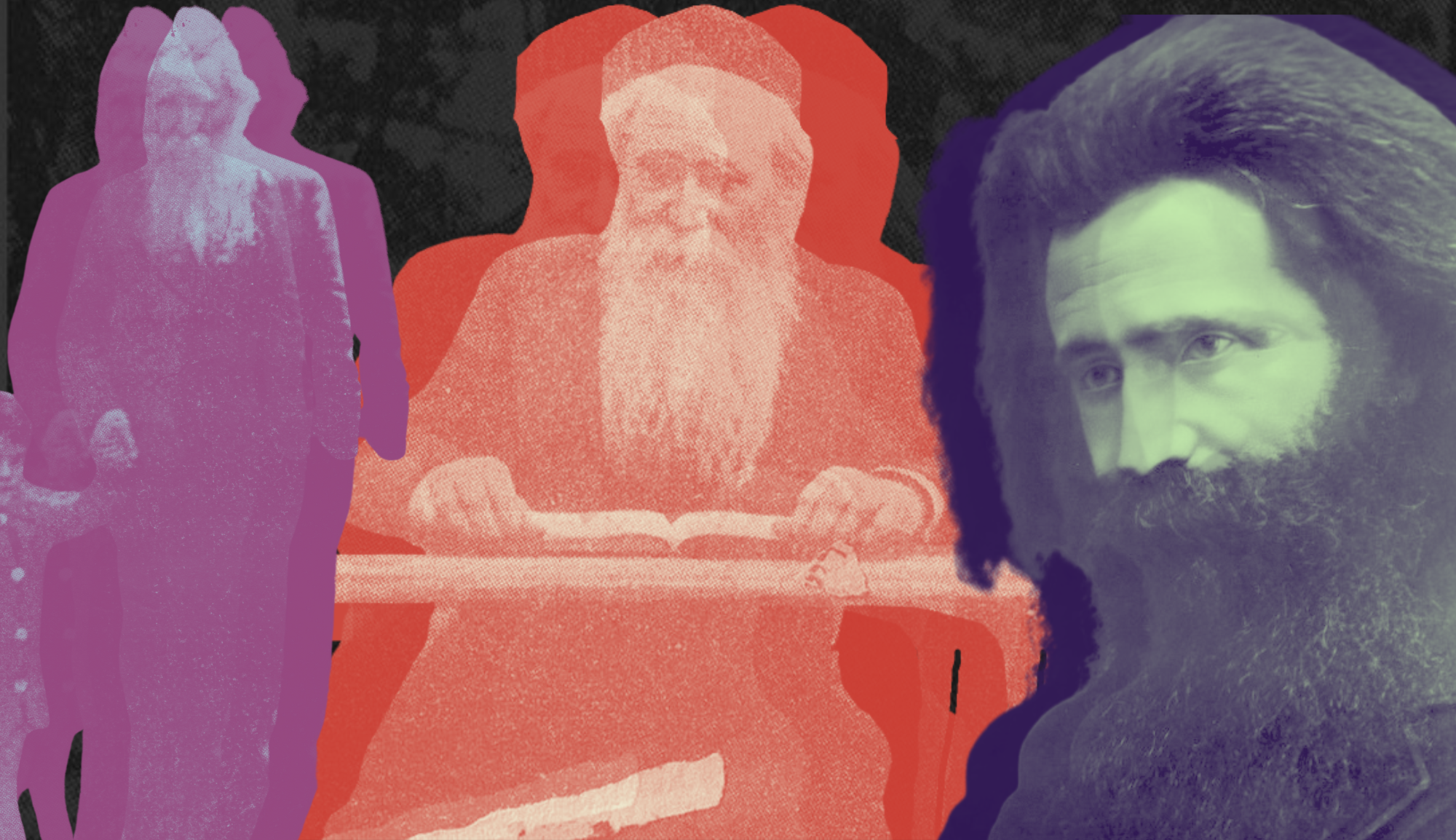
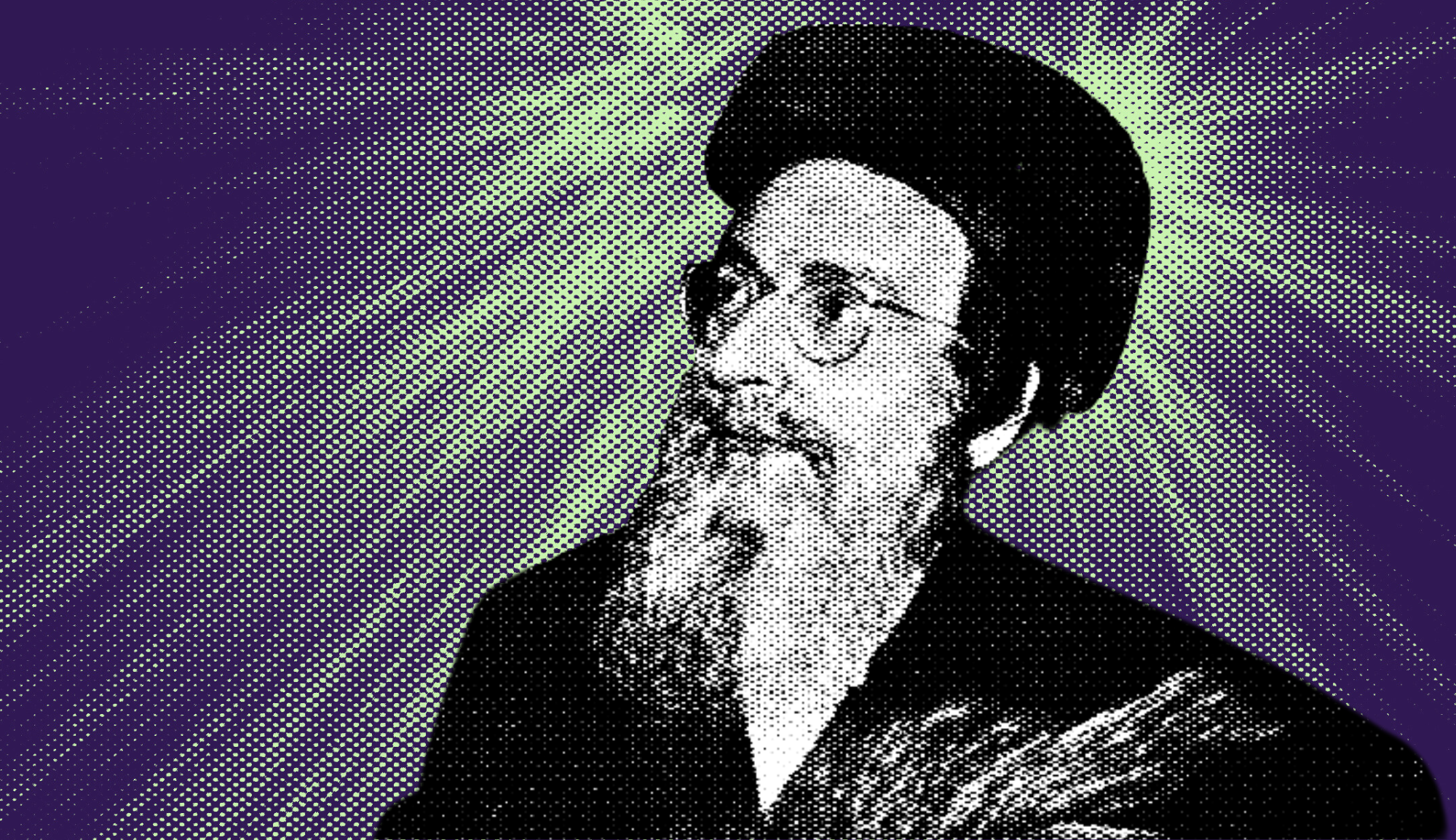
Rabbi Yehuda Leib Halevy Ashlag (1884-1954), known as the Ba’al Ha-Sulam, had a vision to build a ladder (sulam) that would elevate beyond confusion and allow us to connect with and become more than our limited persona. He saw a future in which the Zohar, the teachings of the Arizal, and other fundamental mystical sources could be a guide toward the ideal sense of self, the ideal family, and even the ideal society. Through his radical spiritual promise, even our impure and broken parts could be transformed into tools for revealing God’s plan and perfection.
Rav Ashlag understood that it was precisely at this moment in history that this eternal mission became more urgent than ever: “Now I feel with all six hundred and thirteen parts of my being, that all the promises of the Zohar regarding the revelation of this wisdom at the end of days, even for the youth, were said regarding this generation.”
The innermost teachings, pnimiyut ha-Torah, were entrusted to a select few for two thousand years, until our generation, when more expansive access was granted in order to heal our fragmented world. He saw the Holocaust and its associated darkness as so cataclysmic that it necessitated healing through the teachings of the inner dimension, hitherto unrevealed to this extent, and explained that the proper response to radical evil was revealing radical goodness, and pnimiyut ha-Torah could chart a path.
Rav Ashlag, among others, identified our generation as the one that can merit the end of conflict and history as we know it, heralding the messianic redemption. One key stepping stone lay in the fact that “the Zohar will bring them out of exile in mercy.” This redemption was not just for the world that contains each person, but for each person’s world. The study of the Zohar empowers an individual to extract themselves, “like an ark floating within the waters of a flood, a city of refuge for one being chased.” That is why my organization, Share, worked to translate his introduction to the Zohar into English.
This book is thus an expression of his life mission: to hasten the redemption. That means bridging from one space to another, from the reality that is, to the reality that ought to be. It means striving to become a ladder, “standing firmly on the ground with his head reaching the heavens.”
This great vision of Rav Ashlag took time for the world to process, and its influence continues to take shape as more and more people internalize its meaning and message. According to the tradition held by Rav Ashlag’s students, his task was to ultimately complete the spiritual project of the saintly individuals of the past. His legacy was not to shy away from paradox, but to show the wholeness which is too often concealed beneath conflict and confusion. In this sense, he is a ladder between the worlds of giving and receiving, mystics and rationalists, Hasidim and their Lithuanian counterparts, heavens and earth.
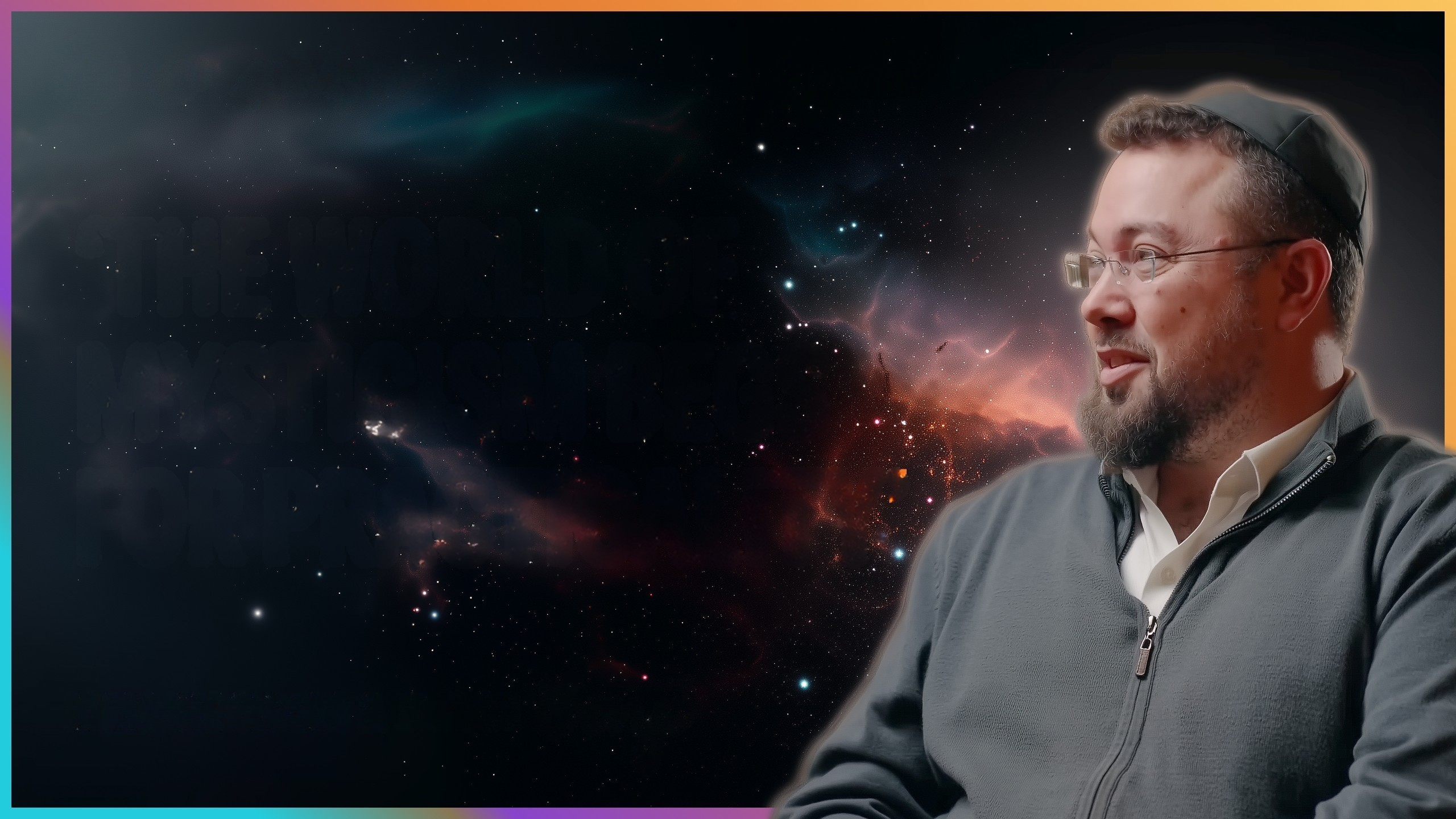
Rabbi Dr. Benji Levy is the CEO of Share and has founded several initiatives, including Dreaming Bigger and Israel Impact Partners. He has served as CEO of Mosaic United and Dean of Moriah College, and lives in Jerusalem with his wife and four children.
Adapted from the introduction of The Zohar: With the Commentary of Rabbi Yehuda Ashlag. Published by Koren Publishers Jerusalem Ltd., an imprint of Koren Publishers. Copyright © 2025.