

Your 18Forty Parsha Guide is a weekly newsletter exploring five major takeaways from the weekly parsha. Receive this newsletter every week in your inbox by subscribing here. Questions or feedback? Email Rivka Bennun Kay at Shabbosreads@18forty.org.
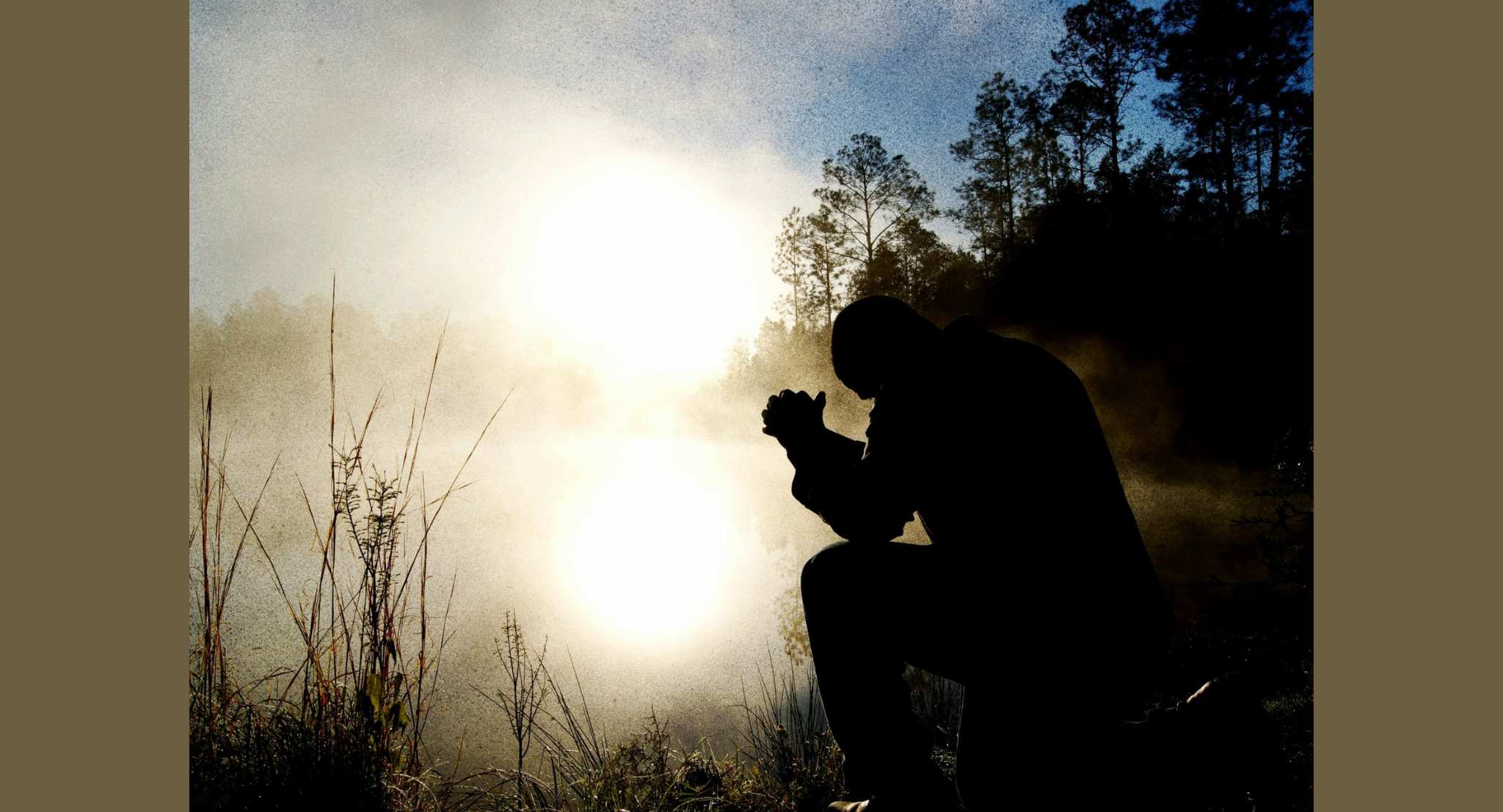
A father in his mid-fifties keeps Shabbat, holds a graduate degree, and works in a secular field that has nothing to do with his davening. Every weekday morning he walks into shul and stands for the silent Amidah, and for nearly a decade now he has added the same private line, asking that his adult child marry a Jewish person and build a Jewish family, however the family ends up defining that home. Nothing decisive has happened in those ten years. No answer has come in either direction, and tomorrow morning he will stand and ask again.
Parshat Va’etchanan opens with Moshe telling the assembly that he pleaded with God at that time, using the verb va’etchanan, a Hebrew root for pleading for grace, the same verb the father is using every weekday morning. Moshe asked God to let him cross the Jordan and see the good land, asked for it more than once, and waited for an answer. God’s reply was “rav lach,” enough on this matter, do not speak to Me about it again. Moshe received a definitive answer that morning, and the answer was no.
What the father is doing has a name in the tradition, and Moshe uses that name in the very first verse of the parsha. The father has not received the kind of clear no Moshe received. A definitive yes ends the asking by giving the davener what he wanted. A definitive no ends the asking by telling the davener it is over. Va’etchanan is the parsha for the davener who has received neither.
1. The Verb at the Parsha’s Opening
Rashi reads the verb va’etchanan as a particular kind of asking. He draws on the Sifrei, which lists 10 Hebrew terms the rabbis used for prayer, and chinun is the one a person uses when asking for an unearned gift, with no claim to make and no record of observance to point to. Rashi notes that even Moshe, who had led the people out of Egypt and through 40 years of wilderness, came before God in chinun, as someone with nothing to invoice. A davener using chinun asks for a gift, not for a wage owed. Moshe uses chinun in the parsha’s first verse, and every davener who opens the parsha inherits that example.
Every weekday morning, the father is praying chinun in his Amidah. He is asking again, without claim, without demand, without offering anything in exchange. In Give and Take, Adam Grant calls this kind of speech powerless communication—the speech of someone who explicitly does not claim authority over the listener and does not know whether the answer will be yes. Grant’s research is on negotiation and persuasion, not prayer, but the structural fit is exact, since chinun is the verb the rabbis attached to asking that does not pull rank, does not invoke a record, and does not pretend to compel. He is not bargaining with God, and he is not piling up credit for the answer he wants. He is asking in chinun, the same Hebrew word Moshe uses in the parsha’s opening verse.
RELATED: Who Wrote the Siddur?
Reading Rashi this way, neither Moshe nor the father bought a yes by asking. 10 years in, the father has not been told yes and has not been told no, and the question he carries into shul every weekday morning is what those 10 years of unanswered asking have actually done. Before he can answer the question for himself, the davener should see what a clear no looks like when one arrives. The first such no is the one Moshe heard at Va’etchanan.
2. Two Cases of a Clear No
In the beginning of the parsha, Moshe pleads with God for permission to cross the Jordan and see the good land. One verse later, God answers “rav lach,” and Moshe tells the assembly the words mean he must stop asking on this matter. Rashi reads “rav lach” as the end of the conversation, not a delay and not an invitation to keep pushing. Or HaChaim, an 18th-century commentator, reads Moshe’s pleading as built on a specific hope, that the conquests of Sichon and Og had lifted the original decree against his entry. The hope turns out to be wrong, and Moshe is told he would not enter the Land of Israel.
RELATED: We Live in a World of Words and Letters
Rachel Goldberg-Polin and Jon Polin describe 11 months of public prayer and public advocacy for their son Hersh’s return. Hersh was kidnapped from the Nova festival on October 7, 2023, and his parents spent the next 11 months asking, in public and in private, for his life. They spoke at every press conference, at the United Nations, at the Republican convention and the Democratic convention, in every space that would let them speak. In late August 2024, Israeli forces found Hersh’s body in a tunnel in Rafah. He had been killed in captivity weeks before the news reached his parents. The Goldberg-Polins received the answer they had spent 11 months praying would not come, and there was nothing more to ask on this question.
Moshe and the Goldberg-Polins are different in almost every respect. They are different in time, in stakes, in what each was actually asking for, and in the kind of life that hung on the answer. But both pleaded, both received a reply, and after that reply the asking was over on the question they had brought. Pauline Boss, the family therapist who developed the concept of ambiguous loss, distinguishes what families face when the question has been answered, which she calls definitive loss, from what families face when the question has not resolved, which she calls ambiguous loss. Moshe and the Goldberg-Polins are inside the first category. The father is inside the second. A clear no closes the matter the way a clear yes closes it, and the davener at least knows what to do next, even when knowing is the worst thing in the world. The Goldberg-Polins’ grief is not the father’s grief, and Moshe’s death at the foot of Mount Nebo is not the father’s loss either. The comparison has one job. The davener needs to see what a definitive answer looks like before he can recognize the absence of one.
The father has received neither answer. He started a conversation with God 10 years ago, and no reply has come that would end it.
3. The Open Loop
What the father is living inside, in Boss’s secular vocabulary, is ambiguous loss. Boss’s clinical work on ambiguous loss is on families with a kidnapped child, a missing soldier, a parent with dementia who is present in body and unrecognizable in mind. Her later books extend the concept to other forms of unresolved grief, including the kind a parent carries when a child has chosen a different path and the question of return has not closed. The father’s situation is the same. He has not lost his child, he has not been told he will, and he goes on davening into the unresolved.
Rabbi Abraham Joshua Heschel, in Man’s Quest for God, names the same position from the spiritual register. Heschel reads prayer as the most exposed thing in a person’s life, the one place where a Jew gives up control of the outcome and still keeps talking. The davener has no contract, no power to compel anything, and no way to make any of his requests produce a result. The father’s 10 years of unanswered requests are what that exposure looks like in someone’s actual weekday, five mornings a week, with no protection if no answer ever comes.
RELATED: What Prayer Means to Me
Dr. Samuel Lebens describes the philosophical puzzle inside that exposure: a Jew who believes God already knows what he is going to ask, and already knows the answer, still opens his mouth and asks. Debbie Stone, who teaches prayer to students who already know prayers can go unanswered, has spent her career on that same practical question.
Rav Dov Singer teaches that the daily practice of prayer is staying in conversation with God whether or not an answer has come. The father has been staying in that conversation for nearly a decade, and tomorrow he goes back to shul to keep building it.
4. What the Davening Is Doing
10 years of weekday davening have done something to the father, even though nothing has yet changed in his child’s life. Rabbi Joseph B. Soloveitchik, in Worship of the Heart, reads prayer as the daily conversation a Jew has inside his existing covenant with God, not as a way to change God’s mind. According to Rav Soloveitchik, what changes when a person prays is the person who is praying, not the decision God is making. A skeptical reader will hear this and call it therapy dressed up as religion, a clever way to avoid the question whether prayer reaches God at all. Rav Soloveitchik’s answer to that objection is that the relationship is real, the covenant is real, and the davening shapes the davener inside that real relationship, not in a private therapy session of one.
In The Awakened Brain, psychologist Lisa Miller summarizes 20 years of MRI and longitudinal research on what sustained spiritual practice does to a person’s brain over time. Her central finding is that people who keep up a serious spiritual practice over years develop measurably different patterns in the parts of the brain that handle attention, regulation, and resilience under stress. Miller is not arguing prayer changes God’s mind. She is arguing that 10 years of weekday Amidah is doing something measurable to the davener every morning, even before the question of whether God ever answers.
Miller’s brain imaging has a parallel in ethnography. The anthropologist Tanya Luhrmann found in How God Becomes Real that what makes prayer feel real to the praying person is not theological argument but repeated practice over time. Joey Rosenfeld makes the same claim from inside the Jewish mystical tradition, reading prayer as a real meeting with God rather than as the moment God hands down a verdict on what the davener asked for. Every time the father has stood for the Amidah these 10 years, he has stood in front of the God he addresses, and the meeting has happened, whether or not anything ever comes of the request.
RELATED: Navigating Faith Without Visible Signs
Rav Soloveitchik, Miller, Luhrmann, and Rav Joey describe, in four different vocabularies, a habit of asking that does not depend on getting what he asked for. Chinun keeps going whether God says yes, says no, or says nothing at all.
5. Tomorrow Morning
Rachel Goldberg-Polin and Jon Polin describe what their davening has looked like after Hersh’s death. They have kept praying every day. They have kept being a Jewish family. They have kept the conversation with God open after the worst had happened to their family. What they describe is not closure and not a return to anything resembling whole. Psychologist George Bonanno found in The Other Side of Sadness that this pattern—continuing meaningful practices, retaining relationships, and adapting to a changed reality without denying any of the grief—is the most common response to a clear no rather than the rare exception. Bonanno is careful to note that resilience is not denial. The Goldberg-Polins are not asking the davener who is reading this to find a gentler answer than the one they were given.
In Covenant & Conversation, Rabbi Jonathan Sacks returns to the themes of Moshe’s leadership and persistence across the parsha and the rest of Devarim. Moshe teaches the Shema in the very next chapter. He teaches the laws across the rest of Devarim. He blesses the tribes. He climbs the mountain when the day comes. The parsha shows the davener how to keep going after the answer the davener wished had come differently, by doing the next thing the day asks for and the one after that.
The father will walk into shul tomorrow morning. He will stand for the silent Amidah. He will add the same private line. He has not earned a yes, he has not been told no, and he is asking in chinun, the same verb Moshe uses to open the parsha. The davening has not failed while he waits, and he has not closed the conversation he started 10 years ago. Tomorrow he will daven again.
Questions for Reflection
- What is the one line you have been adding to your own davening for years, and what has it cost you to keep adding the line?
- Have you been taking the absence of an answer as a no? What would change in your davening tomorrow if you took it as neither a yes nor a no?
- What does the verb va’etchanan ask of you that the petition you have been making does not yet ask?
This project is made possible with support from the Simchat Torah Challenge and UJA-Federation of New York. Learn more about the Simchat Torah Challenge and get involved at their website.