


Begin exploring
today’s
biggest Jewish
questions…
×

Red Flags: A Conversation with Shalom Task Force Featuring Esther Williams and Shana Frydman
We have a deeply moving conversation on the topic of red flags in relationships.

Summary
This episode is sponsored by Esther & Jerry Williams in honor of all those who support Shalom Task Force.
If you are in crisis please reach out to the Shalom Task Force Hotline at 888-883-2323.
On this episode of 18Forty, we have a deeply moving conversation on the topic of red flags in relationships. We speak with Esther Williams and Dr. Shoshannah Frydman from Shalom Task Force, and one person who extricated herself from an abusive relationship. The dynamics of relationships, whether healthy, unhealthy, or anywhere in between are complex, and we set out to better our understanding of the signs of relational abuse. Whether or not you have personally struggled with the issues we discuss here, we are all better off when we are more informed about the what and why of relational health, so tune in now.
In this interview, we discuss:
- What are the signs of an unhealthy relationship?
- How can we foster understanding and awareness of the dynamics of healthy and unhealthy relationship dynamics from an earlier age?
- What are the steps one can take to extricate themself or heal from a challenging relationship?
First interview begins at 10:35
The Shalom Task Force, Inc (STF) is a non-profit community organization that aims to combat and prevent domestic violence and foster safe and healthy relationships and families. The STF focuses on helping those in the Jewish community that may not have access to traditional services and that need culturally sensitive programming. The STF runs a free, anonymous hotline that helps individuals find the services they need, provides assistance through legal services, supportive counseling, and referral information, and offers prevention and psychoeducational workshops, trainings, and community programs to increase awareness of relationship abuse and promote healthy relationships.
Dr. Shoshannah Frydman, PhD, LCSW is the executive director of Shalom Task Force. Dr. Frydman is a trauma-informed therapist and advocate who has worked in the field of domestic abuse and family violence in the Jewish community for close to 20 years. Dr. Frydman co-chairs the UJA Taskforce on Family Violence, and was recently appointed to the New York City Mayor’s Office to End Domestic and Gender-Based Violence COVID-19 Response Group. Dr. Frydman previously served as the managing director of Family Violence and Social Services at the Met Council. Dr. Frydman received her MSW from the University of Maryland School of Social Work and her PhD at the Graduate Center of the City University of New York/Hunter College Silberman School of Social Work.
Esther Williams is the President of the Shalom Task Force and a past board member and executive vice president of the Orthodox Union.
References:
“Dealbreakers Talk Show #0001” on 30 Rock
National Domestic Abuse Hotline
“The Quick Shift: Orthodox Jewish Women’s Early Marital Sexual Experience” by Shoshannah D. Frydman
“Tradition and Transition. Orthodox Women’s Experience with Kallah Classes and Early Marital Intimacy” by Shoshannah D. Frydman
The Greatest Average American by Nate Bargatze
Shalom Task Force Guides and Educational Materials
I’m so Confused, Am I Being Abused? Guidance for the Orthodox Jewish Spouse and Those Who Want to Help by Lisa G. Twersky
Speak by Laurie Halse Anderson
Why Does He Do That?: Inside the Minds of Angry and Controlling Men by Lundy Bancroft
Invisible Chains: Overcoming Coercive Control in Your Intimate Relationship by Lisa A. Fontes
No Visible Bruises: What We Don’t Know About Domestic Violence Can Kill Us by Rachel Louise Snyder
Recommended Podcasts
podcast
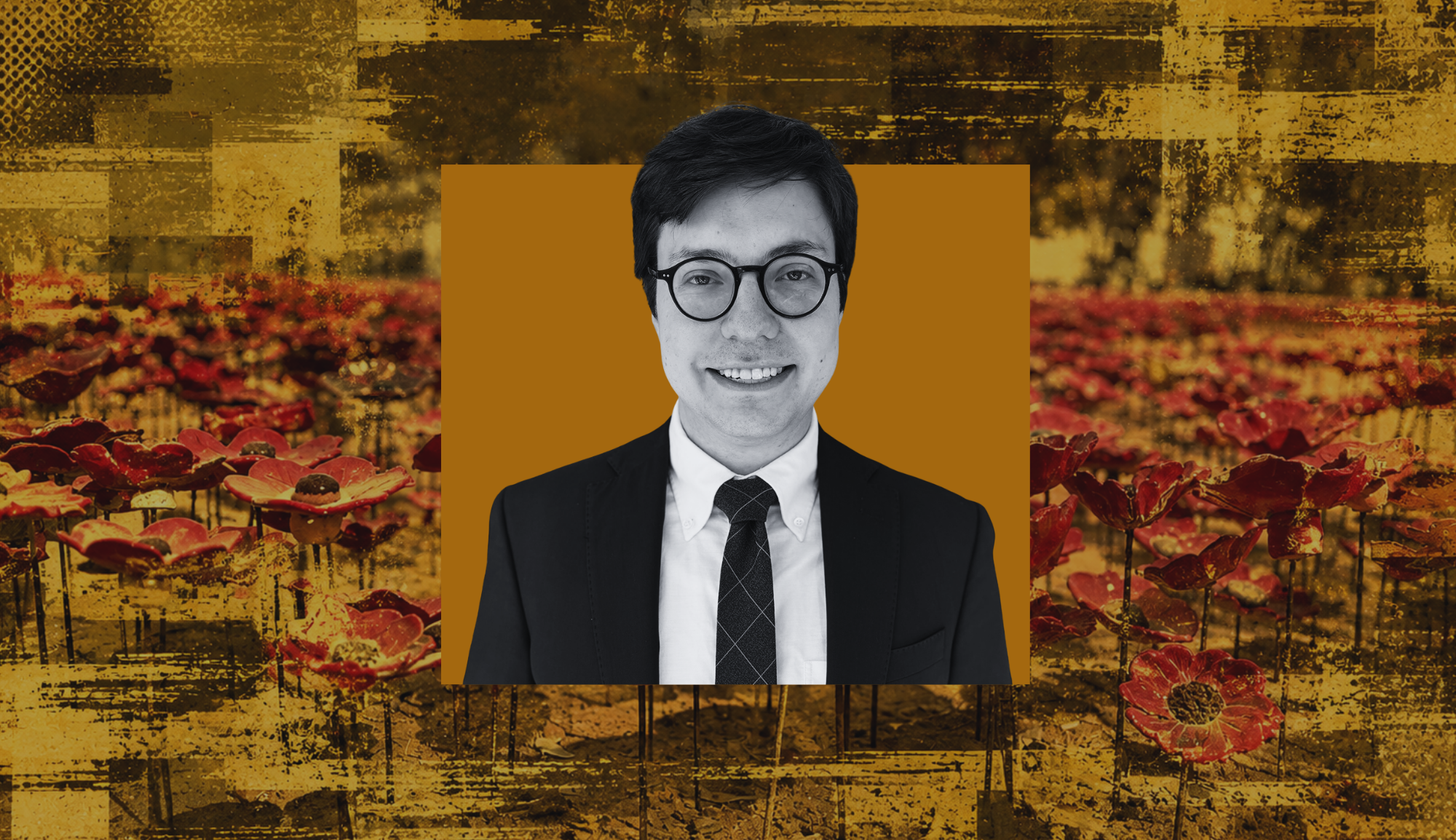
Elliot Kaufman: October 7 and What Came After
We talk to Elliot Kaufman about what happened inside Israel’s war room after October 7 and how Israel came to lose the battle over its own story.
podcast
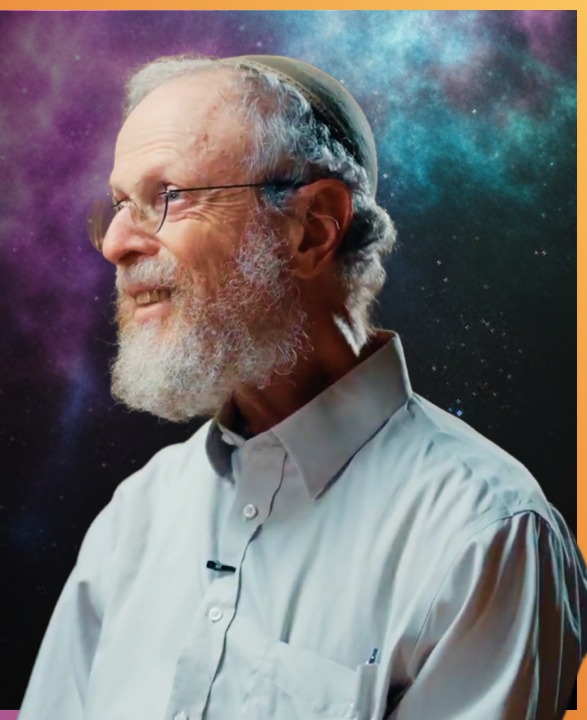
Meir Sendor: ‘God is manifest in plain sight’
Rabbi Dr. Meir Sendor joins us to discuss prayer, human will, and the dangers of mysticism.
podcast
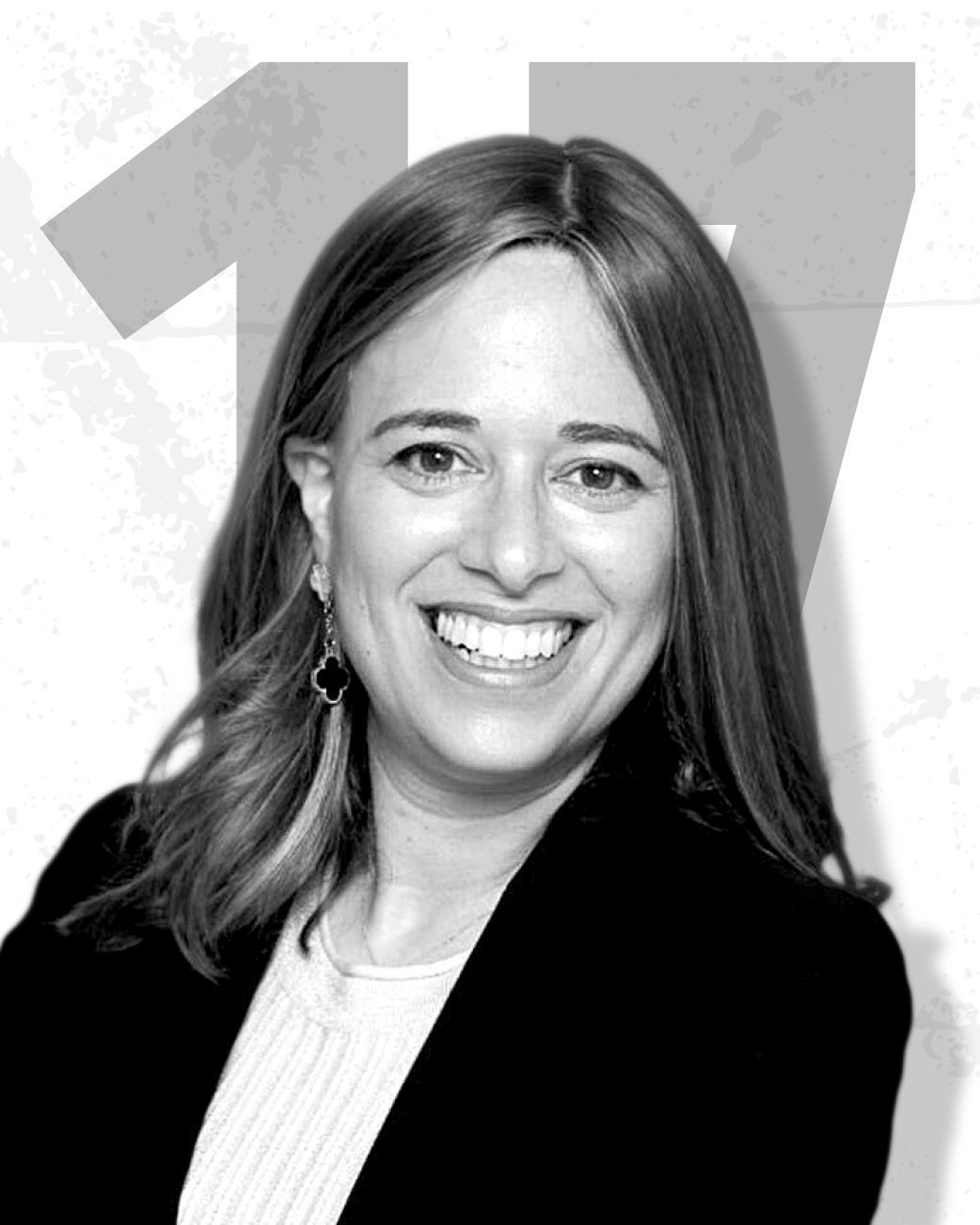
Nechumi Yaffe: ‘I hate the idea that we are being killed and need to kill’
As a Haredi woman of the Israeli left, Nechumi Yaffe lives between a few different worlds—and she feels at home in Israel’s new “Religious Left” movement.
podcast
Micah Goodman: ‘I don’t want Gaza to become our Vietnam’
Micah Goodman doesn’t think Palestinian-Israeli peace will happen within his lifetime. But he’s still a hopeful person.
podcast
Efraim Palvanov: ‘Every person can be the Messiah’
Efraim Palvanov answers questions on misinformation, prayer as self-reflection, and every Jew’s role in bringing Mashiach.
podcast
Haviv Rettig Gur: ‘Hamas is upset the death toll in Gaza isn’t higher’
Haviv answers 18 questions on Israel.
podcast
Rav Moshe Weinberger: Can Mysticism Become a Community?
In this episode of the 18Forty Podcast, we sit down with Rav Moshe Weinberger, rabbi and educator, to discuss the role of mysticism in modern-day Judaism.
podcast
When a Parent Becomes Estranged
In this episode, we talk to a father and daughter who were estranged and then reunited.
podcast
YY Jacobson: The Teshuva of Coming Back to Yourself
We talk to Rabbi YY Jacobson about how each of us can experience redemptive consciousness by feeling Hashem’s infinite love and presence in this moment.

podcast
Kayla Haber-Goldstein: Questioning the Answers: Rebuilding Your Faith
On this episode of 18Forty, we have a frank conversation with author Kayla Haber-Goldstein about her personal, painful journey to find God.

podcast
Why 1840?
In this episode of the 18Forty Podcast, we sit down for a special podcast with our host, David Bashevkin, to discuss the podcast’s namesake, the year 1840.
podcast
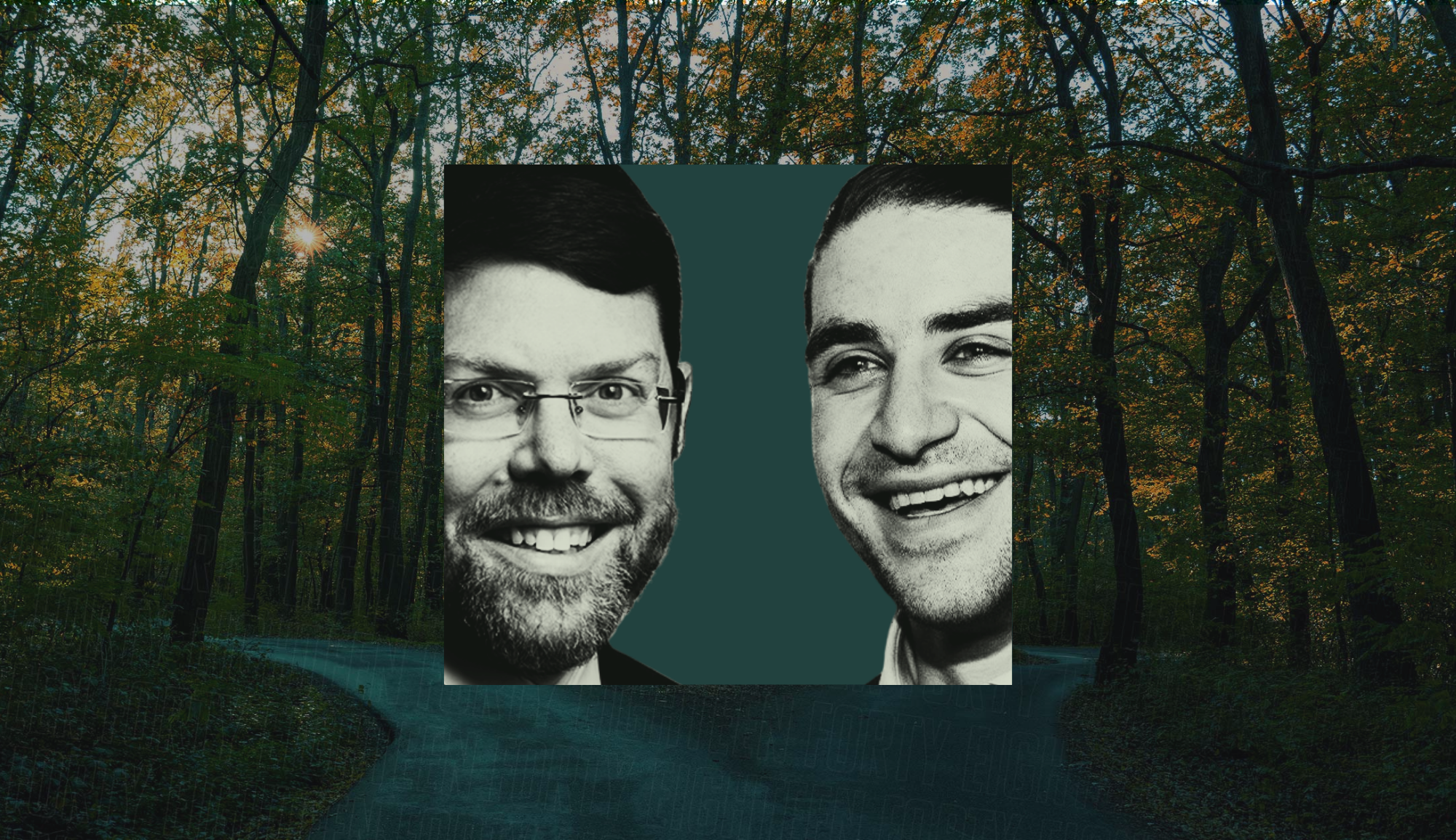
Menachem Penner & Gedalia Robinson: A Child’s Orientation
In this episode of the 18Forty Podcast, we talk to Rabbi Menachem Penner—dean of RIETS at Yeshiva University—and his son Gedalia—a musician, cantor-in-training, and member of the LGBTQ community—about their experience in reconciling their family’s religious tradition with Gedalia’s sexual orientation.

podcast
Bruce Feiler: The Stories That Bind Us
In this episode of the 18Forty Podcast, we talk to author Bruce Feiler about family narratives.
podcast
Joey Rosenfeld: Can Mysticism Heal Us?
In this episode of the 18Forty Podcast, we sit down with Joey Rosenfeld, social worker and kabbalist, to talk about the differences between mysticism and rationalism and the roles they should play in our lives.

podcast
David Bashevkin: My Mental Health Journey
In this episode of the 18Forty Podcast, David Bashevkin opens up about his mental health journey.

podcast
Seforim Chatter x 18Forty: How Jewish History Changes the Way We Learn Torah
Dovid Bashevkin and Nachi Weinstein discuss the ideas behind Bashevkin’s book ‘I Read This Over Shabbos.’
podcast
Yehoshua Pfeffer: ‘The army is not ready for real Haredi participation’
Rabbi Yehoshua Pfeffer answers 18 questions on Israel, including the Haredi draft, Israel as a religious state, Messianism, and so much more.
podcast
Dr. Ora Wiskind: How do you Read a Mystical Text?
In this episode of the 18Forty Podcast, we sit down with Dr. Ora Wiskind, professor and author, to discuss her life journey, both as a Jew and as an academic, and her attitude towards mysticism.

podcast
Michael Eisenberg: Iran, USA, Israel: What Comes Next
We talk to Michael Eisenberg about the state of the Jewish People in Israel and the diaspora.
podcast
Shmuel Braun: ‘When it comes to God, I’m the object and God is the subject’
Rabbi Shmuel Braun joins us to discuss spirituality and free will.
podcast
Aliza and Ephraim Bulow: When A Spouse Loses Faith
In this episode of the 18Forty Podcast, we talk to Aliza and Ephraim Bulow, a married couple whose religious paths diverged over the course of their shared life.

podcast
Michael Oren: ‘We are living in biblical times’
Israel is a heroic country, Michael Oren believes—but he concedes that it is a flawed heroic country.
podcast
Gedale Fenster: ‘Focus on the message, you won’t stay in the mess’
Gedale Fenster joins us to discuss how to live a life of unshakeable faith and joy.
podcast
The Dardik Family: A Child Moves Away From Zionism
In this episode of the 18Forty Podcast, we talk to Judah, Naomi, and Aharon Akiva Dardik—an olim family whose son went to military jail for refusing to follow to IDF orders and has since become a ceasefire activist at Columbia University—about sticking together as a family despite their fundamental differences.
Recommended Articles

Essays
Can Morality Be Trained?
Silicon Valley promises ethical AI. But do we even know how to raise ethical children?
Essays
Hiding in Plain Sight: Raising an Orthodox Family While Being Agnostic
At some point, my husband and I will need to tell my children that I’m agnostic. But for now, we’re focused on…
Essays
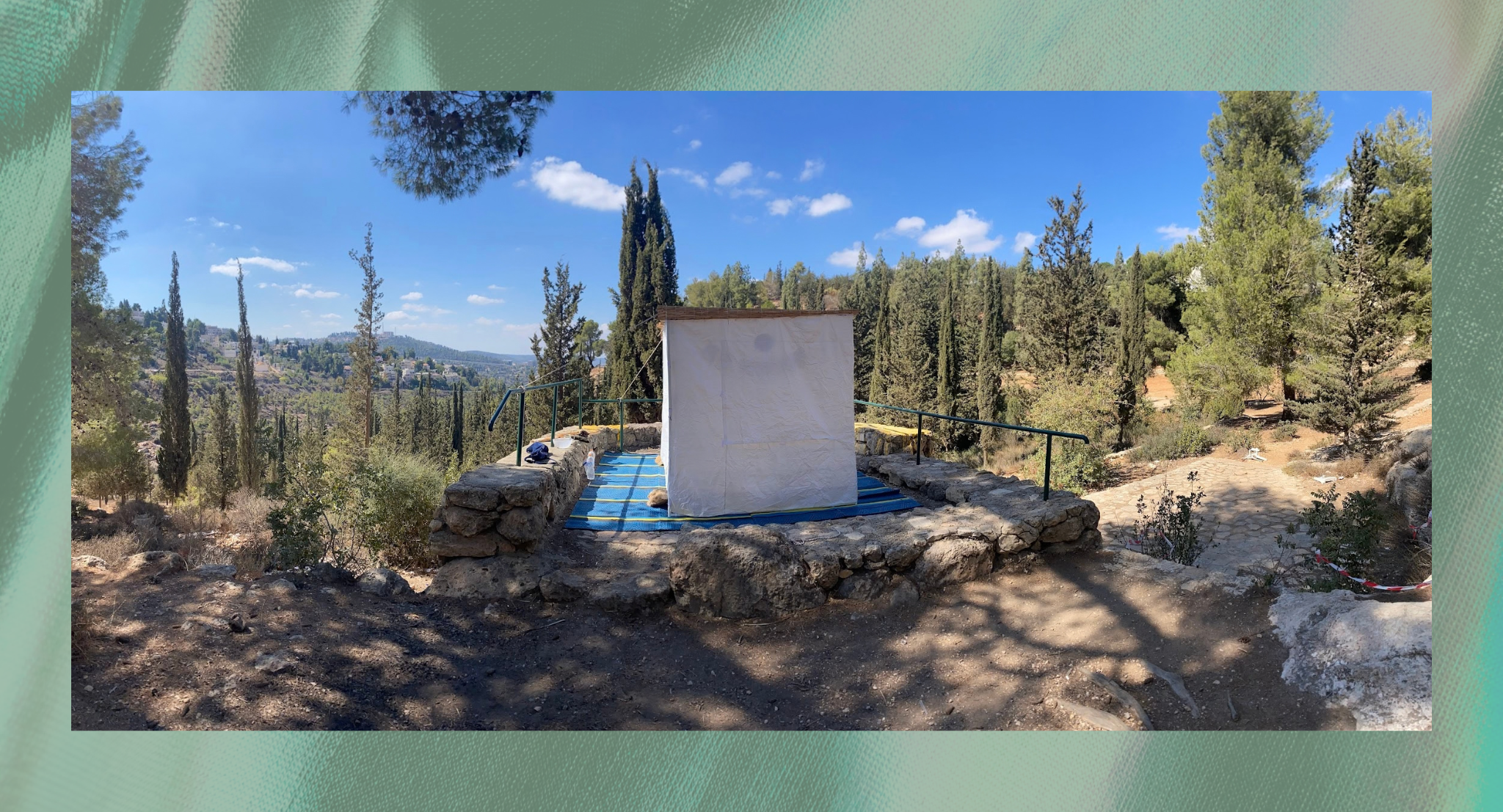
Barefoot in Uncertainty: Reflections on Sukkot and Psychotherapy
What temporary spaces can reveal about attention, exposure, and the experience of not knowing.

Essays
3 Arguments for God’s Existence
Perhaps the most fundamental question any religious believer can ask is: “Does God exist?” It’s time we find good answers.

Essays
The Mind of God and the Order of the Cosmos
Five takeaways from Parshat Bereishit—and what they reveal about faith and science

Essays
A New, Illustrated Midrash on the Beginning
Koren’s latest Tanakh Graphic Novel brings a fresh midrashic lens to Bereshit and Noach.
Essays
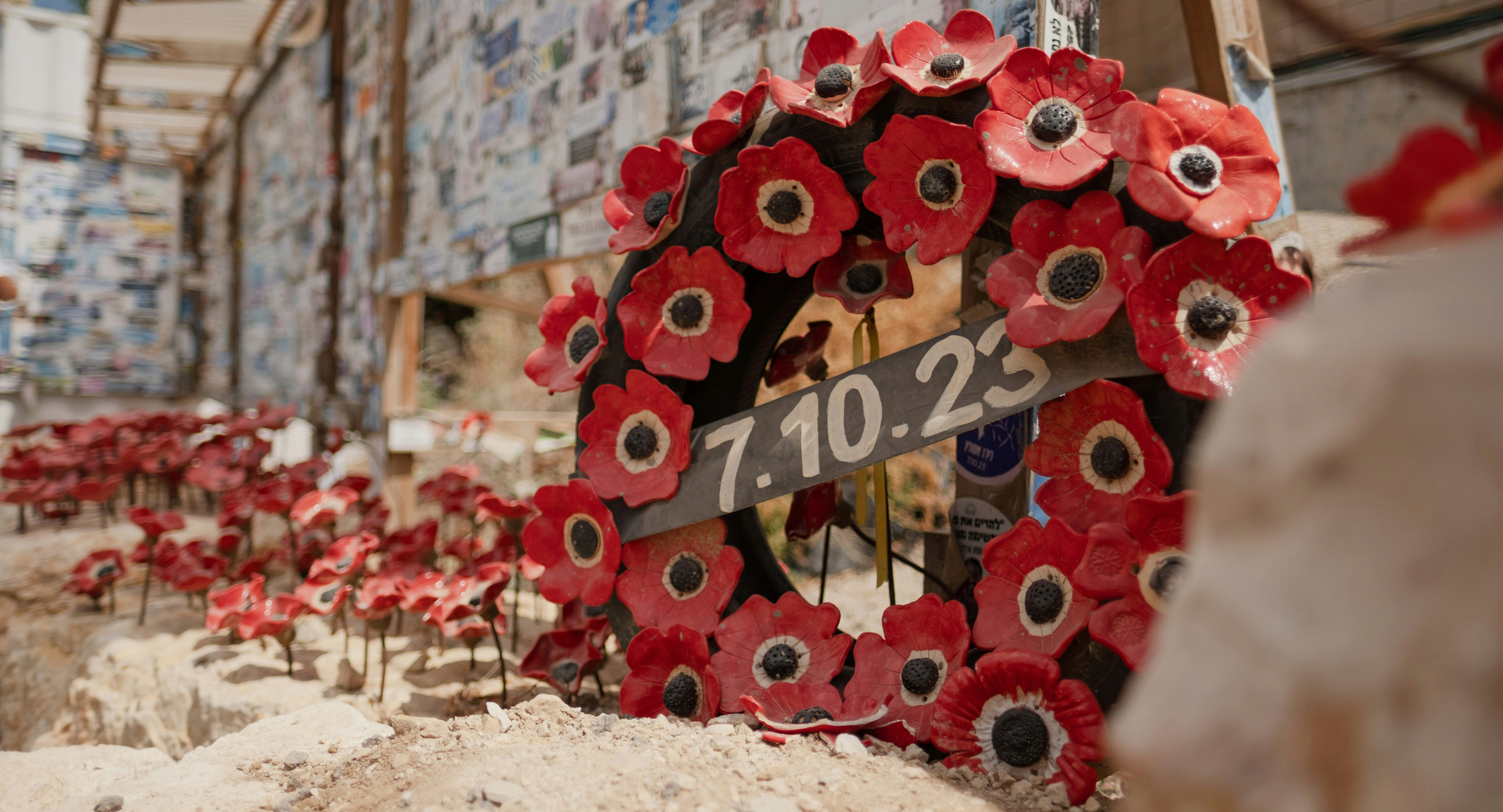
Writing the Unspeakable: October 7 in Jewish Novels
Can Jewish fiction make sense of October 7?

Essays
What Jewish Peoplehood Means to Me
The connections and collectiveness of the Jewish People become clearer when we break down the barriers that we think divide us.
Essays
Diving Into The World of Mysticism
Joy and meaning can be found not only despite the brokenness, but even because of the brokenness.

Essays
A Brief History of Jewish Mysticism
To talk about the history of Jewish mysticism is in many ways to talk about the history of the mystical community.
Essays
Between Modern Orthodoxy and Religious Zionism: At Home as an Immigrant
My family made aliyah over a decade ago. Navigating our lives as American immigrants in Israel is a day-to-day balance.

Essays
(What) Do Jews Believe About the Afterlife?
Christianity’s focus on the afterlife historically discouraged Jews from discussing it—but Jews very much believe in it.
Essays
The Israeli Peace Activist and Religious Leader You Need to Know
Rav Froman was a complicated character in Israel and in his own home city of Tekoa, as people from both the right…

Essays
A Letter to Children Estranged From Their Parents
Children cannot truly avoid the consequences of estrangement. Their parents’ shadow will always follow.
Essays
Why Is Meir Kahane Making a Comeback Among Orthodox Jews?
Israeli minister Itamar Ben-Gvir wears the mantle of Kahane in Israel. Many Orthodox Jews welcomed him with open arms.
Essays
‘Are Your Brothers To Go to War While You Stay Here?’: On Haredim Drafting to the IDF
A Hezbollah missile killed Rabbi Dr. Tamir Granot’s son, Amitai Tzvi, on Oct. 15. Here, he pleas for Haredim to enlist into…

Essays
‘Don’t Wait as Long as I Did’: Seven Stories of Aliyah
A 94-year-old Holocaust survivor, a lone soldier, and more. Here are seven olim sharing their stories of aliyah.
Essays
A Letter to Parents of Intergenerational Divergees
Children don’t come with guarantees. Washing machines come with guarantees.
Essays
How Archaeology Rewrote the History of Tefillin
From verses in Parshat Bo to desert caves, tefillin emerge as one of Judaism’s earliest embodied practices.

Essays
It’s Not About Kahane. Here’s Why Jews Support Ben-Gvir
Their motivations are not ideological extremism but a basic survival instinct to protect their families from the past’s failed paradigms.
Essays
5 Ways Atonement Works (Even When the Text is Hard)
In Acharei Mot-Kedoshim, we learn that holiness requires moving beyond the letter of the law to its spirit.
Essays
Do We Care Too Much? Furor Sanandi and Our Desire to Heal
From Freud through today, our desire to heal asks us to consider why we care so badly—and maybe if it’s hindering the…

Essays
Is Israel the Future of Judaism? Israeli and Diaspora Jews Weigh In.
Israel is clearly important to Jews. The question becomes: To what extent?
Recommended Videos


videos
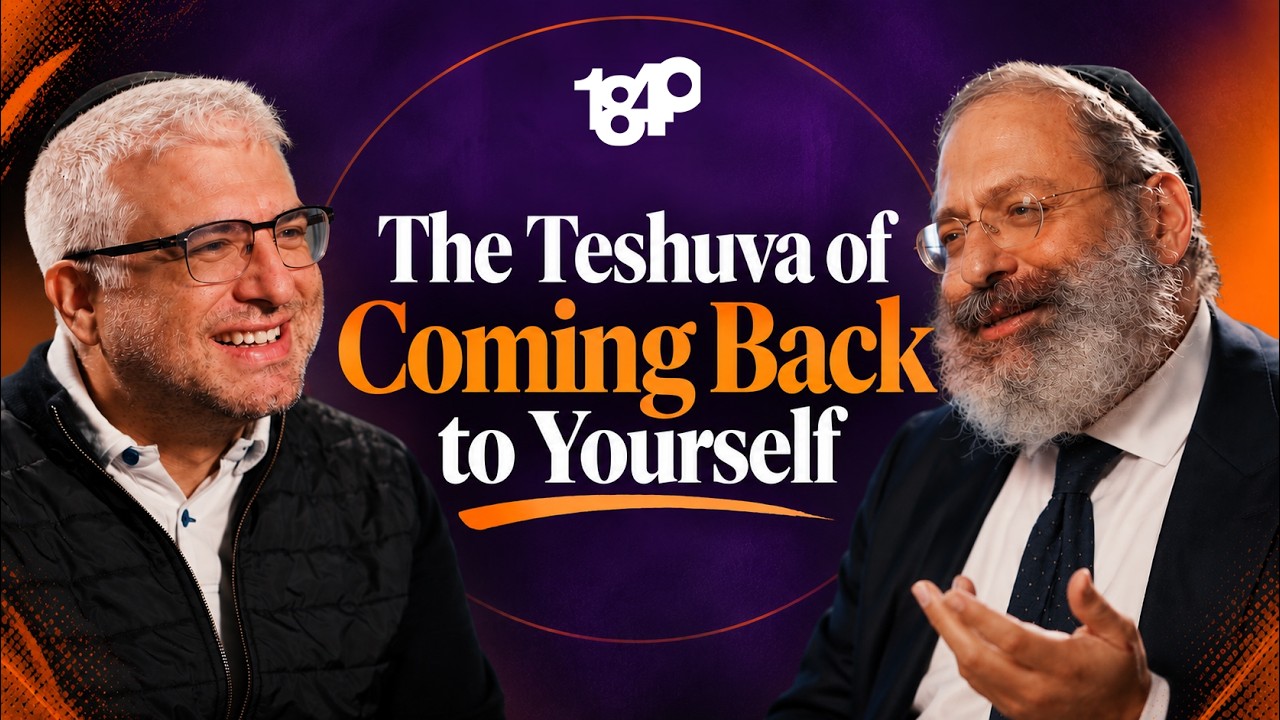
YY Jacobson: The Teshuva of Coming Back to Yourself
In this episode of the 18Forty Podcast, we talk to Rabbi YY Jacobson, one of the foremost online teachers of Torah, about…
videos
Intergenerational Divergence
videos
Liel Leibovitz: Why the Talmud Is So Hard To Love—and Worth Loving
In this episode, Liel Leibovitz reflects on falling in love with the Talmud precisely because it is so difficult—and on how its…

videos
Jonathan Rosenblum Answers 18 Questions on the Haredi Draft, Netanyahu, and a Religious State
Talking about the “Haredi community” is a misnomer, Jonathan Rosenblum says, and simplifies its diversity of thought and perspectives. A Yale-trained lawyer…

videos
Jewish Peoplehood
What is Jewish peoplehood? In a world that is increasingly international in its scope, our appreciation for the national or the tribal…



videos
Torah Study and ChatGPT: How Should Jewish Education Respond to AI?
On this 18Forty panel, we speak with Alex Jakubowski of Lightning Studios, Sara Wolkenfeld of Sefaria, and Ari Lamm of BZ Media…
videos
An Orthodox Rabbi Interviews a Reform Rabbi | Dovid Bashevkin & Diana Fersko
In this episode of the 18Forty Podcast, we speak with Diana Fersko, senior rabbi of the Village Temple Reform synagogue, about denominations…
videos
Etan Epstein: New Journeys in Torah Learning
In this episode of the 18Forty Podcast, we talk to Rabbi Etan Epstein, the founder of The 300 Club, a program of…

videos
A Vulnerable Conversation About Shame, Selfhood, & Authenticity with Shais Taub & David Bashevkin
In this episode of the 18Forty Podcast, we speak with Shais Taub, the rabbi behind the organization SoulWords, about shame, selfhood, and…
videos
Why Naftuli Moster Left Haredi Education Activism
We speak with Naftuli Moster about how and why he changed his understanding of the values imparted by Judaism.
videos
Why Be a Believer?
We talk to author and theoretical physicist Berel Leib Epstein about rational reasons to choose to believe in Judaism and live a…
videos
Ben and Yael de Toledo: Baalei Teshuva Building Community in Israel
In this episode of the 18Forty Podcast, we talk to Ben and Yael de Toledo, founders of Pnima Jerusalem, a soulful community…
videos
Tania Friedlander: Teshuva and Becoming Capable of More
We talk to Tania Friedlander about how her husband’s Parkinson’s diagnosis challenged her expectations and taught her to become capable of more.