Israeli musician and mystic Ricka Razel joins us to discuss gratitude, joy, and the difference between men and women.
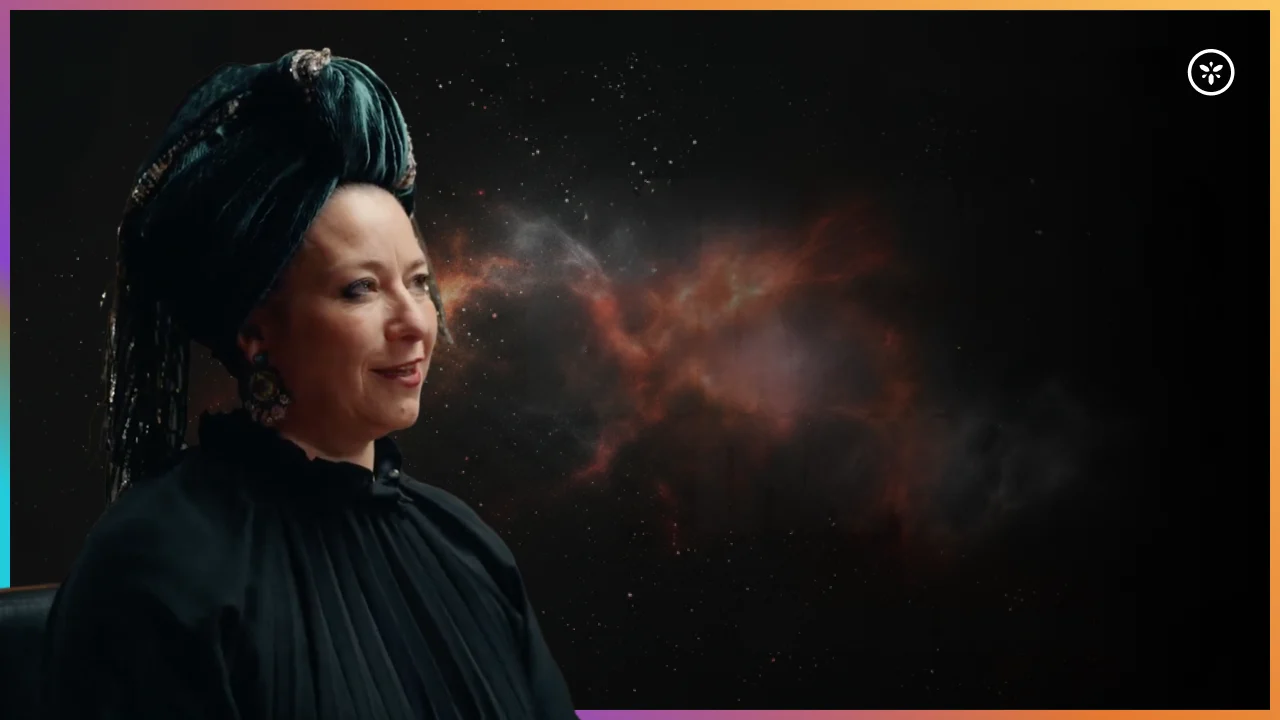
This podcast is in partnership with Rabbi Benji Levy and Share. Learn more at 40mystics.com.
Ricka Razel did not grow up religious; she grew up a musician in a famous Israeli family band. Nowadays, she still sings, though she is an observant mother of eight. Jewish mysticism has been the bridge between music and religiosity, revealing to her the hidden workings of the world.
Ricka Razel is a mother, musician, restaurateur, and a mystic. She performs for female audiences in Israel, and her music can be found on various streaming platforms.
Now, she sits down with Rabbi Dr. Benji Levy to answer eighteen questions on Jewish mysticism including how gratitude can improve our existence, the role of men and women, and the difference between happiness and simcha.
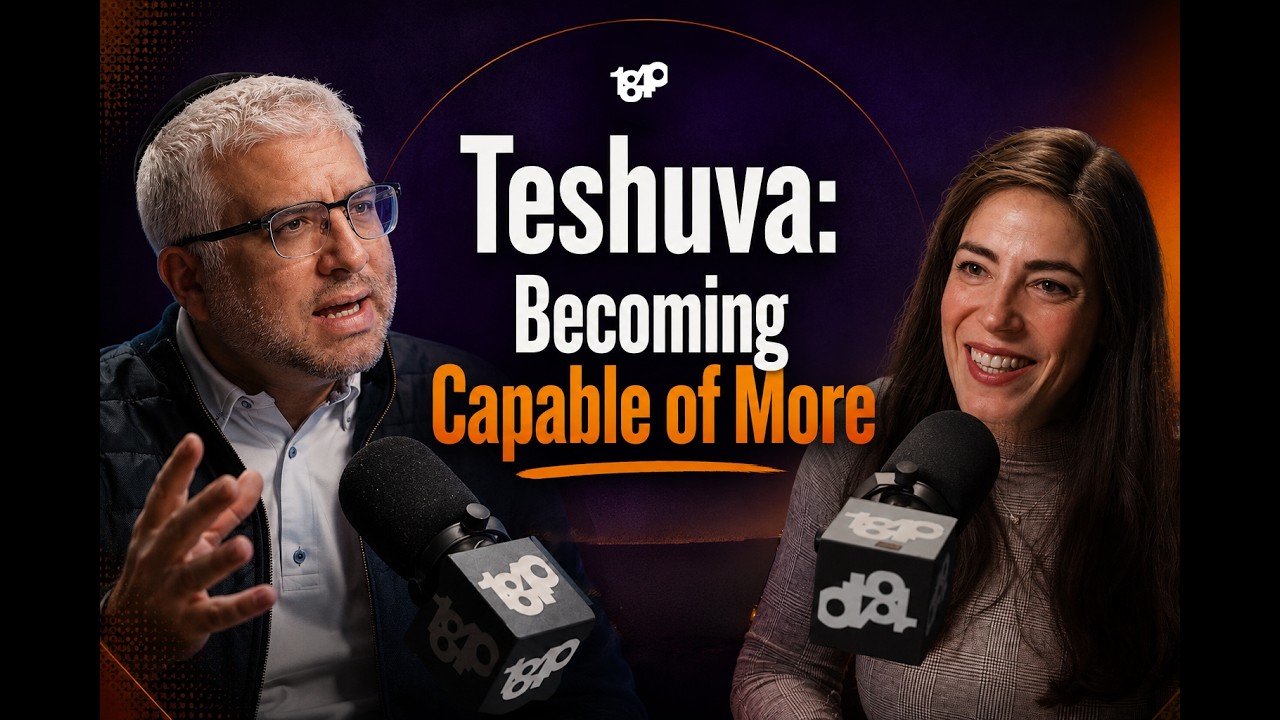
RABBI DR BENJI LEVY. Ricka Razel, it’s a privilege and pleasure to be sitting with you here in Jerusalem. You own Crave [restaurant]; it’s a bit of a secret! You’re an incredible musician, an absolute rockstar, leading Rosh Chodesh gatherings for women, and doing so many beautiful things for your music. Thank you so much for joining us today.
RICKA RAZEL. Sure, thank you. What a beautiful introduction. Todah raba [thank you very much].
LEVY. So, people know you through a certain voice, and that is a singing voice, and the music. But there’s an incredible, intellectual, mystical voice that you have inside. What is Jewish mysticism?
RAZEL. Wow. Mysticism is the beauty. It’s the beyond. There’s this world, but how does it affect the other world? And it’s beautiful. It’s exactly not what we see here, like what’s happening here, but what’s happening in another world, in another dimension, with what we’re doing here. Actually, singing is a very strong thing because you’re doing something here, but it actually brings beauty, and brings light, and moves things. It’s like the butterfly effect, like how it moves things in other worlds and changes things in you and outside. It reminds me of a story. My son, Amiad. I have, baruch Hashem [thank God], eight kids. And Amiad, one of my kids, one time he wanted a hoverboard. A skateboard, whatever it was at that time. And I see him one day taking his money, and he goes to the tzedaka [charity] box and says, “I want a hoverboard, I want a hoverboard. I want a hoverboard.” And in my mind here, in this world, I’m thinking, if you want to buy a hoverboard, you have to keep all the money, not put it in tzedaka box. But that’s the beauty. He understood that when you want something good to happen to you, the mysticism, you have to bring tzedaka. You have to do good. You have to bring good, and then good will actually also happen to you.
LEVY. Incredible. So, how did you get into Jewish mysticism? What was your origin story? How did you connect to this?
RAZEL. So, first of all, we grew up not religious. When we were young, my parents became very slowly shomer Shabbat [Shabbat observant]. We live in Nachlaot, it was a very Sephardi, warm community, and [men were] always asking my father, do you want to come for mincha [afternoon prayer service] or kaddish? And slowly he’s like, yeah, fine, and le’at le’at, very, very slowly, we got into the religious world. And also, when we started, my father was – he loved Judaism. He loved the Torah, he loved how it protects your family. But he didn’t feel there was a God. We grew up a little bit without God. And it’s a very beautiful thing and it’s good to do it, to do the mitzvot [commandments]. But I think for me, when I became more connected was when I had to make a choice. When I was forty, I started singing; I went back to music. When I was young – I’m a sister of Yonatan Razel, Aaron Razel – maybe these names mean something. But we used to have a band and sing together and at the time, I didn’t even know there was such a thing called kol isha, the fact that I can’t sing in front of men. And then, when I got back to music, after, when I was forty, I was thinking, how am I going to approach this? What am I going to do? And really, through learning this whole kol isha thing, I all of a sudden understood what is Jewish mysticism, and how the things that you’re doing in this world have ramifications in other worlds. And you could think, oh, I’m just singing. What’s the big deal? But no. When you sing, there’s so many things that move around, so many parts that change. And I think that’s when I started understanding, really, the beauty. At first, when I came to approach it, I felt like: Oh no, what am I going to do, just perform in front of women? But now I see how, wow, that’s so beautiful how Hashem is protecting me and protecting my little soul inside. And understanding that – what a beauty it brings to the whole world.
LEVY. Amazing. So, in an ideal world, would all Jews be mystics?
RAZEL. I think so. Because mystics means to connect to the higher thing, to the meaning of everything. So I think what Hashem wants [from] us is not only to know what we need to do, it’s also to feel what we need to do. To come with passion, with enthusiasm to the mitzvot and to feel like: Wow, how it elevates my life! How much beauty it brings to this world.
LEVY. So, in an ideal world, they would all be mystics.
RAZEL. I think so.
LEVY. And what do you think of God?
RAZEL. God. Hashem. First of all, Avinu Malkenu, Hashem is our Father and our King. That’s what we pray, and daven, and say. It’s beautiful because on one hand He’s Avinu, He’s our Father, He’s so close to us. He’s a friend, Yedid Nefesh [Beloved of the soul]. I walk with Him in the street, I could speak to Him. He’s always with me; He knows everything that’s going on with me. He helps me in anything that I need, or that I think I need, or He thinks that I need. And I’ll speak to Him and I’m connected to Him. And on the other hand, He’s Malkenu, He’s our King, and He has the laws that He wants to bring to this world. And He told us how things are supposed to be done, and we have to listen to that. And Hashem created the whole world. He’s everything. He’s everything that we see. You go outside and you see a tree, a beautiful flower. Hashem brought His kindness into this world and brought beauty to this world.
LEVY. Where do the Jewish people fit in? What’s our purpose?
RAZEL. The Jewish people are mamlechet kohanim ve’goy kadosh [a kingdom of priests and a holy nation]. We’re the kohanim, we’re the priests. We are the teachers. Be’ezrat Hashem [with God’s help], we got a goal. Our goal is: We got the Torah, and the Torah is the set of what we’re learning here and how we’re supposed to be living our life. Actually, at the end of the day, we’re going to have to teach this way of life to the whole world and bring beauty and light to the whole world through what we’re learning. That’s why we have to learn it, and do it, and get it into ourselves, and really do it in the right way so we can also teach the whole world, be’ezrat Hashem.
LEVY. How does prayer work?
RAZEL. Prayer. In Hebrew, tefilla [prayer]. First of all, Jewish language is the best, the most amazing language, because it’s so intertwined with meaning. In fact, tefillin [phylactaries] and tefilla, which comes from the same shoresh, the same root, is that tefillin is intertwined. Like, niftal [twisted]. And that’s, I think, what we have to do with God. At that point when we’re davening, we’re praying, we want to be connected to Hashem. In a kesher, in a connection, that is so together. And we’re actually coming down from the earth and calling a higher power that comes from above. And we’re connected the lemata, the down, to the heavens and asking and praying. And I see in the tefillot [prayers] that I do: I do Hallel [a celebratory part of prayer] every Rosh Chodesh [first of the month]. We bring lots of women together, dancing and singing, and it’s an energy. I felt that for sure the chatufim [hostages] came home because of what we did. For sure, had to be. We’re there. Women from all types. Religious, and Haredi, and dati [observant] – [from] all the types that you want and all ages. Little babies, girls, and old women are coming, even older than me! Stam [kidding], coming with their canes. And it’s so beautiful to feel that energy. We’re all in one energy. Bringing that energy, and throwing it up, and asking, and praying, and crying, and singing. And it makes a big impression in the world, and I think in the higher world, be’ezrat Hashem [with God’s help].
LEVY. And then where does Torah study fit in? What’s the goal of Torah study?
RAZEL. Torah study is learning exactly about what we’re supposed to do. Connecting to everything. And, I feel, connecting to the depth of everything. I think we’re at this dor –
LEVY. Generation.
RAZEL. – this generation that people are looking, seeking for meaning, and seeking for: Yes, I want to understand. Maybe a few generations back [it was more like], okay, you gotta wake up, you gotta do this, you gotta do that. I think today, we want the meaning. We want to understand why we’re here. We want to understand. We want to know that we have a purpose. We want to know that we’re doing the right thing, that we’re learning from the depth. Wow, what’s the idea? I’m not going to sing in front of men, I want to understand why. Why is it so beautiful? I want to pray, I want to bring that light. Be’ezrat Hashem. So we’re learning, and this is our Torah studying. Another thing is also becoming smarter. I think the fact Jewish people are always learning and diving deeper and deeper, and the Gemara, and always learning so much makes us the light to the nations, in the sense of bringing wisdom and bringing that Torah wisdom into this world.
LEVY. Does Jewish mysticism view women and men as the same?
RAZEL. No, not at all. Men and women are very different in Judaism. They have very different roles, very different light. The women is meshulal. How do you say, like mashul, more mashal. Like the mashal.
LEVY. Oh, a parable.
RAZEL. Right, the woman is a parable to the moon and the man is more the sun. Both of them are amazing, both we can’t live without. First of all; I think a woman is much higher than a man. Sorry Benji. But women have the gift of creating life. At the end of the day, they’re mini gods a little bit, right? We’re creating. We’re very close to Hashem. I think women have the bina [understanding] much closer to what Hashem wanted, and a man has his amazing things that he brings, and he’s supposed to bring the shefa [abundance], and bringing so many things to this world. They’re both amazing. Both have very different roles in the world. But that’s the beauty of it. That’s the connection. Like two parts of a puzzle. If they’re the same, they’re not really going to connect. Kitzur [in short], they connect together and bring this beauty to the world.
LEVY. So it’s interesting. One of our jobs in this world is vehalchat beDerachav, we need to emulate God. And just like God is a creator, women are creators. Only God brought life with Adam and Eve, and only women can give birth. So, that really strengthens the point that you’re saying, that the first degree is really being able to emulate creation. Why did God create the world?
RAZEL. First of all, He has the need to give, and He wanted to give. And in this world, He could give to people and to mankind. And He wanted also to bring down His ideals. Hashem has ideals, and that’s the whole Torah, but He wanted to bring it down to the maase [action], down to the deeds. How could we bring it down? Do a chesed [kindness] or – good energy is amazing, but if you don’t do something – and to see the acts of kindness is beautiful. And so, ultimately to do good and to feel that good in this world.
LEVY. So, when you say “doing things,” God then did that and also endowed us with the capacity to do? Can we do things against His will?
RAZEL. Of course. This is the free will that we got, but of course people sin. And as you said, in Noah, most of the generation did things exactly the opposite of what He wanted, but that’s also the beauty, I think. Also us as parents: of course our kids do things against what we want, but that’s the beauty of it. Because you see how they’re learning through that. That’s your connection through it. You’re teaching them, you’re letting them grow. He didn’t want robots. He could have also made robots, everyone would do exactly the same things, but He didn’t. He wanted that back and forth, and teaching you, and everyone has to do their tikkun [repair] in this world and work hard to get to where they need to be.
LEVY. So if He wanted that, maybe us going against His will is actually His will.
RAZEL. Right.
LEVY. He wants us to have the capacity to choose.
RAZEL. Exactly.
LEVY. So what do you think about when you think about Mashiach [the Messiah]?
RAZEL. I think it’s a time that the whole world, or people, are going to be much more connected to themselves, to beauty, to peace. At that time, there will be peace in the whole world, because everyone will understand that, first of all, Hashem echad u’Shemo echad [Hashem is One and His Name is One]. We know that Judaism comes with peace and love in a good way. A time that everything will be good; we’ll be connected to big goodness. The truth is, I feel sometimes in Israel that we’re already a little bit in it. Like, it’s beautiful. And when I see people learning the Torah after thousands of years, and living it with all the mashma’ut – how do you say mashma’ut?
LEVY. Meaning.
RAZEL. Thank you. All the meaning that there is. And being here in Israel and connecting to this land, and be’ezrat Hashem [with God’s help], we’re waiting for the Mashiach [the Messiah], the Beit HaMikdash [the Temple] to be built, be’ezrat Hashem –
LEVY. The Temple. So, is the State of Israel actually part of this final redemption?
RAZEL. Yes, I think that it’s part of it. We’re on the way. There’s a lot of diversity, maybe, about that. Maybe at the end of the day, the Jewish people who started the State of Israel weren’t, maybe, very religious. But that’s also, I think, the beauty of Hashem. How He brought everything. He has His way to say: Yes, you don’t really know how it’s supposed to be done. But we know that at the end of times – it’s part of the prophecies – that Hashem will bring everyone home to Israel. And we see that today, I think more than any time in history, most Jews are here in Israel and coming back slowly but surely. You came from Australia, yeah?
LEVY. Yeah.
RAZEL. My mother came from America.
LEVY. Amazing.
RAZEL. And I was born here, baruch Hashem. Be’ezrat Hashem that everyone will come back and we’ll be able to bring the light, this amazing big light, from here to the whole world.
LEVY. So, we talk about the whole world. What’s the greatest challenge facing the world today?
RAZEL. People today are sometimes not connected enough to the meaning of this world. With everything being at the tips of their fingers, sometimes people are not feeling what is the depth, and at the end of the day it’s not good for humans to feel – it makes people depressed. Half of modern society is on Xanax or other antidepressants, and I feel if people were more connected to the essence, connected to the meaning of this world and [able] to bring meaning to the world, [it might be different]. The phones are a big problem, that everything is at the tip of your hand and it’s maybe too much. Too much out there. Sometimes I feel like I’m sitting with a bunch of people, but everyone’s on their phone, so the connection is not really there. So hopefully we’ll be able to learn how to use this tool in a good way, and not in a [destructive] way, and bring better connections between people.
LEVY. So, part of that technology came about – an earlier version – from modernity. How has modernity changed Jewish mysticism?
RAZEL. Well, on the one hand, once it used to be [that] mysticism was a secret. Nobody learned it, nobody knew it. The Zohar, I remember even as a little girl, only people over the age of forty could even go and touch it, and it was a secret that not everyone knew about. And now it’s much more accessible. So modernity, and phones, and even things like Instagram, could bring the secrets to your life, in your face. You don’t have to go search for them. It’s much more there. It’s here; you could see it. And it brings it more to the surface, and people can learn it and be’ezrat Hashem bring it more to their life.
LEVY. What’s the difference between Jewish mysticism and other mysticisms?
RAZEL. The truth is, I never learned so much about other mysticisms. I know that this is the truth, and Hashem is One, and there is one truth. But I think, at the end of the day, the fact that there are other religions, it’s just bringing them closer to Hashem. One day they’ll understand that Hashem is the One. And what they’re learning I’m sure has something to do with our mysticism, but we have to be careful, because sometimes little twists here and there can make a big difference in the world.
LEVY. So, does one need to be religious to study Jewish mysticism?
RAZEL. If you’re the vessel to understanding and to bring it down to the world, it’s actually something that goes together. If you’re religious and you’re doing the mitzvot [commandments], you want to understand. You want to know where it’s going to. If you’re just going to learn about it and not do anything about it, then you’re not implementing it in this world, you’re not bringing it down to this world, which, I think, is ideal.
LEVY. Should Judaism be hard or easy?
RAZEL. I actually wrote a song about it. It’s called “Rotza She’Yehiye Kal.” In Hebrew it means “I Want it to Be Easy.” And I’m actually joking in the song because I’m saying, “I want everything to be easy. I want to find parking and I want –” But in the chorus I’m saying, “but ma sheba bekalut,” but I know that Hashem created the world and ma sheba bekalut, whatever comes easy goes easy. So, we know that actually, everything that we put our effort into, even our kids. They wake up at two a.m. and then three a.m. [It’s] so much effort we put into them, and that’s actually the connection. Things that are easy for you also go easy. Does easy mean good? At the end of the day, I think easy doesn’t mean good. When things are easy, it’s maybe boring. It’s maybe depressing. When things are challenging, you get more to [the] depth of things. You can understand things more. The essence. You go through stuff. Life is a rollercoaster: ups and downs. And no, I don’t think, also, Hashem wants it to be easy here for us. I think Hashem likes the challenges, wants us to grow from one point to the next, and that’s how it happens.
LEVY. So, can Jewish mysticism be dangerous?
RAZEL. Yes, of course. If you take it to an extreme or something that’s not connected to the Torah, 100 percent, yes, it could be dangerous. There’s sects in this world that took it to a very bad [place]. And, yes, you have to learn to leave it in the size that it is and not change it or take it to different places.
LEVY. So, how has Jewish mysticism changed relationships in your life? Can you explain how there’s some lessons that you actually apply, and maybe one example, with one of your eight children, or with your husband, or with your siblings, or family, or friends, or students?
RAZEL. It brings you to a place that gives you much more peace in your life. First of all, because emuna [faith] brings that peace. If you’re upset that something happened, or you did something, or maybe a friend of yours did something to you. But if you have that place that you say, you know what, at the end of the day, I know this is what was supposed to happen, this is emuna. Something, Hashem wanted this. And this is my way, this is my shvil, my journey –
LEVY. Path.
RAZEL. – my path, exactly. This is what I need to go through. So it gives me that place of calmness and it brings me also to bring someone else in front of me with more compassion, more love. To know that this is his path and his journey, and I have to respect his journey as well. And for me, it brought me closer to –
LEVY. To other people?
RAZEL. Yes, to other people. Better to other people. Also, let’s say the lashon hara [evil speech]. You can think, so what, so I told you a small thing. What’s the big deal? But no. We understand that the fact that I’m going to tell you something bad is terrible! It’s going to bring a ramification; the world is going to have that! So, I’m not saying that I’m always good about that, but the next time that I’m going to want to say something bad, I’m thinking about it. So yeah, it will change the world.
LEVY. Is there one teaching that you carry with you wherever you go, or something that inspires you, or you find meaningful from Jewish mysticism?
RAZEL. I like the phrase mitzva gedola leheyot be’simcha tamid, [it’s a] big mitzva to be happy. Happy and simcha are not exactly the same word. Simcha also has a deeper meaning. Happy could be just happy-go-lucky, kind of that definition, but no. Simcha means expansive. It means being in a good state from a good place, also. And it’s also a mitzva. People could say: How could that be a mitzva? How could it be a deed? How could it be something that I need to do? Either I’m happy or I’m not happy. Right? And we’re learning that, no, it’s a mitzva gedola leheyot b’simcha tamid [it’s a big mitzva to always be happy]. You have to make sure that you are in a good place. And it also brings control to your life that you could be, maybe, in not such a good mood. To be a Jew, a yehudi, is from the word lehodot. Hodaya is saying thank you. And I feel, even waking up in the morning and saying thank you, modeh ani. As a Jew, that’s our secret. Hashem is giving us a little secret. You want to be happy? Say thank you. Be thankful.
LEVY. Yeah.
RAZEL. And waking up in the morning, saying modeh ani, being thankful? It’s bringing us already be’simcha, bringing us to the simcha and bringing us to a good state. And just remember that bringing that simcha to the world, being in a good place, has a huge effect on the whole world. If you walk in the street and smile to somebody, you know already how contagious that is.
LEVY. So, there’s no question that you bring joy to so many around the world. So much simcha, so much happiness. And we give you a blessing that you can continue to do that to thousands and thousands of people, and in that process, realize a deeper level of your own happiness.
RAZEL. Amen! Amen amen amen. Thank you so much.
LEVY. Thank you.
In this special episode of the 18Forty Podcast, we talk to Professor Jonathan Haidt about the late Rabbi Jonathan Sacks in honor of his yahrtzeit.
Rabbi Yaakov Klein joins us to discuss the soul of God, Jewish particularism, and personal identity.
We mark the yahrtzeit of Rav Ezra Dovid Halevi Neuberger with remembrances from Dovid Bashevkin and David Fohrman.
In this episode of the 18Forty Podcast, we sit down with Rav Moshe Weinberger, rabbi and educator, to discuss the role of mysticism in modern-day Judaism.

In this episode of the 18Forty Podcast, we sit down for a special podcast with our host, David Bashevkin, to discuss the podcast’s namesake, the year 1840.
In this episode of the 18Forty Podcast, we talk to Judah, Naomi, and Aharon Akiva Dardik—an olim family whose son went to military jail for refusing to follow to IDF orders and has since become a ceasefire activist at Columbia University—about sticking together as a family despite their fundamental differences.

In this episode of the 18Forty Podcast, we talk to Eitan Hersh, a professor of political science at Tufts University, about teaching students of radically different political and religious views how to speak to one another.
In this episode of the 18Forty Podcast, we sit down with Joey Rosenfeld, social worker and kabbalist, to talk about the differences between mysticism and rationalism and the roles they should play in our lives.

In this episode of the 18Forty Podcast, we talk to Liel Leibovitz and Lisa Ann Sandell about what happens when one partner wants to increase their religious practice.
In this edition of the 18Forty Podcast, we talk to David’s rebbe, Rav Yisroel Kaminetsky, longtime principal of DRS Yeshiva High School, about the state of Jewish education in America.
The true enemy in Israel’s current war, Einat Wilf says, is what she calls “Palestinianism.”
In this episode of the 18Forty Podcast, we talk to Frieda Vizel—a formerly Satmar Jew who makes educational content about Hasidic life—about her work presenting Hasidic Williamsburg to the outside world, and vice-versa.
In this episode of the 18Forty Podcast, we talk to Lizzy Savetsky, who went from a career in singing and fashion to being a Jewish activist and influencer, about her work advocating for Israel online.
In this episode, we talk to a father and daughter who were estranged and then reunited.
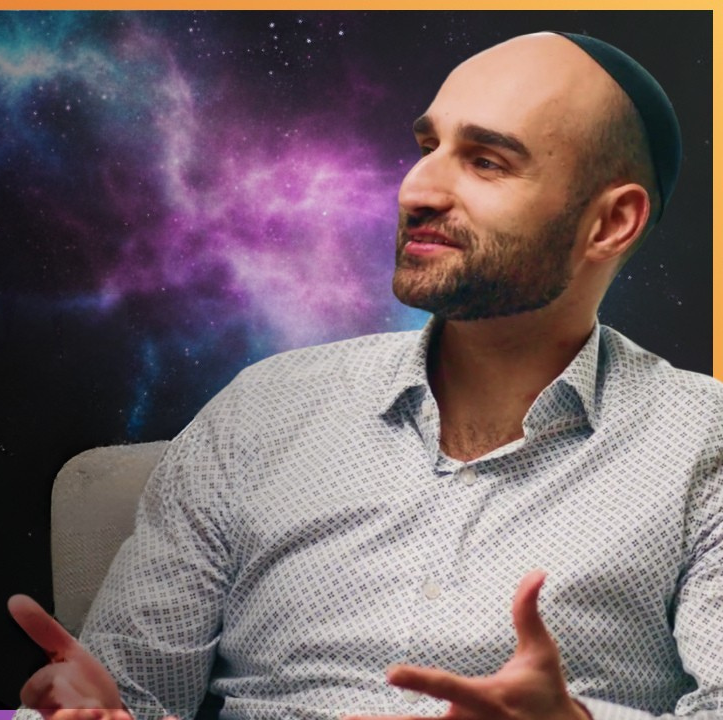
Efraim Palvanov answers questions on misinformation, prayer as self-reflection, and every Jew’s role in bringing Mashiach.

Israel is a heroic country, Michael Oren believes—but he concedes that it is a flawed heroic country.
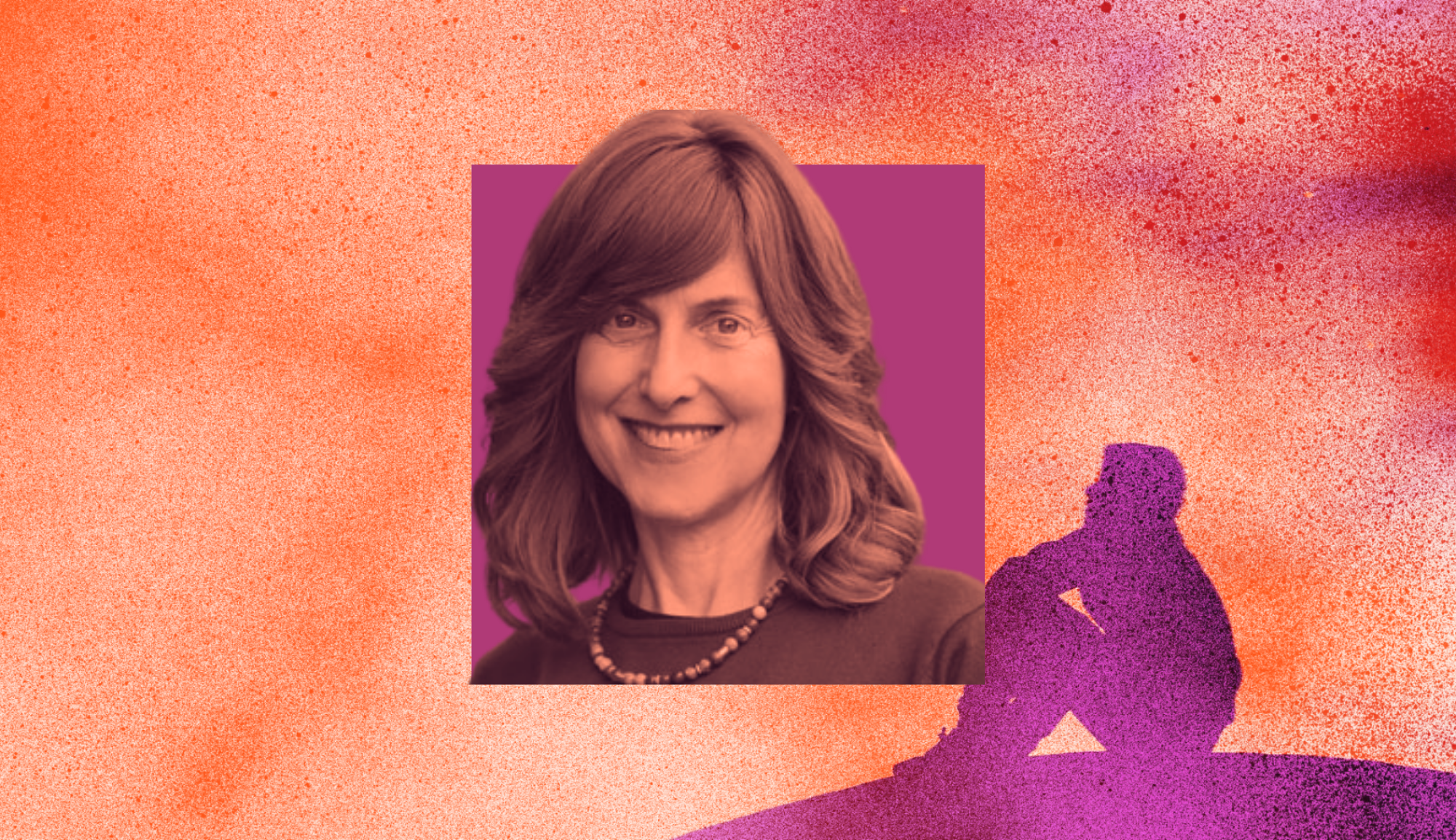
In this episode of the 18Forty Podcast, we sit down with Dr. Ora Wiskind, professor and author, to discuss her life journey, both as a Jew and as an academic, and her attitude towards mysticism.
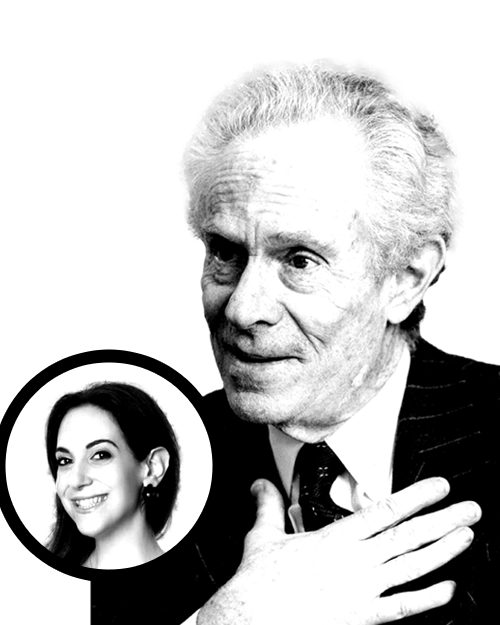
In this episode of the 18Forty Podcast, we talk to Marika Feuerstein about the life of her grandfather, Aaron Feuerstein.
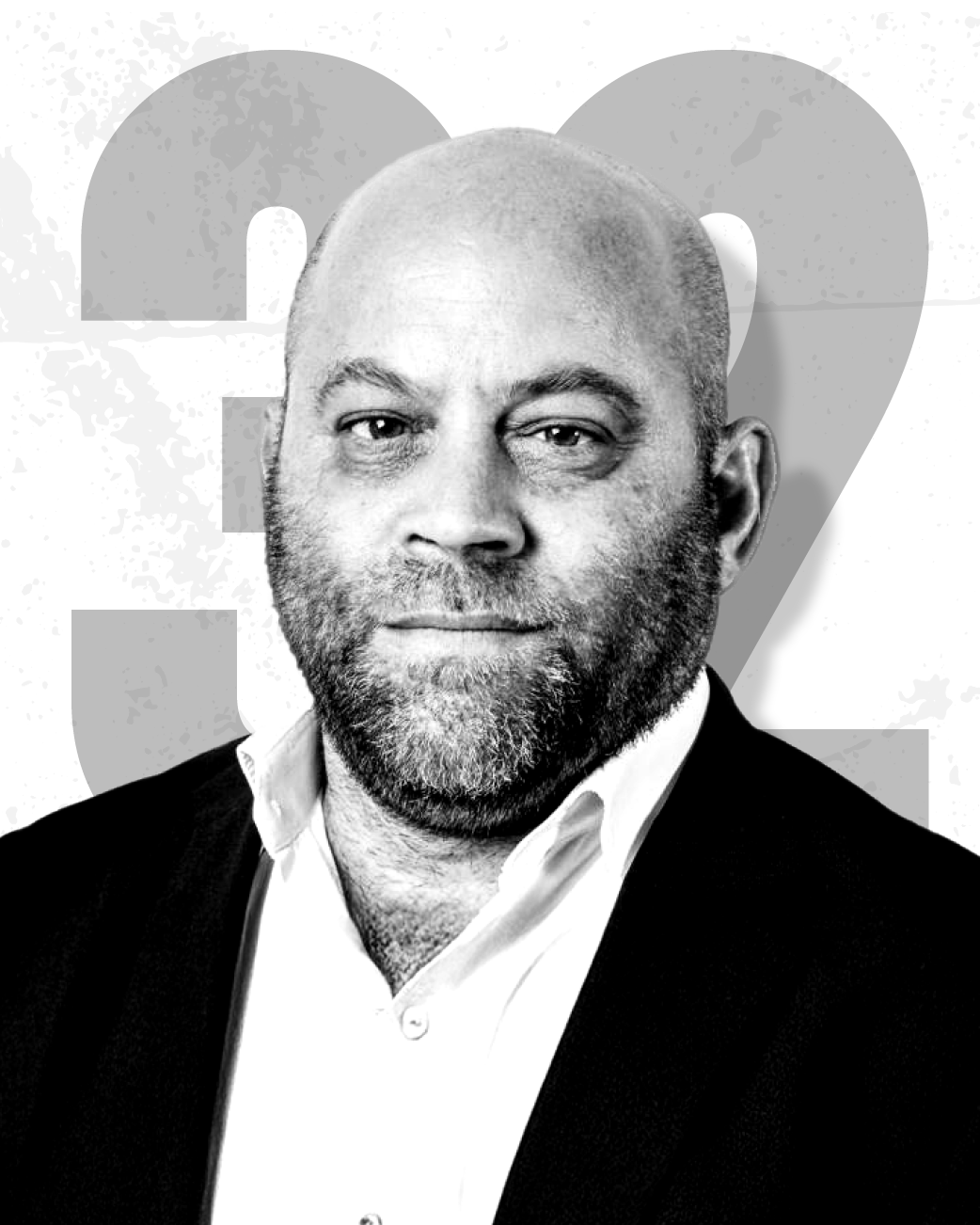
Prime Minister Benjamin Netanyahu did not surprise Anshel Pfeffer over the last 17 months of war—and that’s the most disappointing part.
In this episode of the 18Forty Podcast, we talk to Rabbi Larry Rothwachs and his daughter Tzipora about the relationship of a father and daughter through distance while battling an eating disorder.

We talk to Michael Eisenberg about the state of the Jewish People in Israel and the diaspora.
We talk to Rabbi YY Jacobson about how each of us can experience redemptive consciousness by feeling Hashem’s infinite love and presence in this moment.
We talk to Judah Mischel about how to become a Jewish optimist by choosing to see the good in every corner of Klal Yisrael.
In this episode of the 18Forty Podcast, we talk to Aliza and Ephraim Bulow, a married couple whose religious paths diverged over the course of their shared life.
In today’s world, Rabbi Sacks’ message feels more urgent than ever: that God continues to believe in humanity.

Perhaps the most fundamental question any religious believer can ask is: “Does God exist?” It’s time we find good answers.
The 18Forty guide to making meaning on Shabbos, part II
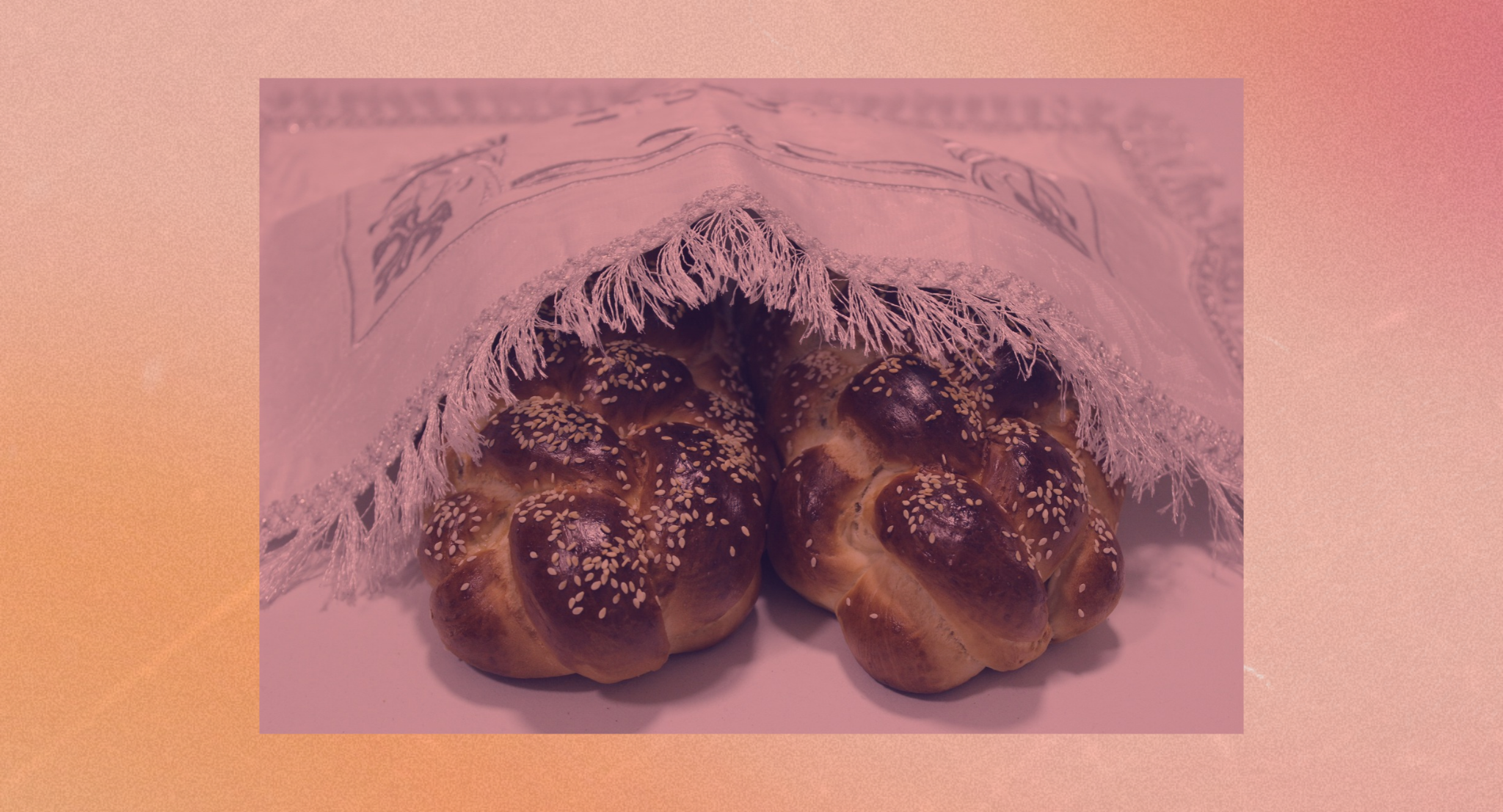
The 18Forty guide to making meaning on Shabbos, part I
Joy and meaning can be found not only despite the brokenness, but even because of the brokenness.
In the midst of crises of faith, Rabbi Sacks’ course of thought profoundly impacted so many, especially in the area of science…
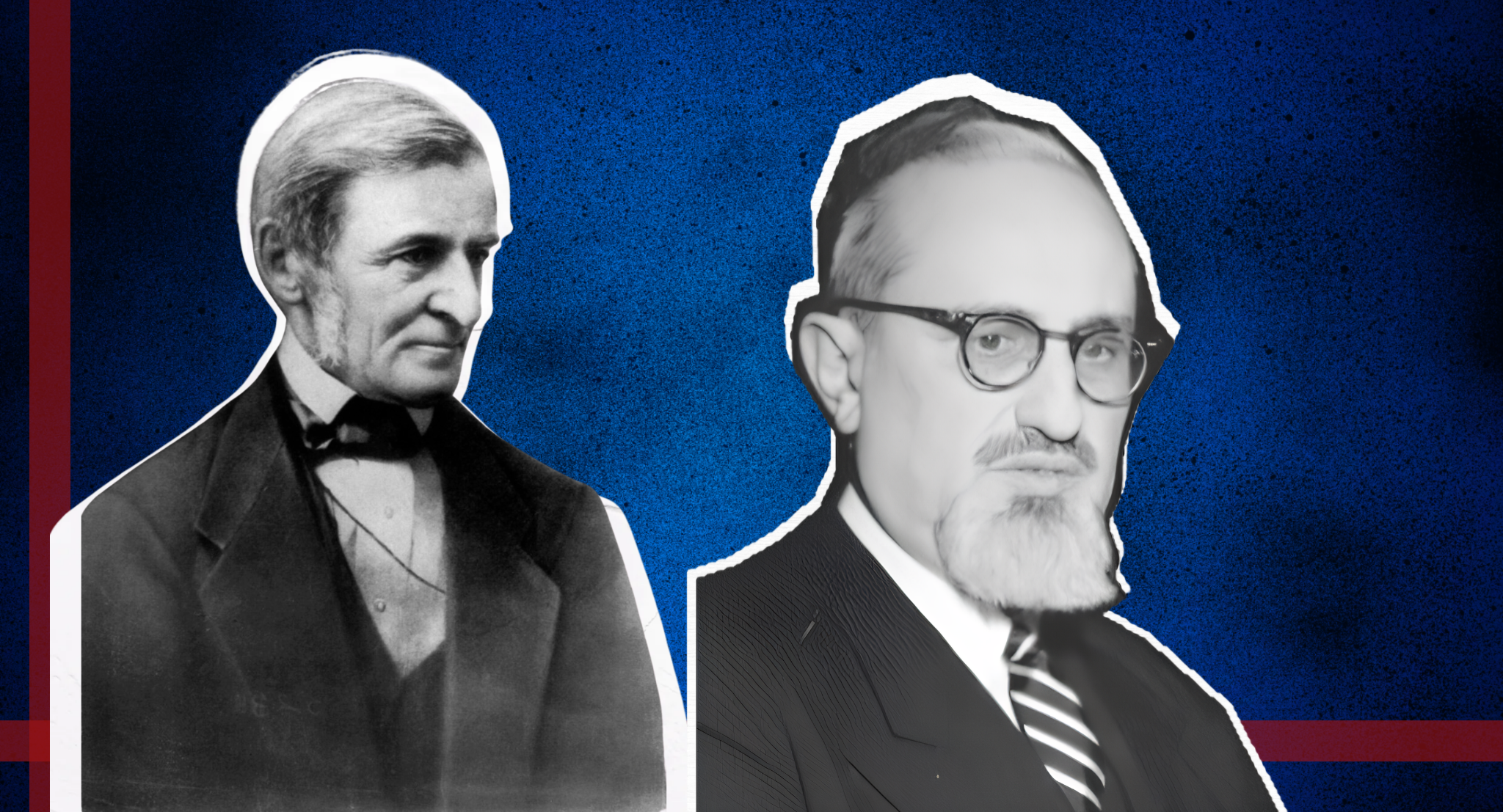
As America grows lonelier, Rav Soloveitchik’s vision of the self offers a challenge to Emersonian self-reliance.
My family made aliyah over a decade ago. Navigating our lives as American immigrants in Israel is a day-to-day balance.
Israeli minister Itamar Ben-Gvir wears the mantle of Kahane in Israel. Many Orthodox Jews welcomed him with open arms.
A personal return to the poems that taught me how to imagine America
I consider the Rebbe to be my personal teacher, and I find this teaching particularly relevant for us now.
Rav Froman was a complicated character in Israel and in his own home city of Tekoa, as people from both the right…

To talk about the history of Jewish mysticism is in many ways to talk about the history of the mystical community.
Children don’t come with guarantees. Washing machines come with guarantees.
Children cannot truly avoid the consequences of estrangement. Their parents’ shadow will always follow.
A 94-year-old Holocaust survivor, a lone soldier, and more. Here are seven olim sharing their stories of aliyah.
From Freud through today, our desire to heal asks us to consider why we care so badly—and maybe if it’s hindering the…

Yes, the Israeli army needs Jews to draft, but more than that, Jews need to experience what it means to serve.
From Avraham’s mission to Rivka’s generosity, Parshat Chayei Sarah outlines a relationship rooted in values, agency, and mutual respect.
From verses in Parshat Bo to desert caves, tefillin emerge as one of Judaism’s earliest embodied practices.

Christianity’s focus on the afterlife historically discouraged Jews from discussing it—but Jews very much believe in it.
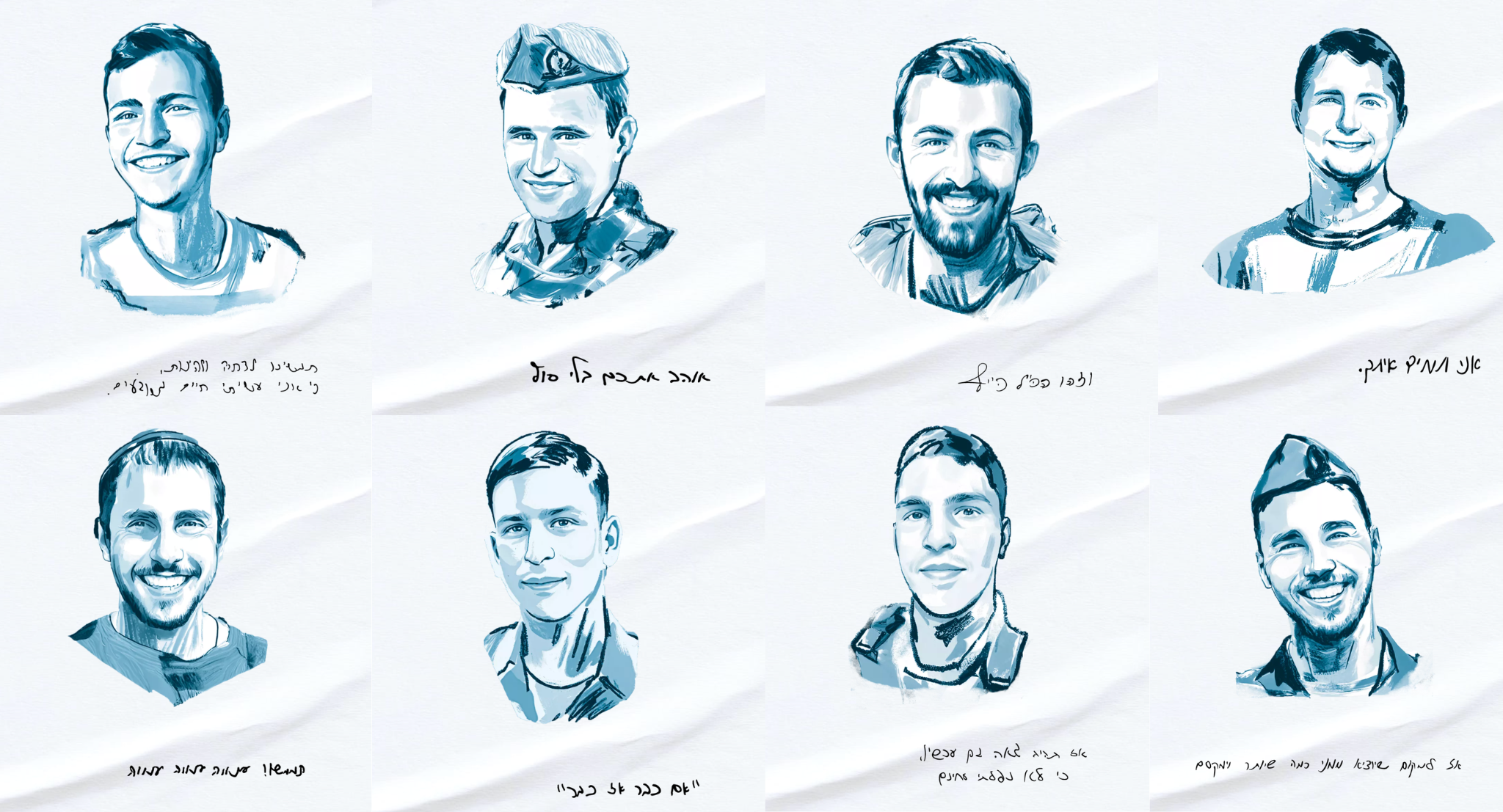
If You’re Reading These Words is a book in which all the heroes have died, yet it overflows with life.
Dr. Judith Herman has spent her career helping those who are going through trauma, and has provided far-reaching insight into the field.
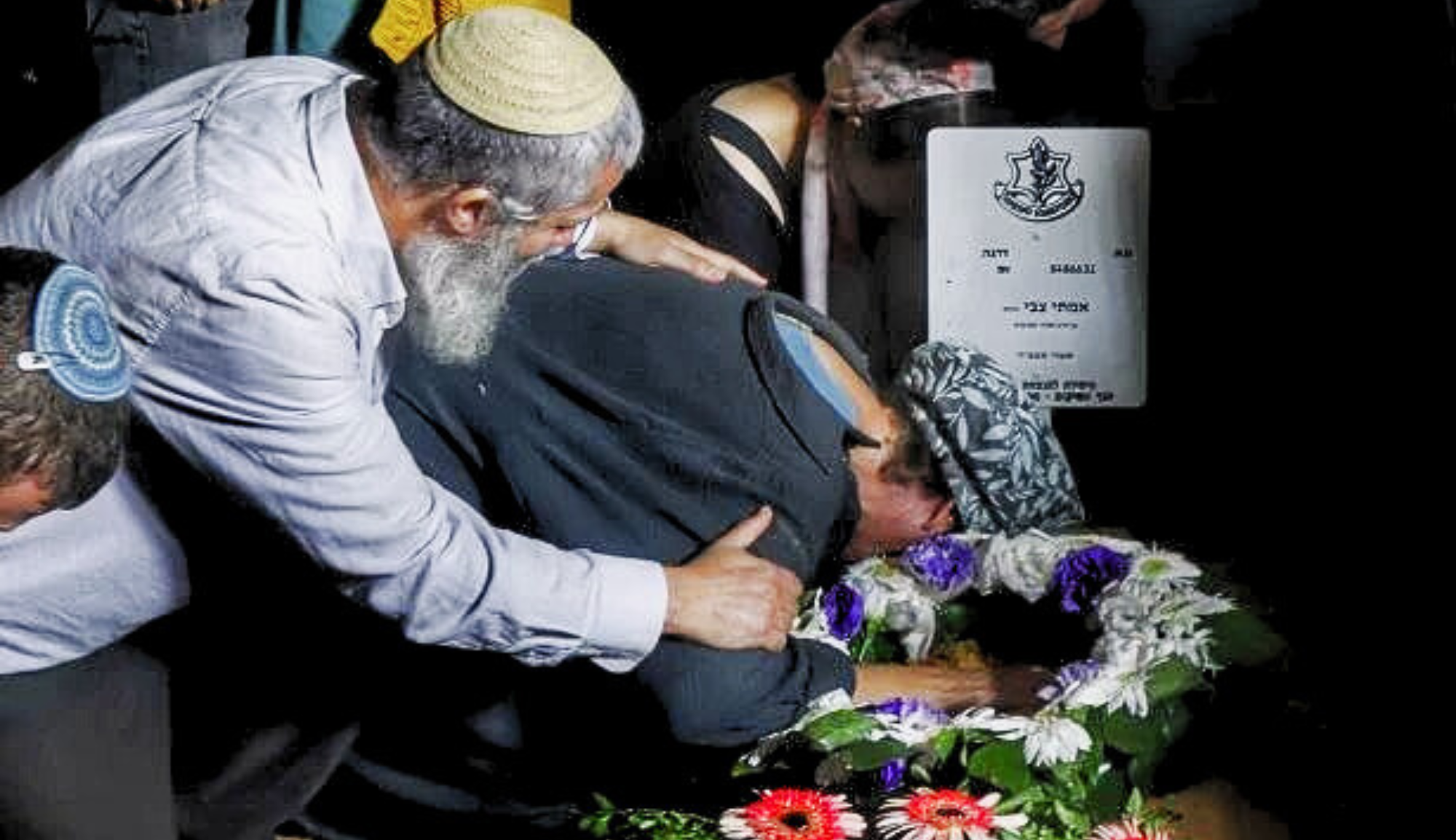
A Hezbollah missile killed Rabbi Dr. Tamir Granot’s son, Amitai Tzvi, on Oct. 15. Here, he pleas for Haredim to enlist into…
In this episode, Liel Leibovitz reflects on falling in love with the Talmud precisely because it is so difficult—and on how its…
In this episode of the 18Forty Podcast, we speak with Diana Fersko, senior rabbi of the Village Temple Reform synagogue, about denominations…
We talk to Tania Friedlander about how her husband’s Parkinson’s diagnosis challenged her expectations and taught her to become capable of more.
In this episode of the 18Forty Podcast, we talk to Rav Judah Mischel, executive director of Camp HASC and author of the…
In a disenchanted world, we can turn to mysticism to find enchantment, to remember that there is something more under the surface…
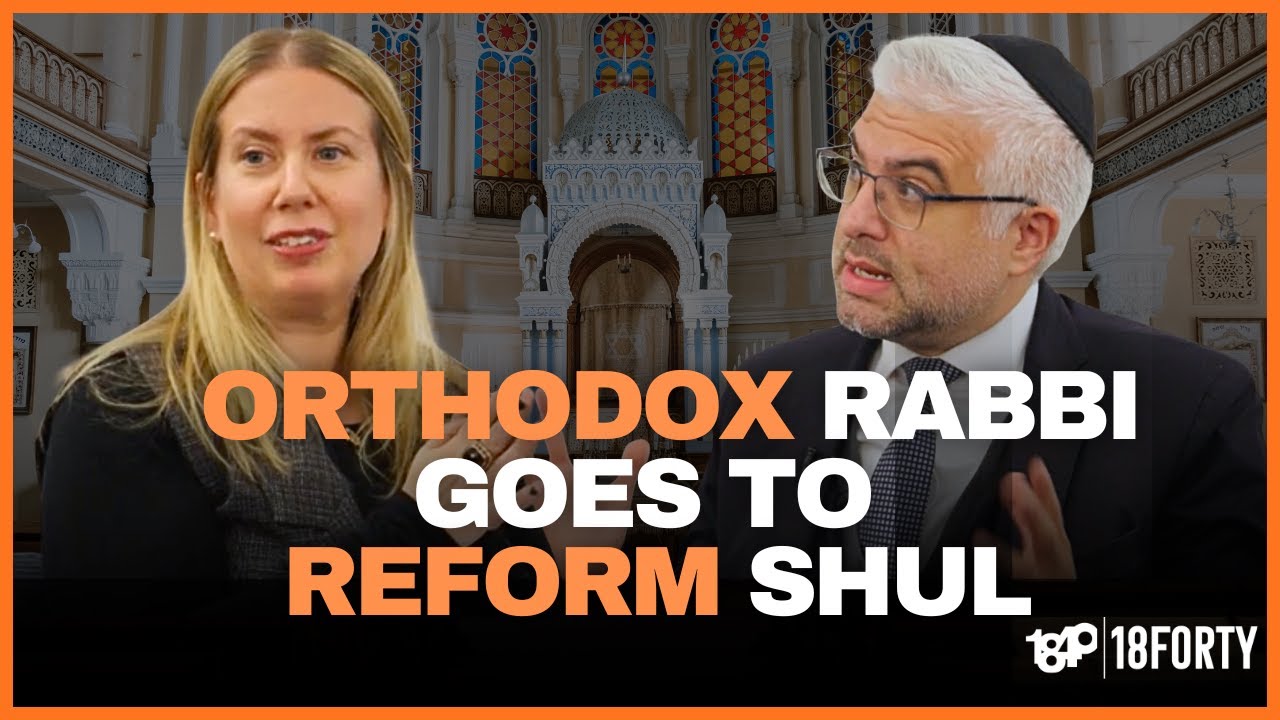
In this episode of the 18Forty Podcast, David Bashevkin answers questions from Diana Fersko, senior rabbi of the Village Temple Reform synagogue,…
In this episode of the 18Forty Podcast, recorded live at Stern College, we speak with Rabbi Moshe Benovitz, director of NCSY Kollel,…
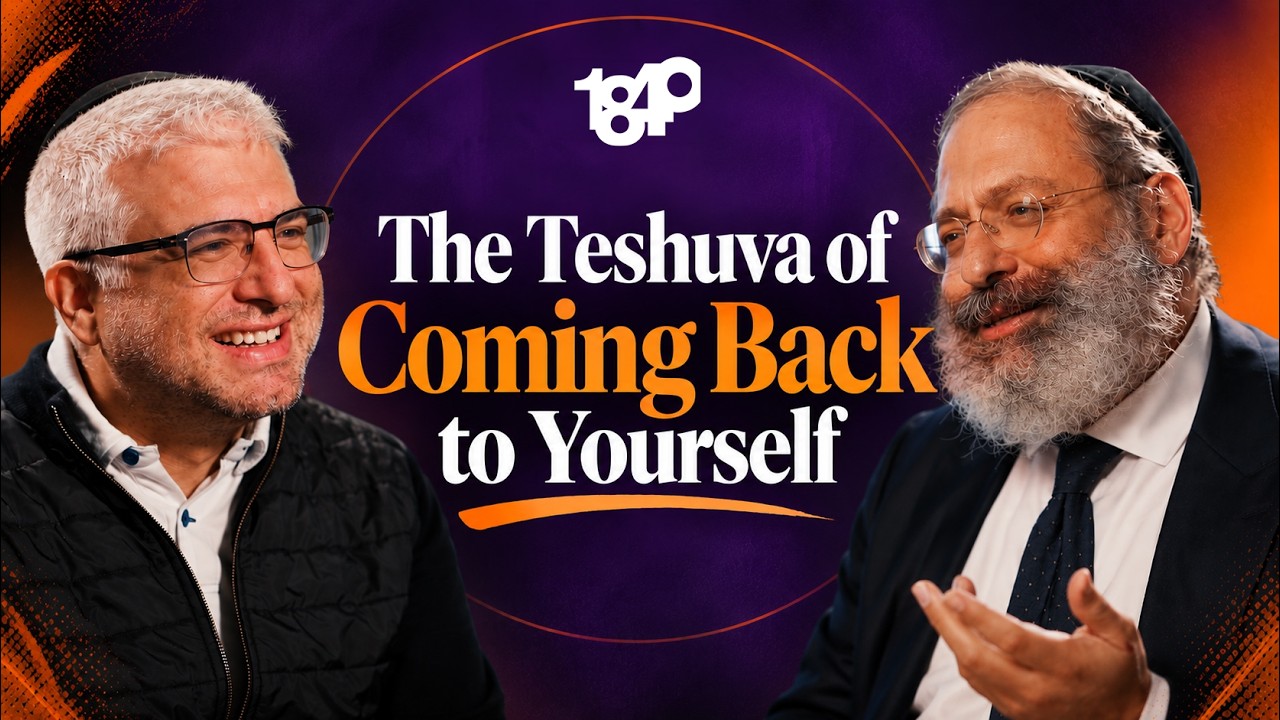
In this episode of the 18Forty Podcast, we talk to Rabbi YY Jacobson, one of the foremost online teachers of Torah, about…
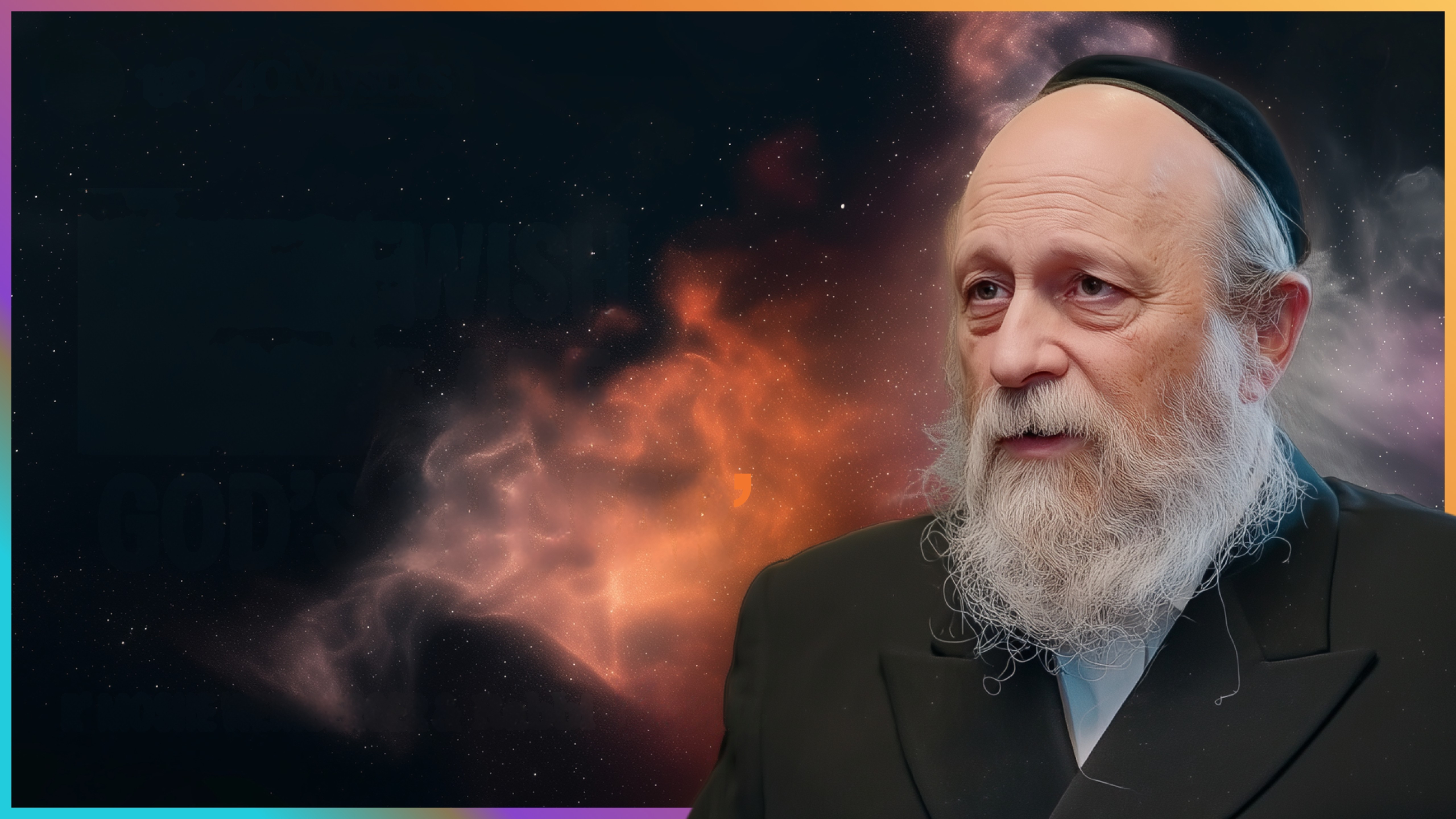
In order to study Kabbalah, argues Rav Moshe Weinberger, one must approach it with humility.
From the Blood Libel of Trent to a first-edition set of Rambam, the home of rare-book dealer and private collector Pinny Stieglitz…
Love is one of the great vulnerabilities of our time. Can we handle it?

In this episode of the 18Forty Podcast, we talk to Rabbi Dr. Ari Lamm, co-founder and president of SoulShop Studios, about doing…
A free 40-week journey through the Talmud. No Hebrew or background required. 7,000+ people have already signed up — join us.